Staying Home Alone
Sometimes, latchkey kids in the ‘70s were left alone at home even when their parents weren’t working. The parents would run errands or meet friends while their kids amused themselves. Now, there are strict guidelines about the minimum age at which a child can be left alone. Back then, neighbors might peek in occasionally, but there was little formal oversight or worry about what could go wrong.
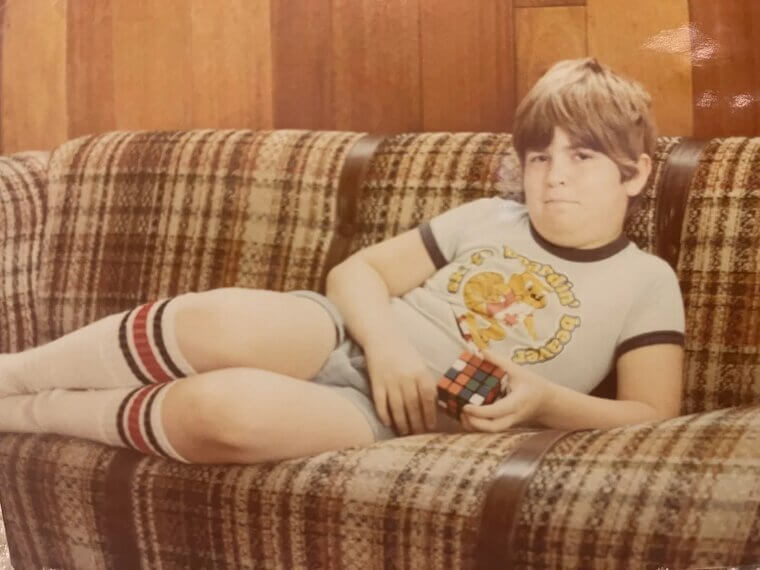
Parents assumed kids would be fine as long as the doors were locked and emergency numbers were nearby, trusting them to handle boredom and minor mishaps.
Drinking From the Hose
Running around on hot days is thirsty work, but instead of getting a cold drink from the kitchen like today’s children, ‘70s kids would drink from the garden hose instead. Nobody worried about germs, bacteria, or chemicals, and it was actually a fun pastime for siblings to share. The water might have tasted slightly metallic or warm at first, but that was part of the charm, not a cause for concern.

Parents rarely rushed out with labeled water bottles or filtered pitchers, assuming tap water straight from the hose was perfectly safe refreshment.
Lax Media Rules
Age-restricted movies and TV shows were around in the 1970s, but many parents didn’t worry about them. Children had far freer access to violent or scary content, with minimal parental controls. Nowadays, parents monitor the media that their kids consume far more strictly. Back then, kids might sit through late-night horror flicks, gritty cop dramas, or suggestive sitcoms right beside the adults.

Ratings were more like loose guidelines than hard rules, and there were no streaming passwords or kid profiles. Today’s emphasis on age-appropriate content would have seemed overly cautious.
Riding Without a Seatbelt
It would be unthinkable today, but back in the 1970s, it was normal for both children and adults to ride in cars without a seatbelt. Some kids would even ride in pickup truck beds! Nowadays, strict seatbelt laws would make that unthinkable and illegal for most parents. Families would pile into the backseat, lie across laps, or even stretch out on the floor during long road trips.
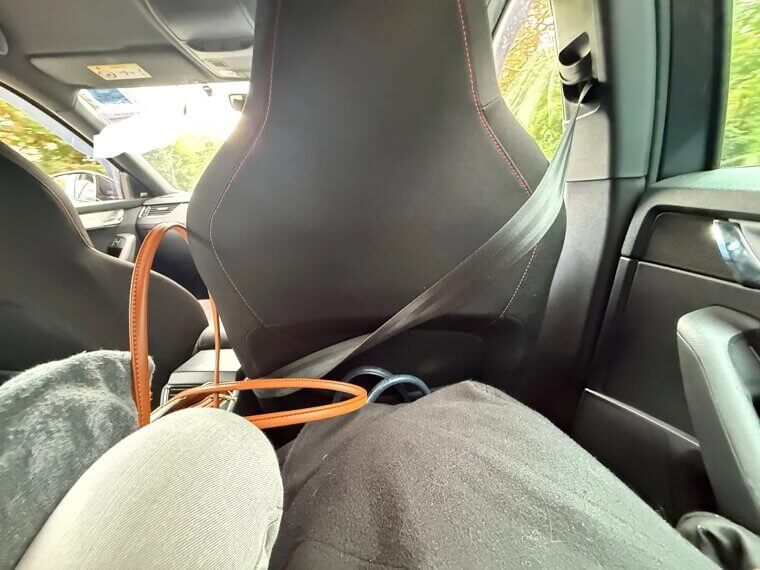
Many cars didn’t have proper restraints for every passenger, and few people saw that as an urgent problem. Today, car seats, boosters, and click-in belts are non-negotiable.
No Curfew
Curfews may seem like something created by overbearing parents, but imagine your kids playing out until the early hours of the morning? Back in the ‘70s, parents just trusted that their children would eventually return. That would be unimaginable now. Streetlights flicking on were often the only signal that it was time to start heading home, and even that rule was flexible.
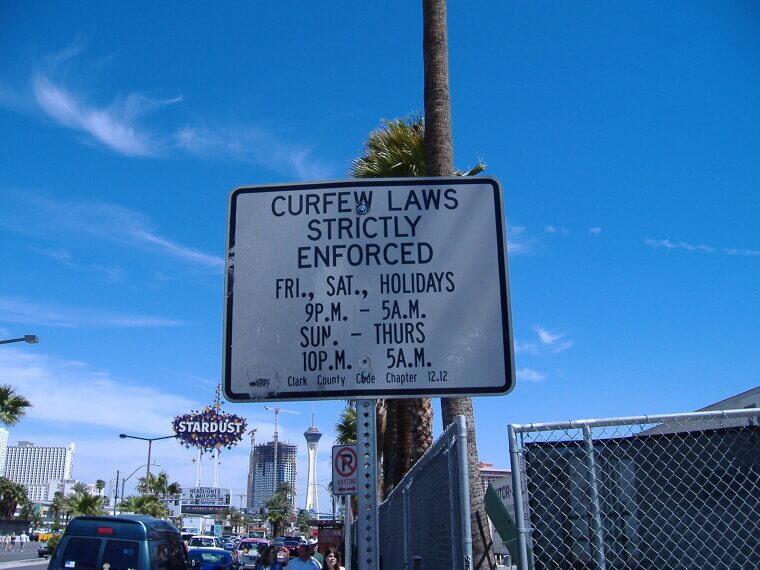
Parents might not know which friend’s yard their children were in or which neighborhood they’d wandered to that night. Today, constant check-ins and group chats have replaced that freedom.
Lack of Babyproofing
Babies have always been mischievous, but in the 1970s, parents relied more on supervision than safety products. It would be relatively uncommon to find baby gates, cabinet locks, or outlet covers in houses 50 years ago, though most parents wouldn’t go without them now. Sharp table corners, open staircases, and accessible cleaning supplies were simply part of the home environment.
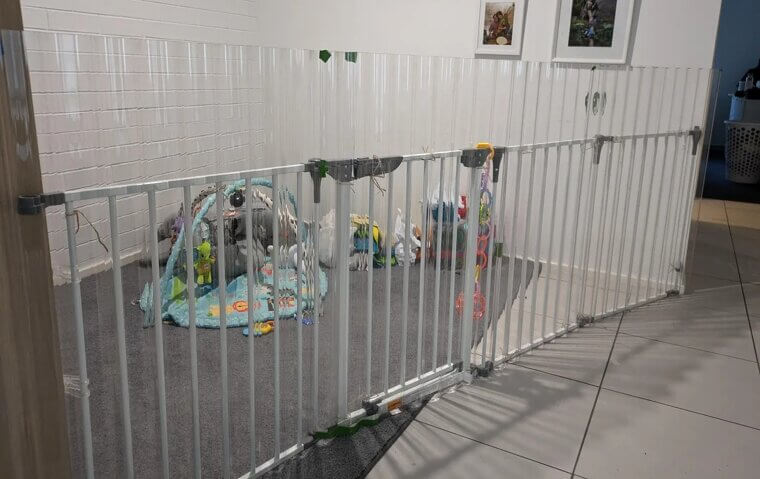
Adults were expected to watch closely and react quickly rather than redesign the space. Today’s baby-proofed homes, with foam bumpers, locked drawers, and toilet lid latches, would have seemed overly fussy to many ‘70s parents.
Unprotected Playgrounds
Playgrounds are always a risk, but children are far less likely to get hurt on today’s soft rubber surfaces and plastic apparatus than the concrete-and-metal contraptions of the 1970s! The slide burns alone would be enough to have today’s parents campaigning for better safety. Back then, towering metal jungle gyms, spinning merry-go-rounds, and seesaws with no shock absorbers were the norm.
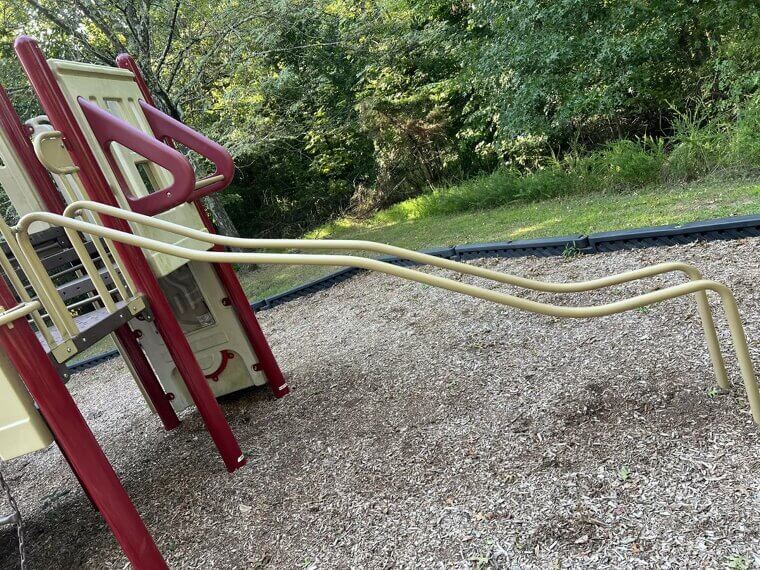
Kids regularly hopped off moving equipment, jumped from dizzying heights, and compared bruises afterward. These days, safety standards emphasize lower heights, softer landings, and careful inspections, not the thrill of surviving another daring leap.
No Allergy Awareness
Allergies, what are those? At least, that’s what many parents might have said 50 years ago. They didn’t have our widespread allergy awareness, so kids freely shared treats without knowing what they were allergic to. Now, schools and parents alike check for everything. Peanut butter sandwiches, homemade cupcakes, and mystery casseroles were passed around at parties with barely a second thought.

Few parents carried emergency medications, and ingredient labels were nowhere near as detailed. Today, allergy lists, classroom bans, and careful meal planning are standard, reflecting just how dramatically attitudes toward food safety have changed.
Unlocked Medicine Cabinets
Unlocked medicine cabinets are recognized as a recipe for disaster now, but that wasn’t always the case. ‘70s parents were more hands-off in general, so they might not have noticed their children getting hold of pills or other dangerous products. Bottles often came without child-resistant caps, and bright tablets could easily be mistaken for candy by curious little ones.
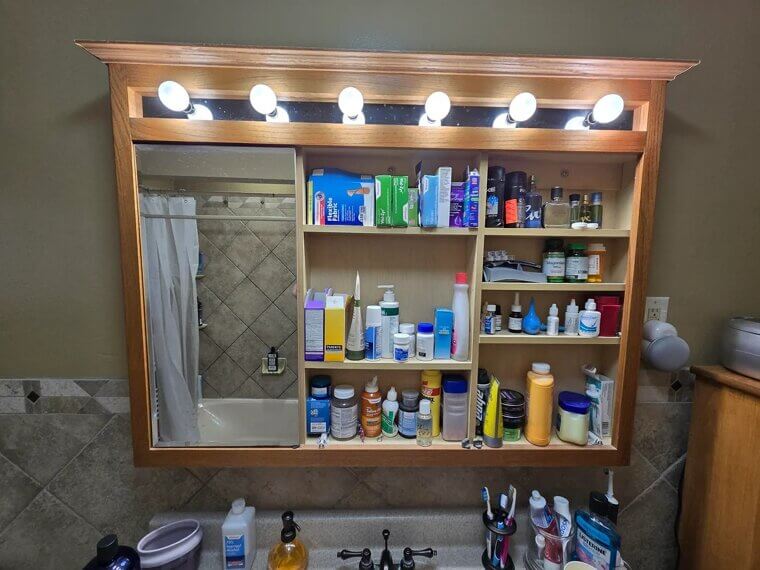
Instead of locking everything away, adults simply warned kids not to touch and hoped they listened. Nowadays, medications are stored high, hidden, and secured, with constant reminders about poison control and safe storage.
“Walking Off” Injuries
Anybody who was young in the 1970s or ‘80s likely heard the phrase “walk it off” at least once. If there wasn’t any blood or broken bones, it wasn’t a cause for concern, and the kids kept playing. Nowadays, parents would probably seek medical attention just in case. Twisted ankles, hard falls, and painful knocks were brushed aside as character-building experiences rather than reasons to rest.

Today’s parents, more aware of concussions and hidden injuries, are far more likely to pause the game and call a doctor or nurse for reassurance.
Poor Nutrition
Sugary cereals, TV dinners, and soda were staples in many ‘70s homes. Nutrition wasn’t as widely preached as it is now, and schools weren’t exactly health-conscious, either. But now, healthy snacks, organic produce, and sugar limits ensure that children have better diets. Kids might start their mornings with marshmallow-filled cereals, enjoy processed lunches, and finish the day with frozen entrées in front of the television.

Few families read ingredient lists or worried about added sugars and preservatives. Today, parents debate whole grains, balanced lunches, and screen-free dinners, hoping to teach lifelong healthy habits.
Latchkey Kids
Gen X is known as the “latchkey generation” for a reason! Their parents were often still at work when they finished school, but instead of arranging babysitters, they gave the kids keys and encouraged independence. Now, it’s unthinkable for a young child to go home alone. Children would let themselves in, make a snack, and watch television or do homework until an adult showed up hours later.
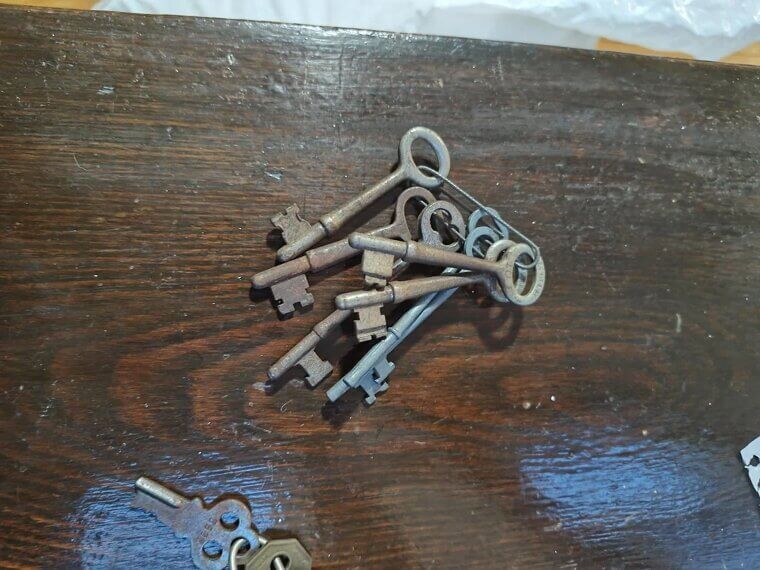
There were no constant check-in texts, security cameras, or neighbor group chats reassuring anxious parents. Today, organized after-school programs and supervised care have replaced that unsupervised free time.
Babysitting Younger Siblings
Babysitting your siblings isn’t abnormal nowadays, but having kids as young as 8 babysit multiple other children would be a cause for concern. In the 1970s, there were few laws discouraging this, so it was normal to leave minors in charge of the house. Older siblings handled bedtime routines, snacks, and basic discipline while parents worked late or went out.

Emergency numbers might be scribbled on the fridge, but professional sitters were considered unnecessary. Today, many parents insist on older teen sitters, background checks, and detailed safety instructions before leaving kids at home.
Children Cooking
All children should learn to cook, but not quite like they did back in the ‘70s! Latchkey kids would often make their own dinners while their parents were out, even though this risked causing injury or house fires. Today, parents are firmly in control of the kitchen. Young chefs experimented with hot stoves, sharp knives, and bubbling pots with minimal oversight, sometimes following box instructions, sometimes just guessing.

Burned fingers and overcooked meals were part of the learning curve. These days, kid-friendly cooking usually happens under close supervision, using safer tools and carefully chosen recipes.
Walking Home Alone
Our ideas about safety have changed dramatically since 1970 because parents never used to worry about their young children walking home alone. In fact, they encouraged it. Today, parents either accompany their young kids anywhere outside or arrange for supervision. Kids might walk several blocks, cross busy streets, and detour to the park without checking in once. The journey itself was seen as a chance to build confidence and independence, not something inherently dangerous.

Now, carpools, supervised buses, and designated pick-up zones reflect much stricter expectations around children moving through public spaces.
Climbing Trees
Climbing trees was a classic ‘70s pastime, even if it meant scrapes, cuts, or broken bones. Parents encouraged their kids to get outside and explore nature. But now, parents are more risk-averse, fearing injuries and lawsuits, so most discourage risky play. Children would race to the highest branches, build makeshift forts, and dangle their legs over the edges without safety harnesses. Falling was practically considered part of the experience.

Today, many adults steer kids toward organized sports or safer playground structures instead, worrying that one bad fall could bring serious harm or legal trouble.