Staying Home Alone
Sometimes, latchkey kids in the ‘70s were left alone at home even when their parents weren’t working. The parents would run errands or meet friends while their kids amused themselves. Now, there are strict guidelines about the minimum age at which a child can be left alone. Back then, neighbors might peek in occasionally, but there was little formal oversight or worry about what could go wrong.
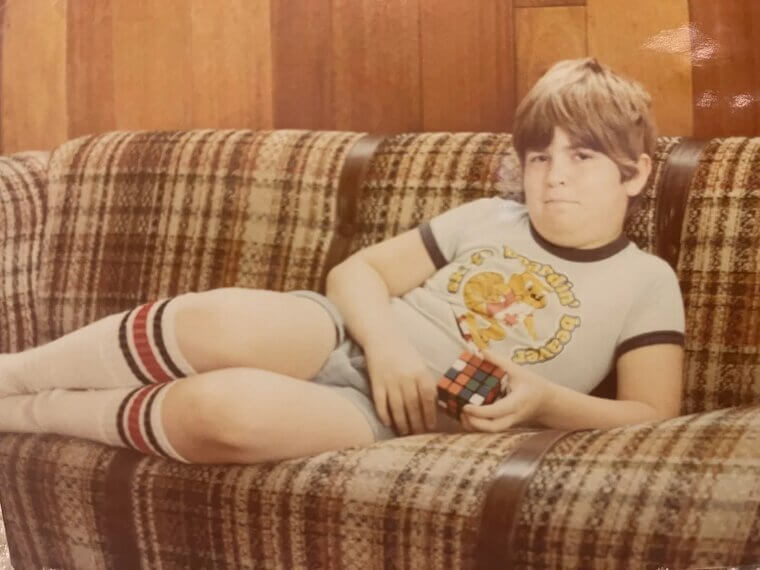
Parents assumed kids would be fine as long as the doors were locked and emergency numbers were nearby, trusting them to handle boredom and minor mishaps.
Drinking From the Hose
Running around on hot days is thirsty work, but instead of getting a cold drink from the kitchen like today’s children, ‘70s kids would drink from the garden hose instead. Nobody worried about germs, bacteria, or chemicals, and it was actually a fun pastime for siblings to share. The water might have tasted slightly metallic or warm at first, but that was part of the charm, not a cause for concern.

Parents rarely rushed out with labeled water bottles or filtered pitchers, assuming tap water straight from the hose was perfectly safe refreshment.
Lax Media Rules
Age-restricted movies and TV shows were around in the 1970s, but many parents didn’t worry about them. Children had far freer access to violent or scary content, with minimal parental controls. Nowadays, parents monitor the media that their kids consume far more strictly. Back then, kids might sit through late-night horror flicks, gritty cop dramas, or suggestive sitcoms right beside the adults.

Ratings were more like loose guidelines than hard rules, and there were no streaming passwords or kid profiles. Today’s emphasis on age-appropriate content would have seemed overly cautious.
Riding Without a Seatbelt
It would be unthinkable today, but back in the 1970s, it was normal for both children and adults to ride in cars without a seatbelt. Some kids would even ride in pickup truck beds! Nowadays, strict seatbelt laws would make that unthinkable and illegal for most parents. Families would pile into the backseat, lie across laps, or even stretch out on the floor during long road trips.
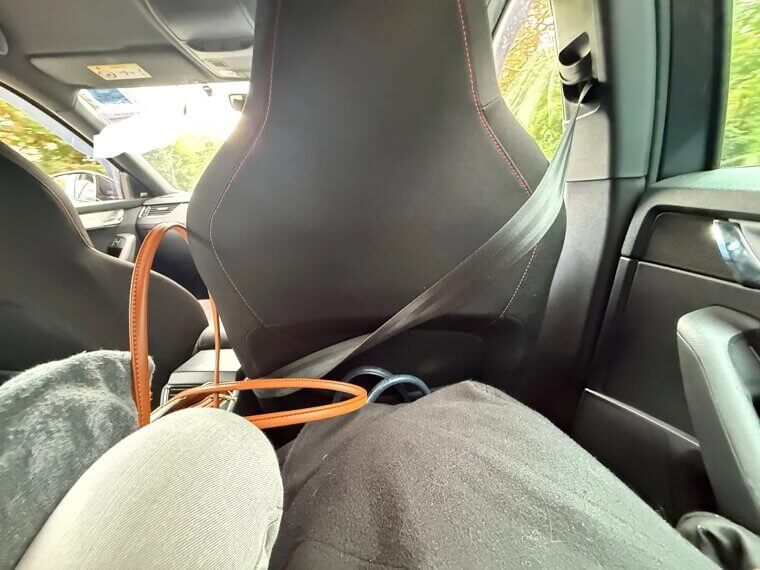
Many cars didn’t have proper restraints for every passenger, and few people saw that as an urgent problem. Today, car seats, boosters, and click-in belts are non-negotiable.
No Curfew
Curfews may seem like something created by overbearing parents, but imagine your kids playing out until the early hours of the morning? Back in the ‘70s, parents just trusted that their children would eventually return. That would be unimaginable now. Streetlights flicking on were often the only signal that it was time to start heading home, and even that rule was flexible.
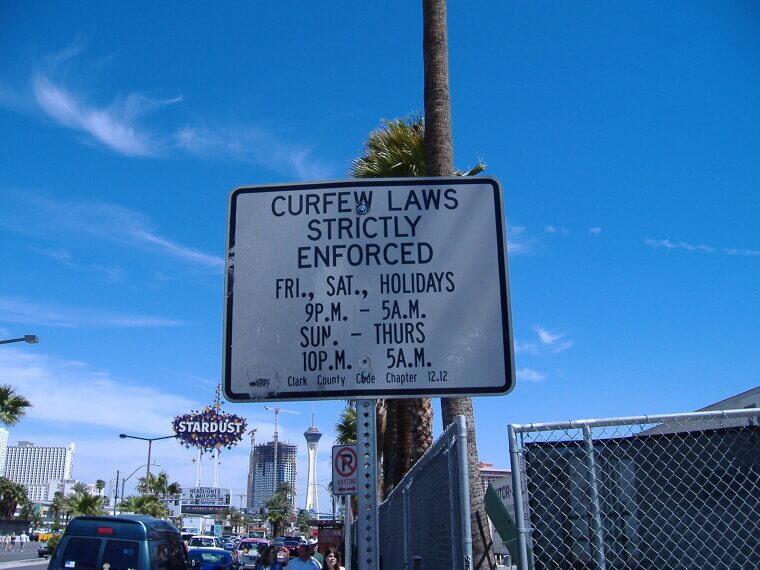
Parents might not know which friend’s yard their children were in or which neighborhood they’d wandered to that night. Today, constant check-ins and group chats have replaced that freedom.
Lack of Babyproofing
Babies have always been mischievous, but in the 1970s, parents relied more on supervision than safety products. It would be relatively uncommon to find baby gates, cabinet locks, or outlet covers in houses 50 years ago, though most parents wouldn’t go without them now. Sharp table corners, open staircases, and accessible cleaning supplies were simply part of the home environment.
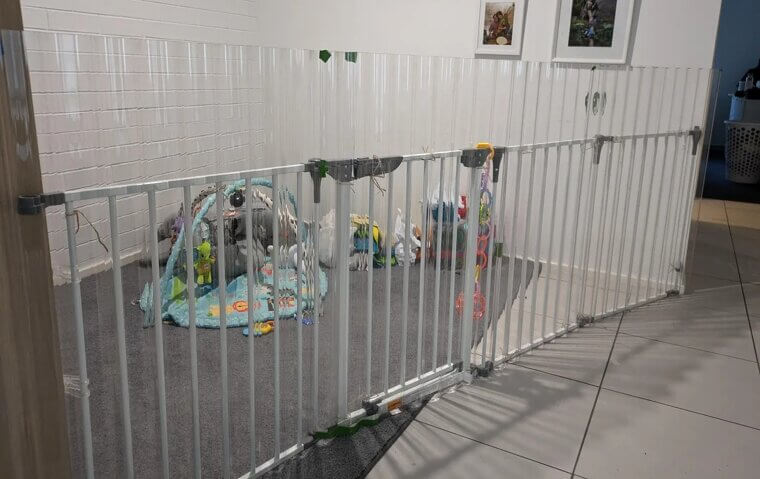
Adults were expected to watch closely and react quickly rather than redesign the space. Today’s baby-proofed homes, with foam bumpers, locked drawers, and toilet lid latches, would have seemed overly fussy to many ‘70s parents.
Unprotected Playgrounds
Playgrounds are always a risk, but children are far less likely to get hurt on today’s soft rubber surfaces and plastic apparatus than the concrete-and-metal contraptions of the 1970s! The slide burns alone would be enough to have today’s parents campaigning for better safety. Back then, towering metal jungle gyms, spinning merry-go-rounds, and seesaws with no shock absorbers were the norm.
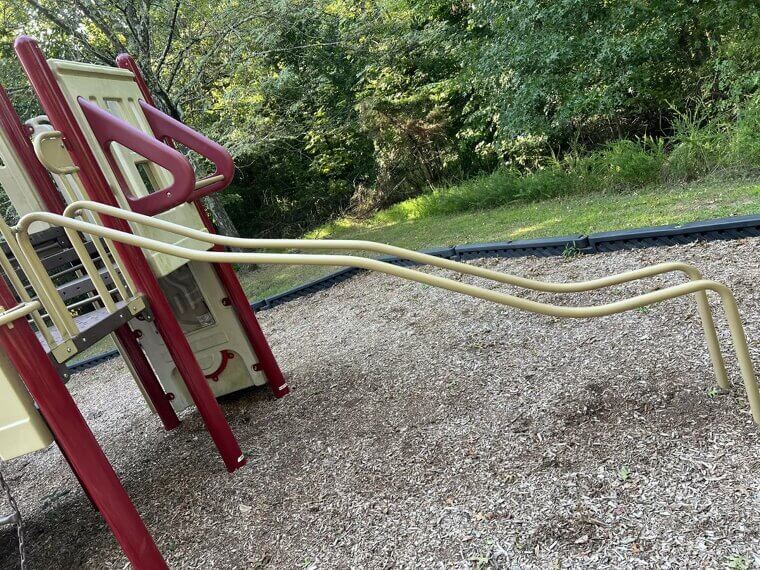
Kids regularly hopped off moving equipment, jumped from dizzying heights, and compared bruises afterward. These days, safety standards emphasize lower heights, softer landings, and careful inspections, not the thrill of surviving another daring leap.
No Allergy Awareness
Allergies, what are those? At least, that’s what many parents might have said 50 years ago. They didn’t have our widespread allergy awareness, so kids freely shared treats without knowing what they were allergic to. Now, schools and parents alike check for everything. Peanut butter sandwiches, homemade cupcakes, and mystery casseroles were passed around at parties with barely a second thought.

Few parents carried emergency medications, and ingredient labels were nowhere near as detailed. Today, allergy lists, classroom bans, and careful meal planning are standard, reflecting just how dramatically attitudes toward food safety have changed.
Unlocked Medicine Cabinets
Unlocked medicine cabinets are recognized as a recipe for disaster now, but that wasn’t always the case. ‘70s parents were more hands-off in general, so they might not have noticed their children getting hold of pills or other dangerous products. Bottles often came without child-resistant caps, and bright tablets could easily be mistaken for candy by curious little ones.
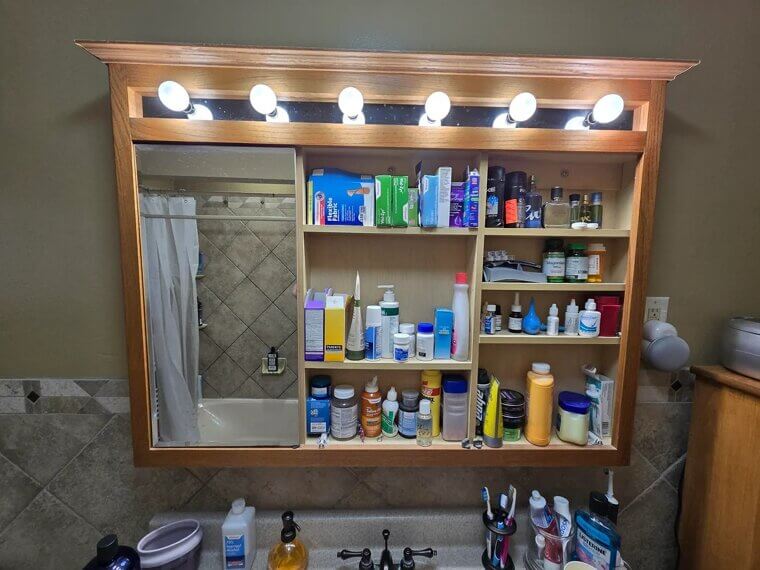
Instead of locking everything away, adults simply warned kids not to touch and hoped they listened. Nowadays, medications are stored high, hidden, and secured, with constant reminders about poison control and safe storage.
“Walking Off” Injuries
Anybody who was young in the 1970s or ‘80s likely heard the phrase “walk it off” at least once. If there wasn’t any blood or broken bones, it wasn’t a cause for concern, and the kids kept playing. Nowadays, parents would probably seek medical attention just in case. Twisted ankles, hard falls, and painful knocks were brushed aside as character-building experiences rather than reasons to rest.

Today’s parents, more aware of concussions and hidden injuries, are far more likely to pause the game and call a doctor or nurse for reassurance.