Before open-concept kitchens and smart appliances took over, American homes were filled with objects that were unapologetically bold, colorful, and built to last. The 50s and 60s had a design language all their own — and some of it is worth serious money today.
The Classic Rotary Dial Telephone
You’ve probably seen one hanging on a diner wall or in a grandparent’s hallway — that heavy black handset, the satisfying click-click-click of the dial spinning back. Rotary phones were standard issue in American homes from the late 40s through the 70s, and they were built like tanks. Western Electric made millions of them. A basic black model in working condition fetches $30–$60 today. Colored models — especially pink or turquoise — can hit $150 or more.
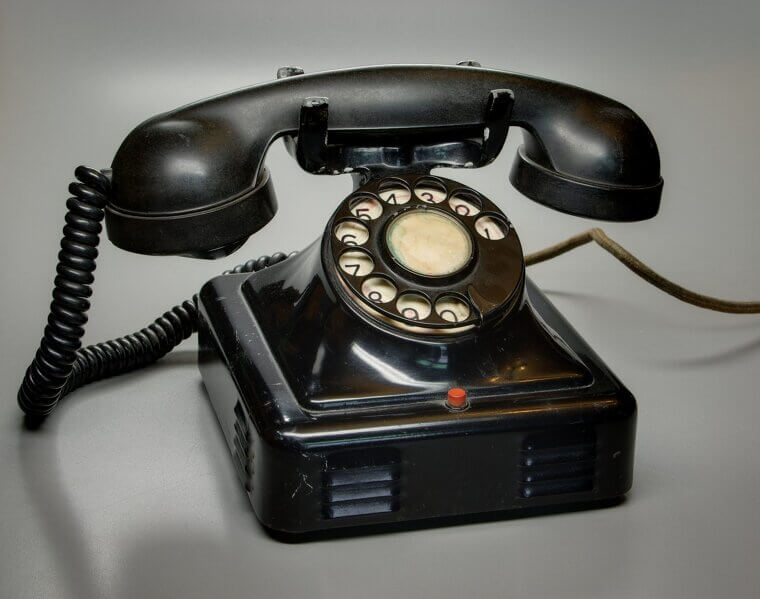
Collectors specifically hunt for two-tone models and wall-mounted versions. A working pink Western Electric 500 in original condition recently sold for $175 on eBay — not bad for something that spent decades in a junk drawer.
The Beloved Sunbeam Mixmaster Mixer
The Sunbeam Mixmaster was the KitchenAid of its era — every serious home cook either owned one or wanted one. Introduced in 1930 but hitting peak popularity in the 50s, it came with a dozen attachments and a chrome finish that stayed shiny for decades. These mixers were handed down like heirlooms. Many still run perfectly today, which is more than you can say for some modern appliances. A clean, working Mixmaster in original chrome sells for $45–$120 at antique shops.
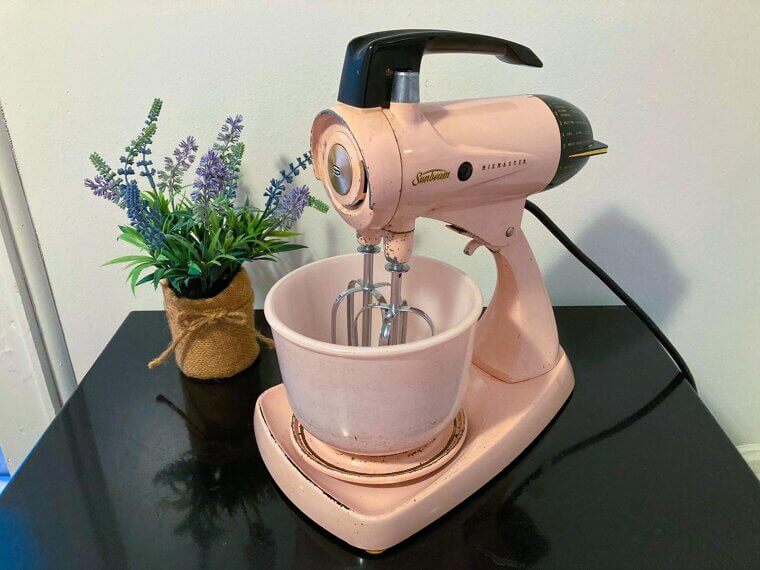
Replacement bowls and beaters are still manufactured, meaning a 60-year-old Mixmaster can be fully restored to working order. Some bakers swear the old motor runs smoother than anything made today.
Avocado Green Appliances in Kitchens
Someone in the late 50s looked at a color wheel, pointed at avocado green, and said: put it on everything. Refrigerators, stoves, dishwashers, blenders — if it plugged in, it came in avocado. The shade was so dominant that appliance manufacturers offered it as a standard option well into the 70s. Here’s the twist: avocado green appliances are genuinely collectible now. A vintage avocado Westinghouse refrigerator in working condition can bring $400–$800 from mid-century modern enthusiasts who want the full period-accurate kitchen.
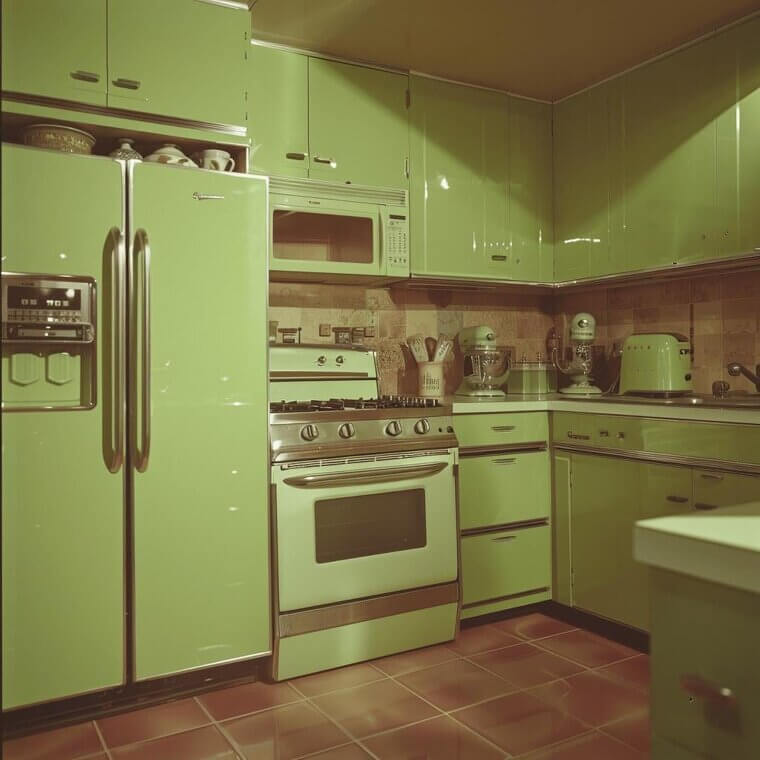
Restoration Hardware and several boutique appliance brands have released modern appliances in ‘retro green’ colorways — a direct nod to the avocado era. What was once a punchline is now a design statement.
The Trusty Wringer Washing Machine
Before the automatic washer took over, the wringer machine was how laundry got done — and it was serious work. You fed wet clothes through two rubber rollers that squeezed the water out, then hung everything on a line. These machines were built from cast iron and steel and weighed as much as a small car. Many are still functional. Maytag and Speed Queen made the most iconic versions. A restored wringer washer in working order sells for $150–$350 and is popular with off-grid homesteaders who appreciate the zero-electricity spin cycle.
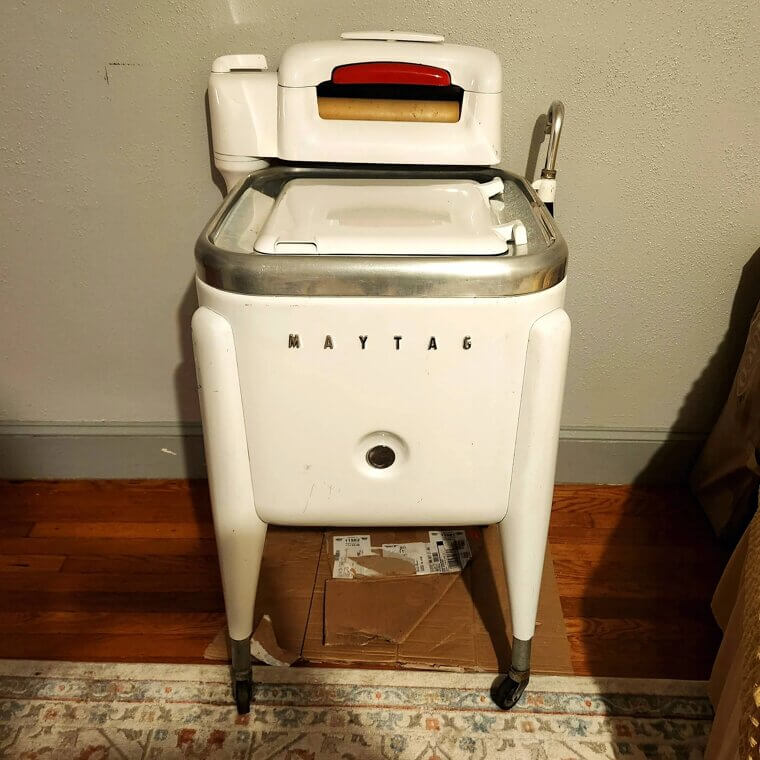
Wringer washers used about one-third the water of early automatic machines. That efficiency is exactly why a small but dedicated community of modern homesteaders still uses them daily.
Formica Countertops in Pastel Colors
Formica didn’t just cover countertops — it transformed the American kitchen. In the 50s, it came in pink, mint green, butter yellow, and coral, often with boomerang or starburst patterns pressed into the surface. It was cheap, easy to clean, and looked cheerful under fluorescent light. The irony is that original Formica in good condition is now actively sought by renovators doing period-accurate restorations. New old-stock pastel Formica sheets, when they surface at salvage yards, sell quickly at $15–$40 per linear foot.
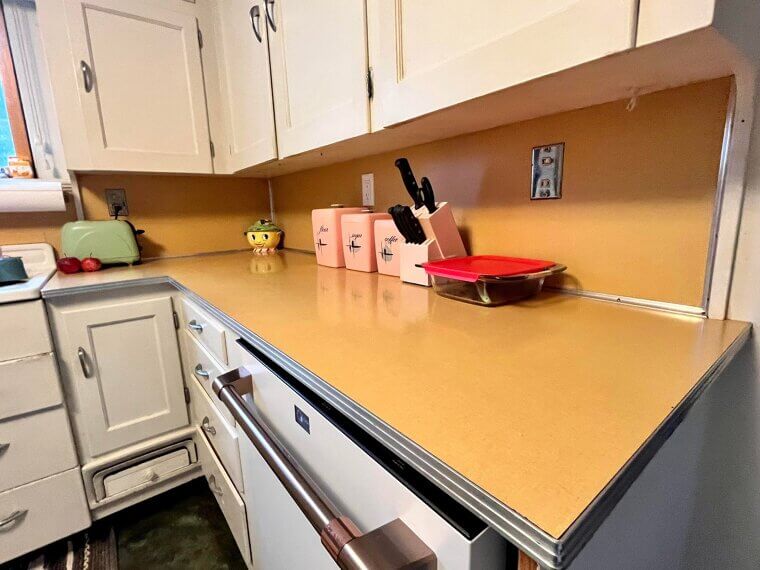
Wilsonart and Formica Group both manufacture reproduction patterns based on their 50s archives. If you want the boomerang print today, you can actually get it — and it’s not cheap.
The Elegant Vanity Dressing Table
Every bedroom in a well-appointed 50s home had one: a kidney-shaped or rectangular vanity table with a trifold mirror, a padded stool, and enough surface space for every perfume bottle, powder puff, and cold cream jar a woman owned. These were functional furniture and a daily ritual space rolled into one. Mahogany and walnut versions with original mirrors and matching stools are the most valuable. A complete set in good condition — table, mirror, stool — regularly sells for $250–$600 at auction.
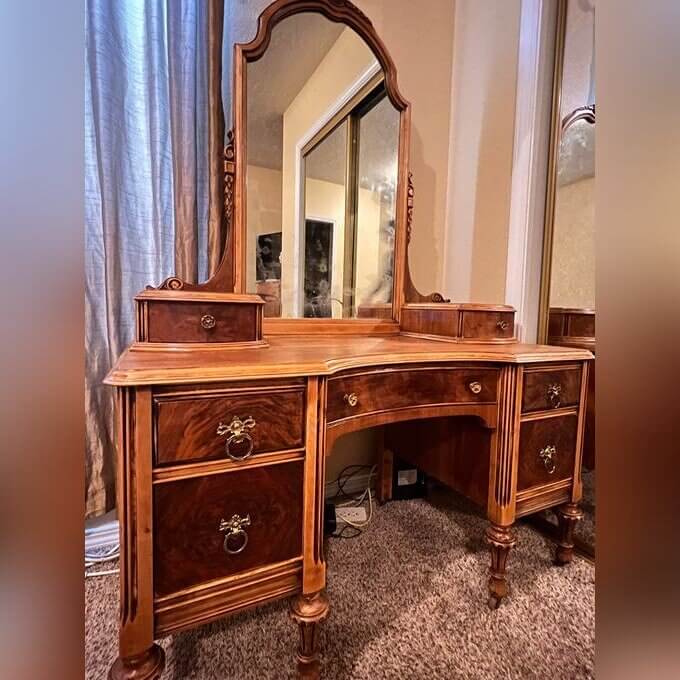
The kidney-shaped vanity specifically has become a mid-century collector’s item. Reproductions sell for $400+ new, which means original vintage pieces in good shape are often the better deal.
Milk Glass Vases on Every Shelf
Milk glass — that opaque, slightly translucent white pressed glass — was everywhere in mid-century homes. Vases, candy dishes, lamp bases, compotes, and planters in milk glass sat on shelves, mantels, and windowsills across America. Fenton Art Glass and Anchor Hocking were the biggest producers. Individual pieces are still very affordable: most sell for $5–$25 at thrift stores and estate sales. But complete sets and rare colored milk glass pieces — especially in pink or black — can surprise you at auction.
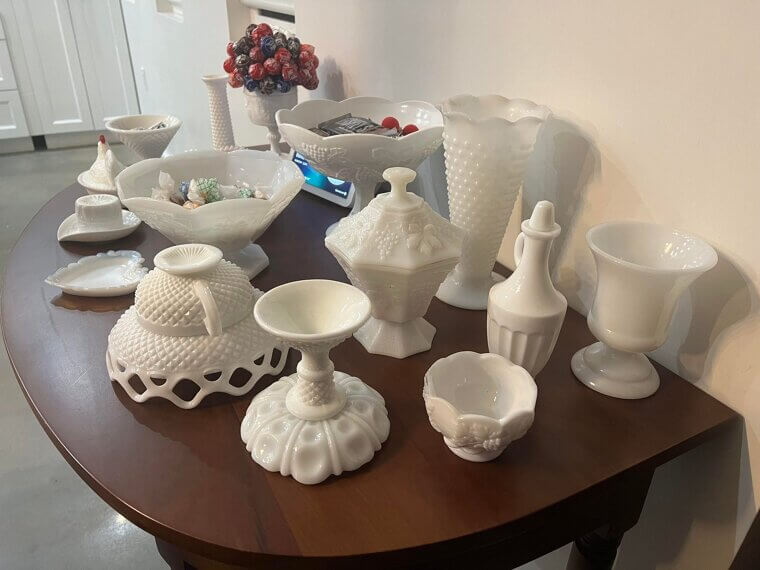
A rare Fenton milk glass epergne — a multi-arm centerpiece — sold at a 2023 auction for $320. Most milk glass is still a bargain, but knowing the makers and molds matters enormously.
The Iconic Sunburst Wall Clock
Would you pay three figures for a clock that doesn’t even have numbers on its face? Plenty of people will. The sunburst wall clock — with its starburst of brass, gold, or teak spokes radiating from a small central dial — became the defining decorative object of the late 50s. Howard Miller made the most coveted versions, some designed by George Nelson. A standard sunburst clock sells for $75–$150. A verified George Nelson design for Howard Miller? That’s a different conversation entirely — think $400 to $1,200.
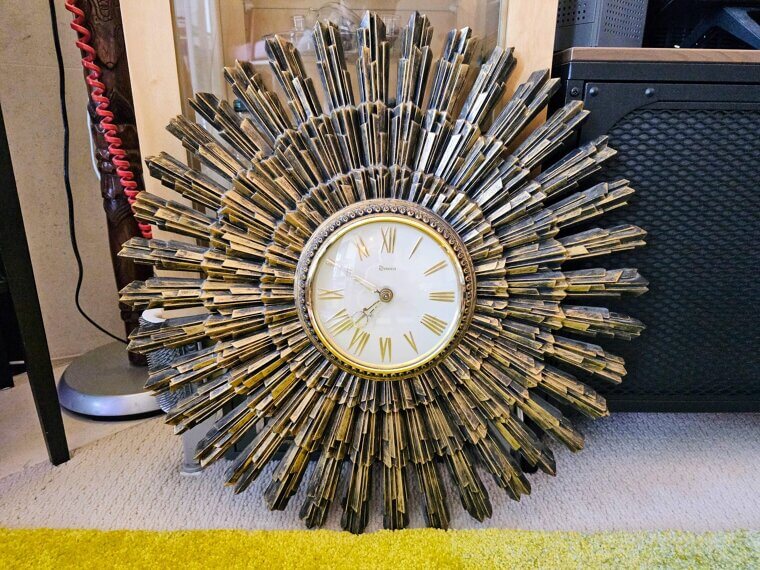
George Nelson’s ‘Asterisk’ and ‘Ball’ clocks for Howard Miller are now displayed in design museums. Original examples with intact spokes and working movements regularly appear at major auction houses.
Shag Carpet in Every Living Room
Picture this: a living room floor buried under three inches of rust-orange or harvest gold carpet, so thick your feet disappeared. Shag carpet arrived in American homes in the late 50s and absolutely refused to leave for two decades. It was aspirational — a sign that you could afford something luxurious and impractical. Today it’s back in a big way. Interior designers are specifying high-pile wool shag for modern spaces, and vintage shag remnants in good condition sell at estate sales for surprisingly strong prices.
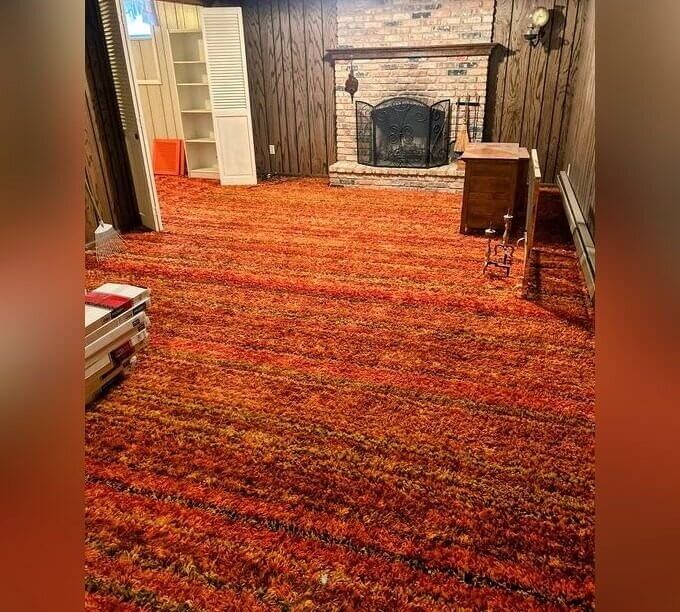
New shag carpet styled after 60s originals now runs $8–$20 per square foot from specialty retailers. The irony? Homeowners who ripped it out in the 80s are paying to put it back in today.