Throwing Old Furniture Off High-Rise Balconies
In Johannesburg’s inner-city neighborhood of Hillbrow, some residents developed a notorious New Year’s Eve habit: literally tossing old furniture out of tower-block windows at midnight. Everything from chairs to fridges reportedly rained down on the streets as a dramatic way to “clear out the old” before January 1. Police have spent years cracking down on the custom because, unsurprisingly, it’s extremely dangerous.

Today the tradition survives mostly as a cautionary tale and occasional incident, rather than an accepted way to celebrate the new year.
Pouring Molten Lead to Read Your New Year’s Fate
For generations in Germany and parts of Central Europe, people practiced Bleigießen—“lead pouring”—on New Year’s Eve. Small pieces of lead were melted over a candle, then poured into cold water, where they hardened into bizarre shapes. Those shapes were interpreted like fortune cookies for the year ahead. Modern safety standards and EU rules effectively banned lead-based kits in 2018 because of toxic exposure risks.
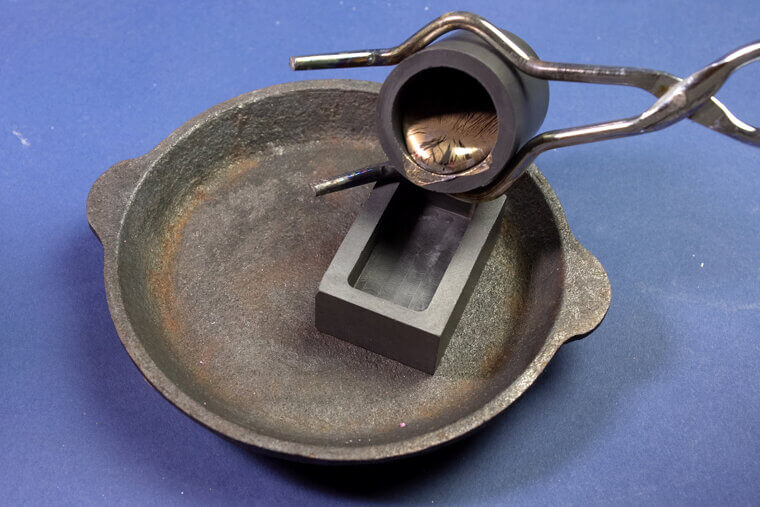
Naturally, many shops stopped selling them. Today, a few families use safer wax or tin alternatives, but the traditional lead version is largely a thing of the past.
Holding a Funeral for the Old Year
Some 19th-century families and churches treated December 31 almost like a funeral. People gathered to read somber poems such as Tennyson’s “The Death of the Old Year,” listened to reflective sermons, and mourned the passing of time before midnight turned everything “new.” These events could include black clothing, candlelight, and long, serious speeches about mortality—basically the opposite of today’s glittery countdown parties.
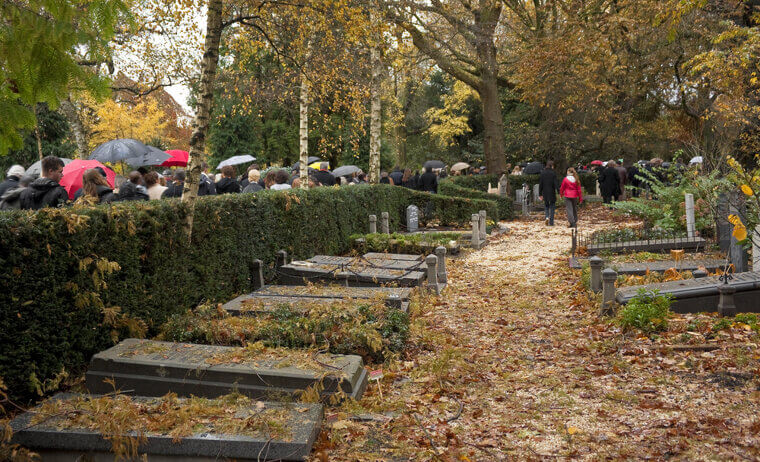
While echoes remain in some religious services, the overtly funereal tone has mostly vanished in favor of more upbeat “New Year, new start” messaging.
Doing a Gentleman-Caller Marathon on New Year’s Day
In 19th-century New York and some other American cities, respectable young men spent New Year’s Day “calling” on as many households as possible. They dressed formally, traveled from parlor to parlor, left calling cards, exchanged brief pleasantries, and often drank a small toast at each stop. Women remained at home to receive the endless stream of visitors, sometimes tallying dozens in a single afternoon.
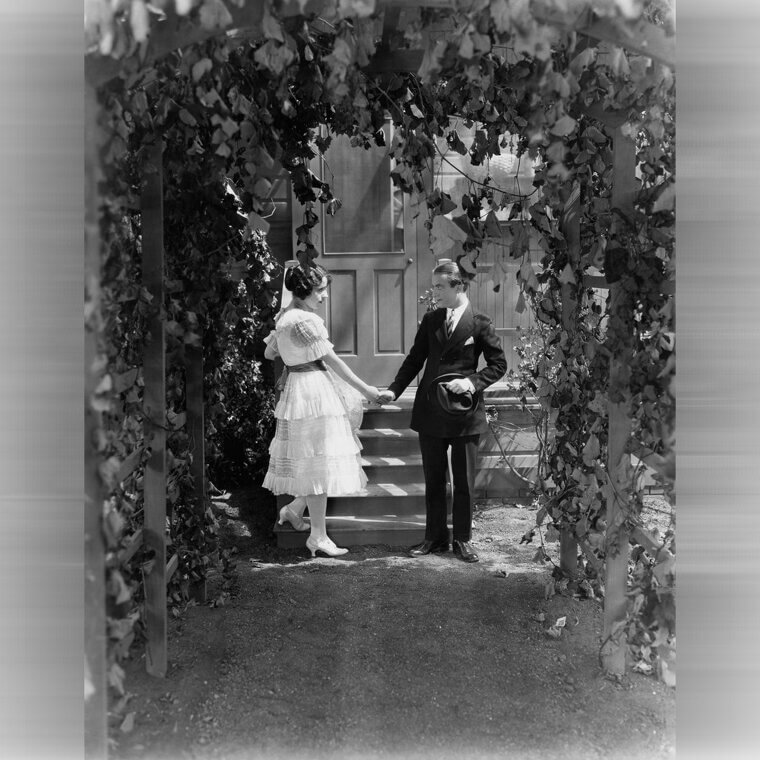
Newspapers even printed lists of which homes were “at home” for callers. The custom faded by the early 20th century as urban life changed and informal socializing became more common.
Sending New Year Cards Covered in Dead Birds
Victorian greeting cards for Christmas and New Year were often downright creepy by modern standards. Some popular designs featured dead birds lying in snow, bizarre anthropomorphic frogs, or unsettling insects paired with sentimental wishes for a “Happy New Year.” Scholars think the dead birds may have symbolized sacrifice or the fragility of life. To modern eyes, they look more like horror postcards.
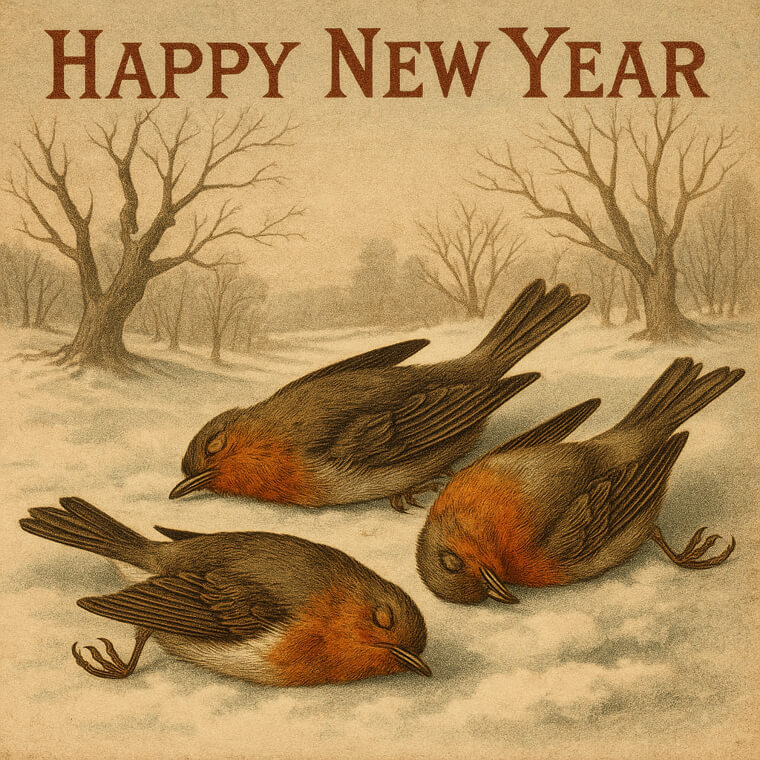
As tastes shifted toward jolly Santas and snowy landscapes, these morbid designs quietly disappeared from seasonal stationery racks.
Refusing to Let Anything or Anyone Leave the House Before Something New Comes in First
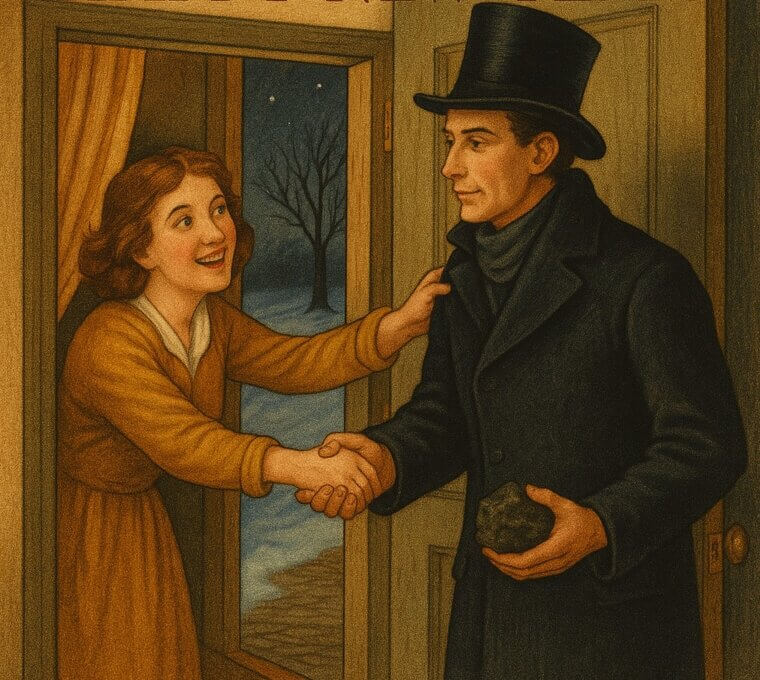
Another New Year superstition, especially in parts of Britain, warned against letting anything—trash, ashes, even a person—leave the house before something new had come in. Families might bring in a small gift or lump of coal just after midnight before taking anything outside, so the year began with gain rather than loss. In busy modern cities, few people remember timing their garbage runs around symbolic prosperity, and the rule has mostly collapsed under the weight of convenience.

At most, it lingers as a quirky story grandparents tell, rather than a household rule anyone seriously tries to follow.
Panicking If a Woman or a Blonde Man Was First Through the Door
A particularly sexist twist on first-footing held that a woman entering first after midnight brought bad luck for the year. Some Victorian households reportedly went to absurd lengths to make sure a male neighbor or relative crossed the threshold before any female family members, even if it meant staging a midnight visit. The superstition reflected anxieties about gender and “change” in the new year.
As social attitudes shifted and the custom itself faded, this specific fear largely disappeared with it—thankfully, surviving now mainly in nostalgic anecdotes and folklore collections.
Dragging a Tall Dark Stranger In as Your First-Footer
In Scotland and parts of northern England, traditional “first-footing” meant that the first person to cross your threshold after midnight shaped your luck for the year. Ideally, you wanted a tall, dark-haired man carrying gifts like coal, bread, whisky, or a special fruit cake called black bun. Blonde or red-haired visitors, or—superstitiously—women, were sometimes seen as unlucky. In many places, first-footing has dwindled into a vague memory or occasional reenactment rather than a serious midnight strategy.
Today, a few Scottish communities still mark Hogmanay with symbolic “first-footers” or local parades, but the superstition survives mostly as lighthearted folklore and tourist-friendly tradition.