Throwing Old Furniture Off High-Rise Balconies
In Johannesburg’s inner-city neighborhood of Hillbrow, some residents developed a notorious New Year’s Eve habit: literally tossing old furniture out of tower-block windows at midnight. Everything from chairs to fridges reportedly rained down on the streets as a dramatic way to “clear out the old” before January 1. Police have spent years cracking down on the custom because, unsurprisingly, it’s extremely dangerous.
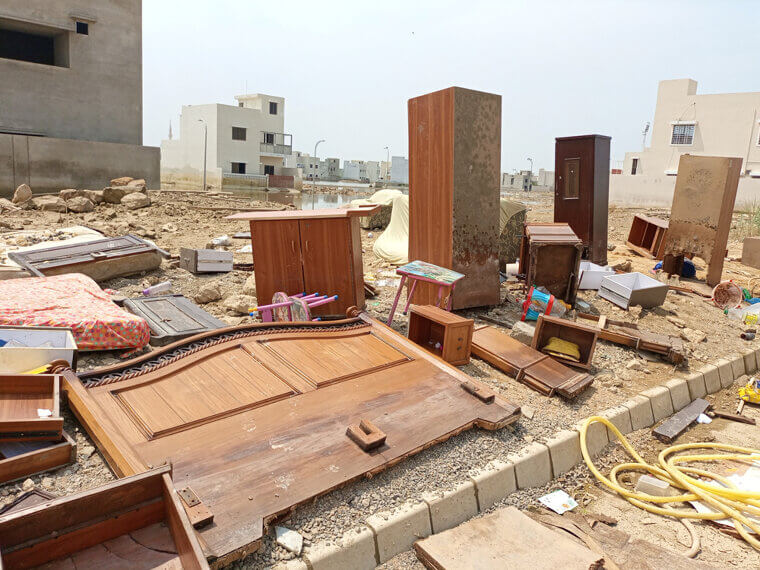
Today the tradition survives mostly as a cautionary tale and occasional incident, rather than an accepted way to celebrate the new year.
Pouring Molten Lead to Read Your New Year’s Fate
For generations in Germany and parts of Central Europe, people practiced Bleigießen—“lead pouring”—on New Year’s Eve. Small pieces of lead were melted over a candle, then poured into cold water, where they hardened into bizarre shapes. Those shapes were interpreted like fortune cookies for the year ahead. Modern safety standards and EU rules effectively banned lead-based kits in 2018 because of toxic exposure risks.
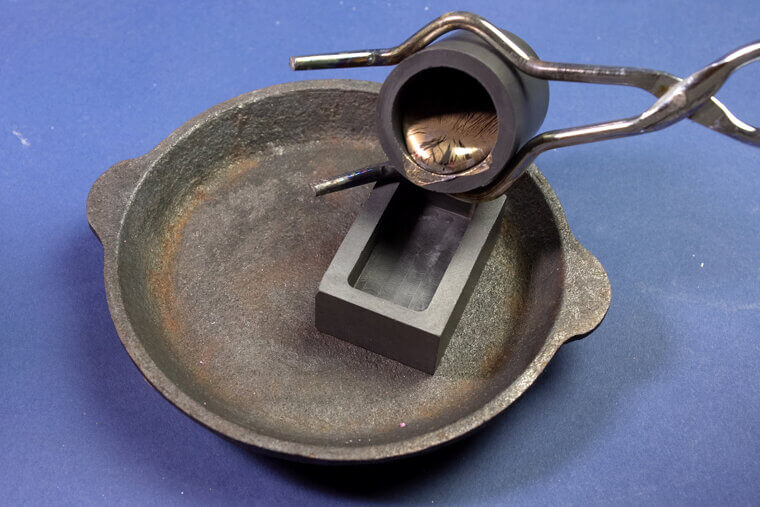
Naturally, many shops stopped selling them. Today, a few families use safer wax or tin alternatives, but the traditional lead version is largely a thing of the past.
Holding a Funeral for the Old Year
Some 19th-century families and churches treated December 31 almost like a funeral. People gathered to read somber poems such as Tennyson’s “The Death of the Old Year,” listened to reflective sermons, and mourned the passing of time before midnight turned everything “new.” These events could include black clothing, candlelight, and long, serious speeches about mortality—basically the opposite of today’s glittery countdown parties.
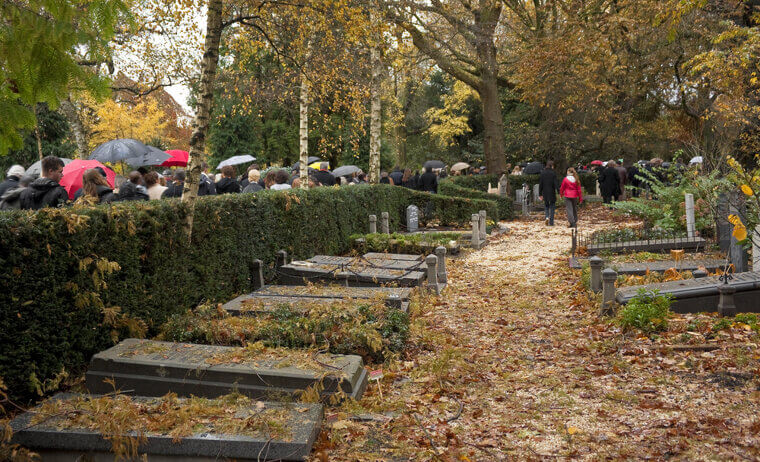
While echoes remain in some religious services, the overtly funereal tone has mostly vanished in favor of more upbeat “New Year, new start” messaging.