Somewhere in a basement, a garage, or the back of a barn, your grandfather’s tools are waiting. What looked like junk to one generation has become treasure to the next — and some of these old workhorses are quietly selling for hundreds, even thousands of dollars.
Stanley Hand Planes From the Early 1900s
Those heavy, japanned-black hand planes gathering dust on the pegboard were the backbone of every serious woodshop in the early 1900s. Stanley’s Bailey-pattern planes — the No. 4, No. 5, and especially the No. 7 jointer — were precision instruments that craftsmen saved up for and treated like heirlooms. The rosewood totes and knobs darkened with decades of linseed oil and honest sweat. Today, a pre-1940s Stanley in original condition with intact japanning can fetch $150 to $400 at auction, sometimes more.
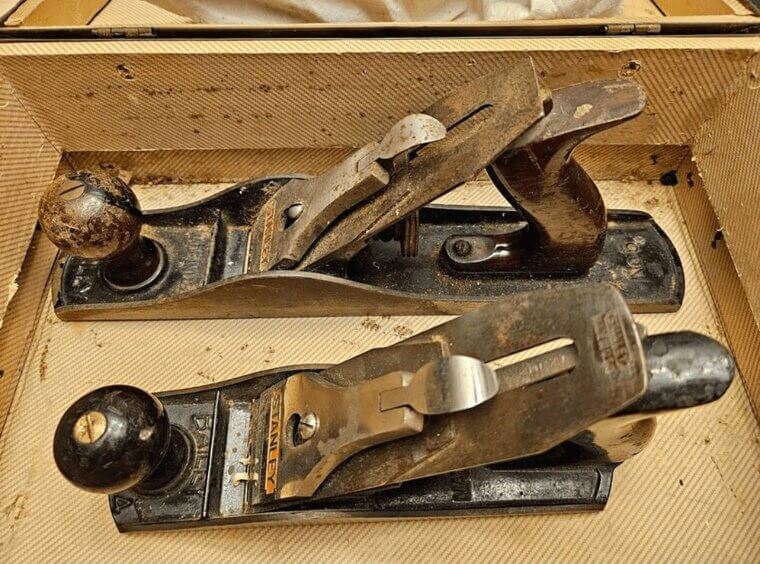
The sweet smell of aged rosewood and machine oil still clings to the best survivors. Collectors check the frog casting date and blade etch before they even pick one up.
Millers Falls Eggbeater Drills Are Collectible
Picture a Saturday morning in 1962 — a father in the garage, the transistor radio playing something by Ray Charles, reaching for the eggbeater drill instead of the electric. Millers Falls made hand drills that were engineering marvels in miniature: smooth-turning bevel gears, a hardwood handle worn to a perfect patina, and a chuck that gripped without complaint. They were the quiet workhorses before cordless drills existed. A complete Millers Falls No. 2 or No. 5 in working condition can bring $60 to $180 from collectors who still remember the sound of those spinning gears.
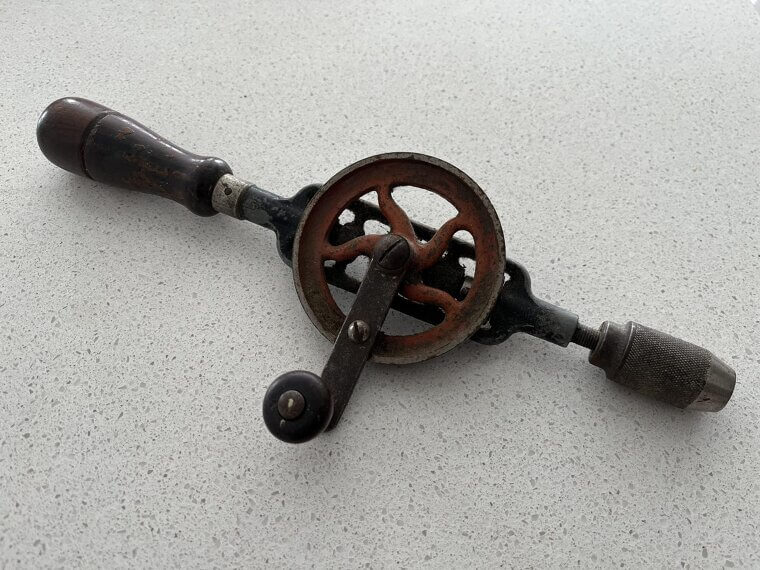
There was a satisfying whirr to a well-tuned eggbeater drill that no battery-powered tool ever matched. Some woodworkers still prefer them for delicate work.
Disston Crosscut Saws Still in Demand
Henry Disston & Sons built saws in Philadelphia the way cathedrals were built — slowly, with pride, and to last forever. A Disston crosscut saw from the 1890s through the 1940s had a hand-filed taper grind, a medallion stamped into the handle, and a ring to the steel that modern saws simply cannot replicate. Serious woodworkers in the 1970s still hunted estate sales for them, knowing a well-kept Disston outcut anything on the hardware store shelf. Clean examples with intact handles regularly sell for $75 to $250 today.
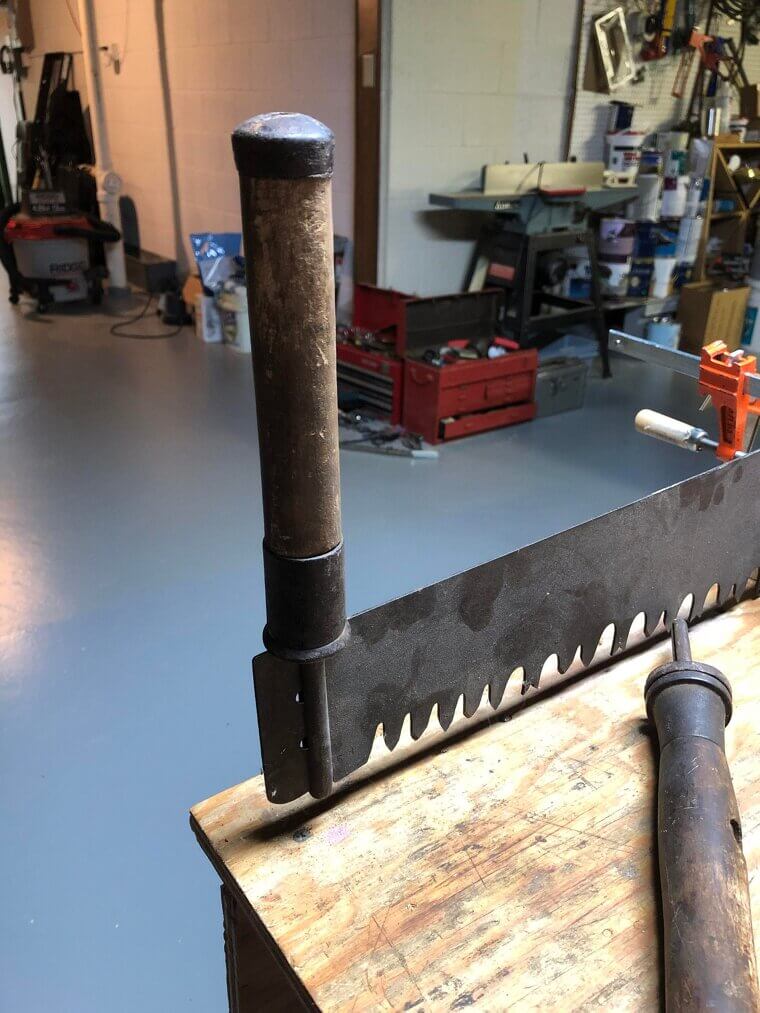
The apple-wood handles were sanded smooth as river stone. Running your thumb across a Disston medallion felt like touching a piece of American industrial history.
Old Yankee Spiral Ratchet Screwdrivers
The Yankee spiral ratchet screwdriver was the power drill of its era — a push-down, spin-fast tool that felt almost magical the first time you used one. North Brothers Manufacturing sold millions of them from the 1890s through the mid-20th century, and they showed up in every serious toolbox from the Depression era through the 1970s. The chrome-plated spiral shaft, the satisfying click of the ratchet, the bits stored right inside the hollow handle — it was elegant engineering. Original Yankee No. 30 and No. 135 sets with full bit rolls still command $80 to $200.
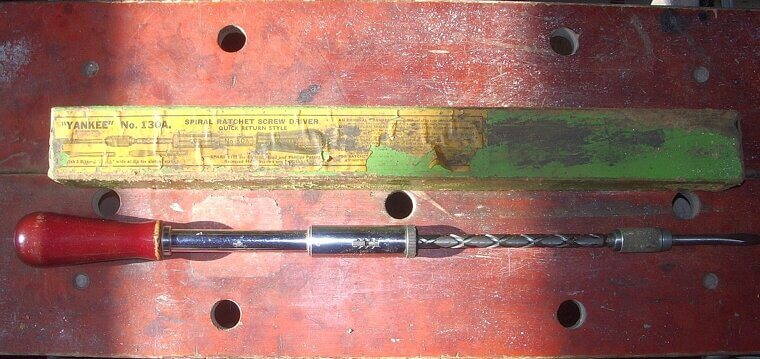
Dads handed these down like pocket watches. The ratchet click echoed in workshops from Maine to Montana, a sound that marked real work being done.