Somewhere in a basement, a garage, or the back of a barn, your grandfather’s tools are waiting. What looked like junk to one generation has become treasure to the next — and some of these old workhorses are quietly selling for hundreds, even thousands of dollars.
Stanley Hand Planes From the Early 1900s
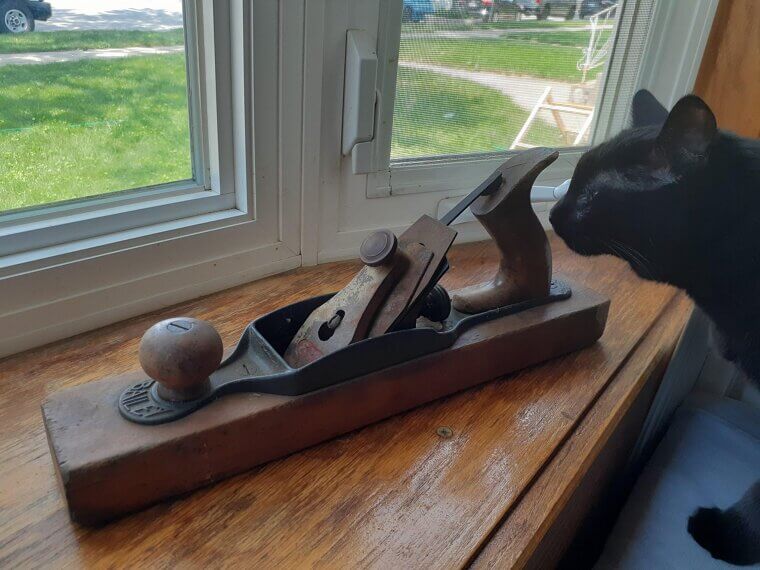
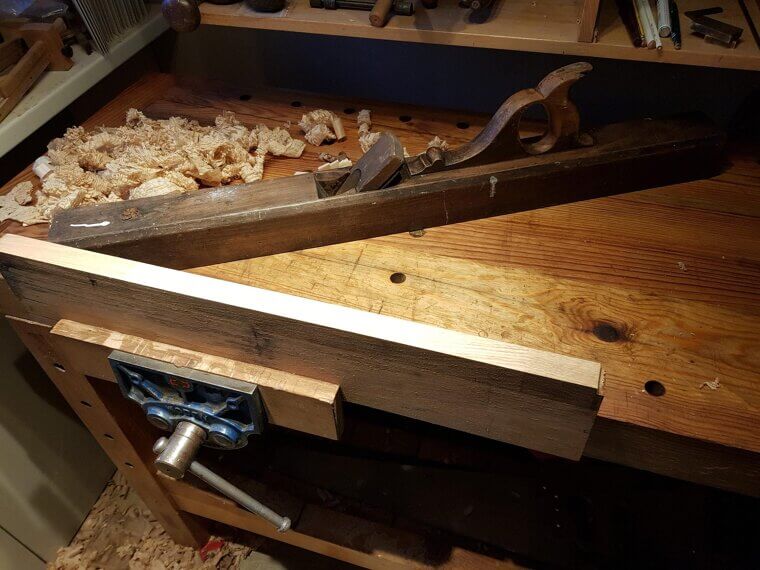
Those heavy, japanned-black hand planes gathering dust on the pegboard were the backbone of every serious woodshop in the early 1900s. Stanley’s Bailey-pattern planes — the No. 4, No. 5, and especially the No. 7 jointer — were precision instruments that craftsmen saved up for and treated like heirlooms. The rosewood totes and knobs darkened with decades of linseed oil and honest sweat. Today, a pre-1940s Stanley in original condition with intact japanning can fetch $150 to $400 at auction, sometimes more.
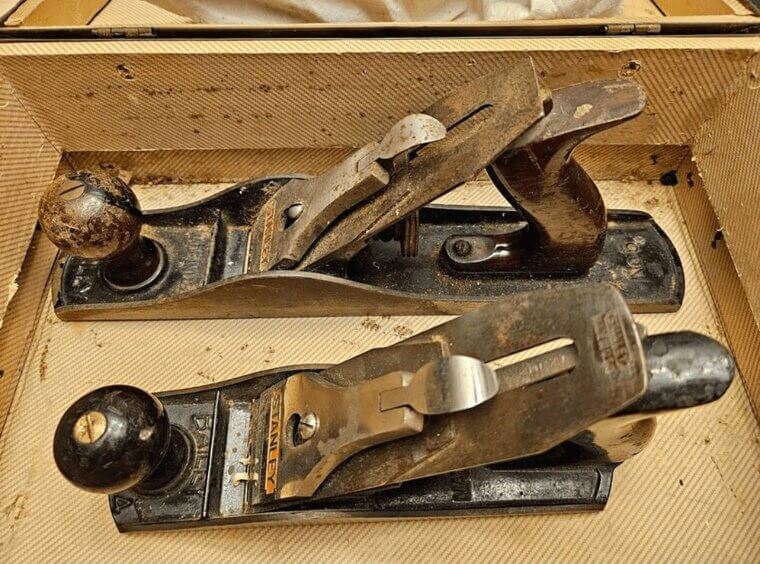
The sweet smell of aged rosewood and machine oil still clings to the best survivors. Collectors check the frog casting date and blade etch before they even pick one up.
Millers Falls Eggbeater Drills Are Collectible
Picture a Saturday morning in 1962 — a father in the garage, the transistor radio playing something by Ray Charles, reaching for the eggbeater drill instead of the electric. Millers Falls made hand drills that were engineering marvels in miniature: smooth-turning bevel gears, a hardwood handle worn to a perfect patina, and a chuck that gripped without complaint. They were the quiet workhorses before cordless drills existed. A complete Millers Falls No. 2 or No. 5 in working condition can bring $60 to $180 from collectors who still remember the sound of those spinning gears.
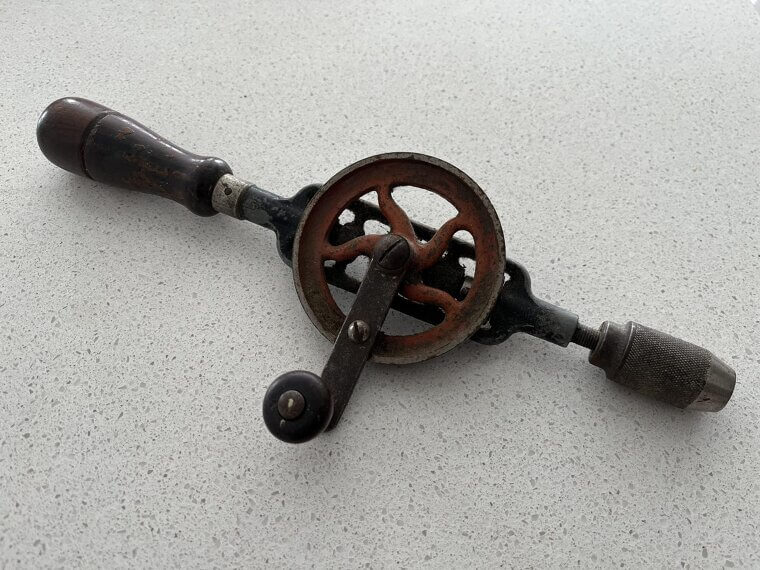
There was a satisfying whirr to a well-tuned eggbeater drill that no battery-powered tool ever matched. Some woodworkers still prefer them for delicate work.
Disston Crosscut Saws Still in Demand
Henry Disston & Sons built saws in Philadelphia the way cathedrals were built — slowly, with pride, and to last forever. A Disston crosscut saw from the 1890s through the 1940s had a hand-filed taper grind, a medallion stamped into the handle, and a ring to the steel that modern saws simply cannot replicate. Serious woodworkers in the 1970s still hunted estate sales for them, knowing a well-kept Disston outcut anything on the hardware store shelf. Clean examples with intact handles regularly sell for $75 to $250 today.
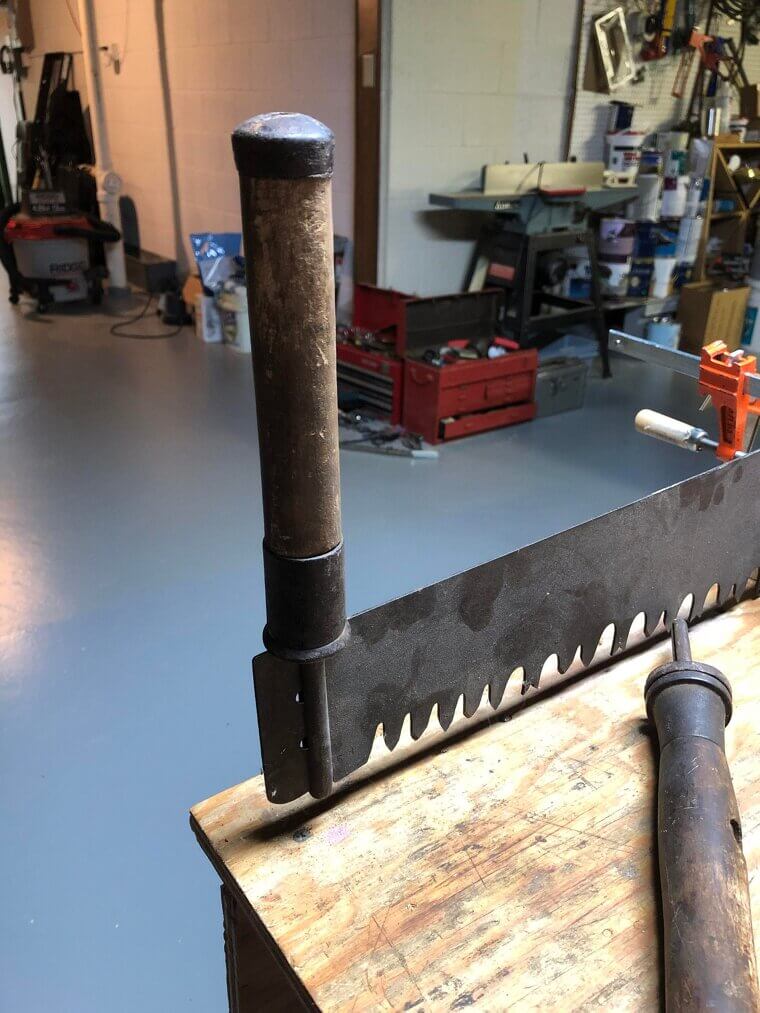
The apple-wood handles were sanded smooth as river stone. Running your thumb across a Disston medallion felt like touching a piece of American industrial history.
Old Yankee Spiral Ratchet Screwdrivers
The Yankee spiral ratchet screwdriver was the power drill of its era — a push-down, spin-fast tool that felt almost magical the first time you used one. North Brothers Manufacturing sold millions of them from the 1890s through the mid-20th century, and they showed up in every serious toolbox from the Depression era through the 1970s. The chrome-plated spiral shaft, the satisfying click of the ratchet, the bits stored right inside the hollow handle — it was elegant engineering. Original Yankee No. 30 and No. 135 sets with full bit rolls still command $80 to $200.
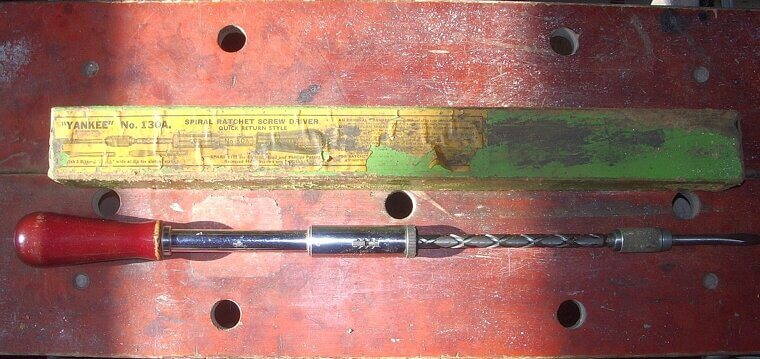
Dads handed these down like pocket watches. The ratchet click echoed in workshops from Maine to Montana, a sound that marked real work being done.
Vintage Craftsman Combination Squares
Craftsman combination squares from the 1940s through the 1960s were built to a standard that the brand quietly abandoned decades later. The cast iron heads were heavier, the blades were thicker, and the scribe pins actually held their position. Craftsman was the Sears house brand that working men trusted the way they trusted Walter Cronkite — completely and without question. Those old squares, marked with the Craftsman script logo and made in the USA, are now prized by woodworkers who know the difference. Good examples sell for $40 to $120, with rare sets going higher.
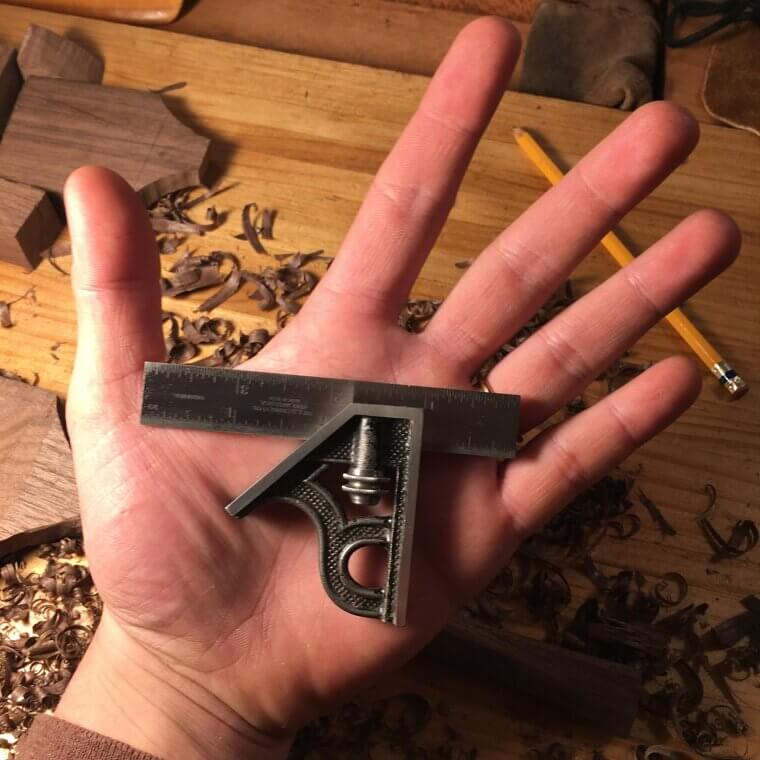
Sears catalogs from the 1950s devoted full pages to these tools. A boy flipping through that catalog in the living room was already dreaming about the workshop he’d have someday.
Cast Iron Bench Vises From Old Workshops
Would you pay $300 for a hunk of cast iron bolted to a plank? Collectors of vintage bench vises absolutely would. The big names — Record, Wilton, and the American-made Columbia — produced vises in the mid-20th century with jaw widths and screw mechanisms that modern imports simply don’t match. Grandpa’s vise, the one bolted to the corner of the workbench with four lag screws and a cracked jaw pad, may be a Wilton Bullet or a Record 52½. Those models, cleaned and freed of rust, regularly sell for $150 to $400 depending on size and condition.
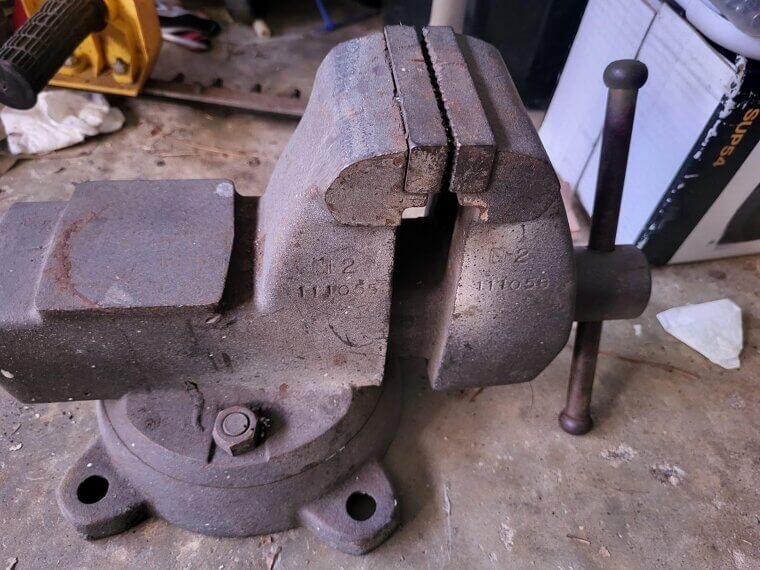
The groan of a big cast iron vise opening under load was the sound of serious work beginning. Workshops smelled like iron filings and linseed oil, and the vise was always at the center of it.
Pre-War Starrett Precision Measuring Tools
Starrett has been making precision measuring tools in Athol, Massachusetts since 1880, and the pre-World War II pieces are in a class of their own. The steel was harder, the graduations were finer, and the fit of a pre-war combination square or micrometer had a jewel-like quality that reflected genuine American craftsmanship. Machinists in the 1950s and 60s guarded their Starretts the way surgeons guard their instruments. A pre-war Starrett No. 4 combination square in original condition can bring $200 to $500. Complete sets in original cases are worth considerably more.
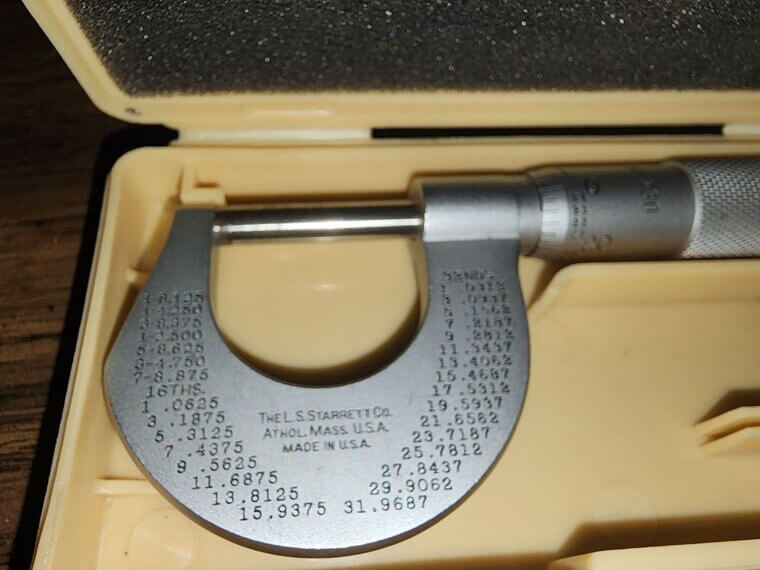
Opening a worn leather Starrett case felt ceremonial. The velvet lining, the precise fit of each instrument — it was clear these tools were made by people who took accuracy personally.
Antique Drawknives for Woodworking
The drawknife is one of the oldest edge tools in the woodworker’s kit, and the antique examples — especially those made before 1920 by makers like Swan, Witherby, or Ohio Tool — have a taper-ground bevel and a temper that modern reproductions struggle to equal. Chairmakers and coopers used them daily, pulling long shavings off green wood with a sound like tearing silk. By the 1970s, they were curiosities hanging on barn walls, forgotten relics of a slower craft. A clean antique drawknife with intact handles will quietly clear $40 to $150 at a good estate sale, with rare makers pushing well past that.
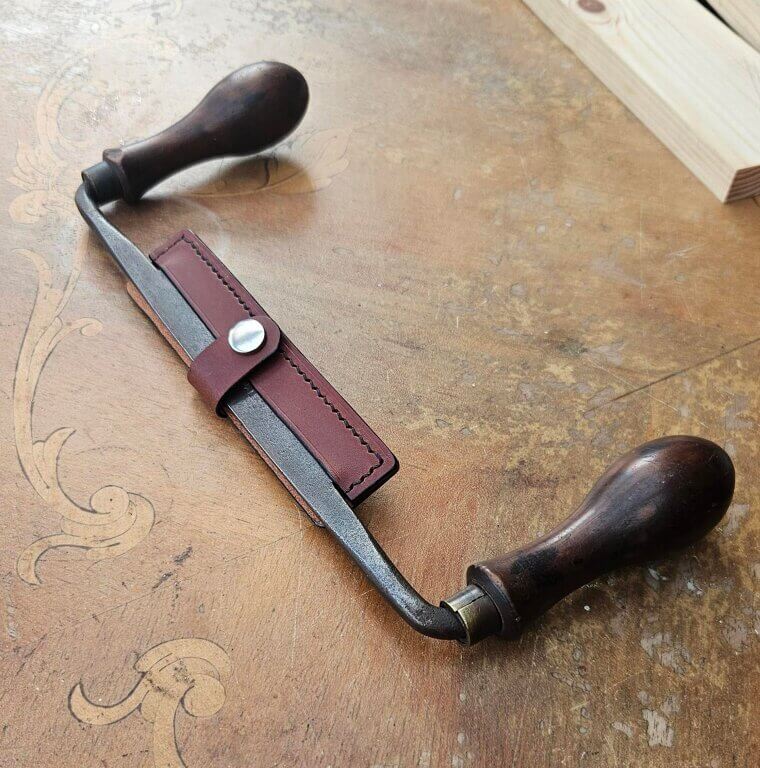
The long curl of a shaving pulled from green wood with a sharp drawknife was one of those sounds that made the shop feel alive — a whisper of steel and grain that almost nobody hears anymore.
Old Brace and Bit Sets Worth Keeping
A full brace and bit set in its original canvas roll was a common sight in workshops through the 1960s, before the electric drill made them seem obsolete. The braces — especially those made by Stanley, Millers Falls, and North Brothers — had a sweep and balance that let a carpenter bore a two-inch hole with surprising control and almost no noise. The bits, with their twisted shanks and scored lead points, cut cleanly in a way that spade bits never quite managed. Complete sets in original rolls fetch $60 to $200, with large-sweep Stanley braces alone worth $50 to $100.
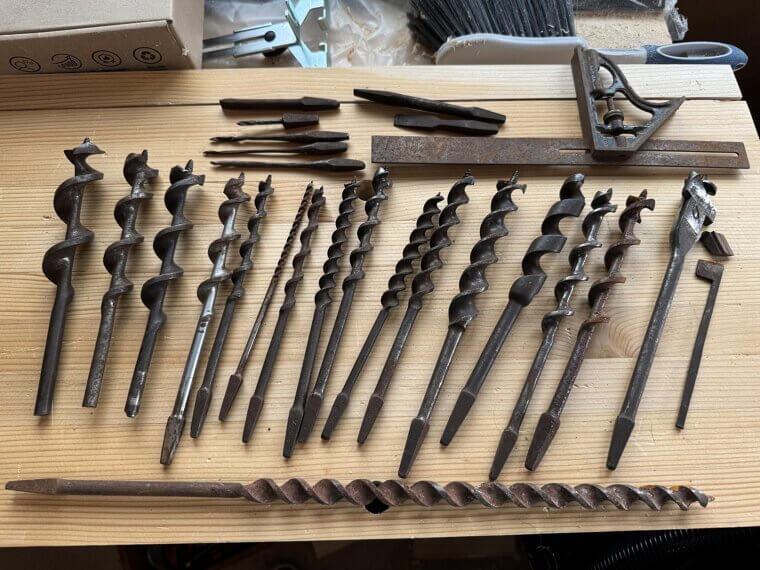
The slow, rhythmic turning of a brace was almost meditative. Old-timers could bore a mortise by feel alone, the shavings curling up in perfect spirals from the bit’s lead screw.
Vintage Plumb Bob Sets Still Sell Well
A plumb bob is one of the simplest tools ever made — a pointed weight on a string — and yet the antique examples are objects of genuine beauty. Brass, bronze, and turned steel bobs from the late 1800s and early 1900s came in elegant torpedo and pear shapes, often with a removable tip for sharpening. Surveyors and masons carried them in leather pouches, and a good set with original line and case was a mark of professional pride. Vintage plumb bobs, especially unusual shapes or those with maker’s marks, sell for $30 to $200 each, with rare examples going higher.
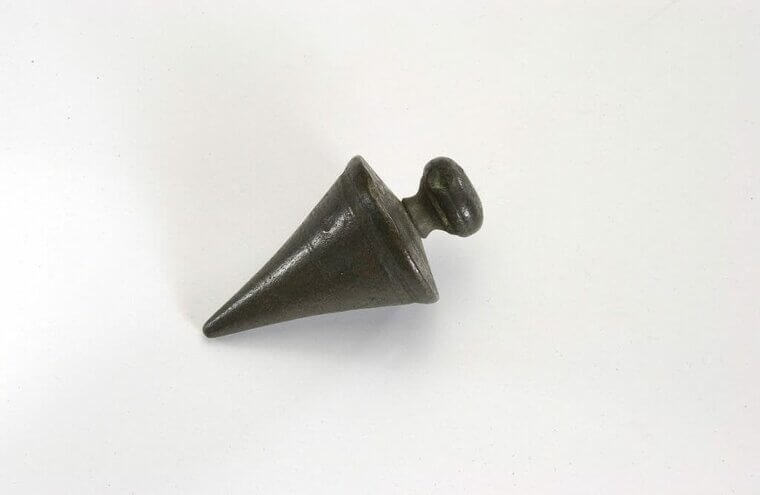
There was something almost philosophical about a plumb bob — the simplest possible tool for finding perfect vertical. Craftsmen trusted gravity and a little brass weight more than any level.
Antique Spoke Shaves From Carriage Days
Before the automobile changed everything, the spokeshave was as common in a craftsman’s shop as a hammer. Wheelwrights, chairmakers, and carriage builders used them to shape curved wooden parts with a finesse that no machine could replicate. The antique examples — especially those made by Preston, Stanley, or Ohio Tool before 1930 — have a heft and blade geometry that modern versions don’t approach. By the time the Beatles were on Ed Sullivan, most spokeshaves had been relegated to the back of the drawer. Clean antique spokeshaves in working condition now trade hands for $30 to $150, with rare Preston models fetching considerably more.
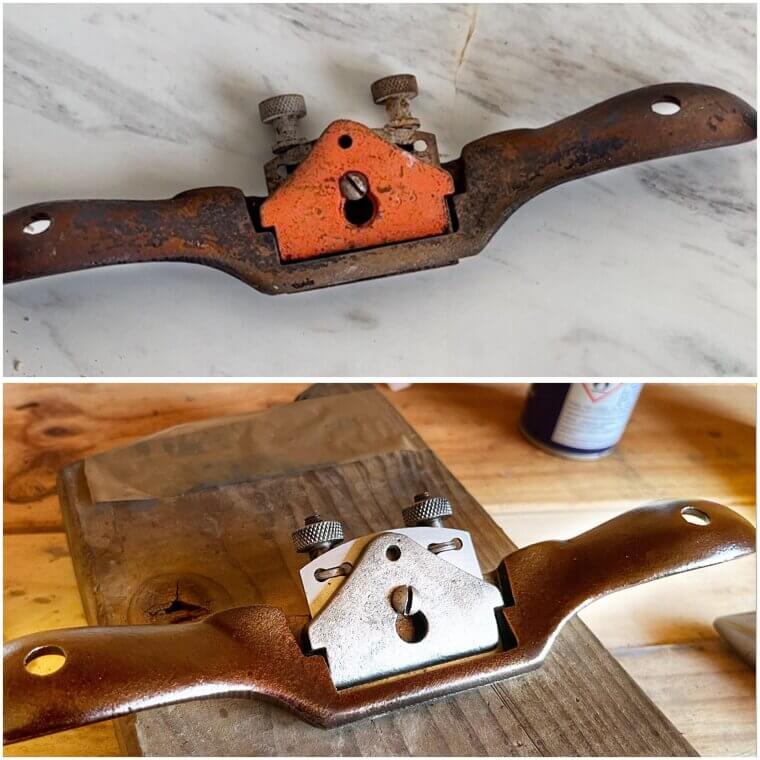
Most people walk right past these at estate sales. The collectors who recognize a Preston spokeshave don’t — and that gap in knowledge is exactly where the deals still live.
Antique Wooden Plow Planes From Early Workshops
The wooden plow plane was the groove-cutter of the pre-industrial woodshop — a complex, adjustable tool with a fence, depth stop, and a set of interchangeable irons that let a craftsman cut any width of groove or dado. The finest examples came from makers like Ohio Tool, Auburn Tool, and Sandusky, and they were fitted with boxwood arms and brass hardware that gleamed like jewelry against the dark fruitwood bodies. By the 1950s, most had been replaced by the router and the dado stack. Today, a complete wooden plow plane with a full set of irons and intact hardware can command $200 to $600 — and a rare Sandusky or Ohio Tool example will stop a serious collector cold.
The brass thumbscrews and boxwood arms on a fine plow plane were a craftsman’s quiet vanity. Nobody made a tool that beautiful unless they were proud of what they did for a living.
Old Wooden Mallet Tools With Turned Handles
The wooden mallet was the chisel driver of choice for generations of cabinetmakers and joiners, and the antique examples — especially those with turned lignum vitae or applewood heads — are both functional and beautiful. Craftsmen in the 1940s and 1950s turned their own mallets on the lathe, choosing dense hardwoods that would absorb impact without splitting. The handles were fitted with a slight taper so the head would tighten with use rather than loosen. A well-made antique wooden mallet with a turned handle can move for $30 to $100 at auction, with lignum vitae examples — that impossibly dense tropical wood — commanding a real premium.
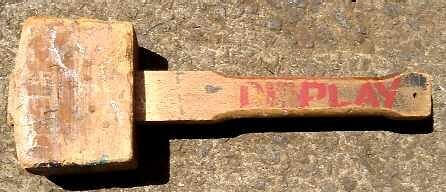
Lignum vitae is so dense it sinks in water. A mallet head turned from it will outlast the workshop, the craftsman, and probably the house it was built in.
Vintage Machinist Micrometers in Original Cases
A machinist’s micrometer from Brown & Sharpe or Lufkin — made in the first half of the 20th century — was not a tool you bought lightly. These were precision instruments ground to tolerances measured in ten-thousandths of an inch, fitted with thimbles that turned with a smoothness that felt almost liquid. Machinists in the 1940s and 1950s kept them in fitted wooden or leather cases, wiped them down after every use, and never let an apprentice touch them unsupervised. A complete Brown & Sharpe or Lufkin micrometer set in original case can bring $300 to $800 at auction today.
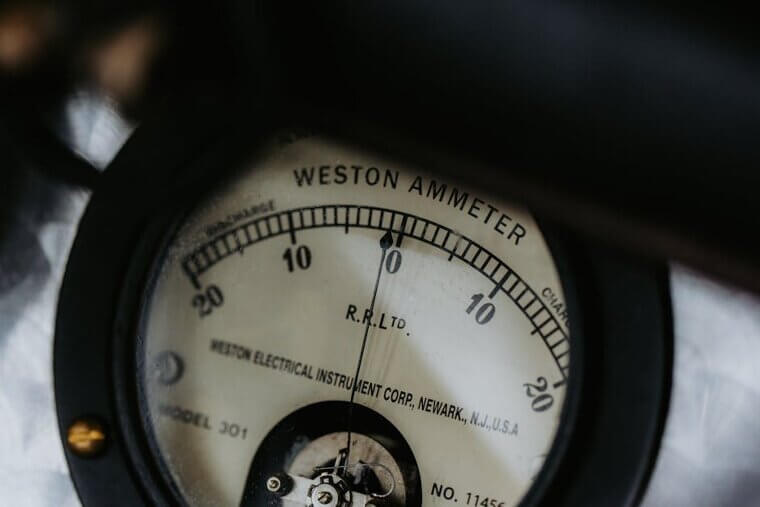
The fitted wooden case is half the value — lose it and you’ve cut the price significantly. But more than the money, there was something in the weight of a good micrometer that told you exactly what it was: a tool made by people who believed accuracy was a form of respect.
Antique Levels With Original Brass Fittings
The antique spirit level is one of those tools that crossed the line from instrument to artifact. The best examples — made by Stanley, Davis, or Stratton Brothers in the late 1800s and early 1900s — were built from seasoned cherry or mahogany, fitted with solid brass end caps and vial holders, and finished to a standard that made them as handsome as furniture. Carpenters in the early 20th century were proud of their levels and kept them wrapped in cloth between jobs. A clean antique level with intact brass fittings and readable vials can bring $75 to $300, with rare Davis models fetching much more.
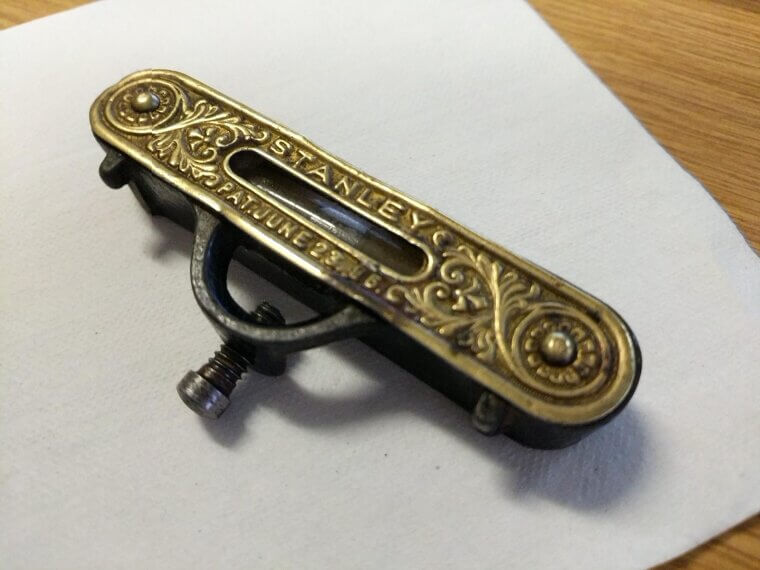
Watching the bubble settle in an old brass-fitted level felt like watching something ancient and reliable at work. These tools outlasted the buildings they helped construct.
Keen Kutter Hatchets Are Highly Sought After
The Keen Kutter brand was the hardware equivalent of a household name from the 1890s through the 1940s — E.C. Simmons Hardware Company put that diamond-shaped logo on everything from pocket knives to full tool sets, and the quality was genuine. Their hatchets, with the Keen Kutter name etched into the poll and the original hickory handles, were standard equipment in every carpenter’s bag. By the 1960s the brand had faded, but the tools hadn’t. Today, a Keen Kutter hatchet in good condition with a readable etch can bring $50 to $150, with rare variations going considerably higher.
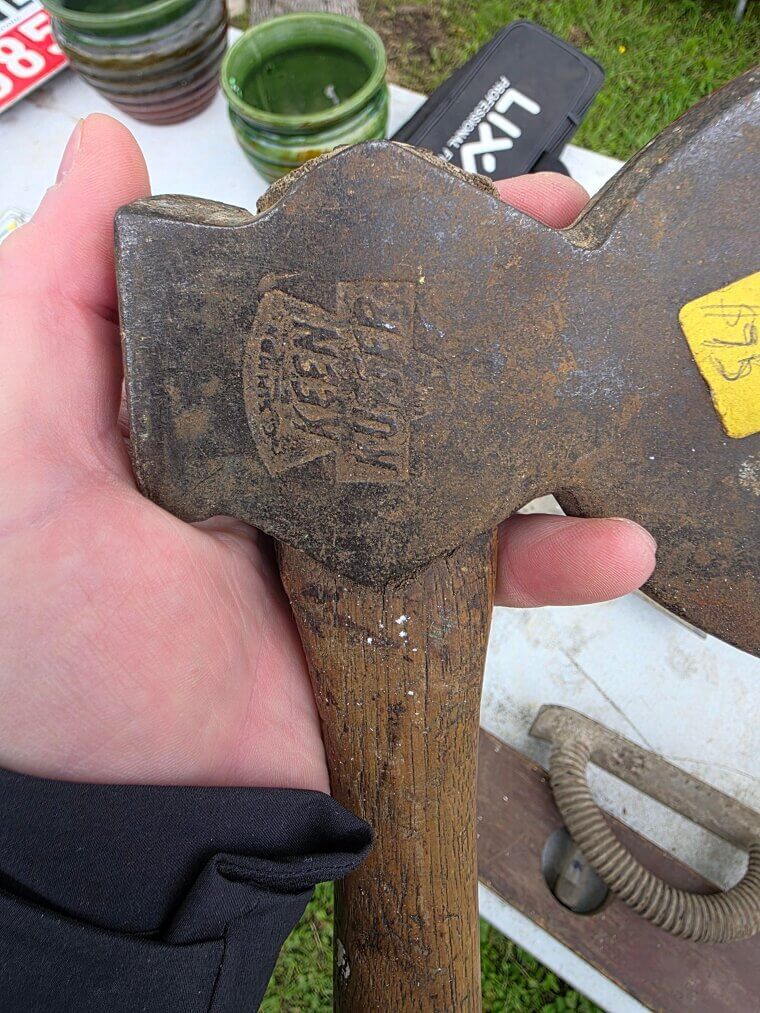
The Keen Kutter diamond logo was as recognizable to a 1920s hardware store customer as the Coca-Cola script. Finding one in a grandfather’s toolbox still feels like a small discovery.
Old Pliers Sets From Craftsman and Snap-on
There was a time when a set of Craftsman or Snap-on pliers was something a man bought once and expected to hand down. The American-made Craftsman pliers of the 1950s and 60s — with their knurled handles and tight pivot joints — were built to a standard the brand quietly retired when manufacturing moved overseas. Snap-on’s vintage combination and lineman’s pliers from the same era are even more sought after, with the early forged examples commanding serious money. A complete vintage Craftsman plier set in original condition can bring $60 to $150; early Snap-on pieces fetch considerably more.
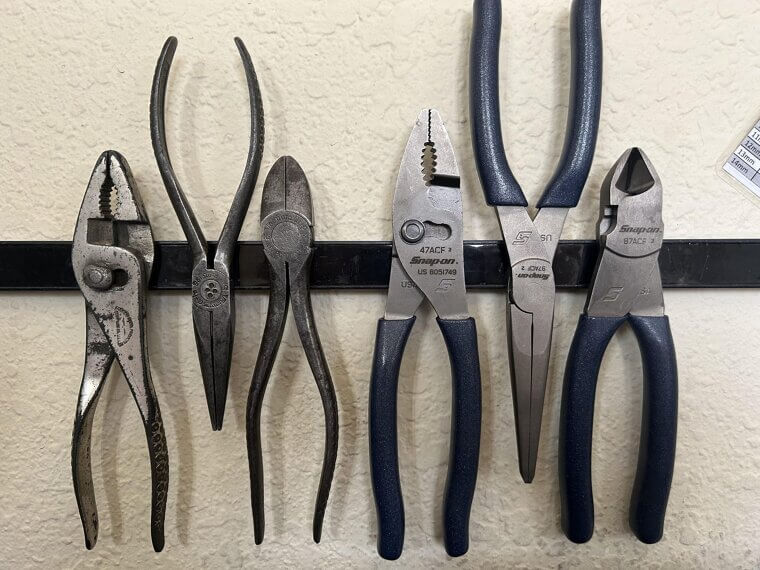
The pivot on a good old American-made plier was tight enough to hold its position but smooth enough to open with one hand. That combination took real metallurgy to achieve.
Antique Marking Gauges Used by Cabinetmakers
The marking gauge is a tool so simple it seems impossible to improve — a wooden or metal beam, a fence that slides and locks, and a sharp pin or blade to scribe a line. But the antique examples made by cabinetmakers and toolmakers in the late 1800s and early 1900s were works of quiet craft. Rosewood and boxwood beams, brass thumbscrews, and hand-filed cutters marked the difference between a working tool and a fine instrument. Collectors of wooden planes and edge tools prize these gauges for the same reason. Clean examples from known makers bring $30 to $120.
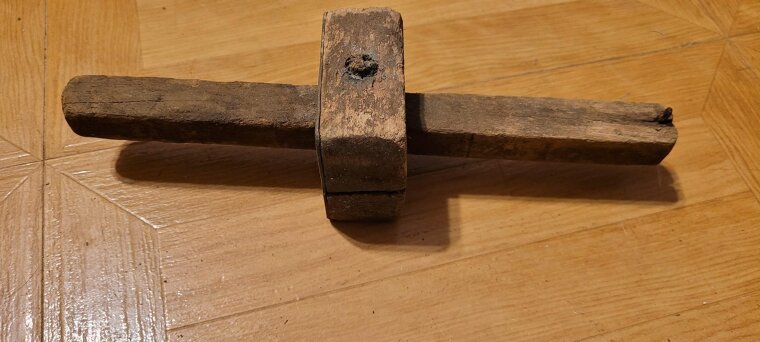
Scribing a line with a well-set marking gauge produced a whisper-thin cut that pencil lines could never match. Cabinetmakers from an earlier era considered that scribed line the first stroke of the finished piece.
Vintage Socket Chisels in Original Sets
Socket chisels — the kind where the handle fits into a tapered steel socket rather than onto a tang — were the professional’s choice for heavy work from the late 1800s through the mid-20th century. The best sets came from makers like Buck Brothers, Ohio Tool, and Witherby, with blades forged from tool steel and handles turned from boxwood or hornbeam. A full set in original leather or canvas roll, with matching handles and readable maker’s stamps, is a collector’s prize. Sets in good condition from quality makers regularly sell for $150 to $400, with rare complete sets going higher.
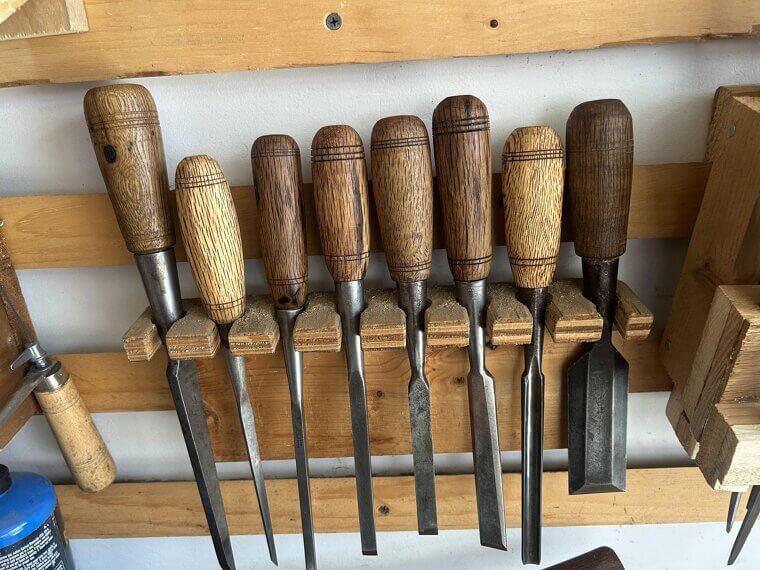
The solid thunk of a socket chisel being driven into hardwood was a sound that meant the joinery was being done properly. These tools were made to take punishment and keep an edge.
Old Tin Snips From Wiss and Other Brands
Wiss & Sons made scissors and shears in Newark, New Jersey from 1848 onward, and their tin snips — especially the compound-action models from the 1940s and 1950s — were the tool of choice for sheet metal workers, roofers, and HVAC tradesmen across the country. The drop-forged blades held an edge that modern stamped snips can’t approach, and the handles were sized for real hands doing real work. By the time disco was fading from the radio, Wiss quality had already begun its decline. Vintage Wiss tin snips in working condition bring $25 to $80, with rare compound models fetching more.
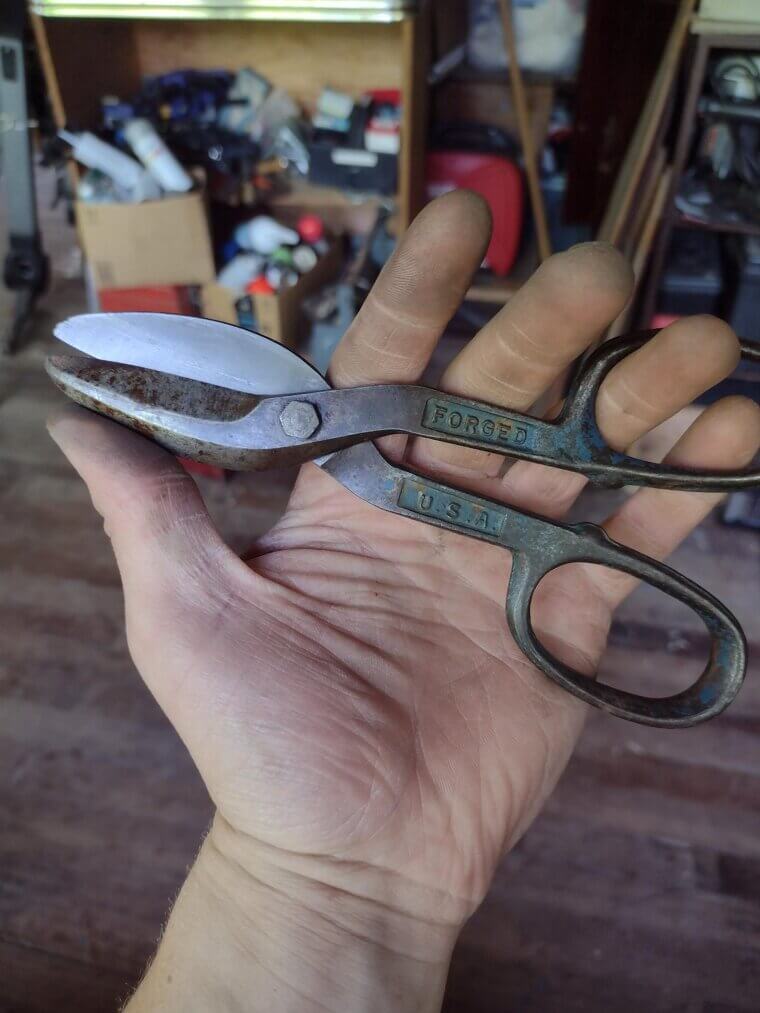
The clean shear of a sharp Wiss through 26-gauge steel was effortless in a way that made lesser snips feel like toys. Sheet metal workers knew the difference immediately.
English Infill Planes by Norris and Spiers
While Stanley dominated the American market, the finest bench planes of the 19th century came from English makers — Norris, Spiers, and Mathieson — who built infill planes with dovetailed steel bodies packed with rosewood or gunmetal. These weren’t production tools; they were made one at a time, fitted by hand, and sold to craftsmen who expected them to last a lifetime. The rosewood infill was shaped to the palm, the mouth was filed to a hairline, and the blade bedded at an angle that produced a surface no sandpaper could match. A genuine Norris or Spiers infill plane in original condition can bring $600 to $3,000 at auction.
Infill planes were the sports cars of the hand tool world — expensive, precise, and deeply satisfying to use. Collectors who find one at an estate sale rarely talk about anything else for the rest of the day.