Think you know your holiday history? From ghostly Victorian parlor games to real candles on the tree, these once-loved customs have faded like tinsel in the attic. Test your memory and nostalgia with our quiz on Christmas traditions time quietly retired.
Tinsel Used to Be Made of Real Silver
“Tinsel” originally meant thin strips of real metals, and, by the mid-twentieth century, many homes used lead tinsel icicles for shimmering trees. Lead made the strands heavy, so they draped beautifully—but posed health and environmental risks. Production and sales in the United States largely ceased by the 1970s as safety awareness rose. Lightweight PVC and mylar alternatives replaced metal tinsel, and many families eventually abandoned loose icicles altogether to avoid static cling and cleanup woes.
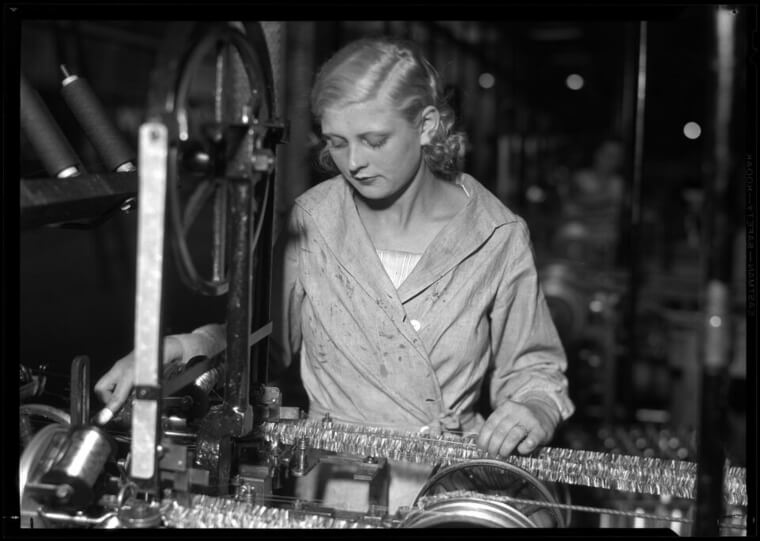
Today, metallic garlands or glittered ornaments create sparkle without scattering silvery threads. The gleam survives, but genuine metal strands are mostly history.
Illustrated Christmas Postcards
Before phones were common, families sent illustrated Christmas postcards rather than folded cards in envelopes. Picture postcards exploded between the 1890s and 1910s, featuring wintry scenes, Father Christmas, and hand-colored lithographs. Postcards were cheaper to mail than letters, and postal services delivered several times a day, so greetings often arrived quickly. As envelopes became standard, printers pushed folded greeting cards, which felt more formal and protected glitter or embossing.
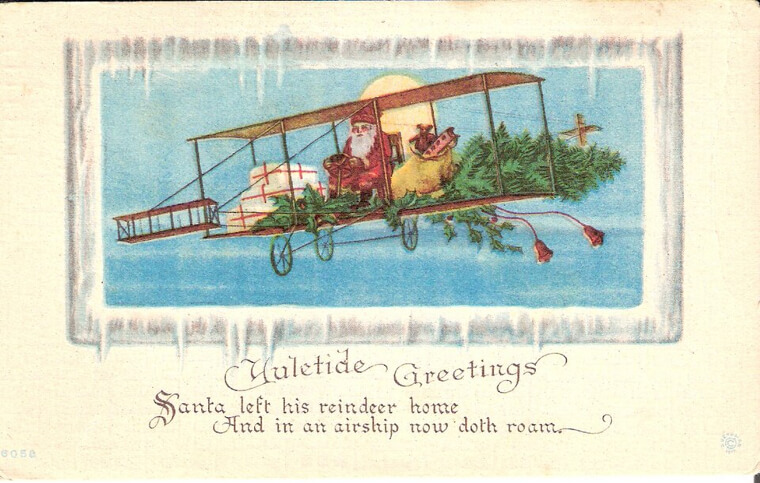
Rising postal rates, changing tastes, and the dominance of boxed cards and digital messages gradually pushed the humble Christmas postcard into nostalgic, collector territory rather than everyday tradition.
Homemade Ornaments
For generations, tree decorations were handmade: paper chains, salt-dough shapes, tin stars, straw ornaments, and stitched felt figures. Families dried orange slices, folded origami, and reused ribbon or fabric scraps. After World War II, mass-produced glass baubles from Europe and later plastic ornaments from the United States and Asia became inexpensive, uniform, and durable. Department stores and catalogs promoted coordinated color schemes, nudging households away from mismatched, homemade looks.
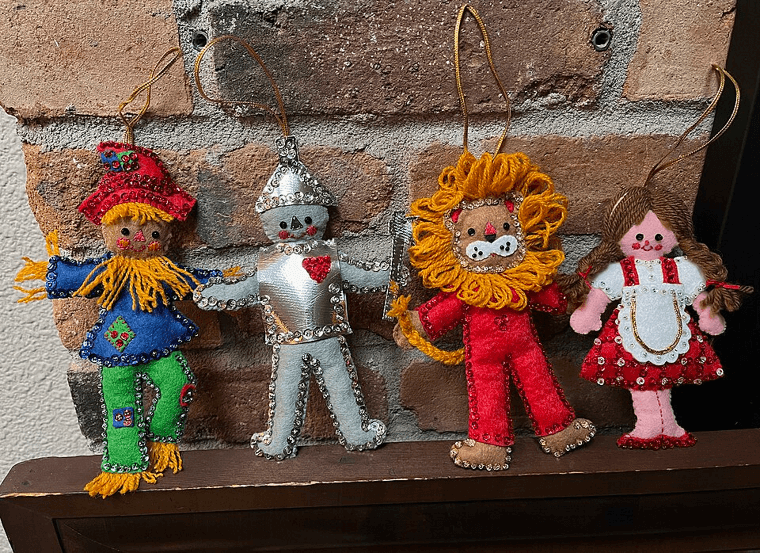
Safety standards, busy schedules, and ready-made kits further accelerated the shift. While crafting hasn’t disappeared, the widespread, every-family practice of making most ornaments by hand largely faded.