Think you know your holiday history? From ghostly Victorian parlor games to real candles on the tree, these once-loved customs have faded like tinsel in the attic. Test your memory and nostalgia with our quiz on Christmas traditions time quietly retired.
Tinsel Used to Be Made of Real Silver
“Tinsel” originally meant thin strips of real metals, and, by the mid-twentieth century, many homes used lead tinsel icicles for shimmering trees. Lead made the strands heavy, so they draped beautifully—but posed health and environmental risks. Production and sales in the United States largely ceased by the 1970s as safety awareness rose. Lightweight PVC and mylar alternatives replaced metal tinsel, and many families eventually abandoned loose icicles altogether to avoid static cling and cleanup woes.
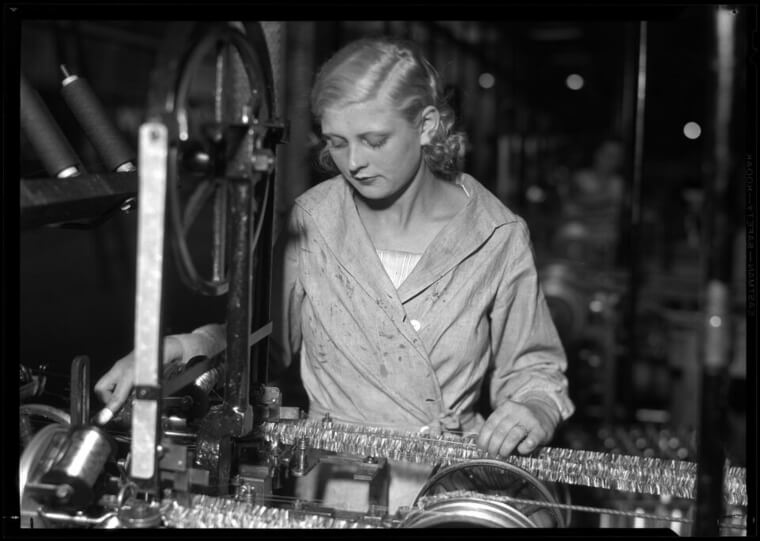
Today, metallic garlands or glittered ornaments create sparkle without scattering silvery threads. The gleam survives, but genuine metal strands are mostly history.
Illustrated Christmas Postcards
Before phones were common, families sent illustrated Christmas postcards rather than folded cards in envelopes. Picture postcards exploded between the 1890s and 1910s, featuring wintry scenes, Father Christmas, and hand-colored lithographs. Postcards were cheaper to mail than letters, and postal services delivered several times a day, so greetings often arrived quickly. As envelopes became standard, printers pushed folded greeting cards, which felt more formal and protected glitter or embossing.
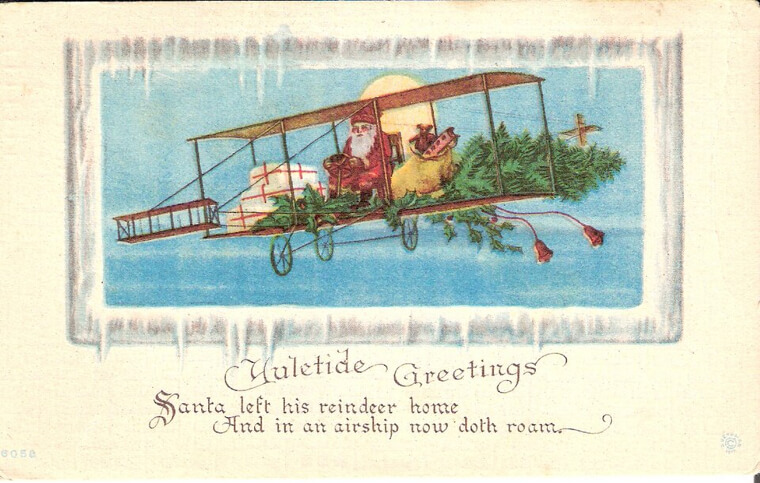
Rising postal rates, changing tastes, and the dominance of boxed cards and digital messages gradually pushed the humble Christmas postcard into nostalgic, collector territory rather than everyday tradition.
Homemade Ornaments
For generations, tree decorations were handmade: paper chains, salt-dough shapes, tin stars, straw ornaments, and stitched felt figures. Families dried orange slices, folded origami, and reused ribbon or fabric scraps. After World War II, mass-produced glass baubles from Europe and later plastic ornaments from the United States and Asia became inexpensive, uniform, and durable. Department stores and catalogs promoted coordinated color schemes, nudging households away from mismatched, homemade looks.
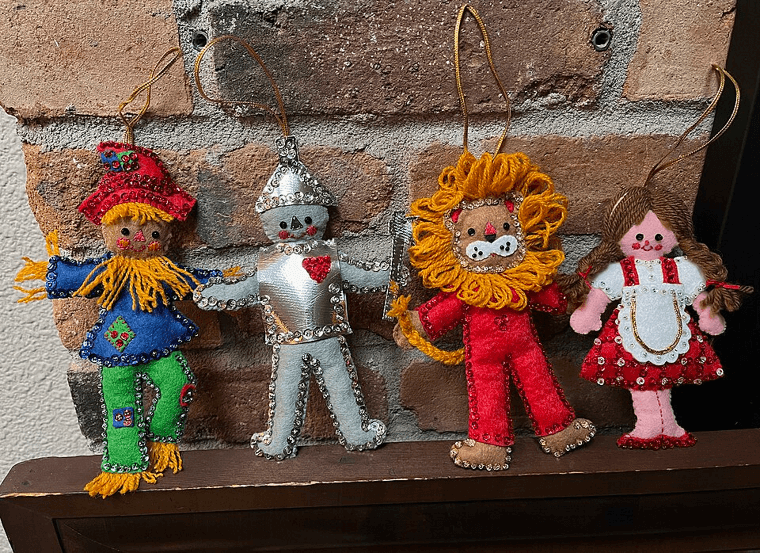
Safety standards, busy schedules, and ready-made kits further accelerated the shift. While crafting hasn’t disappeared, the widespread, every-family practice of making most ornaments by hand largely faded.
The Yule Log
Historically, the Yule log was a large, carefully chosen hardwood log burned over several days, symbolizing warmth and good fortune during the darkest weeks. Families saved a piece to light the following year, and ashes were sometimes kept as charms against misfortune. This hearth-centered ritual declined as homes moved from fireplaces to stoves, radiators, and central heating.In many places, it transformed into a dessert—the bûche de Noël—or into televised “fireplace” programs that kept the cozy mood without actual embers.

The communal, slow-burning log itself, once a literal centerpiece, became a charming memory rather than a standard household custom.
Nature-Made Ice Rinks
Winter once meant skating on frozen ponds, canals, and flooded meadows, when sustained cold created natural rinks. Communities tested ice thickness, set lanterns, and organized races or socials outdoors. Over time, urbanization reduced accessible waterways, liability rules tightened, and weather patterns delivered fewer long, predictable freezes in many regions. Refrigerated indoor rinks and temporary synthetic surfaces now provide reliable ice without waiting for nature.
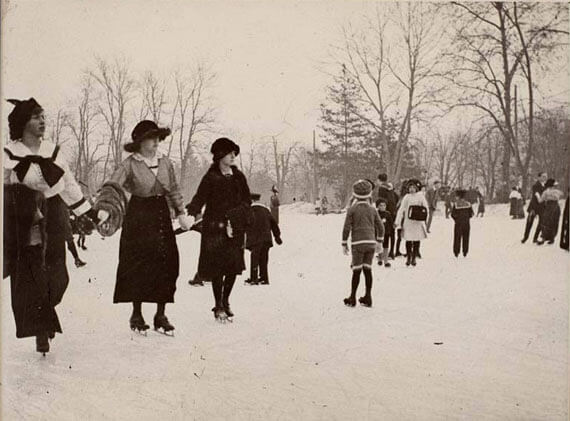
While some places still enjoy safe outdoor skating during cold snaps, the routine neighborhood practice of skating whenever the lake froze has diminished, replaced by scheduled sessions at maintained, permission-required facilities.
Telling Ghost Stories
In Victorian Britain, Christmas was a prime season for spooky tales. Long winter nights, candlelight, and family gatherings created the perfect mood for uncanny stories—think Charles Dickens’s “A Christmas Carol,” first published in 1843. Magazines routinely commissioned seasonal ghost stories, and parlors hosted dramatic readings for thrills between games and carols. As the twentieth century emphasized sentimental cheer, Santa, and commercial gift-giving, the spectral side of Christmas waned.
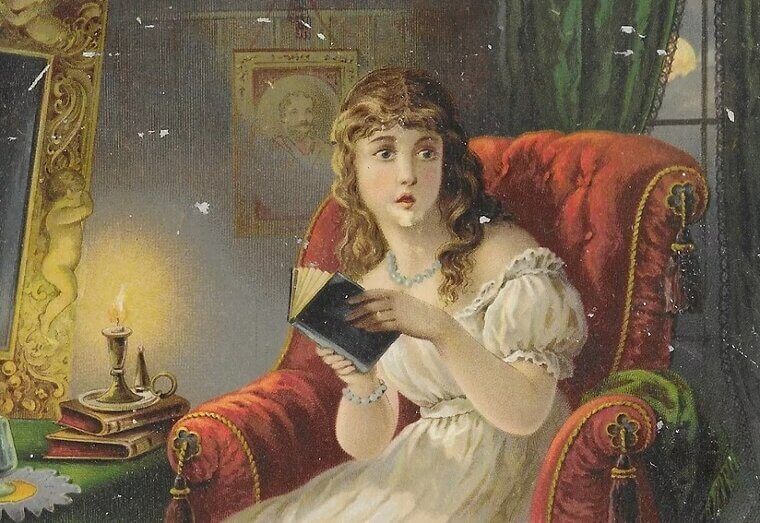
Radio, film, and television shifted ghost storytelling to Halloween or general entertainment. A few British broadcasts still nod to the tradition, but regular fireside ghost stories at Christmas are uncommon today.
Budget-Friendly Postal Services For Christmas
Victorian Britain’s Penny Post made sending seasonal greetings inexpensive and convenient, aided by multiple daily deliveries. Special Christmas postings and extra rounds helped millions of cards arrive before December 25. Over the twentieth century, postage rose, sorting modernized, and delivery frequency decreased. Royal Mail no longer offers the same density of daily rounds, and last-posting dates shifted earlier. Digital communication further reduced volumes.
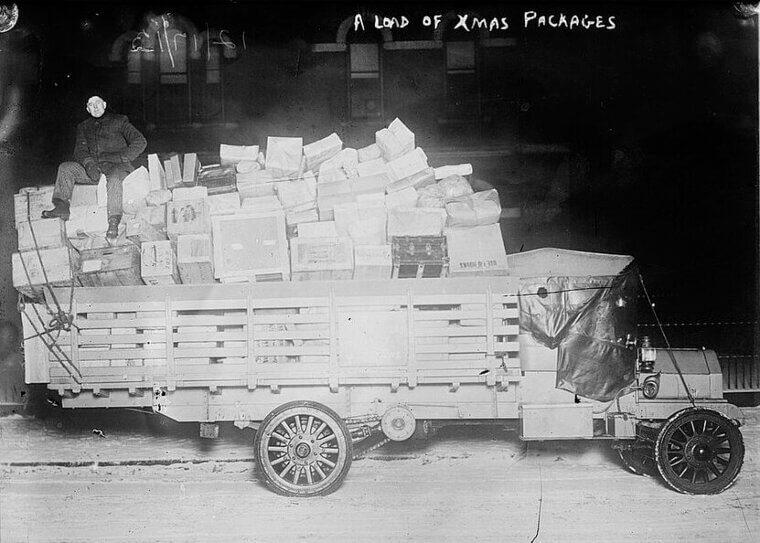
While the UK still processes huge numbers of cards, the era when nearly every household relied on ultra-cheap postage and frequent deliveries specifically supporting Christmas card floods has passed, replaced by pricier stamps and online messages.
Caroling
Door-to-door caroling once brought neighbors together for harmonies, mulled drinks, and small donations for charities or church choirs. It thrived when neighborhoods were tight-knit, streets were quieter, and people expected unannounced visitors. Over time, more private lifestyles, busier roads, apartment intercoms, and security concerns made spontaneous house calls less comfortable. Organized concerts, indoor sing-alongs, and community events replaced rounds of doorstep serenades.
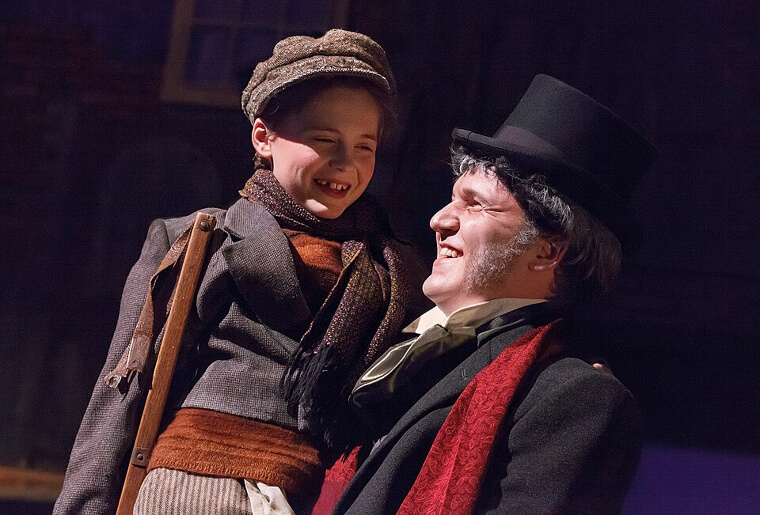
Streaming music, recorded carols, and school programs also reduced the need for live volunteers. Caroling survives in some towns and church groups, but the widespread, everybody-does-it custom of knocking on many strangers’ doors has largely faded.
Hidden Surprises In Pudding
In Britain and Ireland, Christmas pudding traditionally hid charms: a silver sixpence for prosperity, a ring for romance, or a thimble for thrift. Each bite offered a playful omen. As awareness of choking hazards grew and fewer people placed real coins in food, the practice declined. Metal charms also raised concerns about dental damage, allergies, and food safety regulations. Shop-bought puddings rarely include trinkets, and many modern hosts avoid the risk.
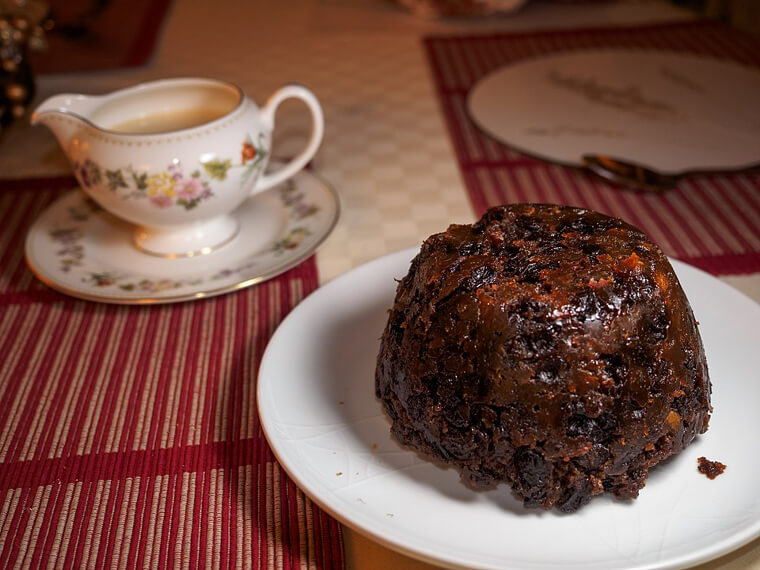
Some families still set a cleaned coin beside servings for luck instead. The playful divination remains a delightful story, but the surprise-in-the-slice ritual is no longer widespread.
Giving and Receiving Exotic Fruits
In the nineteenth century, oranges, pineapples, and other imported fruits were prized luxury gifts, symbolizing prosperity in winter. Shipping was slow, refrigeration limited, and prices high, so receiving a single orange in a stocking felt special. As global trade expanded and refrigeration improved, citrus became affordable and available year-round. The status signal disappeared, replaced by candies, toys, or tech. Pineapples moved from display centerpieces to supermarket produce sections.
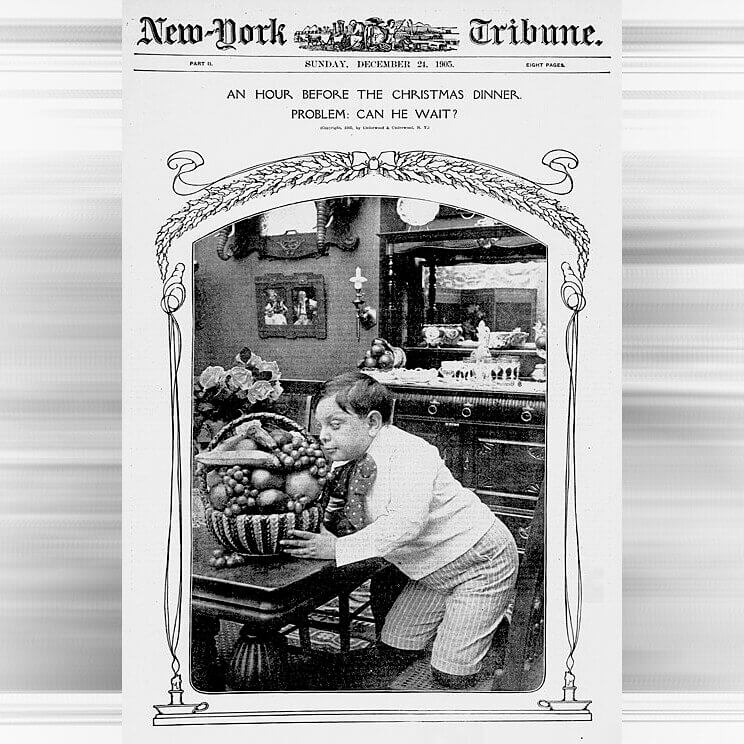
Fruit baskets persist for hospitality or corporate gifting, yet the wonder of an orange at Christmas—once a treasured rarity—no longer resonates in everyday households accustomed to abundant, inexpensive fruit.
Christmas Crackers With Hand-Written Love Notes or Poems
Victorian and Edwardian crackers sometimes hid personalized slips—flirtatious verses, hand-written jokes, or tender sentiments—alongside paper hats and trinkets. As manufacturing scaled up, mass-printed jokes and standardized toys replaced bespoke messages. Busy hosts no longer wrote customized notes for each guest, and off-the-shelf crackers kept parties moving. Safety rules also discouraged anything flammable or messy inside. Modern premium crackers occasionally include nicer gifts, but hand-penned poems are rare.
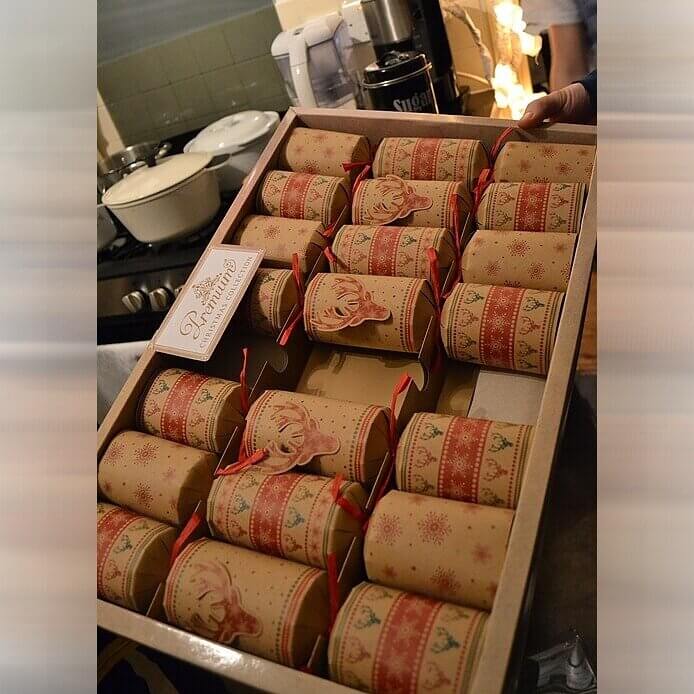
The ritual of crafting intimate messages for each pull faded as parties grew larger and production industrialized, leaving the romance to nostalgia and the occasional lovingly assembled DIY set.
Christmas Games
Parlor games once anchored holiday evenings: charades, blind man’s buff, “forfeits,” and Snapdragon—plucking raisins from flaming brandy. These required little equipment, just guests and daring. As entertainment shifted to recorded music, radio, film, and later television, ready-made amusement replaced improvisational play. Safety worries also sidelined flame-centered games. Board games survived, but the specific Victorian set, with rhymes, forfeits, and theatrics, faded from regular practice.
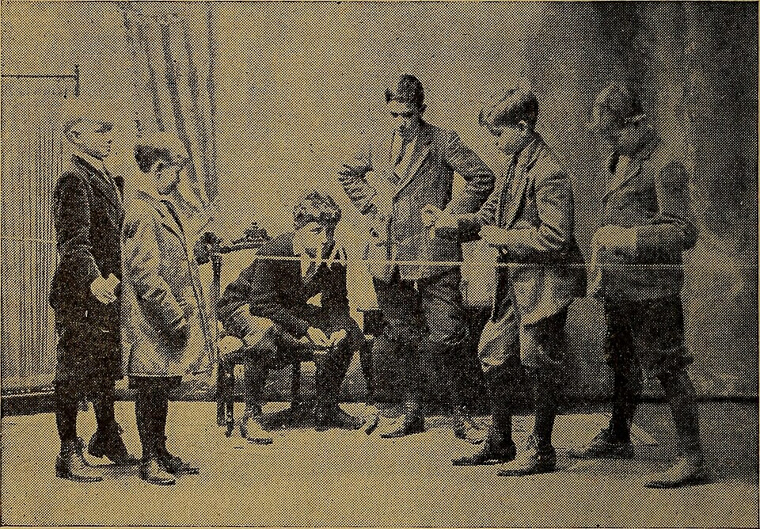
Modern parties might revive a round for nostalgia, yet few families routinely dim lights and ignite a blue brandy flame. The social spirit persists; the exact games largely belong to history.
Mumming
Mumming—seasonal folk plays and costumed house-to-house performances—once appeared across parts of Britain, Ireland, and North America. Local troupes acted stock characters, fought mock battles, and passed the hat. Industrialization, urban living, and changing attitudes toward door-to-door performance reduced opportunities. Licensing rules, private property boundaries, and shifting entertainment tastes further eroded participation. Folk revivalists still stage mummers’ plays at festivals, but the custom as an expected neighborhood event has waned.
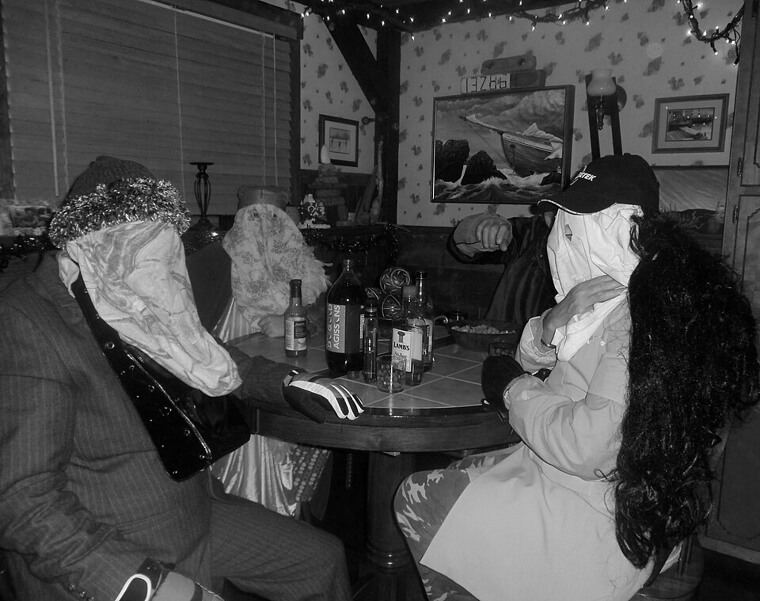
Instead of ad hoc midwinter pageants in kitchens and pubs, communities channel performance energy into school shows, church pageants, or organized theater with tickets, schedules, and permits.
Candles On the Tree
Before electric lights, people clipped real candles to branches for a brief, supervised glow. Families kept buckets of sand or water nearby and lit candles for only short periods. With the advent of safe, reliable electric strings in the late nineteenth and early twentieth centuries, open flames near dry needles quickly fell out of favor. Fire codes, insurance concerns, and common sense ended the practice in most homes.
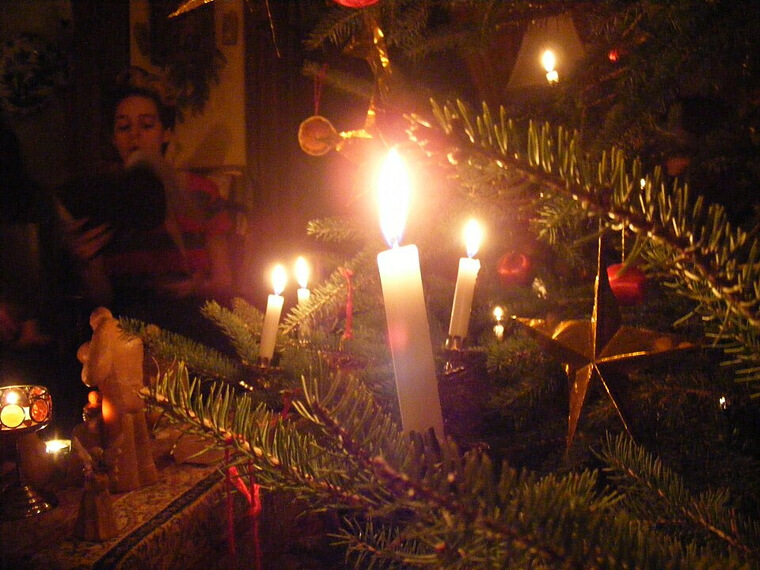
Today’s LEDs mimic warm candlelight without scorch marks or risk. Occasional historical demonstrations remain, but the dramatic, perilous spectacle of flame-lit trees has wisely become a story rather than a norm.