Whether you’re a seasoned mechanic or someone who’s never peeked under a hood, chances are you’ve encountered at least one automotive myth or urban legend. These stories often stem from experienced folks like grandfathers or longtime mechanics. But does the prevalence of these tales mean they hold any truth? Well, for some, perhaps, but for others, not quite. In reality, the truth behind these myths tends to be more nuanced than simply true or false.
Myth: Nitrogen Is Better For Your Tires Than Air
There’s an old myth that nitrogen is actually better for your tires than air. And this one actually has some truth to it, though if it’s actually worth it might depend on the type of car owner you are. Using nitrogen instead of air results in far less deflation over time. It can also be better for your tire since air can contain more moisture than nitrogen. However, it’s also a lot more expensive.
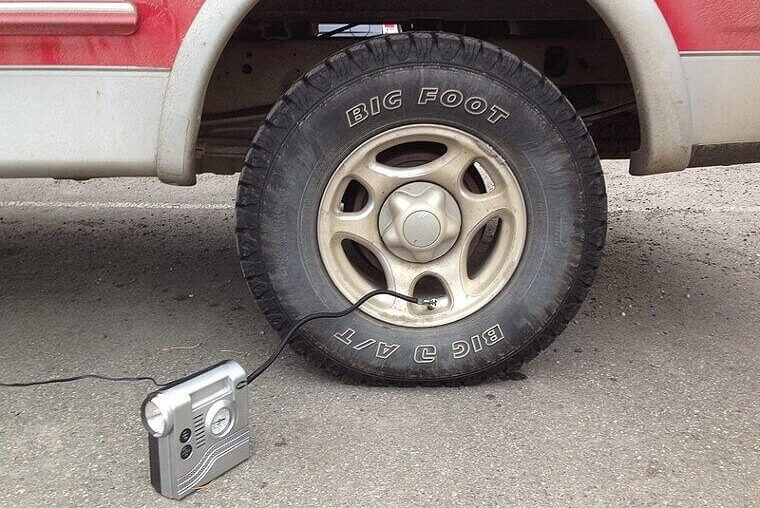
Filling a tire up with nitrogen could run you upwards of $30 a pop. So, as long as you regularly check the air pressure in your tires, there isn’t a reason for most people to use nitrogen.
Myth: A Car Battery Lasts Upwards Of Five Years
This is kind of a surprising fact, but according to AAA, around 42% of people think that batteries are basically guaranteed to last up to five years. We’ve never actually thought about it, but the truth is that batteries usually last anywhere from three to five years, with fewer lasting longer than that. That number can also vary a lot depending on your driving habits and the climate where you live.
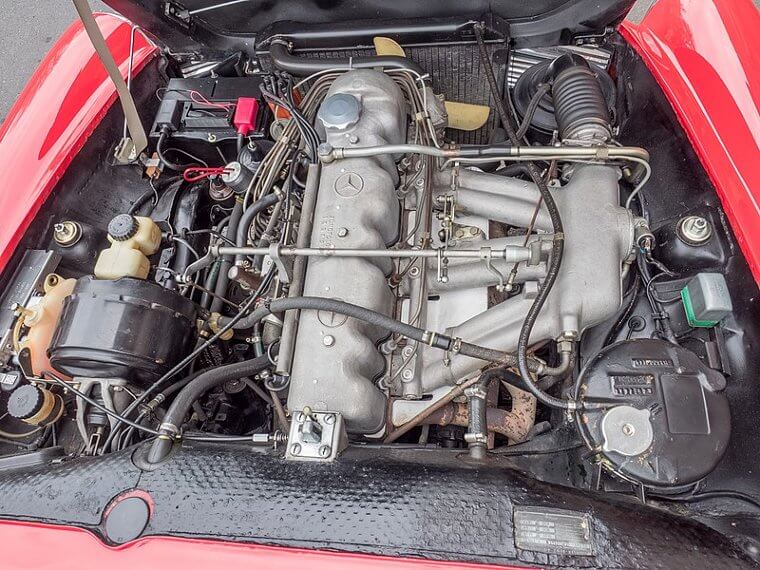
In short, most batteries aren’t going to make it to that five-year mark, and you should probably budget for the day when that battery finally succumbs to all those times you ran the radio without the car off.
Myth: Wiping An Oil Filter Clean Is Good For It
There’s a myth out there that you should always wipe the lid of your oil filter clean before installing it on your car or truck. This probably won’t surprise most people who’ve changed their own oil before, but this one is completely false. The only time you should wipe the top of your oil filter clean is if it falls in the dirt while you’re trying to screw it on.
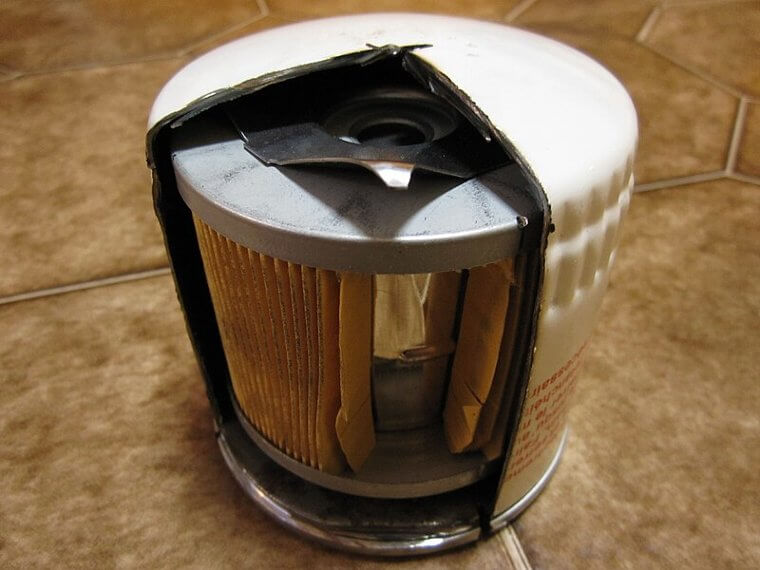
Before installing it, you should actually wipe some old oil around the rubber sealer on the top so that it seals tightly when after you screw it on. Not doing this can result in a seal that can come loose.
Myth: Cars Can Stop Bullets
According to most Hollywood movies, cars are as good as brick walls when it comes to stopping bullets. In truth, this isn’t the case. Of course, it depends on the caliber of the bullet but most calibers larger than a .22 are capable of punching through the thing metal on a car door. That isn’t to say they’re totally useless as they can be used to hide behind in the event of a shooting.
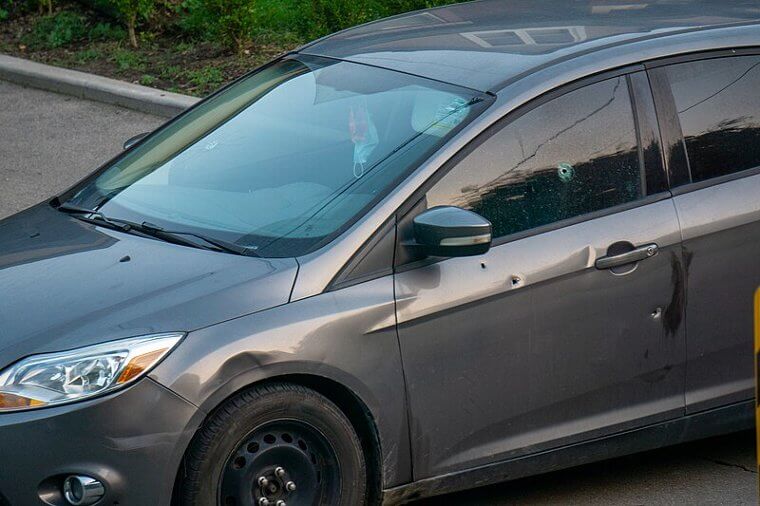
Of course, we hope that nobody reading this ever finds themselves in a situation like that, but if you do, just remember that the metal on a car is actually pretty thin.
Myth: Electric Cars Are More Expensive Than Gas-Powered Cars
This is a myth that seems pretty clear-cut. It states that electric vehicles are more expensive than their gas-powered counterparts. This one kind of just depends on how you look at it. The average upfront price for an electric vehicle is almost always going to be more than that of a gas-powered car. However, they also retain their value a little better than those gas-powered cars, so there’s that.
It’s also worth noting that electric cars usually require a lot less maintenance than gas-powered cars, although when it does require maintenance, expect to have to go to a certified dealership and pay a premium price.
Myth: The Minerals Used In Electric Cars Are Mined By Kids
So, this one is a bit complicated. For the vast majority of minerals used to make electric vehicles, there is no child labor involved. However, that doesn’t mean that there haven’t been some bad actors out there. According to the U.S. Department of Labor, there has been child labor involved in the extraction of cobalt in the Democratic Republic of Congo. The cobalt mined there was probably used in everything from phone batteries to car batteries.

There’s also been some concern about mining conditions in other areas. However, there’s also been more awareness in recent years and efforts to ban minerals from these countries from entering the supply chain.
Myth: You Shouldn’t Use Your Phone When At The Pump
They might not be on every gas station pump anymore, but you can still come across pumps with signs telling you not to use your phone while pumping gas. However, it turns out that these signs, like many other myths on this list, just harken back to a different time. When phones were larger and had those big antennas, it may have been possible that a spark could ignite a pump.

However, that’s simply not the case anymore. Today’s phones are perfectly fine to use at the pump. Multiple researchers, and even the show “Mythbusters” have tackled this one before and found they couldn’t cause fumes to ignite using cell phones.
Myth: Off-Brand Gas Can Hurt Your Vehicle
Depending on where you live, odds are you usually fill up at a big-name gas station, such as Chevron or Shell. However, big-name oil gas stations aren’t the only options out there. And for some reason, smaller gas stations are often associated with harmful gasoline. The truth is that small gas station is probably getting their gas from the same plants as the big guys. The only difference is in the amount of additives the two put in their gas.
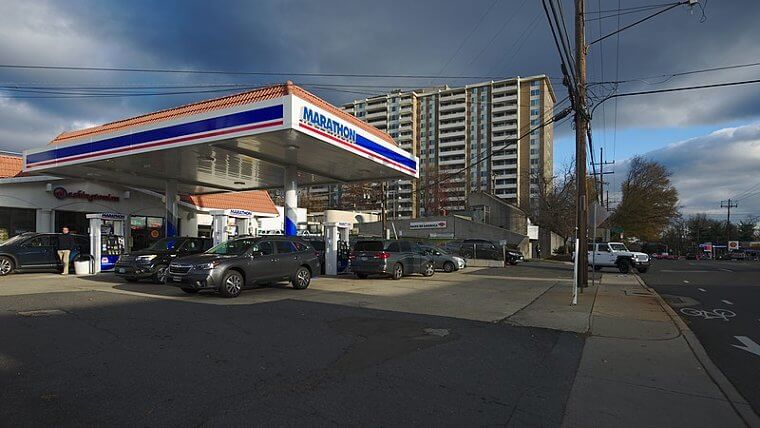
Big-name gas stations usually put more additives in their gas, but there’s still absolutely nothing wrong with the gas at the smaller gas station. The only issue with gas quality arises when tanks aren’t properly maintained and this could just as easily occur with one of the big guys.
Myth: Smaller Cars Are Always More Fuel Efficient
Logically, it makes sense that smaller cars would always be more fuel efficient than their heavier, more powerfully equipped counterparts. And in truth, this usually is the case. However, we’ll also say that engine fuel efficiency has come a long way in recent years, and larger SUVs and trucks are much more fuel efficient than they were even six or seven years ago. Still, their lighter weight usually gives smaller cars the advantage in this category.
Of course, there are exceptions to the rule, and some SUVs and trucks equipped with hybrid engines and more fuel-efficient technology can score better than their smaller rivals.
Myth: Cranking A Car Takes More Gas Than Idling
Most of us have been in a situation where we’re so low on gas that we’re forced to make half-baked calculations in our heads about whether or not we should turn our car off or leave it idling in order to save gas. The old saying goes that cranking a car uses more gas than actually sitting there idling. However, is it actually true? And just what should we be doing the next time we’re waiting on somebody and that gas needle is threading E?

It turns out that we’re probably okay turning the car off if we’re going to be sitting there for more than 30 seconds. That’s because newer fuel-injected vehicles are usually pretty good at not taking a lot of gas to start.
Myth: You Can Use Vegetable Oil In Place Of Diesel
This is a pretty old myth, but it goes that you can use vegetables as a diesel substitute. It turns out that if you were brave enough to try this back in the day, most likely on an old tractor, you’d probably be okay. However, things have changed since then, and using vegetable oil in your new shiny diesel truck would probably cause a lot of harm. We say probably because we’re not brave enough to try it.
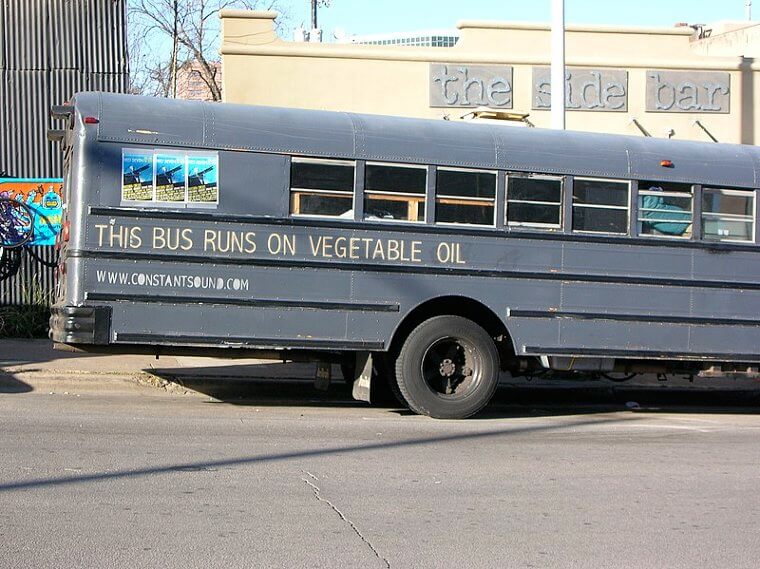
The viscosity of vegetable oil is just too thick for most newer engines, whereas older diesel engines were much less complex and could keep on running no matter what.
Myth: Start-Stop Systems In Cars Use More Gas And Drain Batteries
A lot of people absolutely hate start-stop systems, so it’s no surprise that they’re associated with a few myths. These usually go a little something like start-stop systems use more gas, destroy starters, and drain the juice out of car batteries. We’re here to tell you that start-stop systems, while annoying, actually result in more fuel efficiency. In addition, starters on these cars are usually fine since engineers make sure to beef these up.

These systems will take a toll on normal batteries, but most cars that utilize a start-stop system usually come with a special battery and require that you buy that same type of battery when it comes time for a replacement.
Myth: You Can Wash Your Car With Dishwashing Soap
Here’s a pretty divisive myth. Is dish soap, such as Dawn, okay to use to wash your car? A simple Google search will leave you with all kinds of answers, most of which say it’s not okay to use to wash your car. The truth is actually a bit more complicated than that. Dish soaps certainly work in getting your care squeaky clean. However, they’re also known to strip any wax finish you may have applied.

Consumer Report also recommends that you use a soap that’s been specially made to be used on cars, and considering how expensive a paint job can be, we’d say stick with their recommendation just to be safe.
Myth: Aluminum Is Safer Than Steel
A lot of manufacturers have switched from making car parts out of steel to making them out of aluminum in recent years. Why? A lot of the reason has to do with the lighter weight of aluminum, which translates into better mileage. However, which is safer for drivers? Steel or aluminum. The latter is a softer metal, but it has allowed car makers to make better crumple zones, which has resulted in safer crashes.
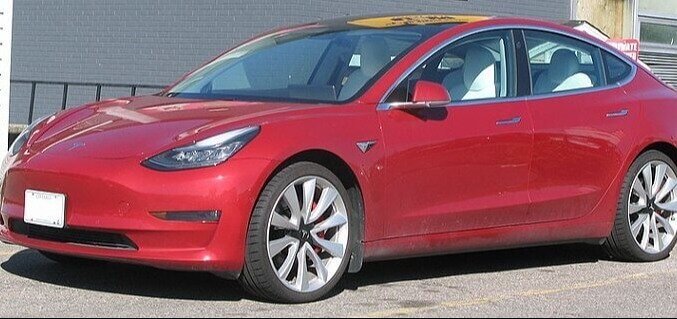
When compared to steel, pound for pound, aluminum is also better able to absorb impacts. So, in the grand scheme of things, yes aluminum is safer than steel when utilized in a smart way.
Myth: Korean Cars Are Low Quality
This is another myth that may have been based on some truth back in the day. However, despite still being relatively cheap compared to their competitors, Korean companies like Hyundai and Kia actually make some pretty good cars. Of course, that wasn’t necessarily always the case, and that may be where this myth got its start. But today, many of their cars perform pretty well, especially when their price is taken into account.
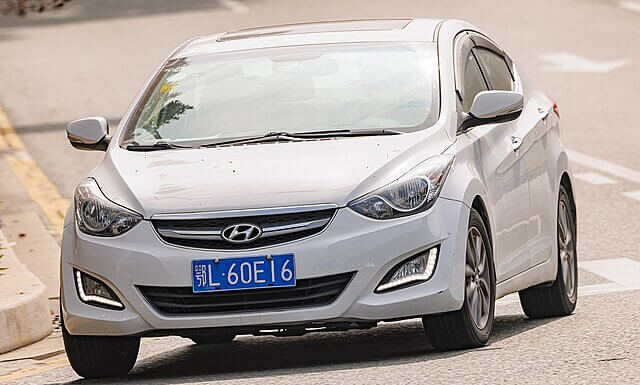
In fact, in 2019, JD Power said that Korean car makers were beating their American and European rivals when it came to quality, according to Wired. Next were the Americans, followed by Japanese automakers, and then the Europeans, which in itself is also kind of surprising.
Myth: Electric Cars Are More Likely To Catch Fire Than Their Gas Counterparts
Here’s a myth that might seem like it’s logical on the surface. It goes that electric vehicles are more likely to catch fire than their gas counterparts. There has been a couple of studies done on this and they’ve all found that not to be true. Gas is simply more flammable and more likely to catch fire than a battery-powered car. That said, electric fires are different from those caused by gas, and many first responders are still adapting to this change.
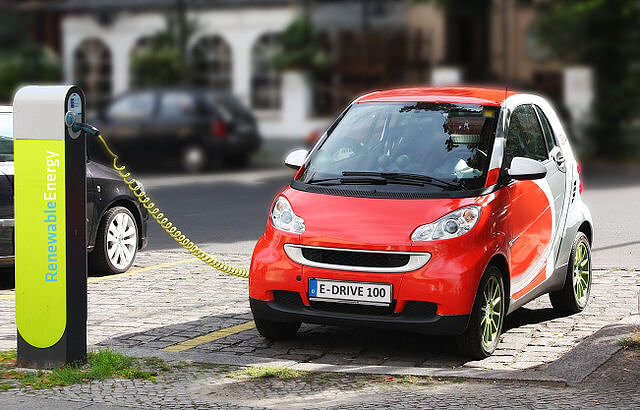
However, numbers still back up the fact that gas-powered vehicles are much more likely to combust than their battery-powered counterparts, even when adjusted for the amount of each type of car on the road.
Myth: Setting A Battery On Concrete Drains It
This is a pretty popular myth, and even a lot of people that’ve worked in mechanic shops their entire lives will tell you that laying a battering on concrete will cause it to lose its charge. As it turns out, this myth actually has some basis in fact, or at least it used to. Before battery casings were constructed in the hard casings used today, it wasn’t uncommon for concrete or a damp floor to cause a battery to lose power.
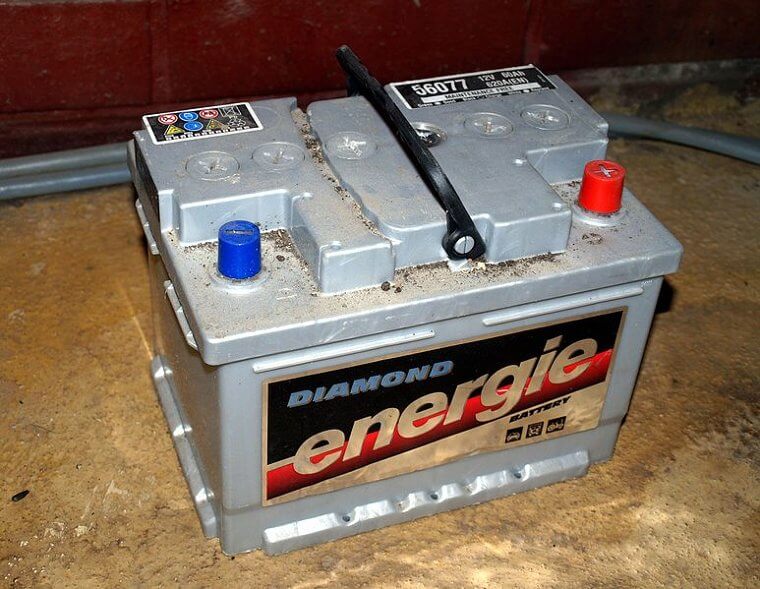
However, that simply isn’t the case today, and concrete doesn’t negatively affect car batteries in any way. If your battery does lose charge while sitting on concrete then it’s probably just been sitting out for too long.
Myth: Lowering Your Tailgate Saves On Gas
This is another old myth, although we’re not quite sure where this one came from. Maybe it’s just logical to think that driving with the tailgate down reduces drag. After all, isn’t all of that wind slowing you down when it hits the back of your tailgate while you’re driving down the road? Well, it turns out that no, actually, it isn’t. In fact, driving with a tailgate down causes more drag.
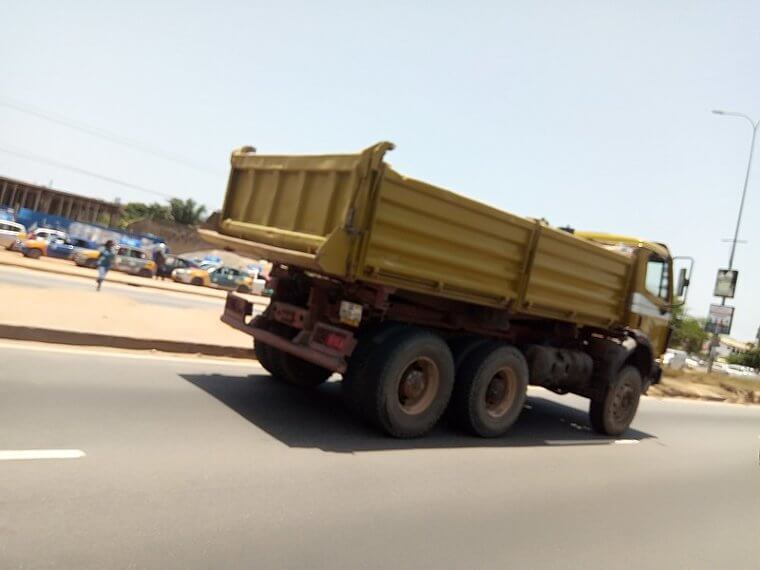
We’re not engineers, so we’re not exactly sure how it works. But the people that are engineers figured out a long time ago that driving with your tailgate down creates a vortex, and thus, more drag.
Myth: Using The Air Conditioner Uses More Gas
This is one that some people live by. It could be record-breaking temperatures outside, and some people will still refuse to use the AC because they want to save gas. But does using the AC really result in more gas being used? It turns out that it does. Now, we’re not saying you shouldn’t roll up your windows and turn on the AC when it’s 110 outside, but just be aware that you are using a bit more gas.

The average amount of fuel used can vary pretty widely according to the vehicle, but we’ve seen some sources place it as high as three mpg, which is a good bit.
Myth: Manuals Are Better On Gas Than Automatics
Here’s another myth that actually used to have a lot of basis in fact. Before automatics got as good as they are today, manuals actually used to be the better choice when it came to saving on gas, (and having fun while driving, but we digress). However, sadly today automatics are better in just about every way. Not only are they more fuel efficient but they’re better at shifting in just about any situation.
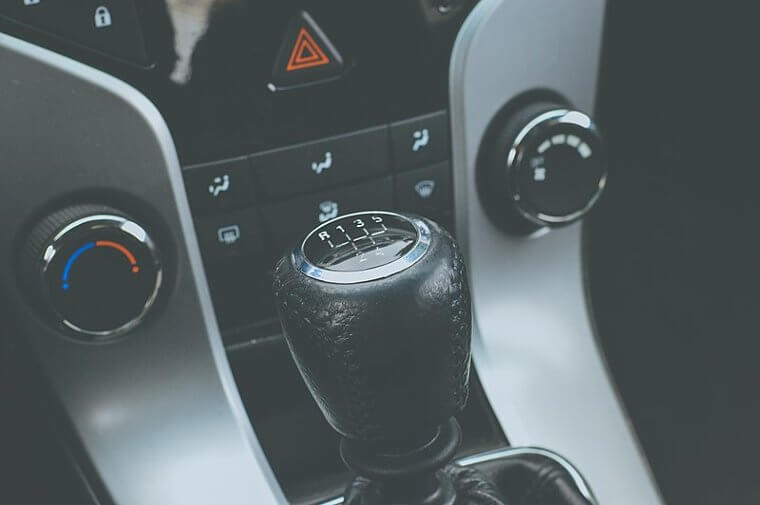
This also means that they’re more likely to increase the life of your vehicle, whereas older automatics were known to be unreliable and prone to breaking down.
Myth: Red Car Owners Should Expect To Pay More For Insurance
This is a bit of a weird one, but it’s also one that most people have heard before. The myth goes that red cars are more to insure than their differently colored counterparts. It kind of makes sense if you think about red sports cars, but that’s about it. And in fact, there is no basis for this myth. Insurance companies have much more reliable ways to tell if someone is a bit more prone to speeding and having an accident.
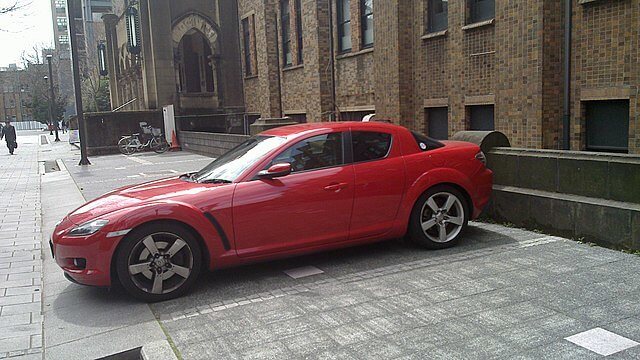
Some of those variables include things like the type of car and a driver’s age. Because the teen with a fast sports car is much more likely to speed than the older driver with a truck or SUV.
Myth: Muscle Cars Can’t Take A Turn
The common wisdom out there is that muscle cars do one thing, and they do that thing well: accelerate in a straight line. Well, that was true back in the day when just about every town had a drag strip, but it’s not so true now. Today’s muscle cars are more than able to keep up with their foreign counterparts on the track and many of them have captured track records in recent years.
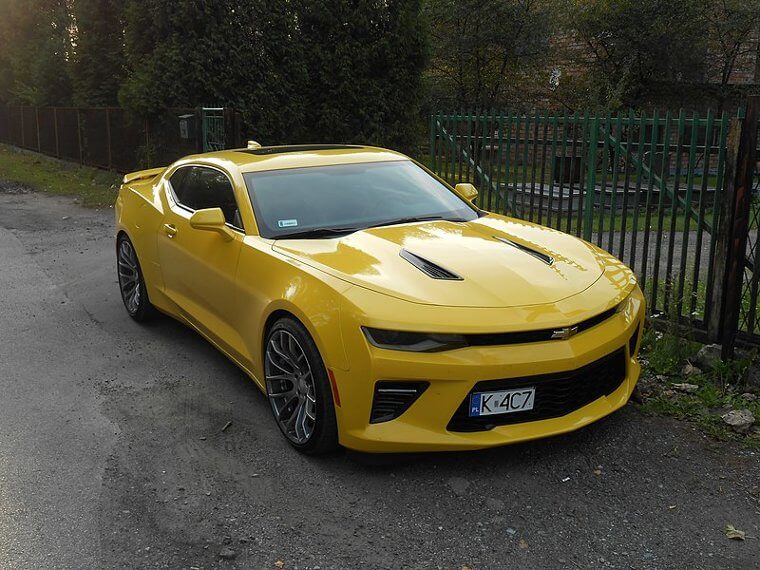
Not only that, but they’ve done it without sacrificing the aggressive styling, large V8s, and sounds that make them so popular. Of course, we’re probably approaching the last era in which you’ll see V8s on the road.