Whether you’re a seasoned mechanic or someone who’s never peeked under a hood, chances are you’ve encountered at least one automotive myth or urban legend. These stories often stem from experienced folks like grandfathers or longtime mechanics. But does the prevalence of these tales mean they hold any truth? Well, for some, perhaps, but for others, not quite. In reality, the truth behind these myths tends to be more nuanced than simply true or false.
Myth: Nitrogen Is Better For Your Tires Than Air
There’s an old myth that nitrogen is actually better for your tires than air. And this one actually has some truth to it, though if it’s actually worth it might depend on the type of car owner you are. Using nitrogen instead of air results in far less deflation over time. It can also be better for your tire since air can contain more moisture than nitrogen. However, it’s also a lot more expensive.
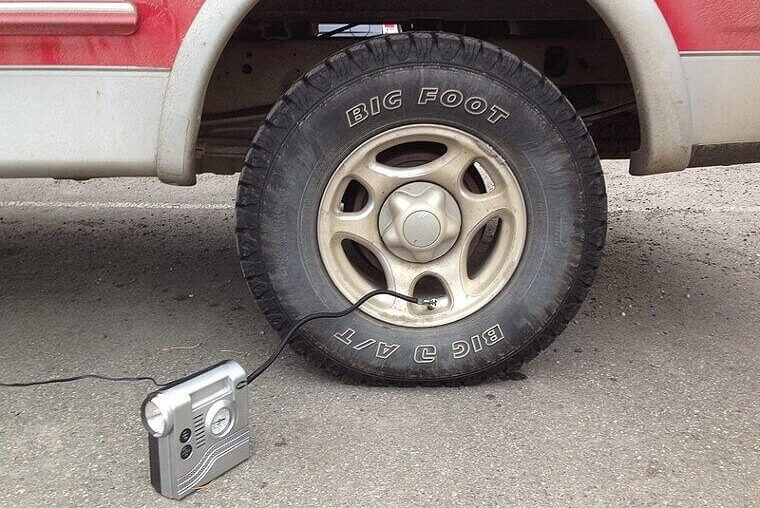
Filling a tire up with nitrogen could run you upwards of $30 a pop. So, as long as you regularly check the air pressure in your tires, there isn’t a reason for most people to use nitrogen.
Myth: A Car Battery Lasts Upwards Of Five Years
This is kind of a surprising fact, but according to AAA, around 42% of people think that batteries are basically guaranteed to last up to five years. We’ve never actually thought about it, but the truth is that batteries usually last anywhere from three to five years, with fewer lasting longer than that. That number can also vary a lot depending on your driving habits and the climate where you live.
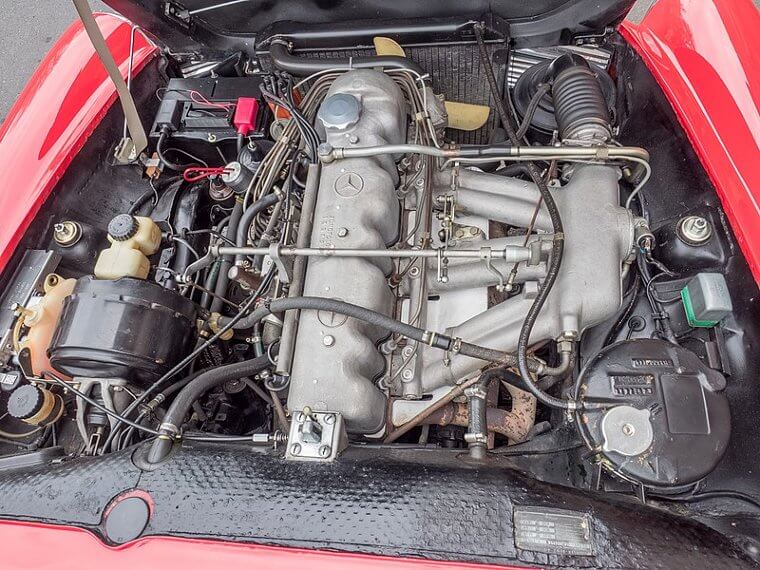
In short, most batteries aren’t going to make it to that five-year mark, and you should probably budget for the day when that battery finally succumbs to all those times you ran the radio without the car off.
Myth: Wiping An Oil Filter Clean Is Good For It
There’s a myth out there that you should always wipe the lid of your oil filter clean before installing it on your car or truck. This probably won’t surprise most people who’ve changed their own oil before, but this one is completely false. The only time you should wipe the top of your oil filter clean is if it falls in the dirt while you’re trying to screw it on.
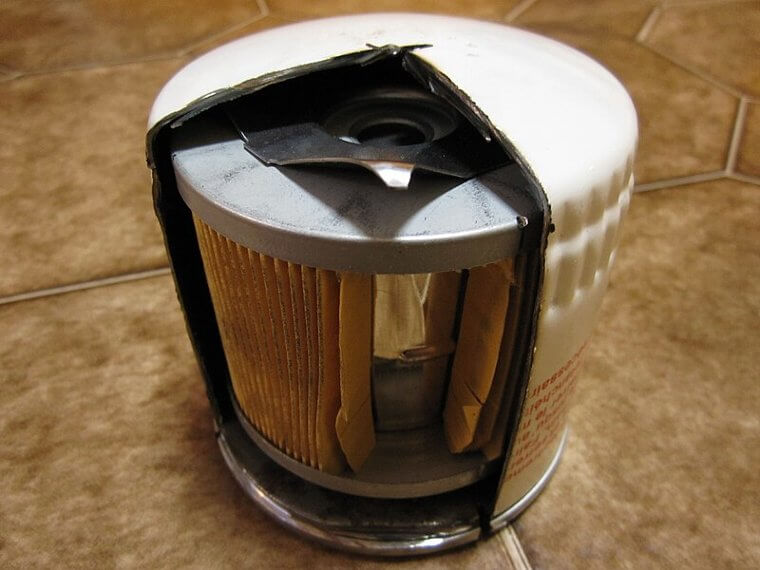
Before installing it, you should actually wipe some old oil around the rubber sealer on the top so that it seals tightly when after you screw it on. Not doing this can result in a seal that can come loose.
Myth: Cars Can Stop Bullets
According to most Hollywood movies, cars are as good as brick walls when it comes to stopping bullets. In truth, this isn’t the case. Of course, it depends on the caliber of the bullet but most calibers larger than a .22 are capable of punching through the thing metal on a car door. That isn’t to say they’re totally useless as they can be used to hide behind in the event of a shooting.
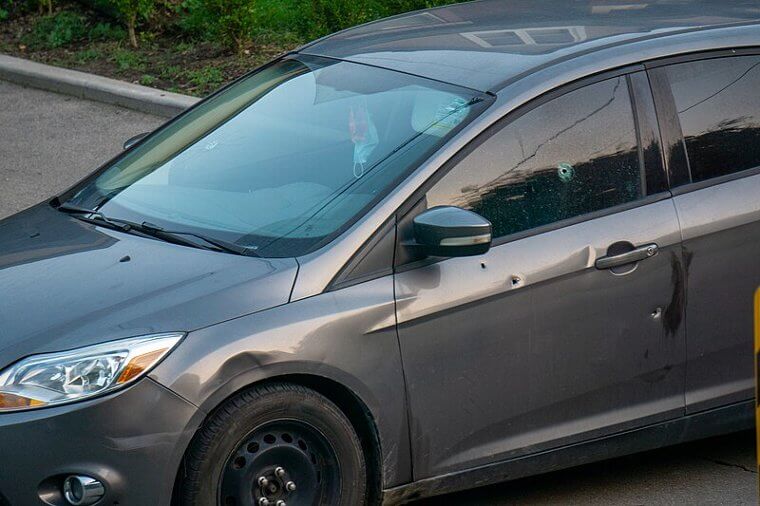
Of course, we hope that nobody reading this ever finds themselves in a situation like that, but if you do, just remember that the metal on a car is actually pretty thin.
Myth: Electric Cars Are More Expensive Than Gas-Powered Cars
This is a myth that seems pretty clear-cut. It states that electric vehicles are more expensive than their gas-powered counterparts. This one kind of just depends on how you look at it. The average upfront price for an electric vehicle is almost always going to be more than that of a gas-powered car. However, they also retain their value a little better than those gas-powered cars, so there’s that.
It’s also worth noting that electric cars usually require a lot less maintenance than gas-powered cars, although when it does require maintenance, expect to have to go to a certified dealership and pay a premium price.
Myth: The Minerals Used In Electric Cars Are Mined By Kids
So, this one is a bit complicated. For the vast majority of minerals used to make electric vehicles, there is no child labor involved. However, that doesn’t mean that there haven’t been some bad actors out there. According to the U.S. Department of Labor, there has been child labor involved in the extraction of cobalt in the Democratic Republic of Congo. The cobalt mined there was probably used in everything from phone batteries to car batteries.

There’s also been some concern about mining conditions in other areas. However, there’s also been more awareness in recent years and efforts to ban minerals from these countries from entering the supply chain.
Myth: You Shouldn’t Use Your Phone When At The Pump
They might not be on every gas station pump anymore, but you can still come across pumps with signs telling you not to use your phone while pumping gas. However, it turns out that these signs, like many other myths on this list, just harken back to a different time. When phones were larger and had those big antennas, it may have been possible that a spark could ignite a pump.

However, that’s simply not the case anymore. Today’s phones are perfectly fine to use at the pump. Multiple researchers, and even the show “Mythbusters” have tackled this one before and found they couldn’t cause fumes to ignite using cell phones.
Myth: Off-Brand Gas Can Hurt Your Vehicle
Depending on where you live, odds are you usually fill up at a big-name gas station, such as Chevron or Shell. However, big-name oil gas stations aren’t the only options out there. And for some reason, smaller gas stations are often associated with harmful gasoline. The truth is that small gas station is probably getting their gas from the same plants as the big guys. The only difference is in the amount of additives the two put in their gas.
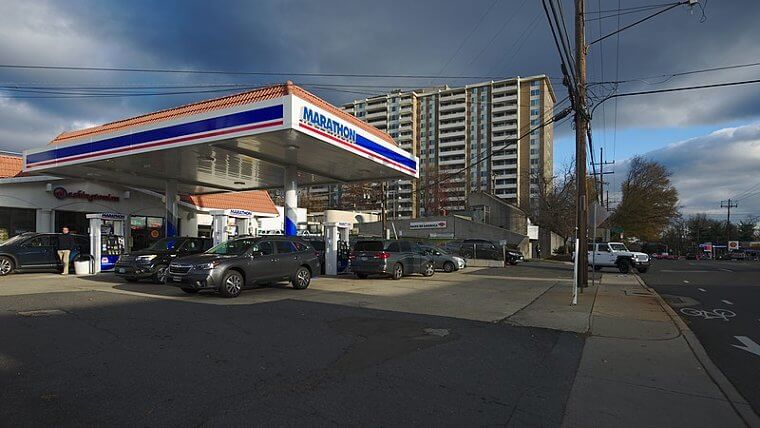
Big-name gas stations usually put more additives in their gas, but there’s still absolutely nothing wrong with the gas at the smaller gas station. The only issue with gas quality arises when tanks aren’t properly maintained and this could just as easily occur with one of the big guys.
Myth: Smaller Cars Are Always More Fuel Efficient
Logically, it makes sense that smaller cars would always be more fuel efficient than their heavier, more powerfully equipped counterparts. And in truth, this usually is the case. However, we’ll also say that engine fuel efficiency has come a long way in recent years, and larger SUVs and trucks are much more fuel efficient than they were even six or seven years ago. Still, their lighter weight usually gives smaller cars the advantage in this category.

Of course, there are exceptions to the rule, and some SUVs and trucks equipped with hybrid engines and more fuel-efficient technology can score better than their smaller rivals.
Myth: Cranking A Car Takes More Gas Than Idling
Most of us have been in a situation where we’re so low on gas that we’re forced to make half-baked calculations in our heads about whether or not we should turn our car off or leave it idling in order to save gas. The old saying goes that cranking a car uses more gas than actually sitting there idling. However, is it actually true? And just what should we be doing the next time we’re waiting on somebody and that gas needle is threading E?

It turns out that we’re probably okay turning the car off if we’re going to be sitting there for more than 30 seconds. That’s because newer fuel-injected vehicles are usually pretty good at not taking a lot of gas to start.
Myth: You Can Use Vegetable Oil In Place Of Diesel
This is a pretty old myth, but it goes that you can use vegetables as a diesel substitute. It turns out that if you were brave enough to try this back in the day, most likely on an old tractor, you’d probably be okay. However, things have changed since then, and using vegetable oil in your new shiny diesel truck would probably cause a lot of harm. We say probably because we’re not brave enough to try it.
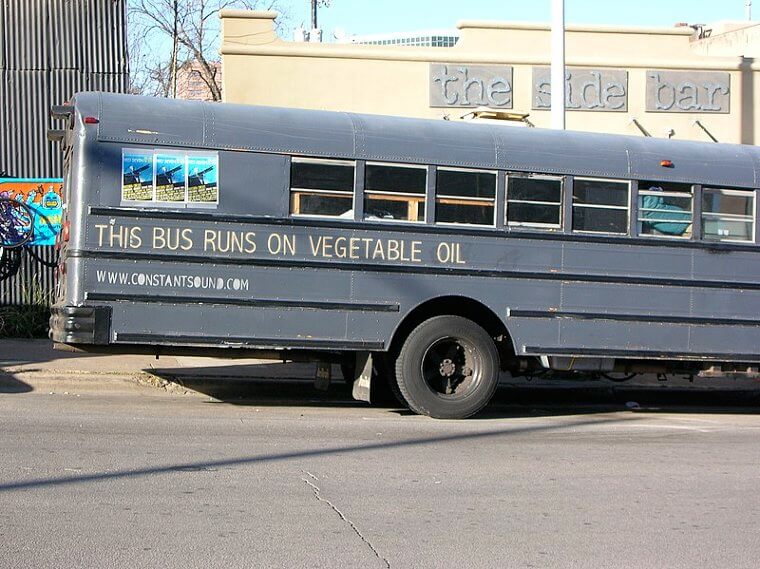
The viscosity of vegetable oil is just too thick for most newer engines, whereas older diesel engines were much less complex and could keep on running no matter what.
Myth: Start-Stop Systems In Cars Use More Gas And Drain Batteries
A lot of people absolutely hate start-stop systems, so it’s no surprise that they’re associated with a few myths. These usually go a little something like start-stop systems use more gas, destroy starters, and drain the juice out of car batteries. We’re here to tell you that start-stop systems, while annoying, actually result in more fuel efficiency. In addition, starters on these cars are usually fine since engineers make sure to beef these up.

These systems will take a toll on normal batteries, but most cars that utilize a start-stop system usually come with a special battery and require that you buy that same type of battery when it comes time for a replacement.