Ultra-Cheap “doorbuster” 4K TVs (Black-Friday-Only Variants)
These specials look irresistible, but they’re usually stripped-down builds that share model names with nicer versions while quietly removing key parts. Expect lower peak brightness, weak HDR tone-mapping, limited color volume, fewer HDMI ports, slower processors, and mediocre motion handling—issues a store demo loop conveniently hides. After setup, sports smear, shadow detail crushes, and apps crawl. Returns are a pain once the box is trashed.

Safer bet: last year’s well-reviewed midrange models with measured brightness, local dimming, HDMI 2.1, and eARC, often discounted as deeply without hidden compromises.
“1080p Supported” Mini Projectors With Low Native Resolution
“1080p supported” means the projector accepts a 1080p signal but downscales to a lower native resolution. Claimed lumens are often marketing fantasy, so daytime viewing looks muddy and nighttime blacks are gray. Keystone fixes and digital zoom soften focus, while fan noise intrudes on quiet scenes. Built-in speakers disappoint, and weak app support frustrates. People regret the purchase after the first movie night.
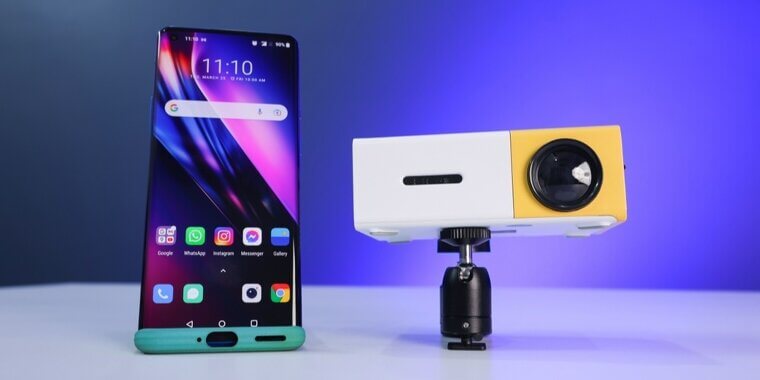
Safer alternatives: an actual 1080p home-theater projector from established brands, a brighter short-throw model for small rooms, or even a large, high-quality TV if you watch mostly with lights on.
Budget “HDR” Computer Monitors With Low DisplayHDR Certifications
“HDR” on the box misleads. HDR400 panels rarely deliver meaningful highlights because they lack local dimming, wide color gamuts, and sustained brightness. You’ll see slightly elevated SDR rather than true dynamic range, plus gradient banding from 8-bit+FRC and raised blacks that wash out dark scenes. Many also ship with shaky factory calibration and mediocre contrast from inexpensive IPS. Buyers expect cinematic punch and feel deflated.

If you actually want HDR, spring for true 10-bit panels with HDR600/1000 targets, proper local dimming, verified wide gamut, and credible measurements from rigorous reviewers—not marketing slides.
Older Smartphones Nearing End of Software Support
The discount looks huge because the runway is short. Near-EoL phones stop getting security patches soon, struggle with newer apps, and ship with batteries already past their prime. Cameras falter in low light, 5G band support can be incomplete, and resale value collapses quickly. Sellers sometimes blur the release year in listings, compounding confusion. Buyers regret the false economy within months.

Choose recent models with clear multi-year OS and security commitments, or certified refurbs with fresh batteries and warranties from reputable programs. You’ll keep features, app compatibility, and trade-in value much longer.