From stadium-shaking pioneers to genre-bending innovators, these rock bands changed music—and culture—forever. We ranked them by influence, longevity, impact, and sheer sonic firepower. Cue the riffs, brace for debate, and discover who truly deserves the crown.
Iron Maiden
They fused galloping bass lines, twin-guitar harmonies, and Bruce Dickinson’s operatic roar into a sound both epic and precise. With Steve Harris’s songwriting vision, Iron Maiden pushed metal toward narrative grandeur—concept suites, historical sagas, and cinematic hooks—while keeping everything ferociously melodic. Landmark albums like “The Number of the Beast,” “Powerslave,” and “Seventh Son of a Seventh Son” set the bar for musicianship and ambition.
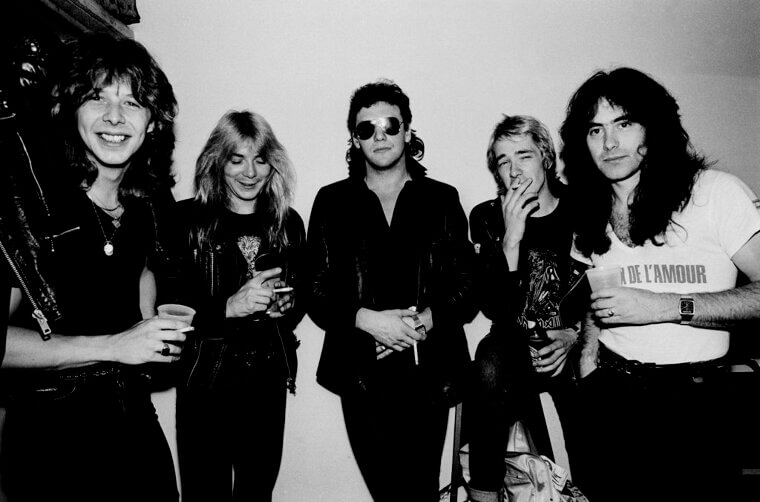
Their mascot Eddie, artwork, and stagecraft made every tour an event, while a work ethic built a fanbase. Few bands match their consistency and influence across power, prog, and thrash metal.
Deep Purple
Deep Purple welded classical-tinged organ, molten guitar, and turbocharged rhythm into a template for hard rock and early heavy metal. The Mark II lineup—Ritchie Blackmore, Jon Lord, Ian Gillan, Roger Glover, and Ian Paice—set new standards for precision and firepower. “Highway Star” practically invents the speed-metal solo; “Smoke on the Water” supplied rock’s most famous riff. Onstage, “Made in Japan” captured improvisational fury with arena-shaking dynamics.
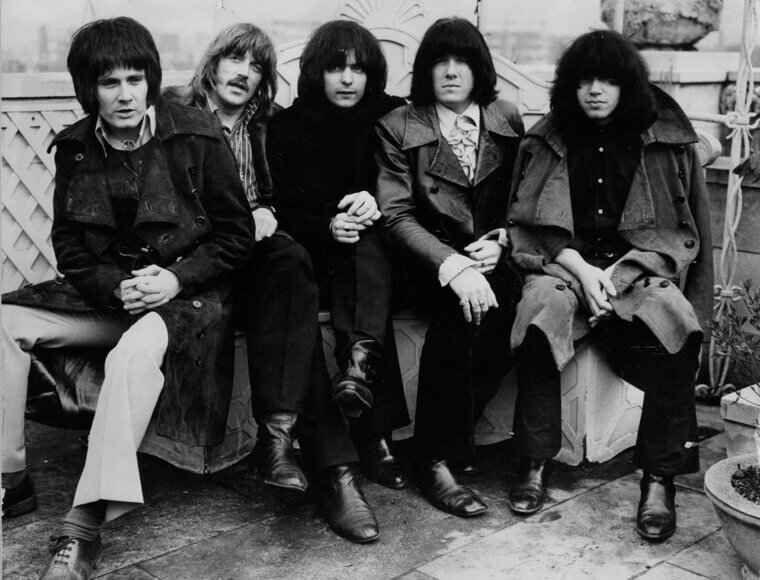
Across reinventions and comebacks like “Perfect Strangers,” they stayed inventive and loud. Their virtuosity, songwriting punch, and sheer power influenced generations of bands and still resonate worldwide.
Tom Petty and the Heartbreakers
Tom Petty and the Heartbreakers distilled American rock to its essentials: chiming Rickenbackers, unpretentious storytelling, and hooks that feel inevitable. With Mike Campbell’s lyrical guitar and Benmont Tench’s soulful keys, the band balanced clenched-jaw drive with jangly grace. Landmark records like “Damn the Torpedoes” and “Into the Great Wide Open” delivered radio staples—“American Girl,” “Refugee,” “The Waiting”—that never age.
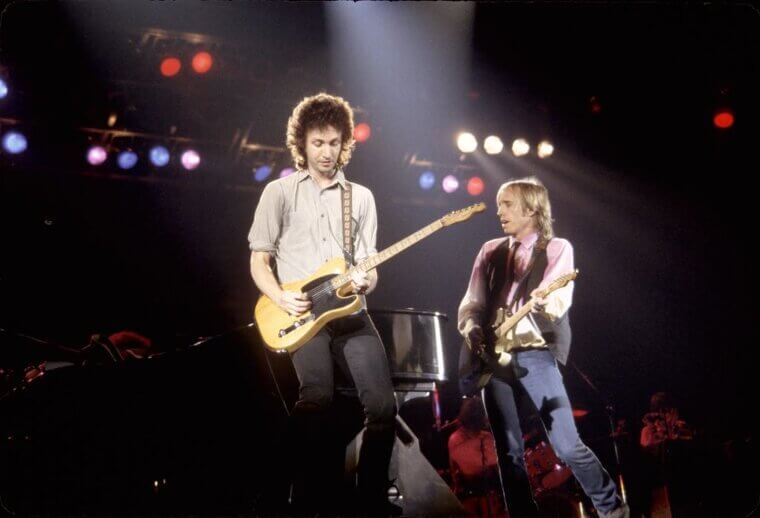
Fiercely independent, they fought for fans against label price hikes, then filled arenas for decades. Petty’s plainspoken poetry and the band’s telepathic chemistry made timeless songs sound effortless—and define heartland rock’s beating pulse.
The Grateful Dead
They turned American music into a living conversation, blending folk, blues, bluegrass, country, and psychedelia with fearless improvisation. Jerry Garcia and Robert Hunter wrote durable songs—“Ripple,” “Friend of the Devil,” “Truckin’”—that invited reinterpretation night after night. Onstage, telepathic jams made each show unique, documented by a taping culture the band encouraged, nurturing a nationwide community. Innovations like the Wall of Sound and marathon tours forged a self-sustaining ecosystem long before streaming.
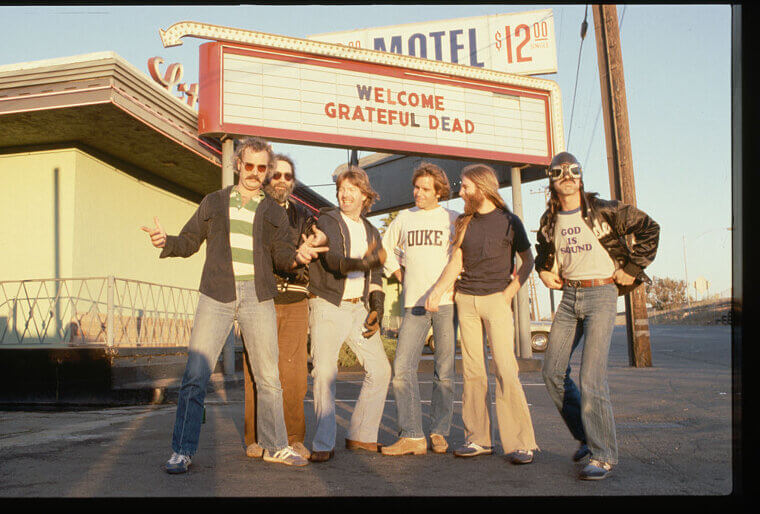
From Europe ’72 to Cornell ’77, the Dead proved longevity through curiosity, reshaping how bands tour, record, and relate to fans.