From stadium-shaking pioneers to genre-bending innovators, these rock bands changed music—and culture—forever. We ranked them by influence, longevity, impact, and sheer sonic firepower. Cue the riffs, brace for debate, and discover who truly deserves the crown.
Iron Maiden
They fused galloping bass lines, twin-guitar harmonies, and Bruce Dickinson’s operatic roar into a sound both epic and precise. With Steve Harris’s songwriting vision, Iron Maiden pushed metal toward narrative grandeur—concept suites, historical sagas, and cinematic hooks—while keeping everything ferociously melodic. Landmark albums like “The Number of the Beast,” “Powerslave,” and “Seventh Son of a Seventh Son” set the bar for musicianship and ambition.
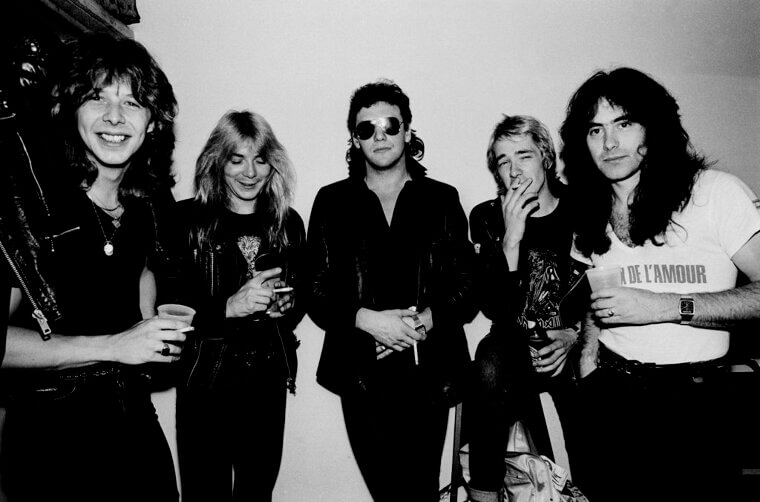
Their mascot Eddie, artwork, and stagecraft made every tour an event, while a work ethic built a fanbase. Few bands match their consistency and influence across power, prog, and thrash metal.
Deep Purple
Deep Purple welded classical-tinged organ, molten guitar, and turbocharged rhythm into a template for hard rock and early heavy metal. The Mark II lineup—Ritchie Blackmore, Jon Lord, Ian Gillan, Roger Glover, and Ian Paice—set new standards for precision and firepower. “Highway Star” practically invents the speed-metal solo; “Smoke on the Water” supplied rock’s most famous riff. Onstage, “Made in Japan” captured improvisational fury with arena-shaking dynamics.
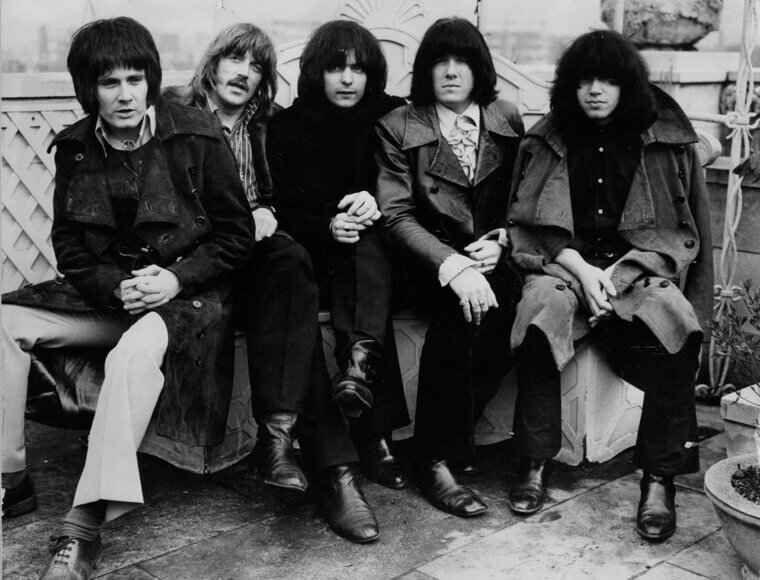
Across reinventions and comebacks like “Perfect Strangers,” they stayed inventive and loud. Their virtuosity, songwriting punch, and sheer power influenced generations of bands and still resonate worldwide.
Tom Petty and the Heartbreakers
Tom Petty and the Heartbreakers distilled American rock to its essentials: chiming Rickenbackers, unpretentious storytelling, and hooks that feel inevitable. With Mike Campbell’s lyrical guitar and Benmont Tench’s soulful keys, the band balanced clenched-jaw drive with jangly grace. Landmark records like “Damn the Torpedoes” and “Into the Great Wide Open” delivered radio staples—“American Girl,” “Refugee,” “The Waiting”—that never age.
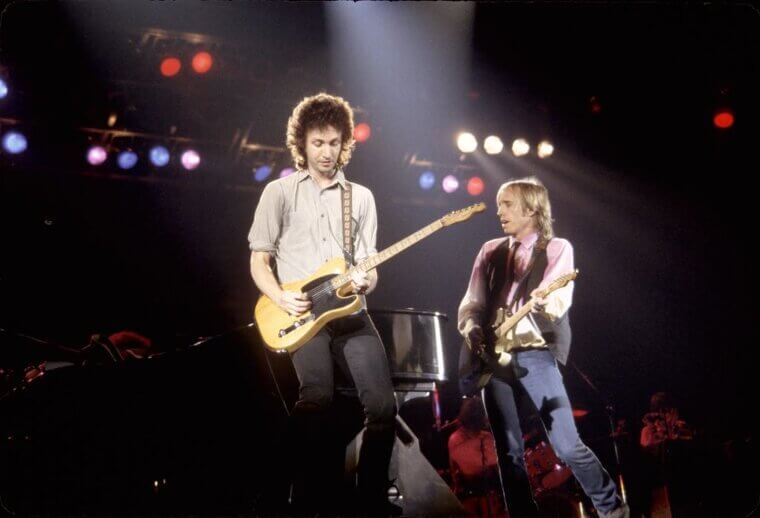
Fiercely independent, they fought for fans against label price hikes, then filled arenas for decades. Petty’s plainspoken poetry and the band’s telepathic chemistry made timeless songs sound effortless—and define heartland rock’s beating pulse.
The Grateful Dead
They turned American music into a living conversation, blending folk, blues, bluegrass, country, and psychedelia with fearless improvisation. Jerry Garcia and Robert Hunter wrote durable songs—“Ripple,” “Friend of the Devil,” “Truckin’”—that invited reinterpretation night after night. Onstage, telepathic jams made each show unique, documented by a taping culture the band encouraged, nurturing a nationwide community. Innovations like the Wall of Sound and marathon tours forged a self-sustaining ecosystem long before streaming.
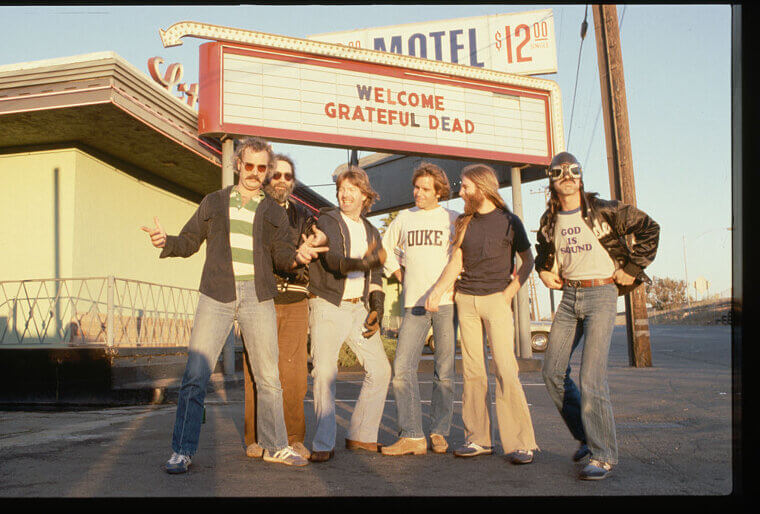
From Europe ’72 to Cornell ’77, the Dead proved longevity through curiosity, reshaping how bands tour, record, and relate to fans.
Lynyrd Skynyrd
They forged Southern rock’s definitive roar—triple-guitar firepower, muscle-tight rhythms, and Ronnie Van Zant’s plainspoken bite. “Sweet Home Alabama,” “Gimme Back My Bullets,” and the multi-section epic “Free Bird” became barroom hymns and catharsis. Beneath the swagger were sharp arrangements, blues feel, and country storytelling that honored roots while hitting like hard rock. Their road-warrior chops made them a lethal live band, captured on One More from the Road.
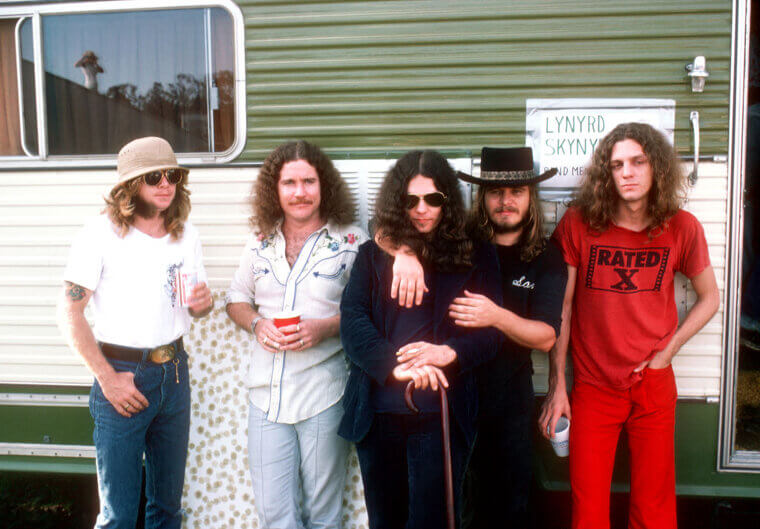
Despite tragedy, they revived and endured, influencing generations from country to metal with riffs and uncompromising attitude. The 1973–77 lineup remains a benchmark for guitar interplay.
Pink Floyd
They transformed rock into widescreen cinema—melding experimental sound design, spacious guitar lyricism, and philosophical narratives. With the classic core of David Gilmour, Roger Waters, Richard Wright, and Nick Mason, they perfected the concept album as immersive journey. “The Dark Side of the Moon,” “Wish You Were Here,” “Animals,” and “The Wall” reinvented studio craft with tape loops, synthesizers, and seamless suites.
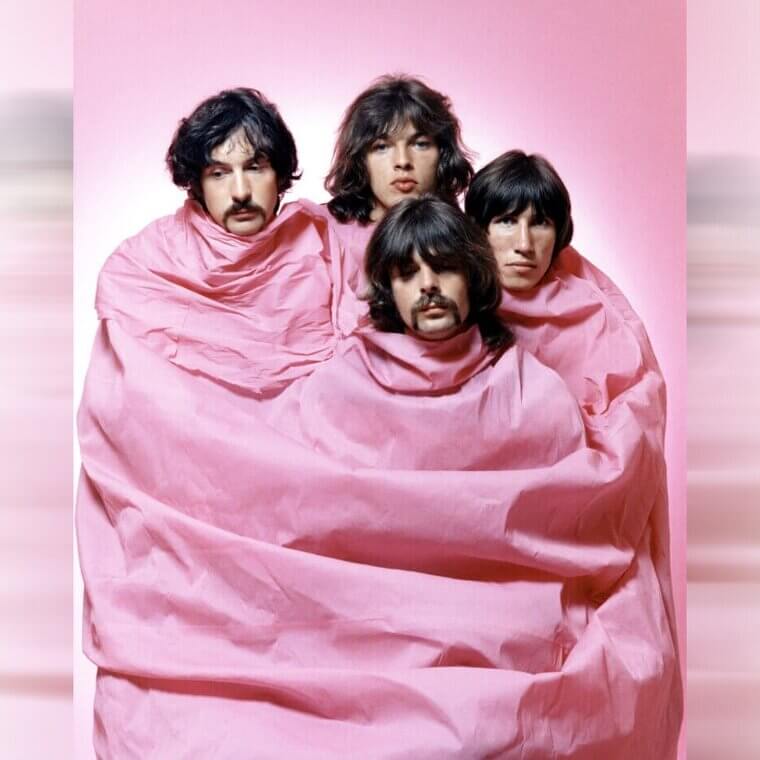
Onstage, quadraphonic sound and monumental visuals redefined arena spectacle. Their melodies haunt, their atmospheres linger, and their ideas invite decades of re-listening—progressive yet emotional, ambitious yet deeply humane and resonant.
AC/DC
AC/DC proved restraint can be thunderous: riff-first songs, primal grooves, and choruses built to detonate stadiums. Angus Young’s knife-edged tone and duck-walking bravado met Malcolm Young’s granite rhythm, a machine that never wavered. With Bon Scott’s sly snarl and Brian Johnson’s sandpaper scream, they carried the same no-frills gospel across eras. “High Voltage,” “Highway to Hell,” and “Back in Black” stacked immortal anthems—economical, catchy, indestructible.
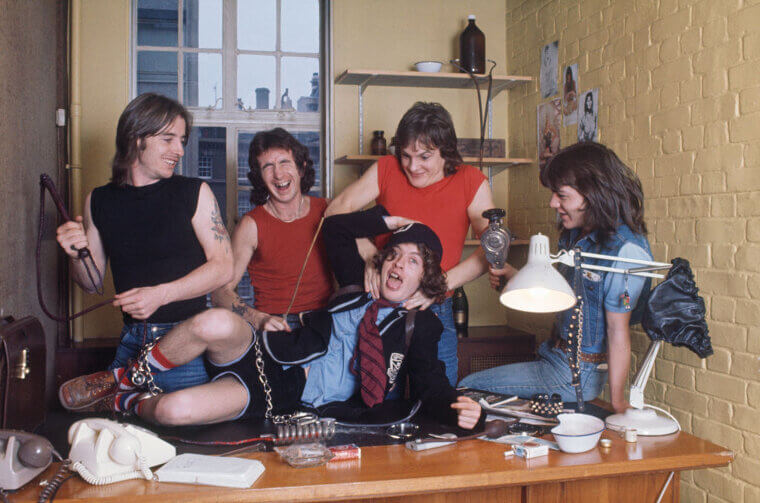
Live, they turned repetition into ritual, swing into stomp. Few bands have a clearer identity—or a longer run of fist-pumping, joyously unpretentious rock that still ignites crowds worldwide.
Red Hot Chili Peppers
They turned funk-punk mischief into stadium-dominating rock, fusing Flea’s elastic bass, John Frusciante’s melodic filigree, Chad Smith’s heavyweight swing, and Anthony Kiedis’s percussive cadences. With Rick Rubin-era breakthroughs—“Blood Sugar Sex Magik,” “Californication,” “By the Way,” and “Stadium Arcadium”—they balanced red-hot grooves with aching vulnerability. “Under the Bridge” and “Give It Away” became generational touchstones, while deep cuts stretched with improvisational spark.
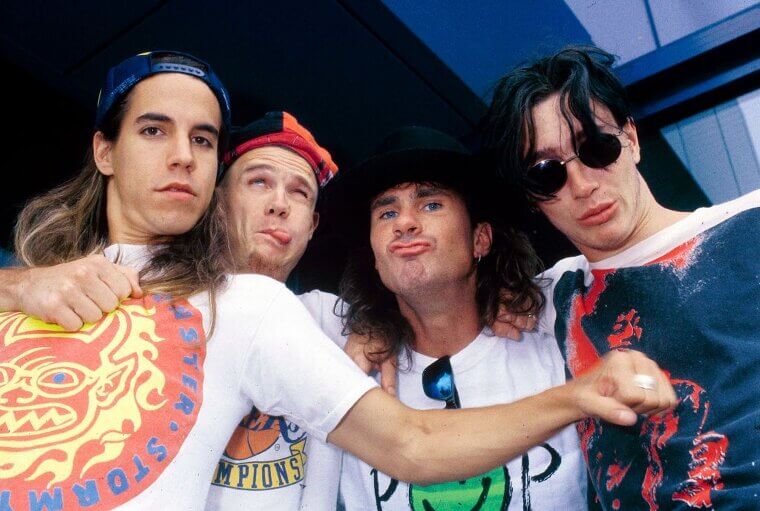
Decades of reinvention, lineup resilience, and a distinctly Los Angeles spirit kept them innovative and omnipresent. Few bands better translate feel into songs that move bodies first and hearts soon after.
The Velvet Underground
They made art-rock dangerous and intimate, marrying Lou Reed’s deadpan storytelling with John Cale’s drones, minimal drums, and serrated feedback. Under Andy Warhol’s wing—and briefly with Nico—they treated taboo subjects with candor, turning New York’s grit into poetry. The banana album, “White Light/White Heat,” and “Loaded” mapped blueprints for punk, noise, indie, shoegaze, and experimental pop. Velvet’s influence dwarfed early sales: every cult listener started a band.
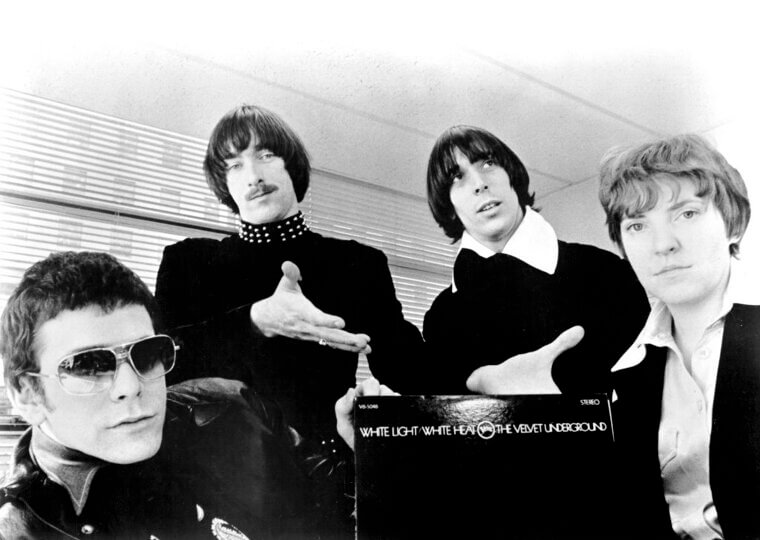
Their refusal of polish, insistence on truth, and melodic nerve made transgression sing—and permanently widened rock’s emotional and sonic palette. They remain the ur-text for outsiders.
The Replacements
They turned punk’s ragged energy into cathartic, melodic confessionals, with Paul Westerberg’s tuneful rasp giving misfits anthems to grow up by. From Minneapolis bars to college radio, they bridged hardcore bite and classic pop craft, influencing alt-rock’s entire 1990s wave. “Let It Be,” “Tim,” and “Pleased to Meet Me” balanced reckless humor with startling tenderness—“Bastards of Young,” “Unsatisfied,” “Can’t Hardly Wait.”
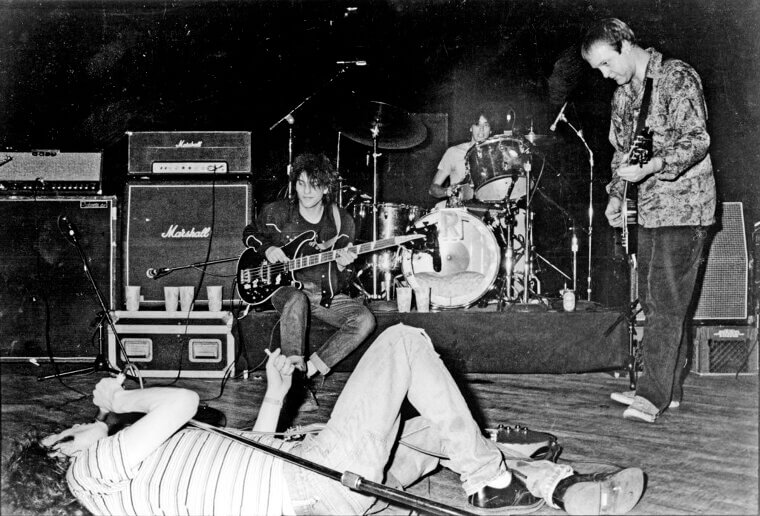
Infamously shambolic live, they could implode or transcend in the same set, yet the songs endured. The Replacements proved sincerity could snarl, making vulnerability loud and unforgettable—and countless bands followed their blueprint.
Santana
Combining searing blues-rock with Afro-Latin rhythms, Santana made the electric guitar dance, sing, and chant. Carlos Santana’s lyrical sustain, percussive conversations, and modal excursions opened psychedelic rock to salsa, jazz, and spiritual uplift. Their Woodstock breakthrough and the self-titled debut, Abraxas, and Santana III delivered standards like Black Magic Woman, Oye Como Va, and Samba Pa Ti. Decades later, Supernatural proved their relevance with cross-genre hits and Grammys.
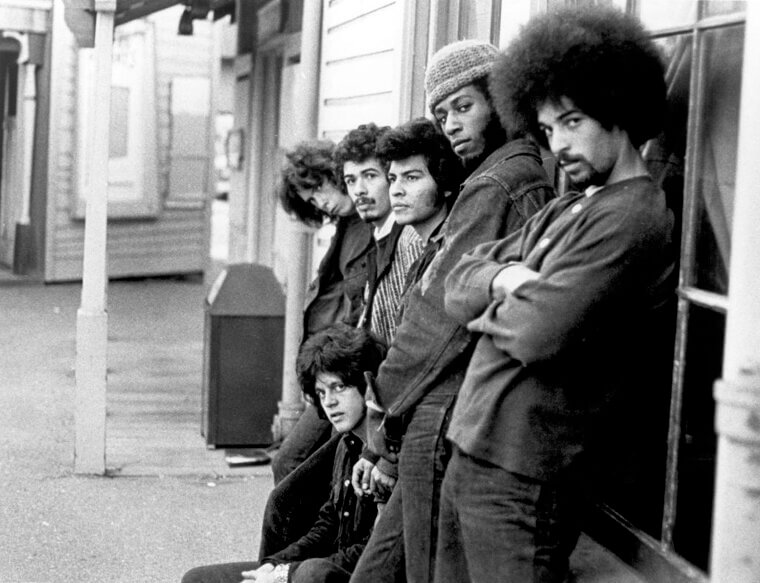
Beyond charts, Santana’s global groove redefined fusion for radio and arenas, inspiring guitarists and percussionists to chase feel, melody, and transcendence for generations to come.
The Yardbirds
They turned British blues into a launchpad for invention, incubating three era-defining guitarists—Eric Clapton, Jeff Beck, and Jimmy Page—and weaponizing feedback, fuzz, and raga motifs years before psychedelia took hold. Their rave-up live surges pushed songs to ecstatic extremes, while hits like “For Your Love,” “Heart Full of Soul,” and “Shapes of Things” smuggled adventurous harmony and tone onto pop radio.
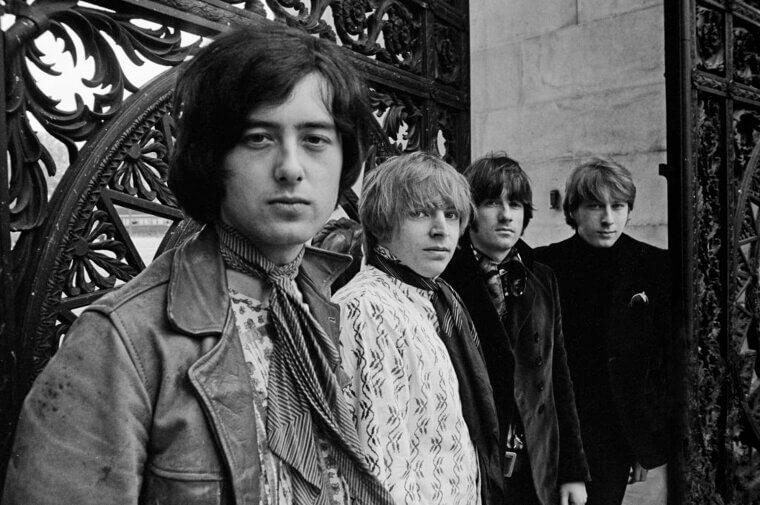
In the studio and onstage they made technique feel dangerous, influencing garage rock, hard rock, and psych. When they splintered, Page’s New Yardbirds became Led Zeppelin—proof of their catalytic legacy.
The Smashing Pumpkins
They fused metal heft, dream-pop shimmer, and baroque ambition into an alt-rock language both massive and intimate. Billy Corgan’s sculpted guitar orchestrations—stacked layers, unusual tunings, violin-bow sustain—met Jimmy Chamberlin’s jazz-honed thunder to create elastic dynamics from whisper to detonation. “Gish” cracked the door; “Siamese Dream” perfected the blend; “Mellon Collie” sprawled gorgeously with “1979,” “Tonight, Tonight,” and “Bullet with Butterfly Wings.”
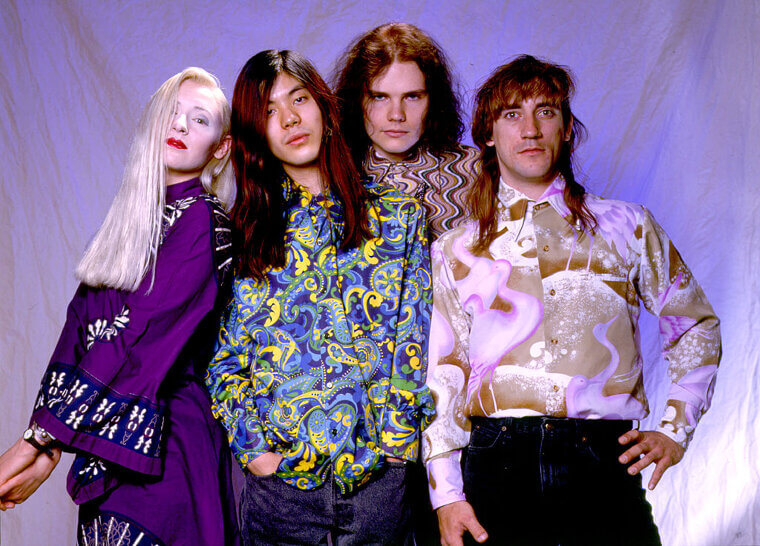
They embraced art-film visuals, electronics, and acoustic fragility without losing bite. Endlessly imitated, rarely matched, the Pumpkins proved 1990s alternative could be operatic, vulnerable, and stadium-sized at once, for generations.
The Who
They turned volatility into precision: Pete Townshend’s windmill power chords, John Entwistle’s lead-bass thunder, Keith Moon’s orchestral drums, and Roger Daltrey’s leonine roar. They pioneered the rock opera with Tommy and deepened it on Quadrophenia, marrying youth-culture storytelling to explosive arrangements. Live at Leeds remains a benchmark for raw, disciplined chaos. In the studio they weaponized feedback and early synthesizers, birthing anthems like “Baba O’Riley” and “Won’t Get Fooled Again.”
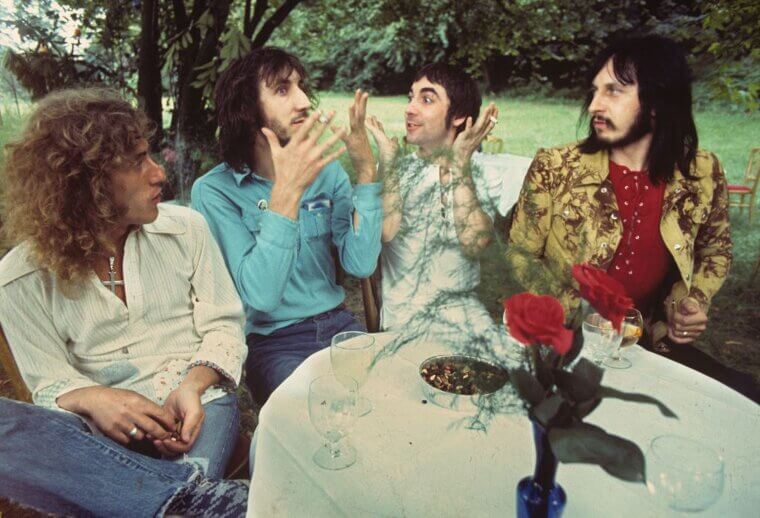
From Mod style to arena-scale spectacle, The Who defined rock’s brawn, brains, and rebellion—and influenced every loud, ambitious band after, worldwide, for decades.
Heart
Heart proved arena rock could be both muscular and poetic, led by Ann Wilson’s volcanic voice and Nancy Wilson’s knife-bright guitar. Fusing Zeppelin-sized riffage with folk intricacy, they delivered “Crazy on You,” “Magic Man,” and “Barracuda,” then reinvented themselves in the ’80s with titanic singles like “These Dreams” and “Alone.” Their songwriting range—acoustic delicacy to feral hard rock—paired with virtuosic live chops kept them vital across decades.
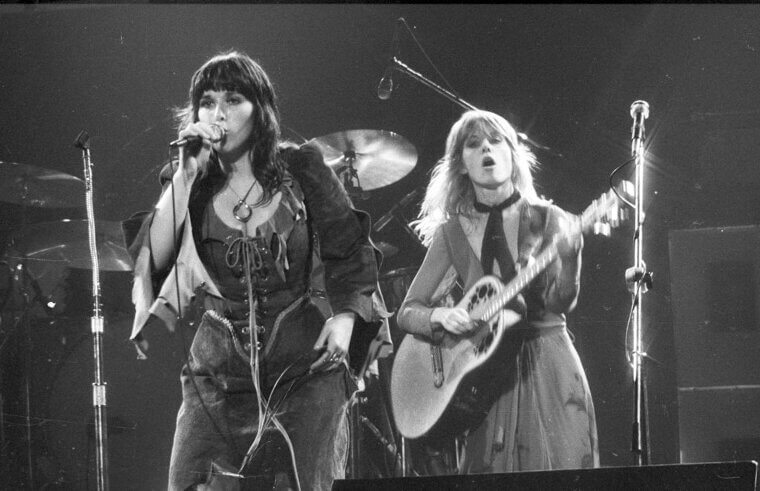
As women fronting a heavy band, they kicked down doors, inspiring generations. Enduring, fearless, and melodic, Heart made power and vulnerability feel inseparable.
Jimi Hendrix
He reinvented the electric guitar as an instrument of color, space, and controlled chaos. With the Experience, he fused blues, psychedelia, and funk into rocket-fueled songs—“Purple Haze,” “Little Wing,” “Voodoo Child.” Studio alchemy on Are You Experienced, Axis, and Electric Ladyland introduced feedback sculpture, wah drama, octave fuzz, and backward tape as expressive vocabulary. Live at Monterey and Woodstock, he turned improvisation into theater and revelation.
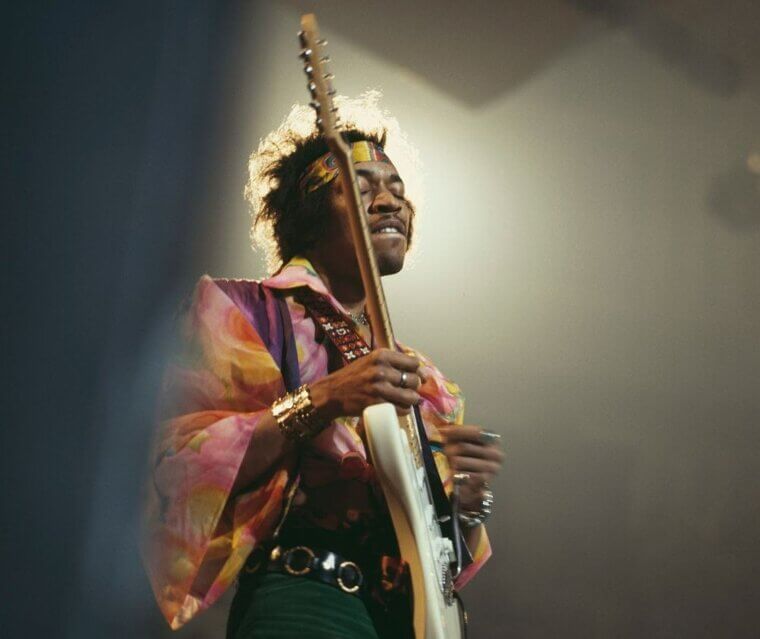
His rhythm-chord poetry, melodic bends, and fearless tone shaped rock, metal, R&B, and hip-hop. Band of Gypsys proved continual evolution. Everyone since plays in his long shadow.
Weezer
Weezer fused crushing, clean-lined power chords with power-pop economy, turning geeky confession into arena shout-alongs. Rivers Cuomo’s precision songwriting delivered bulletproof choruses and melodic guitar leads that made “Buddy Holly,” “Say It Ain’t So,” and “Undone” instant standards. The Blue Album set the template; Pinkerton’s raw intimacy became a blueprint for emo and indie honesty; later renaissances—from the Green Album to Everything Will Be Alright in the End—proved their hooks inexhaustible.
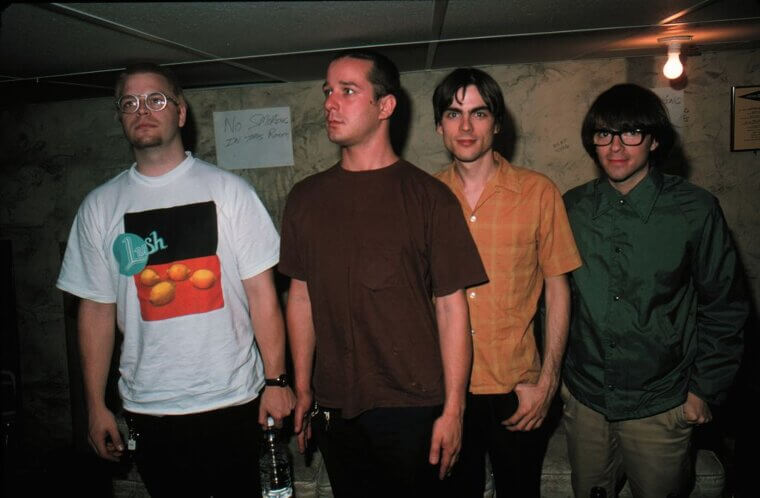
Across decades and shifting trends, Weezer kept rock concise, catchy, and strangely heartfelt, influencing countless bands to embrace vulnerability behind big riffs.
s