Ever bought something that seemed amazing—until it wasn’t? You’re not alone. From hyped-up gadgets to viral beauty products, plenty of popular items leave buyers with serious regret. In this list, we’re diving into products that didn’t live up to the buzz—and better alternatives that do. Save your money, skip the disappointment, and discover what to buy instead for real value and satisfaction.
Wi‑Fi Extenders (“boosters”)
Why people regret them: Even the “best” ones usually halve your throughput, add latency, and create fragile links—you fix one dead zone and break another. Mesh or a better router nearly always works better. Many also broadcast a separate SSID, so phones cling to weak signals rather than roam, and the backhaul chokes throughput—especially on single‑band units. Firmware support is inconsistent. For reliable coverage, use wired access points, Ethernet, or MoCA backhaul.
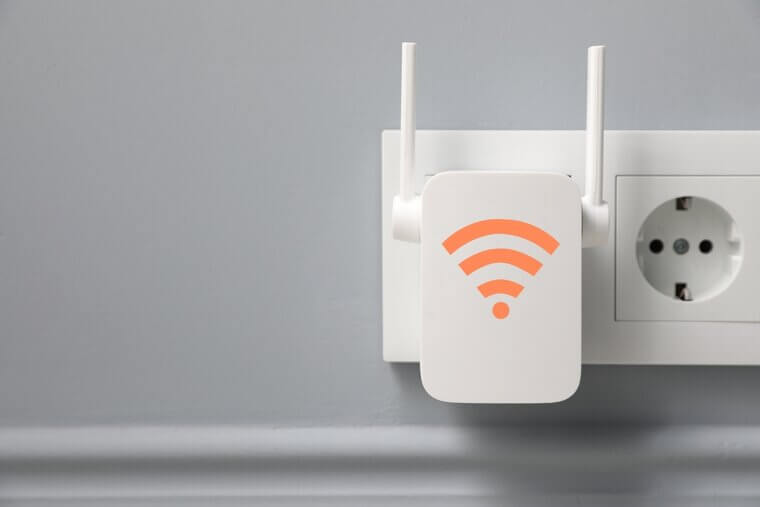
Better instead: A mesh kit (2–3 nodes) or a new Wi‑Fi 6/6E router; if cabling is possible, use wired access points.
Ultra‑cheap “mini” Projectors
Why people regret them: Ads tout impossible lumen numbers and “1080p/4K support,” but actual brightness and resolution are far lower—fine for a dark closet, not a living room. Listings often exaggerate ANSI lumen ratings, and “supported” resolution usually means downscaled input. Fans can be loud, colors washed out, and keystone focus uneven, making text fuzzy. If you want a real movie‑night image, choose a projector with stated native 1080p and measured ANSI lumens.
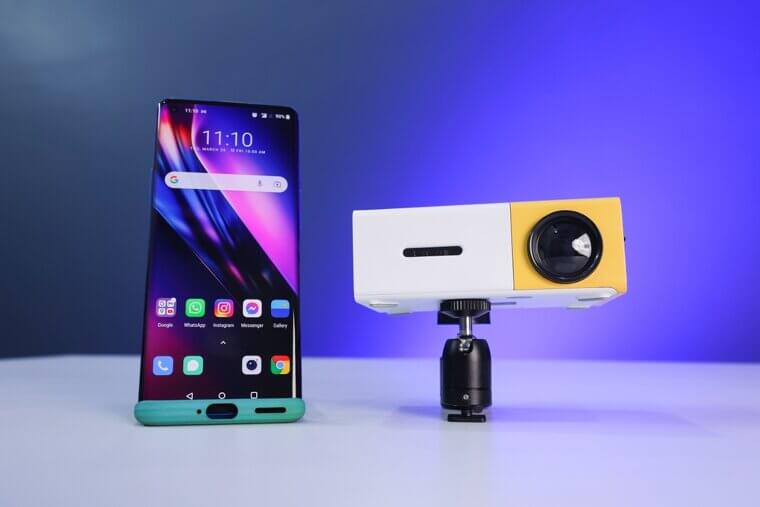
Better instead: A reputable brand’s entry home‑theater or “business” projector with real ANSI lumens and native 1080p.
Unbranded Android TV Boxes (e. G. , Generic T95‑type Listings)
Why people regret them: Ongoing investigations found many low‑cost Android streamers pre‑loaded with malware/backdoors; they also ship with outdated software and sketchy app stores. Performance is inconsistent, codecs are poorly supported, and DRM often fails, so major apps cap resolution or refuse playback. Firmware rarely receives security patches, leaving devices vulnerable on your home network. Safer alternatives are from established platforms—Roku, Apple TV, Chromecast, or Amazon Fire TV—with regular updates and verified app stores.

Better instead: Roku / Apple TV / Google Chromecast / Amazon Fire TV or a known brand Android TV box with timely security updates.
Budget Cloud Security Cameras With Poor Privacy Records
Why people regret them: Several high‑volume brands have had incidents where users briefly saw other people’s camera thumbnails/feeds—a hard trust break. Beyond accidental cross‑account access, some models default to weak passwords, ship outdated firmware, or route data through opaque servers. Outages can wipe recordings or delay alerts when you need them most. If you buy cameras, favor brands with clear security policies, optional local storage, two‑factor authentication, and fast, documented patching.
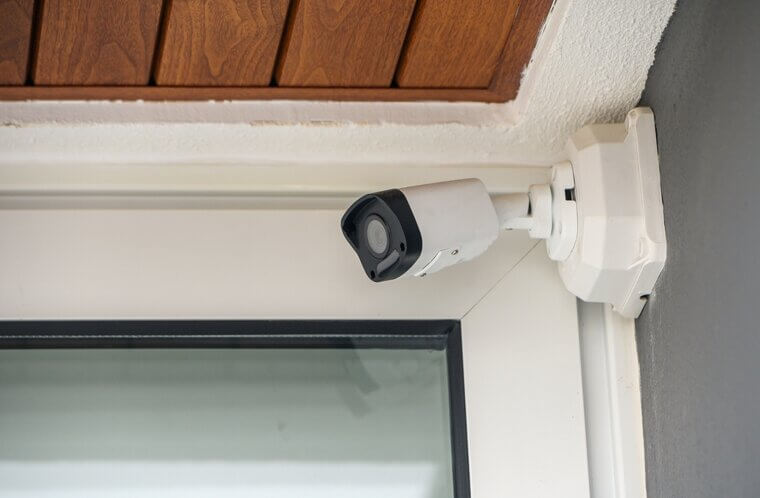
Better instead: Stick to brands with transparent security practices and rapid incident response; use 2FA, restrict sharing, and keep firmware current.
Counterfeit or “too‑cheap‑to‑be‑real” Storage (microSD Cards, USB Sticks, “16TB” SSDs)
Why people regret them: Amazon and other online shopping platforms still battle fake‐capacity drives and review‑hijacked listings (legit reviews reused on fake products). These often corrupt data. Cards may report huge sizes but silently overwrite old files once they hit true capacity, so backups vanish. Return windows often close before failures appear, and cheap USB controllers can die under heat. Buy only from brand stores or authorized resellers and verify capacity on arrival with tools like H2testw or F3.
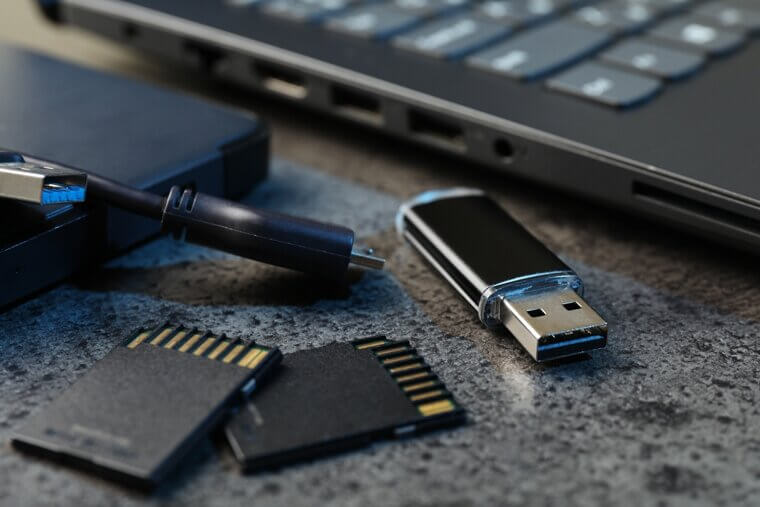
How to avoid it: Buy from first‑party stores or authorized resellers and test cards on arrival (h2testw/ValiDrive). Even SanDisk warns about non‑authentic cards on marketplaces.
Pore‑vacuum/blackhead Vacuum Gadgets
Why: Dermatology guidance flags risks (bruising, broken capillaries) with limited benefit for many users. Strong suction can burst vessels or trigger hyperpigmentation, especially on sensitive or darker complexions. Weak suction often does nothing and spreads oil. Results are fleeting—pores don’t “open” or “close.” For congestion, dermatologists favor salicylic acid, retinoids, and sunscreen; professional extractions are safer. If you still try one, use the lowest setting briefly and avoid areas with broken capillaries or active breakouts.

Consider instead: Gentle chemical exfoliants or professional extraction.