Ever bought something that seemed amazing—until it wasn’t? You’re not alone. From hyped-up gadgets to viral beauty products, plenty of popular items leave buyers with serious regret. In this list, we’re diving into products that didn’t live up to the buzz—and better alternatives that do. Save your money, skip the disappointment, and discover what to buy instead for real value and satisfaction.
Wi‑Fi Extenders (“boosters”)
Why people regret them: Even the “best” ones usually halve your throughput, add latency, and create fragile links—you fix one dead zone and break another. Mesh or a better router nearly always works better. Many also broadcast a separate SSID, so phones cling to weak signals rather than roam, and the backhaul chokes throughput—especially on single‑band units. Firmware support is inconsistent. For reliable coverage, use wired access points, Ethernet, or MoCA backhaul.
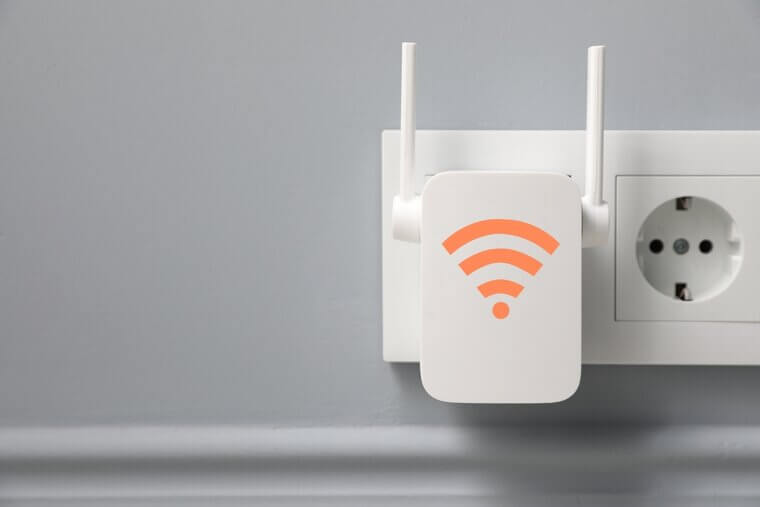
Better instead: A mesh kit (2–3 nodes) or a new Wi‑Fi 6/6E router; if cabling is possible, use wired access points.
Ultra‑cheap “mini” Projectors
Why people regret them: Ads tout impossible lumen numbers and “1080p/4K support,” but actual brightness and resolution are far lower—fine for a dark closet, not a living room. Listings often exaggerate ANSI lumen ratings, and “supported” resolution usually means downscaled input. Fans can be loud, colors washed out, and keystone focus uneven, making text fuzzy. If you want a real movie‑night image, choose a projector with stated native 1080p and measured ANSI lumens.
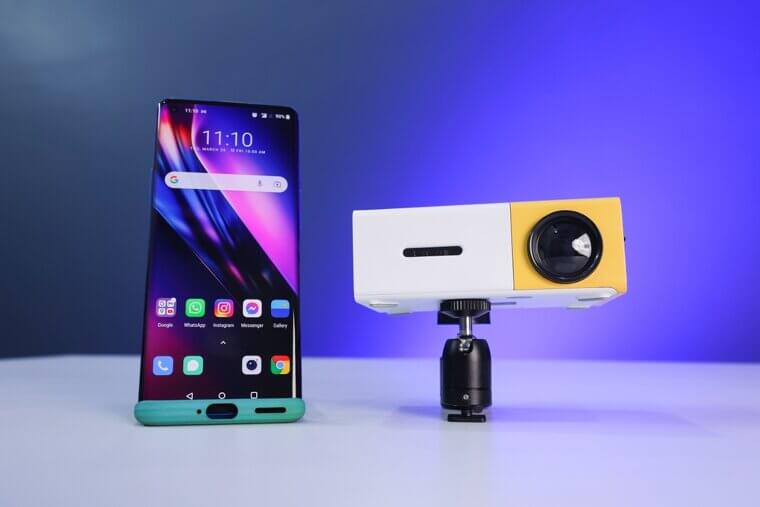
Better instead: A reputable brand’s entry home‑theater or “business” projector with real ANSI lumens and native 1080p.
Unbranded Android TV Boxes (e. G. , Generic T95‑type Listings)
Why people regret them: Ongoing investigations found many low‑cost Android streamers pre‑loaded with malware/backdoors; they also ship with outdated software and sketchy app stores. Performance is inconsistent, codecs are poorly supported, and DRM often fails, so major apps cap resolution or refuse playback. Firmware rarely receives security patches, leaving devices vulnerable on your home network. Safer alternatives are from established platforms—Roku, Apple TV, Chromecast, or Amazon Fire TV—with regular updates and verified app stores.
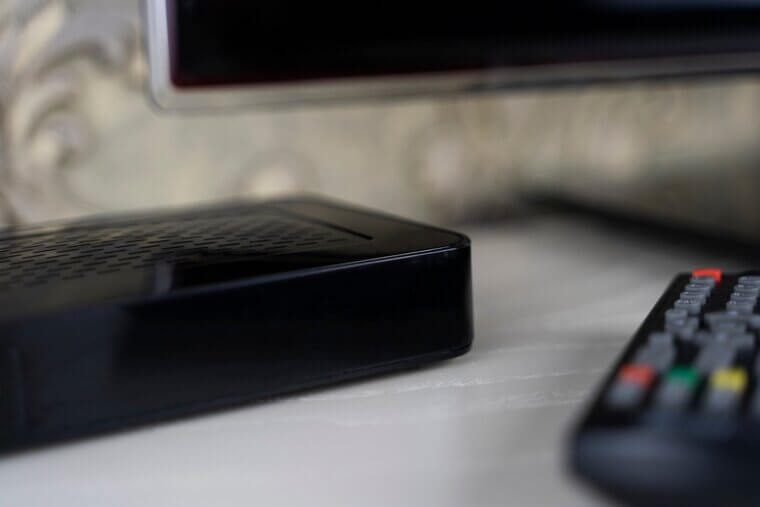
Better instead: Roku / Apple TV / Google Chromecast / Amazon Fire TV or a known brand Android TV box with timely security updates.
Budget Cloud Security Cameras With Poor Privacy Records
Why people regret them: Several high‑volume brands have had incidents where users briefly saw other people’s camera thumbnails/feeds—a hard trust break. Beyond accidental cross‑account access, some models default to weak passwords, ship outdated firmware, or route data through opaque servers. Outages can wipe recordings or delay alerts when you need them most. If you buy cameras, favor brands with clear security policies, optional local storage, two‑factor authentication, and fast, documented patching.
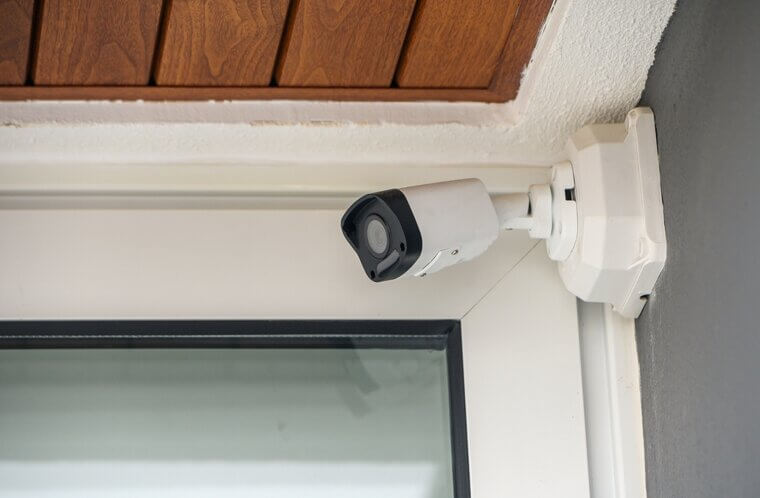
Better instead: Stick to brands with transparent security practices and rapid incident response; use 2FA, restrict sharing, and keep firmware current.
Counterfeit or “too‑cheap‑to‑be‑real” Storage (microSD Cards, USB Sticks, “16TB” SSDs)
Why people regret them: Amazon and other online shopping platforms still battle fake‐capacity drives and review‑hijacked listings (legit reviews reused on fake products). These often corrupt data. Cards may report huge sizes but silently overwrite old files once they hit true capacity, so backups vanish. Return windows often close before failures appear, and cheap USB controllers can die under heat. Buy only from brand stores or authorized resellers and verify capacity on arrival with tools like H2testw or F3.
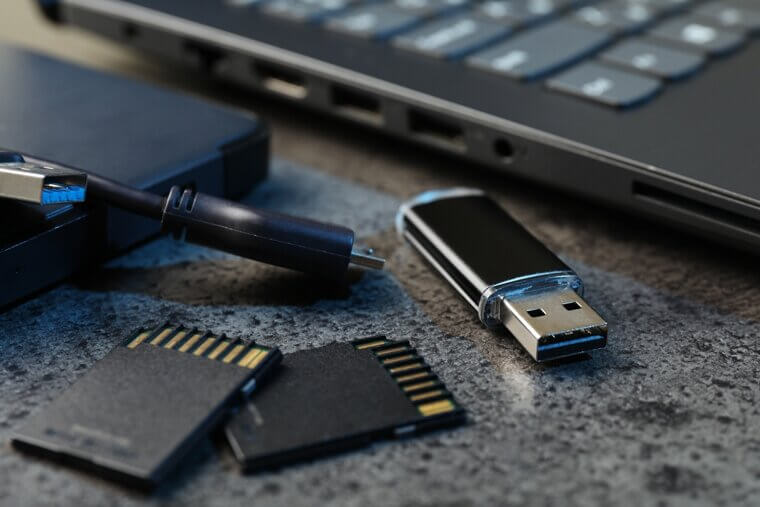
How to avoid it: Buy from first‑party stores or authorized resellers and test cards on arrival (h2testw/ValiDrive). Even SanDisk warns about non‑authentic cards on marketplaces.
Pore‑vacuum/blackhead Vacuum Gadgets
Why: Dermatology guidance flags risks (bruising, broken capillaries) with limited benefit for many users. Strong suction can burst vessels or trigger hyperpigmentation, especially on sensitive or darker complexions. Weak suction often does nothing and spreads oil. Results are fleeting—pores don’t “open” or “close.” For congestion, dermatologists favor salicylic acid, retinoids, and sunscreen; professional extractions are safer. If you still try one, use the lowest setting briefly and avoid areas with broken capillaries or active breakouts.
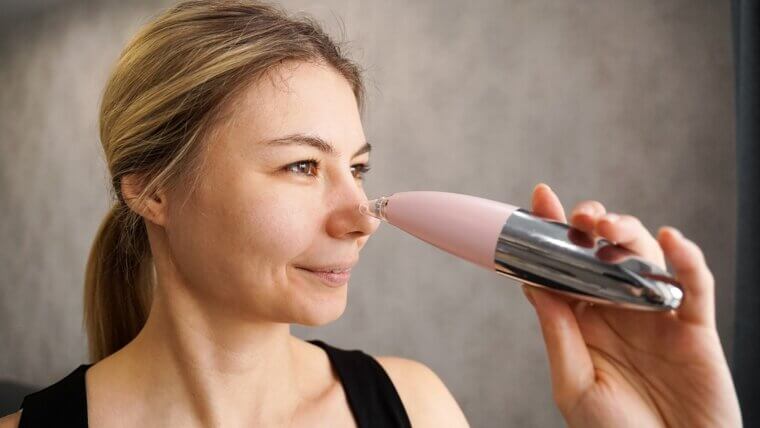
Consider instead: Gentle chemical exfoliants or professional extraction.
Bug Zappers for Mosquitoes
Why: Studies show they kill thousands of non‑biting/beneficial insects while barely touching mosquitoes—so you still get bitten. Most devices attract moths, beetles, and pollinators, creating carcass buildup without reducing bites. Mosquitoes cue to CO₂ and body odor, not ultraviolet light, so UV grids miss the target. Standing water control, patio fans, and EPA‑registered repellents work better. If you insist on zapping, choose traps for biting flies and place them away from beneficial insects.
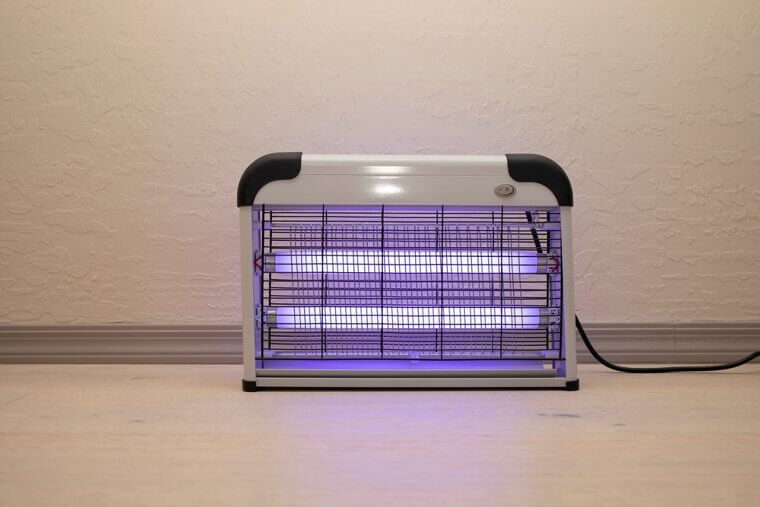
Consider instead: Fans, EPA‑listed repellents, removing standing water.
UV Phone‑sanitizing Boxes/wands
Why: Wiping with alcohol works; UV boxes can miss crevices and need exact exposure to be effective. Many consumer “UVC” wands are underpowered, poorly aimed, or blocked by shadows, so claimed kill rates rarely translate to real‑world use. UV also degrades plastics and can irritate skin and eyes if misused. For phones, alcohol wipes are cheap, fast, and proven; if you insist on UV, choose an enclosed unit with verified output and dwell time.
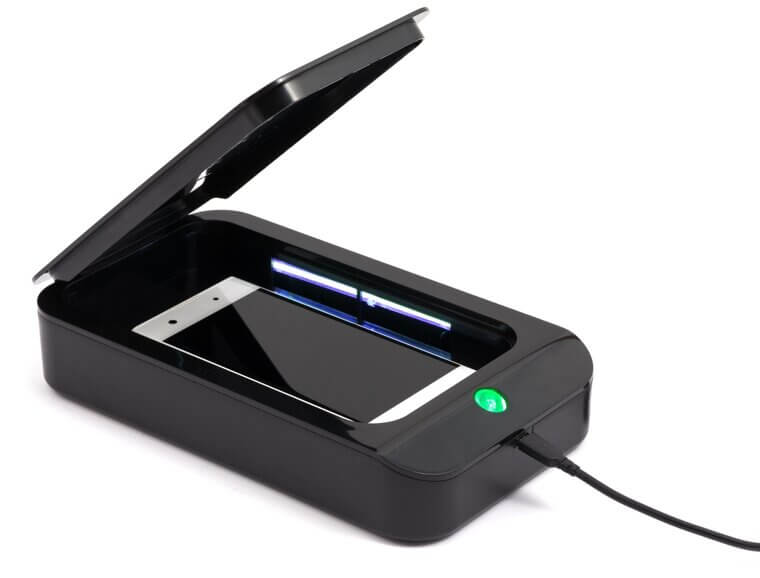
Consider instead: 70% alcohol wipes per public‑health guidance.
No‑name Random‑navigation Robot Vacuums
Why: The cheap ones often miss debris, tangle, or can’t find home—lab tests and long‑term reviews show big performance gaps. Random‑navigation bots pinball around, skip zones, and struggle with edges or rugs; mapping, suction, and brush design matter. Apps are often flaky, parts hard to buy, and HEPA claims exaggerated. A good LiDAR mapping model with obstacle detection, replaceable parts, and strong customer support will actually keep floors clean between deep vacuuming sessions.
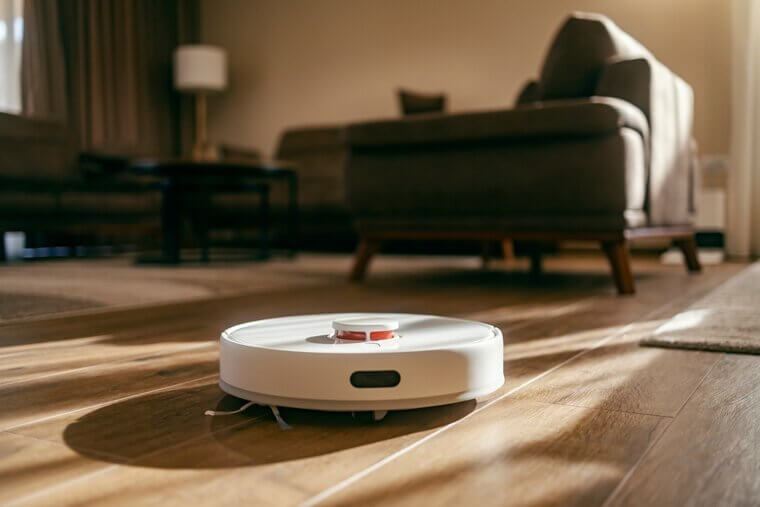
Consider instead: A well‑reviewed mapping bot or a quality stick vac.
Indoor TV Antennas Touting “120+ Mile” Range
Why: Those distance claims are marketing fiction; performance depends on your location and broadcast towers. Reception depends on distance, terrain, building materials, and UHF/VHF frequency—not inflated “miles.” Flat “paper” antennas often lack gain or selectivity, and cheap amplifiers can overload. Before buying, check your address on AntennaWeb or RabbitEars to map station bands and headings, then choose an antenna style and proper placement accordingly, or move to attic/outdoor models if signals are weak.
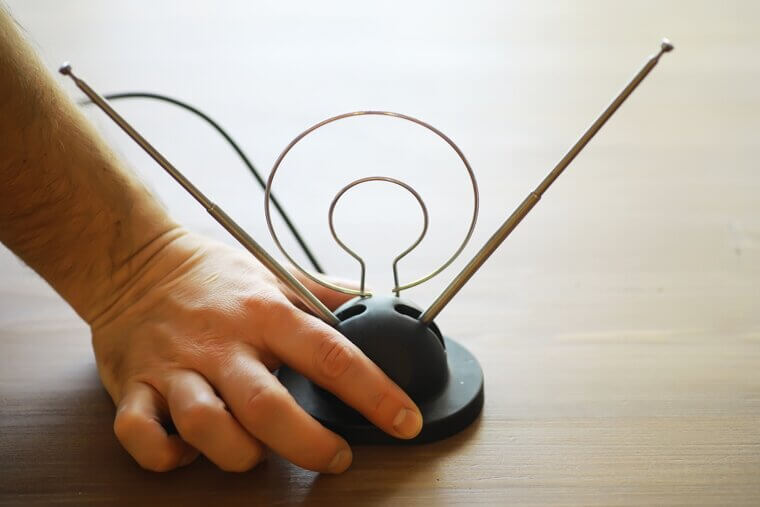
Consider instead: A reputable antenna sized to your market (use AntennaWeb/AntennaPoint).
Fingerprint “smart” Padlocks (e. G. , Tapplock‑style)
Why: Multiple disclosures showed some could be opened in seconds via software or simple physical tricks. Beyond bypasses, dead batteries, moisture, and cold can strand you, and weak shackle metallurgy defeats the point. Many lack meaningful certifications or audit trails, and apps leak data or skip updates. If you want “smart,” choose a model with a good mechanical core, shrouded shackle, and ANSI/BHMA rating—or a proven mechanical lock and key for critical uses.
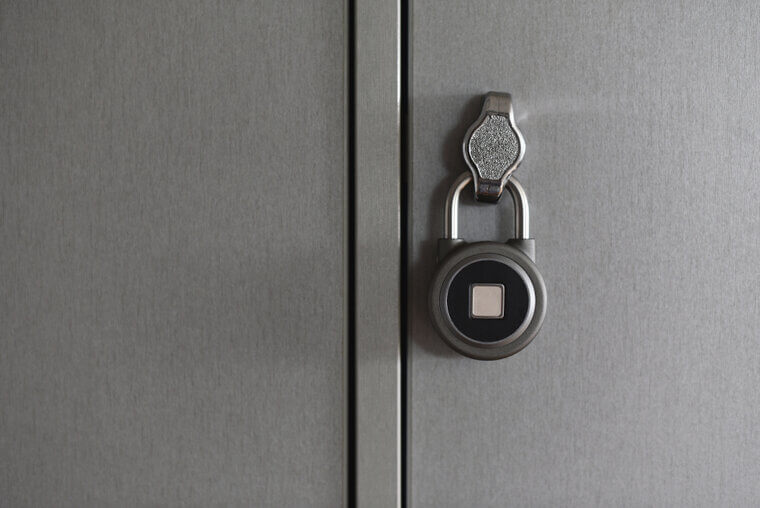
Consider instead: Quality mechanical locks or vetted smart locks with audited security.
Fitness Trackers for Calorie Burn
Why: Research shows energy‑expenditure readouts are often way off, even when heart‑rate is decent. Algorithms estimate calories from limited signals and population averages, so individual metabolism, gait, and activity type throw them off. Strength training, cycling, and intervals confuse motion sensors. Use calorie numbers as broad trends, not truth; focus on minutes active, heart‑rate zones, VO₂max, or sleep. For weight goals, track intake and use your tracker to reinforce habits you can sustain.
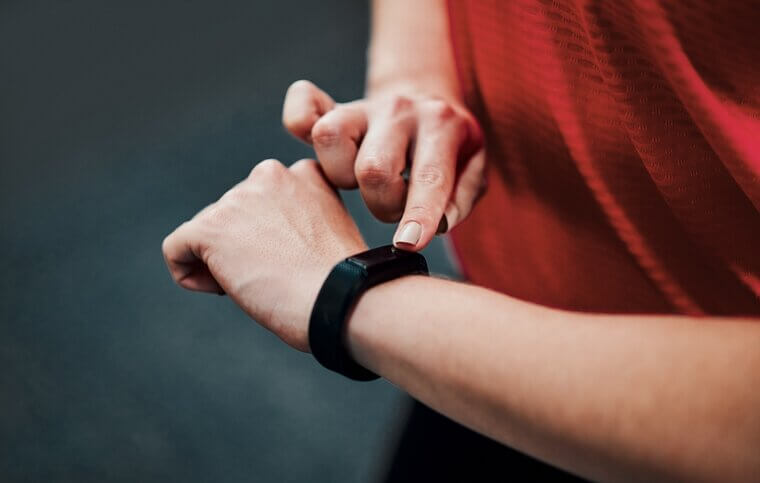
Consider instead: Use trackers for trends, not precise calories.
Label Printers That DRM Their Labels (DYMO RFID)
hy: “Genuine‑only” chips lock you into pricey supplies; backlash was substantial. DRM labels mean higher per‑roll costs, shortages if a chip version changes, and more waste when stock expires. Firmware updates can block third‑party rolls mid‑project, and resellers get delisted without notice. If you print often, choose open‑media printers (Brother, Zebra, Rollo) with widely available thermal labels, transparent specs, and easy driver support, so your workflow isn’t held hostage by consumables.
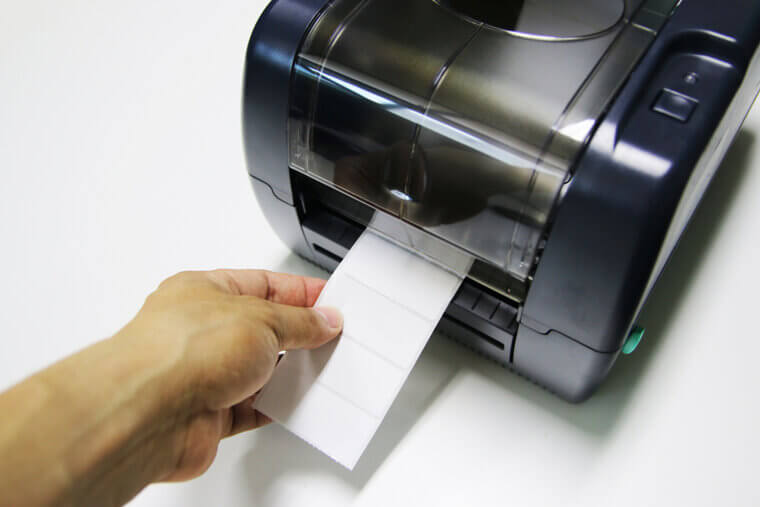
Consider instead: Open‑label printers (Brother, Zebra, etc.).
“HEPA‑type/HEPA‑like” Air Purifiers
Why: Those labels aren’t regulated; what matters is tested performance (CADR) and true HEPA efficiency. Marketing phrases blur standards; some units add weak ionizers that do little and may create byproducts. Look for a sealed HEPA filter, AHAM Verified CADR matched to your room, and simple controls you’ll use daily. Quiet performance at medium speed matters more than peak claims. Budget for replacement filters, avoid “HEPA‑type,” and place the purifier near you for measurable cleaning.
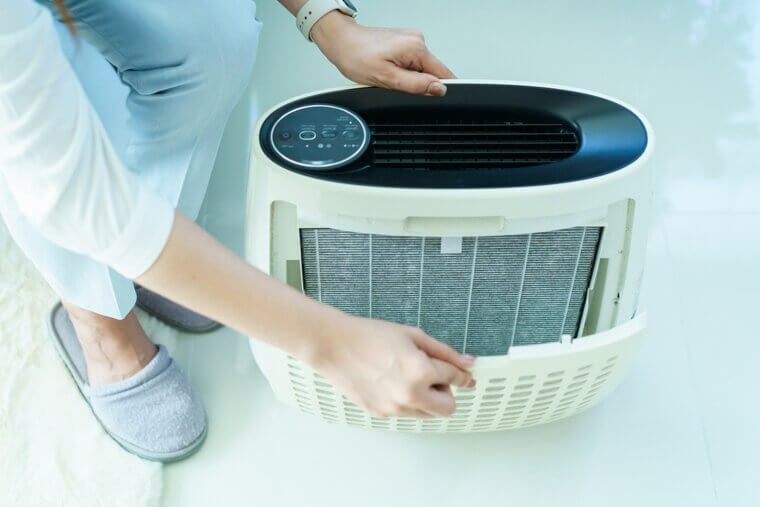
Consider instead: Models with high AHAM‑verified CADR and a stated 99.97% @ 0.3 µm filter.
Rechargeable Stick‑on Under‑cabinet/closet Lights (generic)
Why: A huge recall highlighted overheating/fire incidents with certain popular rechargeable lights. Some use low‑grade cells, flimsy charge circuits, or thin housings that trap heat under wood cabinets. Adhesives fail, magnets slide, and ports deform. Listings tout dubious safety logos and sealed batteries, so output fades. Choose UL‑listed hardwired lighting or battery models with solid housings and specs. If you keep rechargeables by food prep, charge away from paper or towels.

Consider instead: UL‑listed hardwired or reputable battery‑powered lights.
Ultrasonic Pest Repellers (plug‑in “high‑frequency” Gadgets)
Why people regret them: The FTC has warned sellers for decades about unsubstantiated claims, and academic/extension literature finds little to no sustained efficacy. Rodents and roaches habituate, and ultrasound won’t reach through walls or cabinets where pests hide. You’ll still need sealing, sanitation, and baits or traps to control infestations. Many devices cite vague frequencies and lack testing. If you try one, treat it as a placebo and prioritize proven IPM steps first.
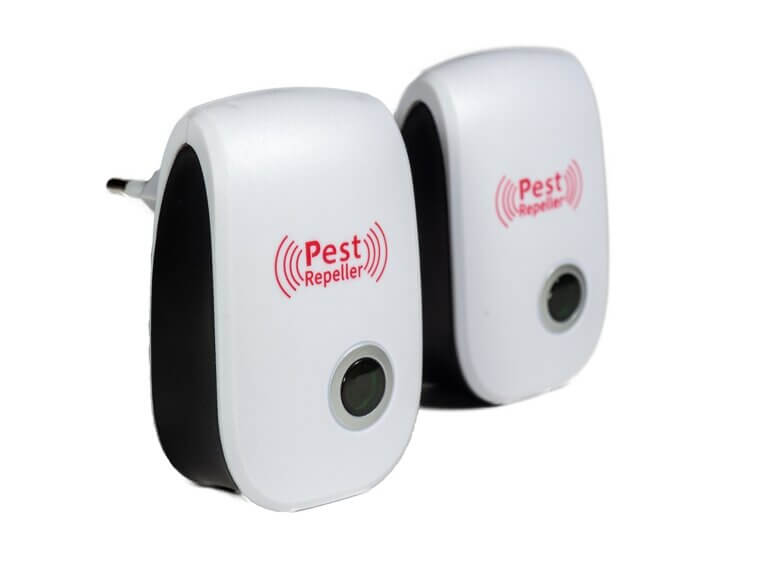
Better instead: Integrated pest management: seal entry points, traps, sanitation, and, if needed, a professional.
Ear‑wax Removal Cameras/tools
Why: ENT guidance warns these can injure the ear; depth perception is tricky and DIY tools can push wax deeper. Small camera views don’t fix shaky hands; rigid scoops can scratch the canal or perforate the drum. Wax often gets compacted, worsening hearing and pain. Infection risk rises if you nick skin. Safer options are softening drops, gentle irrigation per instructions, or professional cleaning—especially for kids, hearing‑aid users, or anyone with prior ear surgery.

Consider instead: Softeners/irrigation kits used properly—or see a clinician.
“4K” Dash Cams Under ~$50–$70
Why people regret them: A lot of cheap units advertise “4K” that’s just upscaled/interpolated, with poor night footage—exactly when you need it. Tiny sensors, low bitrates, and weak lenses smear motion and blow out headlights, leaving plates unreadable at night. Heat also degrades cheap batteries and memory cards. Many lack parking mode, GPS, or capacitor power. Seek a good sensor, higher bitrate, buffered parking, and a supercapacitor—or wait and buy a proven model.
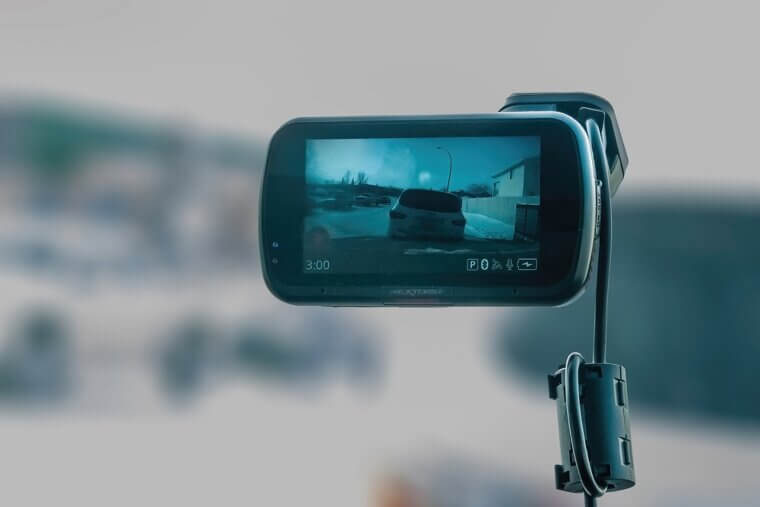
Better instead: Buy from brands that disclose the sensor and real native resolution and are reviewed with plate‑read tests.
AI “translator” Earbuds
Why: They can be handy, but reviews still note latency, learning curve, and accuracy limits—especially without data. Hand‑offs between speech recognition, translation, and synthesis add delays, and noise or accents reduce accuracy. Idioms and technical terms trip them up, and some features require accounts or cloud services you may not want. Battery life is short, and pairing quirks abound. For travel, download offline packs on your phone, speak simply, and confirm details the old‑fashioned way.

Consider instead: Phone‑based translation with offline packs; keep expectations realistic.
Third‑party Ink for Newer HP Printers
Why people regret them: HP’s “Dynamic Security” firmware periodically blocks some non‑HP cartridges, leaving buyers with non‑working ink they got “for cheap.” Firmware updates can silently flip compatibility, turning full cartridges into “supply problem” errors. Chips change mid‑cycle, and vendors promising “fixed” chips often lag. Options include pausing updates, using Instant Ink, or choosing printers without Dynamic Security. Before ordering, check model lists, reports, and return‑friendly sellers to avoid unusable ink.
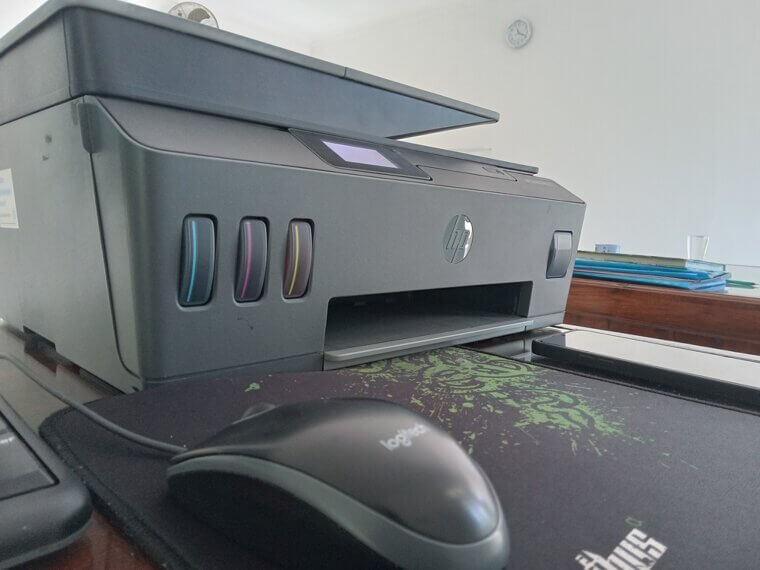
Better instead: If you own an affected model, either stick with OEM or verify your printer supports chips/firmware that allow compatibles (PCWorld has model lists and workarounds).
Ultra‑cheap Power Banks & No‑name MagSafe Clones
Why people regret them: Fake capacities are rampant; some models have been flagged or recalled for fire hazards by the U.S. CPSC. Also, “20,000 mAh” rarely means you’ll get 20,000 mAh out of it—expect ~60% usable. Labels cite theoretical cell totals, not usable output after conversion losses. Many skip protections, charge slowly, or detach due to weak magnets. Choose reputable brands with stated PD wattage, UL certification, realistic capacity, and published efficiency data.
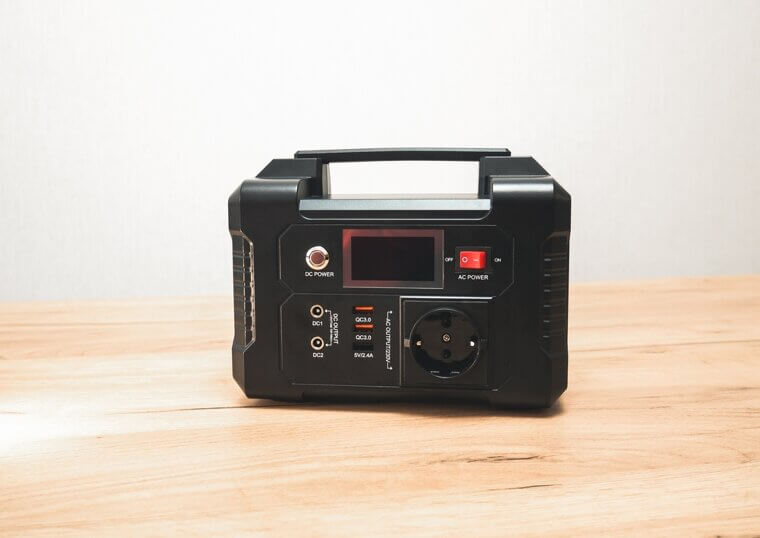
Better instead: Stick to brands with UL certifications and transparent specs; check recall lists and recent reviews from independent testers.
Ozone‑generator “air Purifiers”
Why: Ozone is a lung irritant indoors, and agencies warn against using these as “air cleaners.” Even low concentrations irritate lungs and aggravate asthma; higher levels damage materials and sensors. “Odor removal” claims often mask smells while leaving pollutants. Without precise controls or monitoring, ozone can quietly accumulate. For cleaner air, choose a True‑HEPA purifier with adequate CADR, add source control and ventilation, and reserve ozone strictly for professional, unoccupied jobs when necessary.
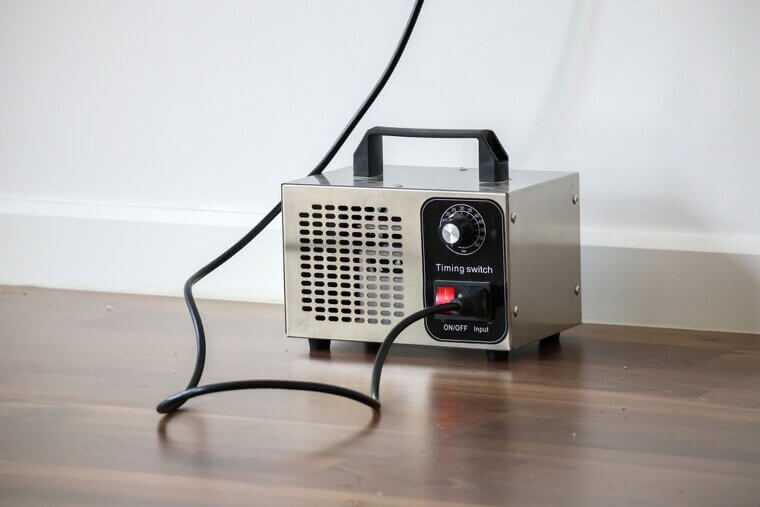
Consider instead: True‑HEPA purifiers sized by CADR.
“Mini AC” Desktop Coolers (evaporative Coolers)
Why people regret them: They don’t refrigerate the air; they only work in dry climates and can add humidity—so they feel useless in most humid places. They rely on evaporating water for a small, localized chill, which raises humidity and can dampen nearby surfaces. In humid rooms performance collapses, tanks often need refills, and the noisy, weak fans disappoint—use a portable AC, mini‑split heat pump, or a dehumidifier plus a strong fan instead.
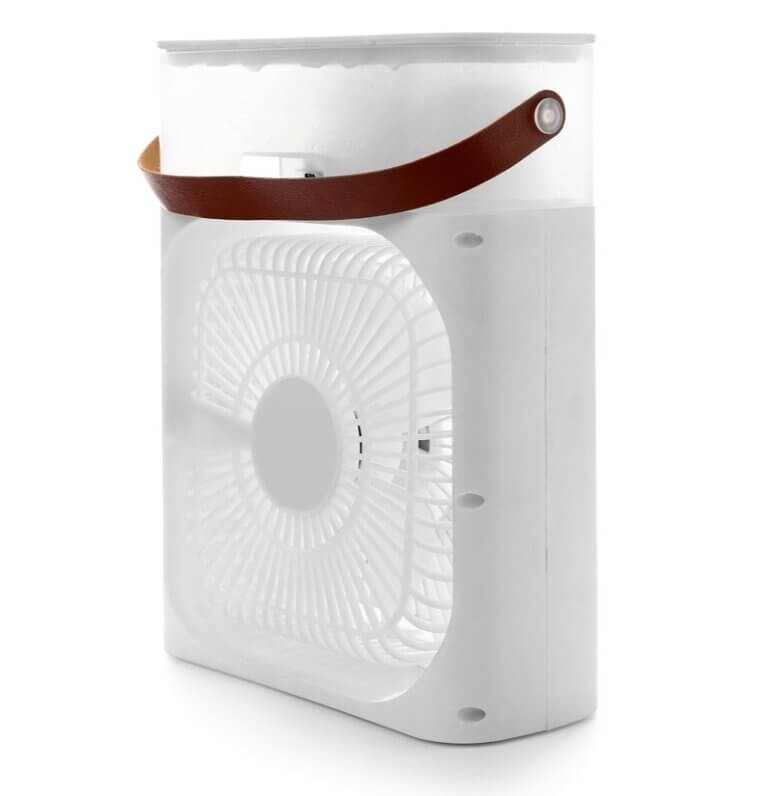
Consider instead: A real portable AC or a dehumidifier + fan if you live where it’s muggy.
ELM327 OBD‑II Bluetooth Dongles (the $8–$20 Kind)
Why people regret them: Many are counterfeit/partial‑function clones that won’t speak all protocols or drop connections—wasted money and time. Apps often flag clones as “ELM327 v2.1,” missing commands that break diagnostics and live data reliably. Pairing varies by phone and car, and cheap adapters overheat or draw power while parked. Many lack support for CAN speeds, Mode 6, or manufacturer‑specific PIDs. Pick an adapter your app recommends—OBDLink, Veepeak, or BlueDriver—and keep firmware updated.
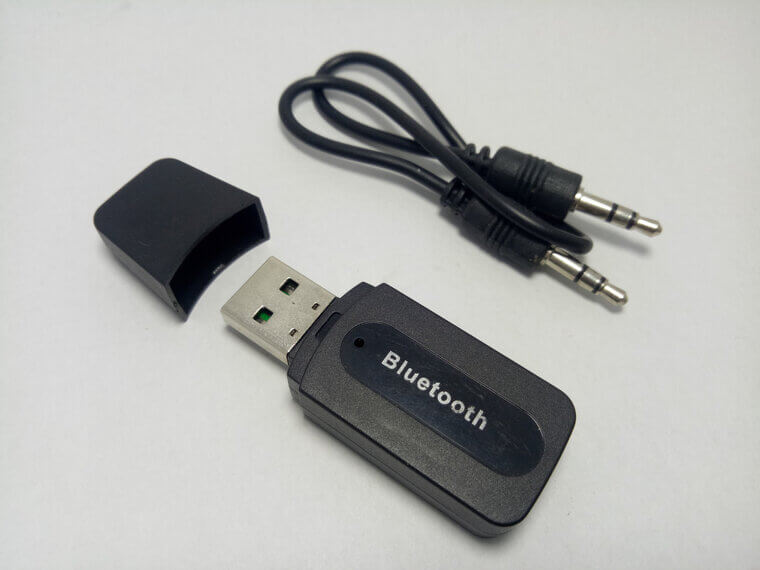
Better instead: Buy a known‑good adapter recommended by the app you plan to use (e.g., OBDLink, Veepeak models with proven chipsets).
Wearable/personal Air‑purifier Necklaces
Why: Independent tests find little real‑world cleaning; many are just ionizers with bold marketing. Most use ionization that creates a faint corona, clustering particles nearby without producing room‑scale clean air. Measurements often show negligible improvement at the breathing zone, and some models emit ozone. They may add noise, interfere with microphones, or collect dust on clothing. For protection, use a room HEPA purifier, improve ventilation, or wear a well‑fitting mask in higher‑risk settings.
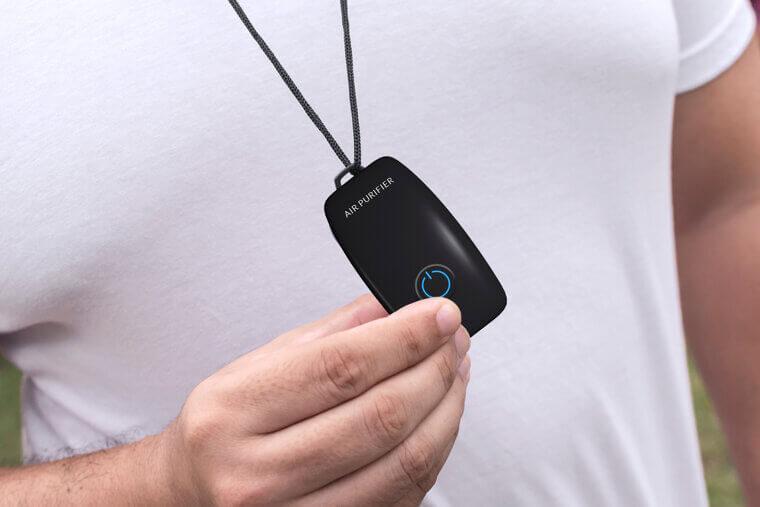
Consider instead: A room HEPA unit near your breathing zone.
Premium‑priced “8K/48 Gbps” HDMI Cables for Short Runs
Why: Expensive cables rarely improve a short, reliable run—standards‑compliant cheap cables usually work just as well. With lengths under 2–3 meters, signal integrity and image quality are digital pass/fail; there’s no “better color” from boutique brands. Look for the Ultra High Speed HDMI certification logo/QR to ensure 48 Gbps capability, eARC, VRR, and HDR compatibility. Save money unless you need long runs, unusual routing, or active/fiber HDMI for distance or in‑wall installations.
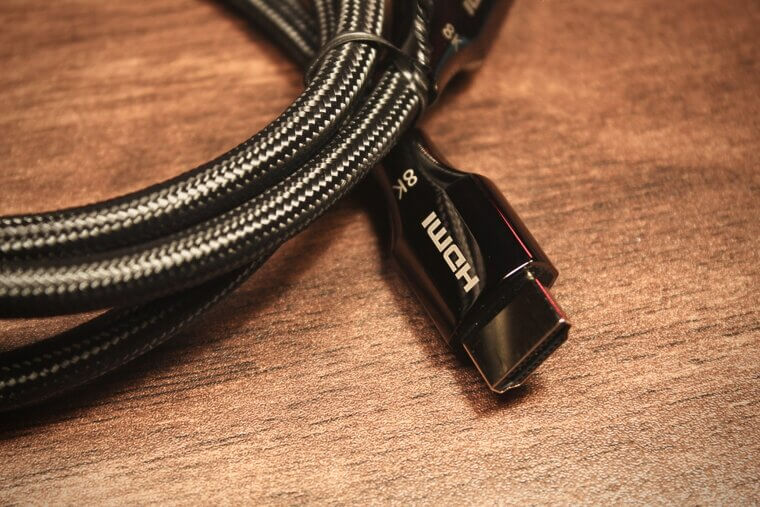
Consider instead: A basic, certified cable rated for your needed spec/length.
Cat 8 Ethernet Cables for Home
Why: Cat 8 is designed for data centers (25/40 GbE, ≤30 m runs). Most home gear/internet plans can’t use it. You won’t see faster downloads than Cat 5e/6 for 1 Gbps, and Cat 6a supports 10 Gbps to 100 meters. Cat 8 is stiffer, pricier, and overkill; shielded cabling can introduce ground‑loop or termination issues if installed poorly. For future‑proofing, run Cat 6a and keep patch cables short, flexible, and clearly labeled.
Consider instead: Cat 6 or Cat 6a for 1–10 Gbps over 100 m.
Wireless CarPlay Adapters (generic Dongles)
Why: Common complaints are long boot times, audio lag, and intermittent disconnects; results vary massively by car/phone. Handshakes between dongle, head unit, and iPhone can fail after updates or in hot cabins, and some units drain power when parked. Firmware support is hit‑or‑miss, and passthrough for wired CarPlay or Android Auto may break steering‑wheel controls. Buy from a brand with frequent updates and a generous return window, or stick with reliable wired CarPlay.

Consider instead: Check model‑specific tests; be ready to return if your head unit isn’t happy.