The beautiful Raquel Welch is an iconic American actress and singer. This legendary beauty is even credited with ending Hollywood’s trend and obsession with the blonde bombshell. Welch first entered the industry back in 1956 and has been turning heads ever since. An icon of the 1960s and 1970s, Welch has topped many ‘Hottest Stars’ lists. Keep scrolling to take a look at Raquel Welch’s life through these rare vintage photos.
Jo Raquel Tejada
Born Jo Raquel Tejada, Raquel Welch was welcomed to the world on September 5th, 1940. Welch’s father was a Bolivian engineer, and her mother’s parents had English ancestry. The family moved from Illinois to San Diego when Welch was just two years old.

Interestingly enough, Welch’s cousin – Lidia Gueiler Tejada – became the first female president of Bolivia. It’s clear that talent runs in the Tejada family! Welch attended church with her mother as a child and took an interest in performing from an early age.
Miss Photogenic
Welch studied ballet for ten years until she gave it up when she turned 17. Sadly, her dance teacher told her she didn’t have the correct body shape for ballet.

Regardless, Welch was a beautiful child and had already scooped up a handful of beauty titles. When she was just 14, Welch won Miss Photogenic, and Miss Contour. While attending high school she won both Miss La Jolla and Miss San Diego. After winning multiple titles, Welch went on to become Maid of California.
Moving to San Diego
Welch went on to graduate high-school in 1958, during which time her parents separated. However, Welch went looking for an acting career and enrolled in San Diego State College to study theater arts. Just one year later, in 1959, she married her high school sweetheart, James Welch.

Welch acted in several local theater productions but eventually gave up her drama classes. She got a job as a weather forecaster on a local San Diego TV station and separated from her husband.
Waitressing in Dallas
At this point – with two children – Raquel Welch moved to Dallas, where she worked as a cocktail waitress and a model. She then picked herself up again and moved back to Los Angeles in 1963.

Welch started auditioning for film roles when she met Hollywood agent Patrick Curtis. Curtis became Welch’s manager, and the pair planned to turn her into a Hollywood symbol. They decided to keep Welch’s married name in order to avoid her getting cast solely in Latina roles.
A Swingin’ Summer
Welch started picking up work, with small roles in films including A House Is Not a Home and Roustabout, both in 1964. Welch also featured on a variety of television shows including The Virginian, Bewitched, and McHale’s Navy.
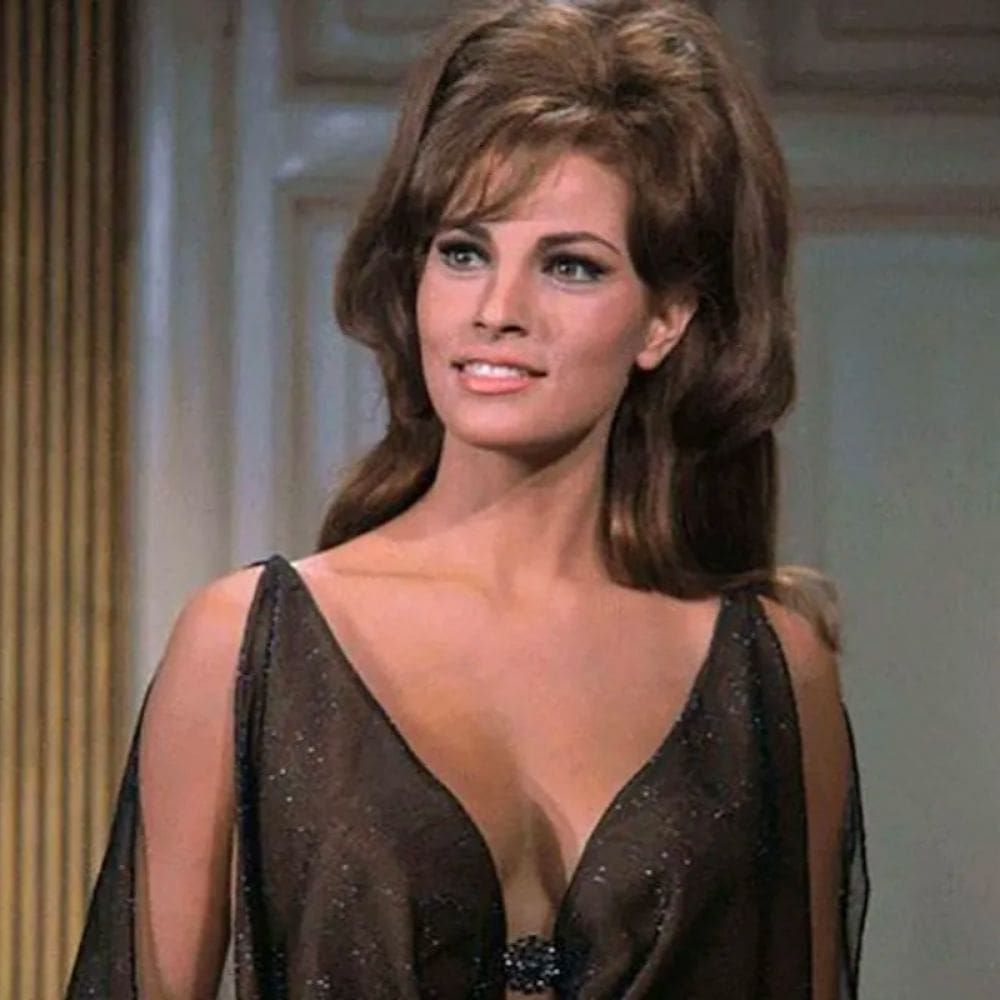
Her first featured role came around in 1965 in the beach film A Swingin’ Summer. People in Hollywood were starting to notice Welch, including the wife of a producer who recommended her to 20th Century Fox. With the help of her manager, she landed a contract.
It’s Raquel
Welch agreed to a seven-year non-exclusive contract with 20th Century Fox, including five movies over five years. Initially, the studio executives wanted to change the actress’s name, fearing audiences wouldn’t be able to pronounce Raquel.
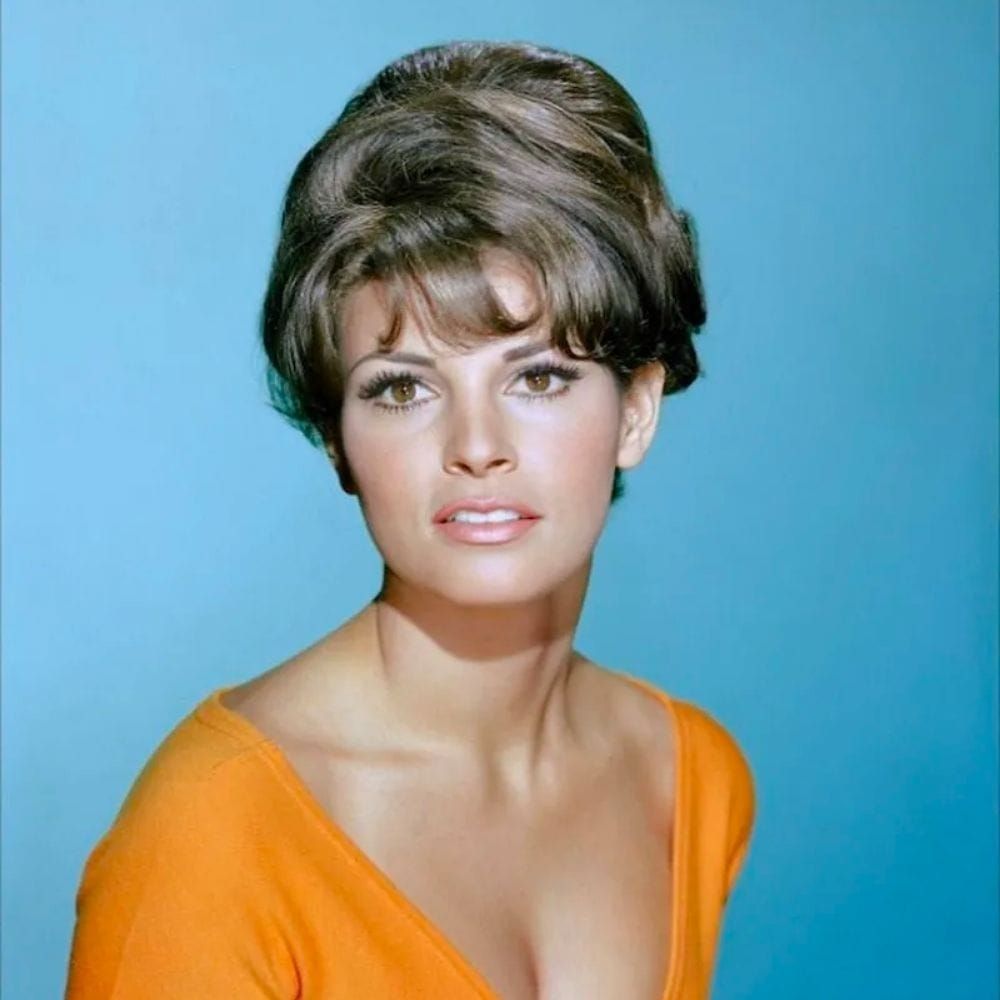
Welch stuck to her guns, though, and refused to change her given name. Executives discussed changing her name to ‘Debbie,’ but thankfully the actress put her foot down. In 1966, Welch secured the leading role in sci-fi movie Fantastic Voyage. It was a hit, and she became an instant star.
A Bombshell Is Born
The most famous image of Welch is still used to promote the Don Chaffey-directed film One Million Years B.C. Welch was loaned to Hammer Studios by Fox Studios in order to lead the film.
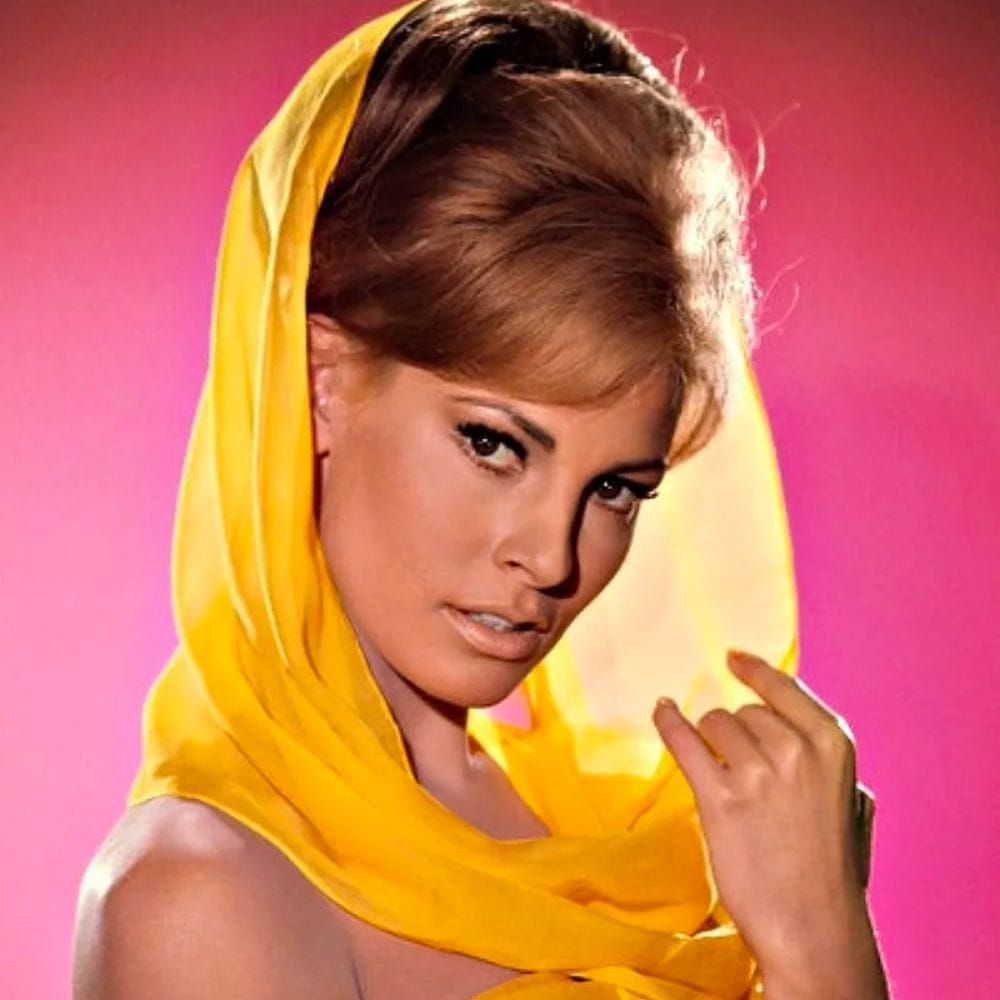
Famously, Welch’s only costume in the movie is a two-piece deerskin bikini, described as the “definitive look of the sixties.” Welch’s costume in this iconic image has been described as “mankind’s first bikini,” and catapulted the actress into super-stardom. The New York Times called Welch “a marvelous breathing monument to womankind.”
Hollywood Pin-Up
Raquel Welch in a deerskin bikini is a truly iconic image, but Welch only had three lines in the film itself.
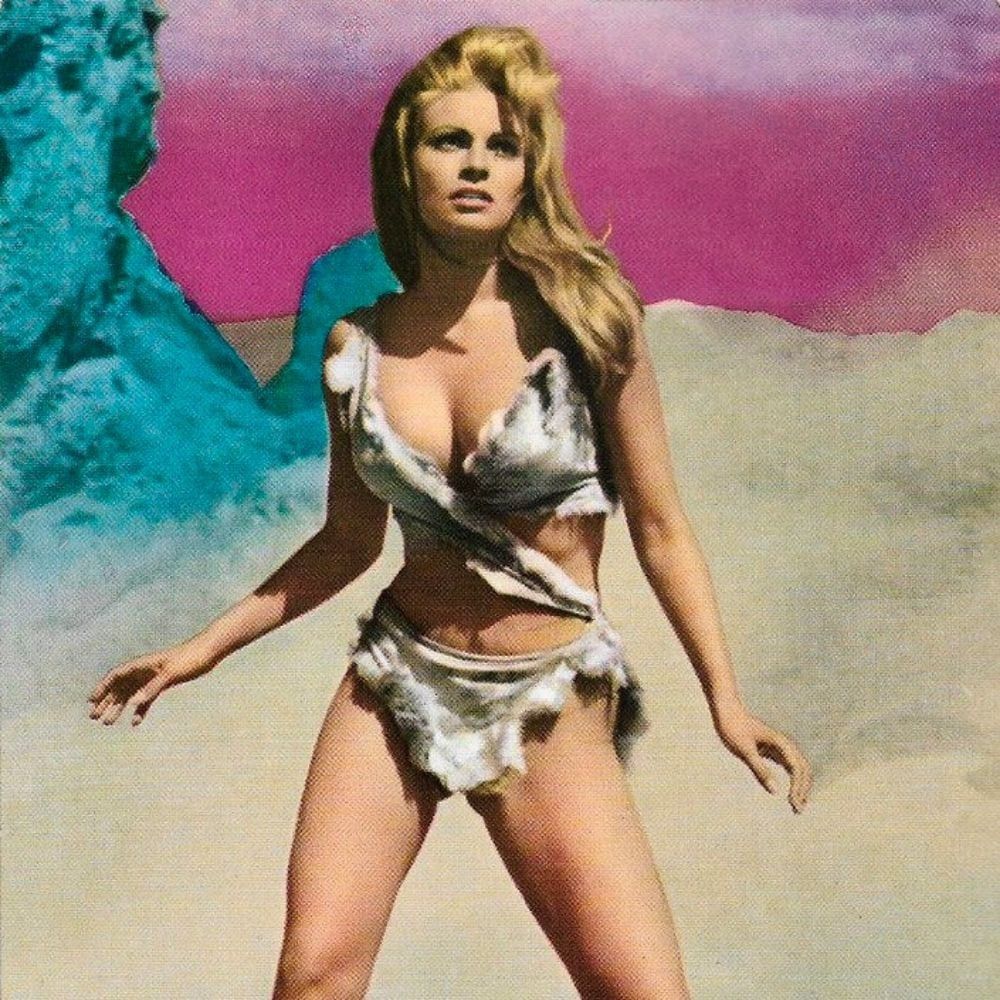
Curtis and Welsh’s plan of turning the actress into an iconic symbol had really paid off. Welch was now a genuine Hollywood pin-up. In fact, she became a leading woman for the entire era. Welch’s image was turned into posters, and soon she was known all over the world. To broaden her appeal, Welch continued to star in different films…