Pop stardom doesn’t always translate to movie magic. These A-list singers and musicians took their shot at Hollywood—landing starring roles, cameos, and big-budget opportunities—but their acting careers never truly caught fire. From notorious flops to forgettable performances, here are the attempted crossovers that fizzled.
Prince in “Purple Rain”
When Prince hit the big screen in Purple Rain, he didn’t just star—he turned the film into a sleek extension of his mystique. Playing “The Kid,” he mixed brooding charisma with blistering musical performance, and audiences showed up for the soundtrack-sized energy. But even with a movie-star introduction that iconic, Prince never truly became a consistent acting presence. Later projects leaned more cult than blockbuster.
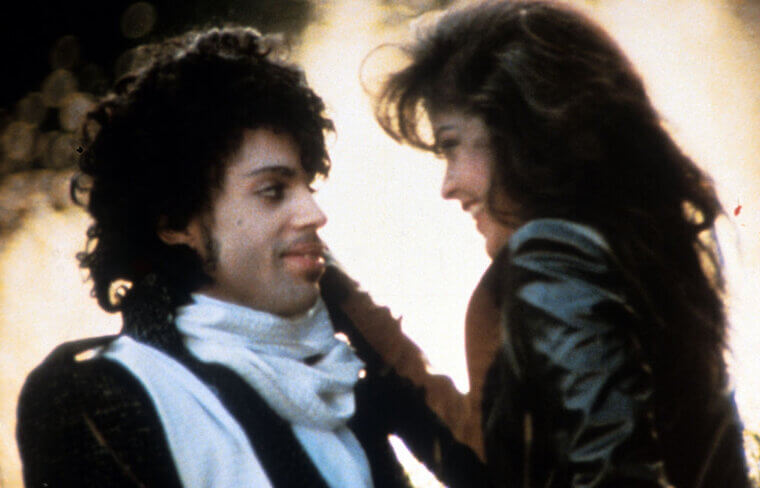
Hollywood never found a long-term “Prince the actor” lane beyond the singular lightning-in-a-bottle vibe of this debut. In the end, his screen legacy stayed tightly tied to his music, not a full-fledged acting era.
Madonna in “Swept Away”
By the time Swept Away rolled around, Madonna had already proven she could command a camera—but this remake became a cautionary tale. Her performance as a wealthy woman stranded on an island with a man she clashes with was widely mocked, and the film’s tone left many viewers cringing instead of captivated. The backlash was loud enough to swallow the movie whole, turning what could’ve been a “serious actress” pivot into a punchline.
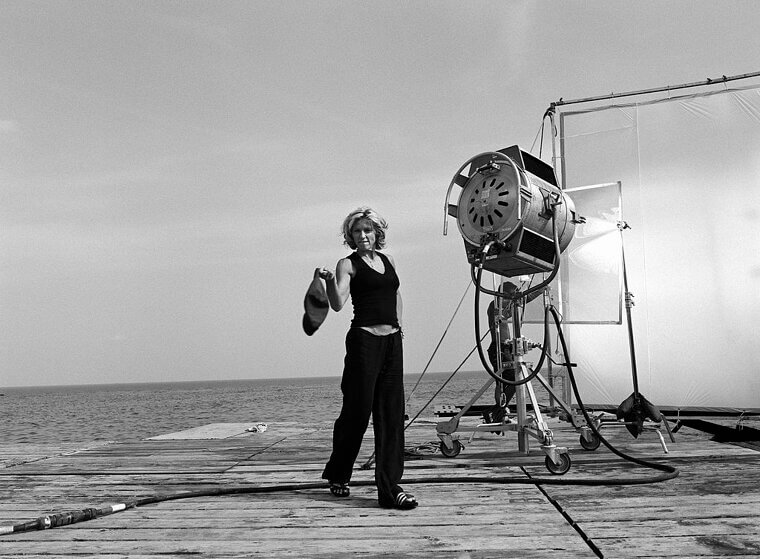
Madonna kept popping up on screen afterward, but Swept Away cemented the idea that her biggest power remained onstage, not in a sustained Hollywood acting run.
Tina Turner in “Mad Max”
Tina Turner didn’t just act in Mad Max Beyond Thunderdome—she took over the screen as Aunty Entity, a commanding presence who feels both glamorous and dangerous. It’s a performance people still remember, and her charisma is undeniable. But even with that kind of impact in a major franchise, Turner didn’t transform into a consistent Hollywood actor afterward. The role stands as a peak rather than the start of a steady film trajectory, and her acting output remained limited compared to her towering music legacy.
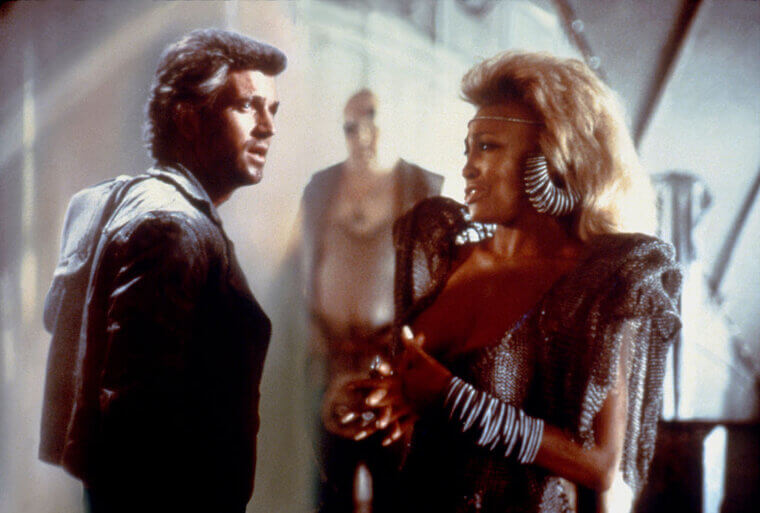
In the end, Mad Max became a brilliant detour—proof she could dominate a movie—without turning into a long-term acting chapter.
Elvis Presley in “Love Me Tender”
Elvis Presley’s film debut in Love Me Tender was a major event—proof that Hollywood recognized his magnetism and wanted to bottle it on screen. He has natural charisma, and audiences were eager to see him in any form, whether he was singing or speaking. But while Elvis made plenty of movies, his acting reputation never matched his musical legend. Many of his film roles leaned formulaic, built around his image and songs rather than dramatic growth, and critics often treated the movies as lightweight vehicles instead of serious acting showcases.
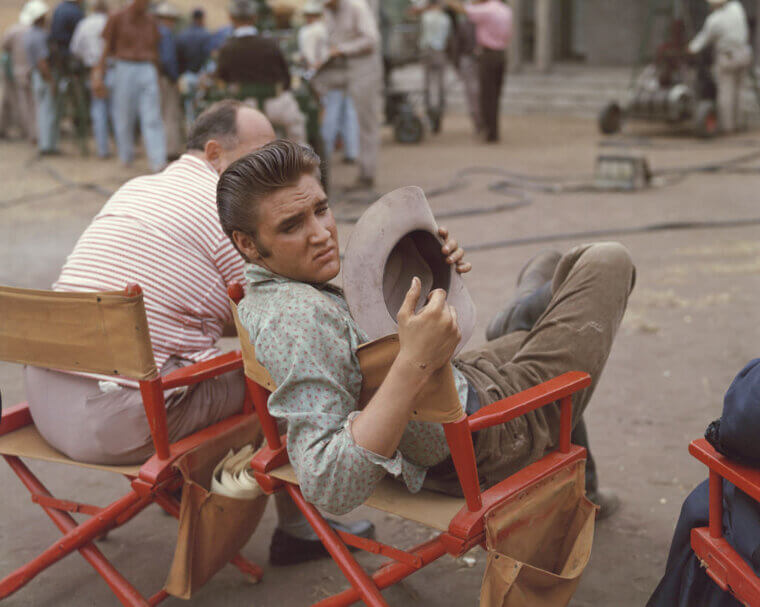
Love Me Tender marks the start of that pattern: the King on camera, yes—but not the King becoming a respected actor. His screen career became famous, but not truly acclaimed.
Beyoncé in “Austin Powers”
Beyoncé’s turn as Foxxy Cleopatra in Austin Powers in Goldmember is pure star power—confident, funny, and effortlessly cool. She plays the role like she’s in on the joke, matching the franchise’s goofy swagger while still feeling like the most glamorous person in the room. And yet, this didn’t kick off a steady acting takeover. Beyoncé continued to choose select roles rather than building an every-year film résumé.
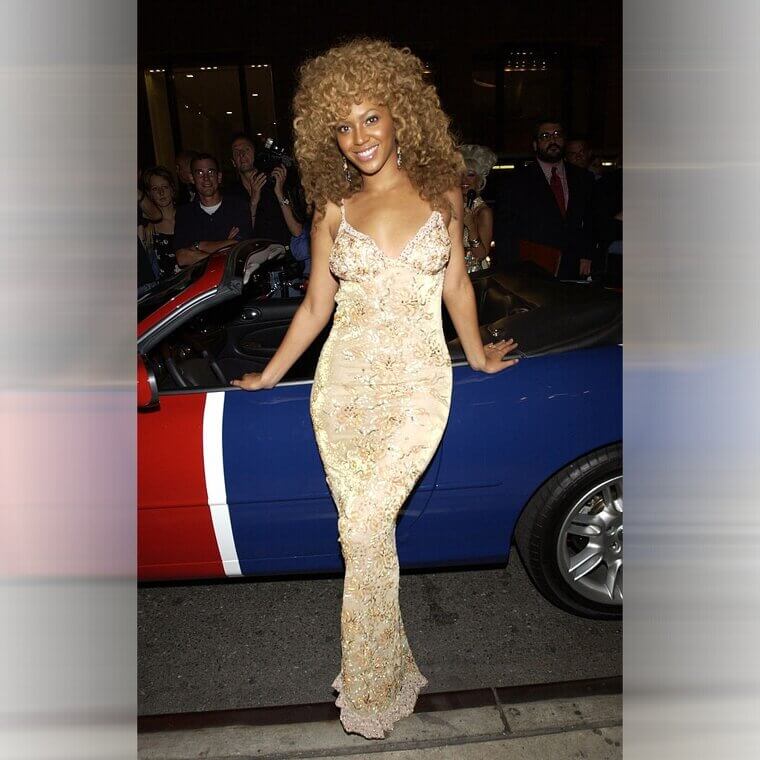
Her screen work has always competed with the gravitational pull of her music career. Even when she’s good, Hollywood remains a side quest—while being Beyoncé stays the main event.
Neil Diamond in “The Jazz Singer”
Neil Diamond’s lead role in The Jazz Singer was designed as a major screen crossover—music legend steps into a dramatic story shaped around performance and identity. He has earnestness and star presence, but the movie didn’t deliver the kind of critical or cultural triumph that would turn him into a lasting Hollywood actor. For many viewers, it played more like a vehicle built for the music than a film that demanded acting range. The result is a project that’s remembered more for its soundtrack connection and “big swing” energy than for launching a film career.
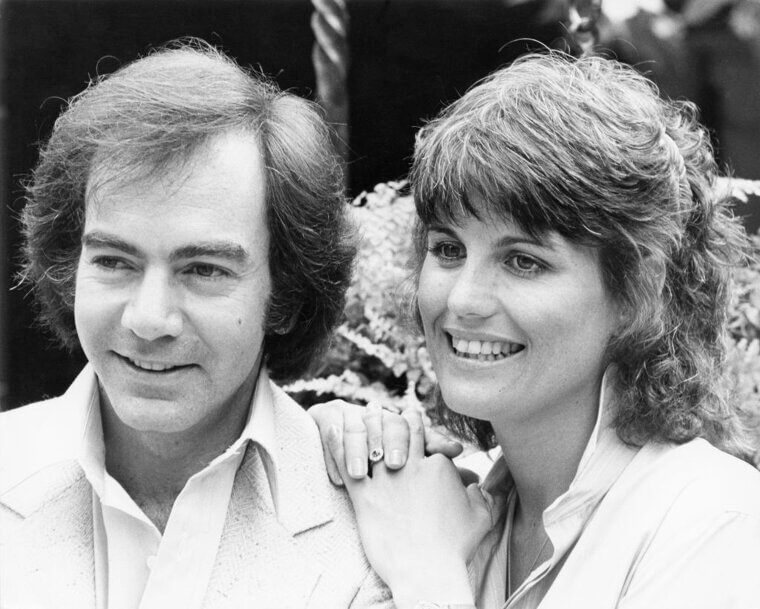
Diamond didn’t follow it with a steady stream of roles, and the acting chapter never truly opened beyond this moment. It’s the classic case of a musician starring in a movie—and then returning to the stage where their power is unquestioned.
Gene Simmons in “Never Too Young to Die”
Gene Simmons has always been a larger-than-life personality, and Never Too Young to Die leans into that by putting him in a role designed to be outrageous and unforgettable. He brings theatrical energy and a fearless willingness to go big—exactly what you’d expect from a performer built on spectacle. The problem is that this kind of campy, over-the-top acting rarely turns into mainstream Hollywood success. The film didn’t become a major hit, and Simmons didn’t emerge as an in-demand actor with a steady pipeline of significant roles.
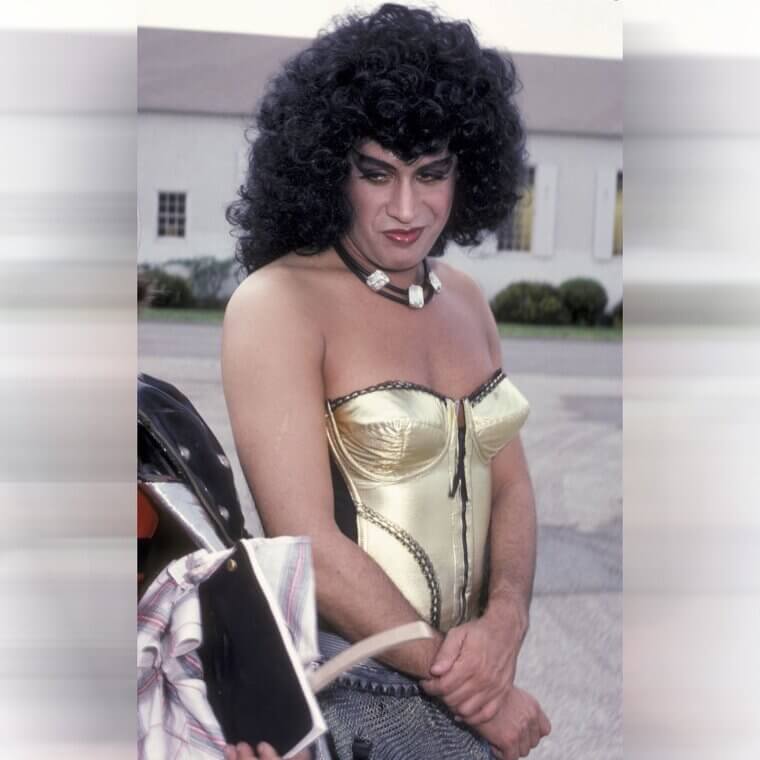
Instead, his acting legacy stayed stuck in “wild novelty” territory, where the performance is talked about more for its shock and vibe than for skill or range. It’s a memorable detour—but not a career transformation.
Roy Orbison in “The Fastest Guitar Alive”
Roy Orbison’s leap into a starring role in The Fastest Guitar Alive has the ingredients of a classic 1960s music-to-movies play: a popular singer, a built-in audience, and a film designed to capitalize on fame. Orbison’s voice and persona are undeniably powerful, but acting is a different muscle—and the movie didn’t transform him into a Hollywood mainstay. The project is remembered today more as a quirky piece of pop history than as a respected acting showcase.
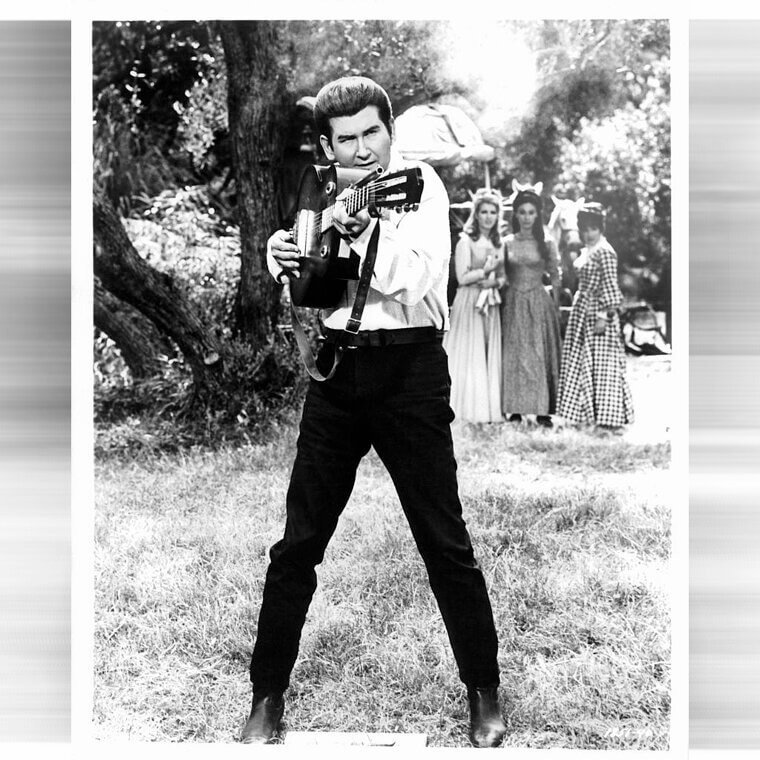
Instead of launching a film career, he became a singular oddity in his legacy. Orbison remained a music icon first and last, and the movie stands as a reminder that even legendary talent can look out of place when the medium changes.
Ringo Starr in “Caveman”
Ringo Starr has a naturally likable screen presence, and Caveman leans into that with broad comedy and physical gags. It’s an oddball concept that suits his playful vibe, and he’s easy to watch in a movie that doesn’t ask for deep dramatic nuance. But even with a starring role, Caveman didn’t turn Ringo into a mainstream acting staple. The film became more of a quirky artifact than a major comedy classic, and it didn’t generate the kind of momentum that would lead to a long run of big roles.
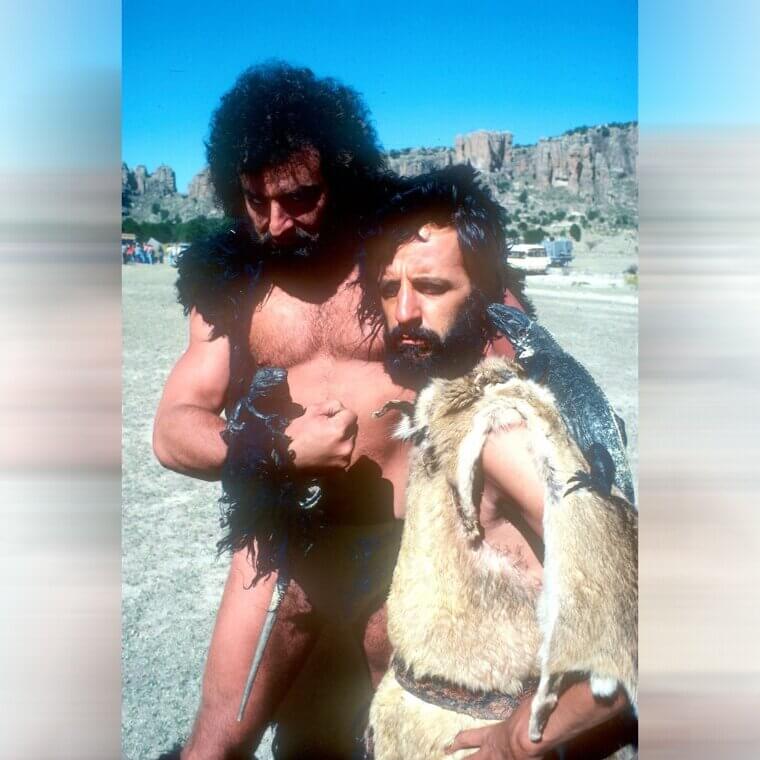
Ringo’s acting work stayed secondary—fun, occasional, and largely tied to his Beatles-era celebrity. Ultimately, Caveman is remembered as a strange, charming detour, not the moment Ringo became Hollywood’s next great comic actor.
Mariah Carey in “Glitter”
Few music-to-film pivots became as infamous as Mariah Carey’s Glitter. The project aimed to frame her as a dramatic leading woman in a story tied to music, but the film’s poor reception and surrounding public narrative overwhelmed any chance of a clean acting breakout. Instead of showcasing her as a screen talent, it turned into a widely mocked moment that critics and audiences alike struggled to take seriously. Carey’s performance couldn’t escape the movie’s reputation, and the result was a major stumble that slowed any momentum toward acting credibility.
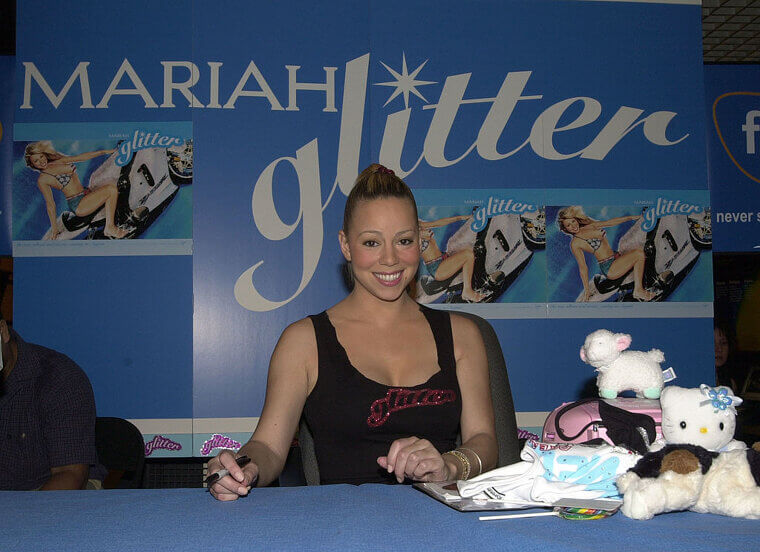
While Mariah’s music career rebounded and continued to thrive, Glitter became the cautionary headline: a high-profile attempt to become a film star that backfired so loudly it practically closed the door on a sustained acting path.
Bob Dylan in “Hearts Of Fire”
Bob Dylan’s starring role in Hearts of Fire is one of those cinematic artifacts that fascinates fans more than it impresses general audiences. The film tried to translate his cool, enigmatic aura into a dramatic narrative, but the end result didn’t convince viewers that Dylan should be a full-time actor. His performance is often described as stiff or detached—sometimes compelling, sometimes simply distant—and the movie never became the kind of success that would demand a sequel career move into acting.
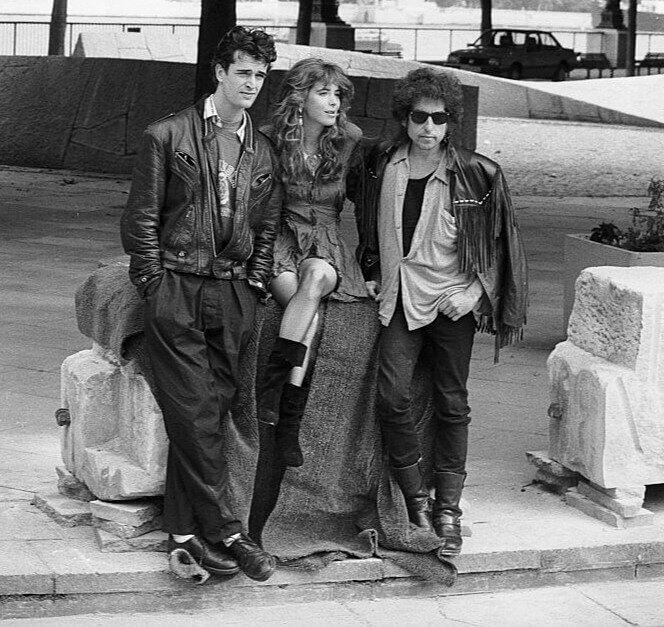
Dylan’s screen presence works best in small doses or as part of his myth, not as a conventional leading man in a traditional story. Hearts of Fire stands as proof that cultural legend doesn’t automatically equal acting prowess—and that sometimes a musician’s mystery is better left unboxed.
Luciano Pavarotti in “Yes Giorgio”
Casting Luciano Pavarotti in a romantic comedy-drama like Yes, Giorgio was a bold attempt to turn an opera titan into a mainstream movie leading man. He certainly brings vocal grandeur and an unmistakable presence—but film acting demands a different kind of charisma, one built on subtlety and natural dialogue rhythm. The movie didn’t become the crossover hit it hoped to be, and Pavarotti never developed into a screen star the way producers likely envisioned. Instead, the project is often remembered as an unusual “what if?” in his career: a famous voice placed in a Hollywood format that didn’t quite fit.
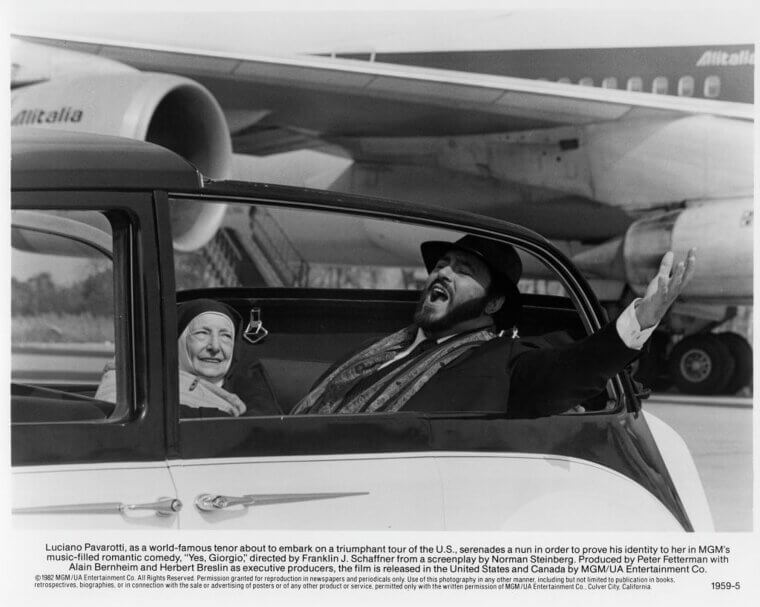
Pavarotti’s greatest performances were always meant for concert halls and opera houses, and Yes, Giorgio ultimately reinforced that truth rather than rewriting it.
Harry Styles in “My Policeman”
Harry Styles took a serious swing with My Policeman, stepping into a restrained drama that demanded subtlety and emotional control. For a musician looking to be taken seriously as an actor, it’s the kind of project that signals ambition. But the reception to his performance was mixed, and the conversation often centered on whether he was truly ready for a role that required quiet depth rather than pop-star charisma. That debate undercut the idea of a clean acting breakthrough, and the film didn’t cement him as an unquestioned dramatic leading man.
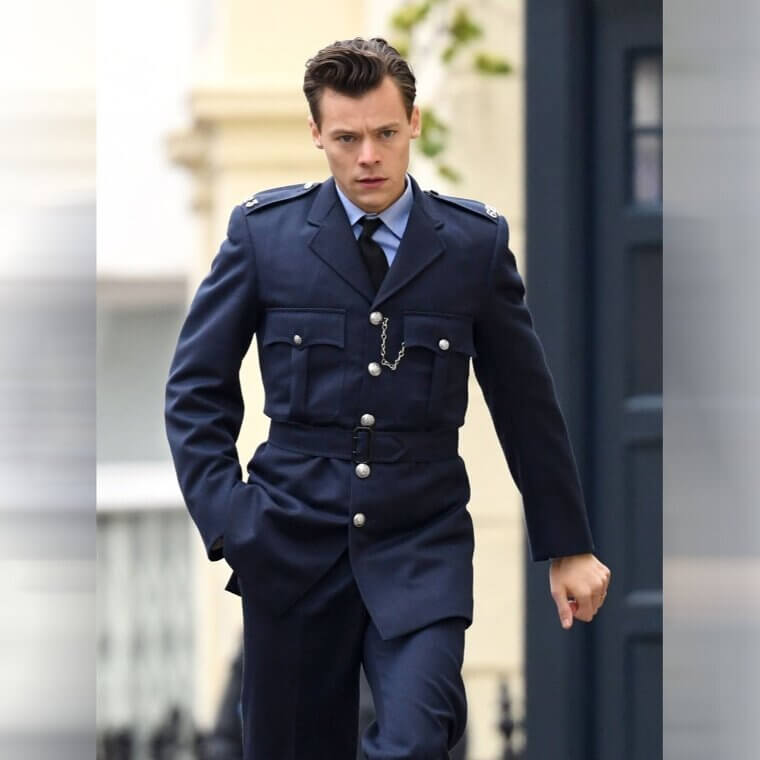
Styles remains a major cultural figure, but My Policeman shows how tough the transition can be: even with fame, landing “serious actor” status requires performances that silence the noise—and this one didn’t fully do that.
Mick Jagger in “Ned Kelly”
Mick Jagger stepping into Ned Kelly is one of those intriguing crossovers where the fame is undeniable, but the fit can feel off. Even when he commits, it’s hard for audiences to see past the rock-icon aura—especially in a period story that needs immersion more than celebrity recognition. The film didn’t become a defining acting moment that rebranded Jagger as a serious dramatic performer, and his acting career never took on the shape of a true second act. Instead, his movie roles remained occasional experiments rather than a steady climb toward screen prestige.
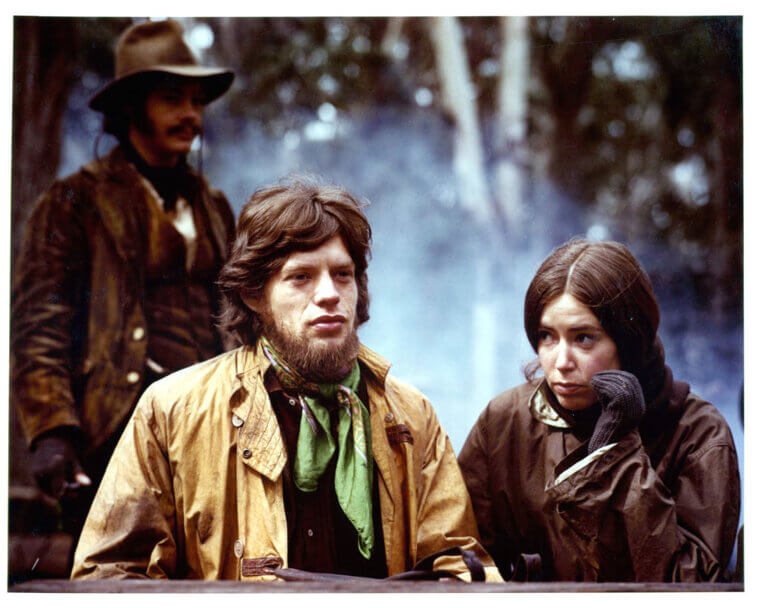
Jagger’s charisma belongs to stadiums; on film, it often reads as “Mick Jagger in a costume,” which is fascinating—but not the same as being convincingly lost in character.
Jennifer Lopez in “Gigli”
Jennifer Lopez has delivered solid screen performances across her career, but Gigli became the project that haunted her acting reputation for years. The film was widely ridiculed, and the backlash wasn’t just about the script—it became a cultural punchline that overshadowed everything it tried to be. Lopez and Ben Affleck’s on-screen pairing drew intense tabloid attention, and the movie’s tone and dialogue didn’t help. Instead of cementing her as a serious leading actress, Gigli created a “can she act?” narrative that she had to work hard to outgrow.
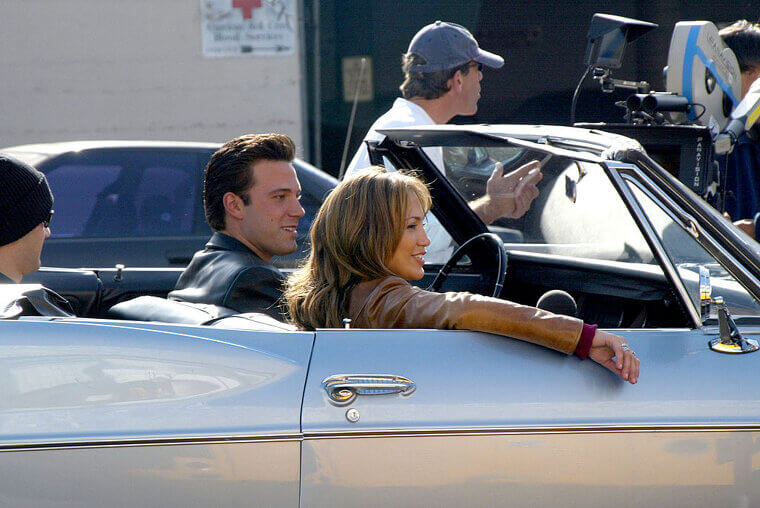
She absolutely continued acting, but this role represents an “unsuccessful pivot” moment: a high-profile attempt at movie stardom that landed with a thud and left a lasting stain on her film résumé.
Michael Jackson in “Captain EO”
Michael Jackson’s Captain EO is a dazzling showcase of his performance magic—dance, music, and pure MJ spectacle packaged into a futuristic short film experience. He’s magnetic, of course, and the production is built to spotlight his unique star power. But as an acting move, it didn’t translate into a conventional film career. Jackson didn’t follow this with a wave of feature-film roles that would establish him as a screen actor with range; instead, his on-camera legacy remained rooted in music videos, live performance, and special-event projects.
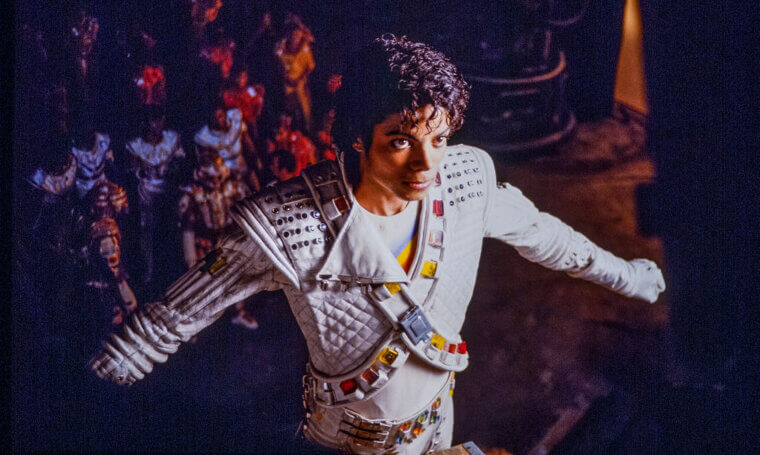
Captain EO is iconic in its own lane—more pop-cultural attraction than acting breakthrough. It proves he could command a cinematic space, but it also shows why the transition stayed limited: MJ’s genius was performance art first, not Hollywood character work.
Jessica Simpson in “Dukes of Hazard”
Jessica Simpson’s Daisy Duke in The Dukes of Hazzard is a classic “pop star cast for star power” move: she looks the part, brings bubbly charisma, and delivers exactly the glossy energy the film wants. But the movie’s reception was lukewarm, and the role didn’t establish Simpson as a lasting Hollywood actress. For many audiences, the performance felt tied to image and marketing rather than a breakout of acting range, and it didn’t lead to a flood of major film opportunities afterward.
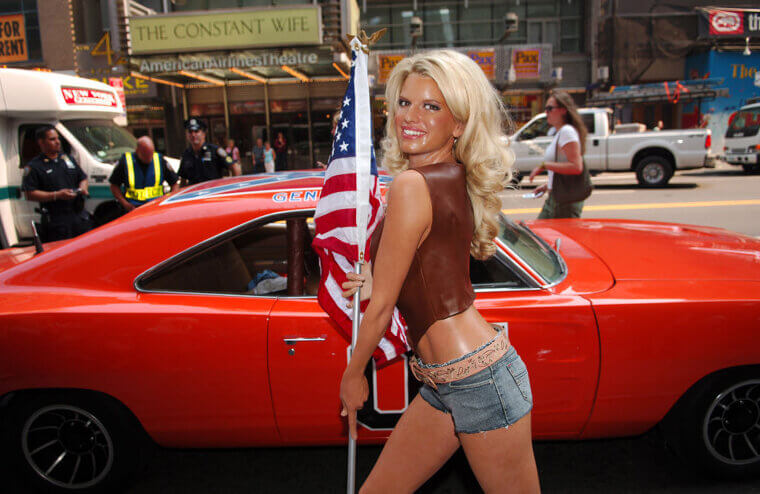
Instead, it became one of those roles that’s remembered more for cultural buzz and the look than for lasting cinematic impact. Simpson stayed a recognizable celebrity in many arenas, but Dukes didn’t become the launchpad for a sustained acting career.
Paul McCartney in “A Hard Day’s Night”
Paul McCartney in A Hard Day’s Night is effortlessly charming—playful, witty, and totally comfortable in the Beatles’ whirlwind world. The film’s style helped redefine music movies, and McCartney comes off as naturally camera-friendly. But even with that kind of iconic screen moment, he didn’t pursue an acting-driven path afterward in the way a true “move into acting” story would require. The performance is inseparable from being a Beatle, not from becoming a standalone actor.
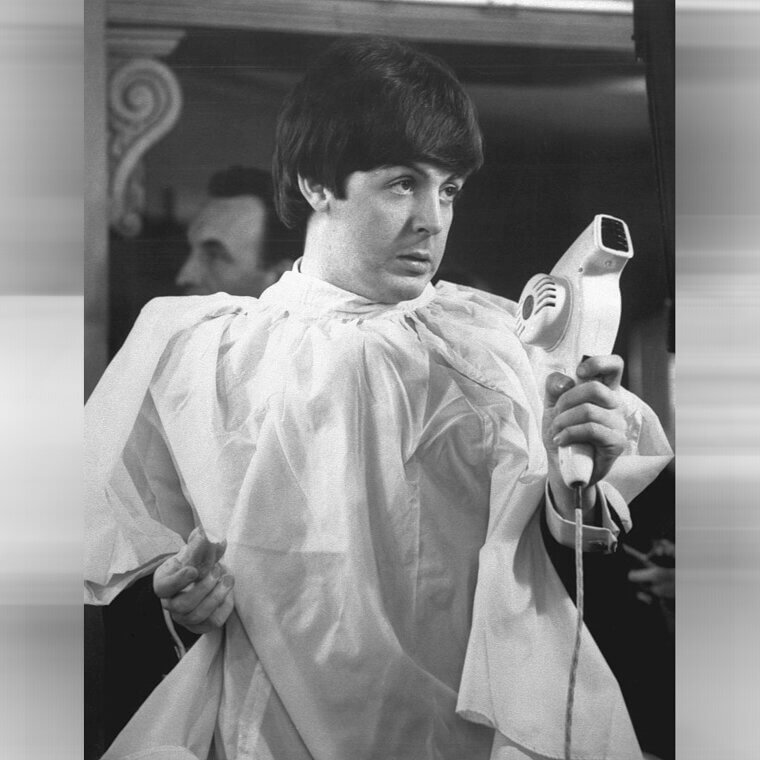
Later appearances never built a substantial film career, and Hollywood never turned him into a regular leading man. A Hard Day’s Night remains legendary—yet it’s legendary as Beatles mythology, not as the start of Paul McCartney: Movie Star.
Usher
Usher has flirted with acting for years—showing up in films, TV, and occasional starring vehicles—yet the screen work never became a true second career that matched his music success. He has the looks, the confidence, and the ability to perform under pressure, but acting demands more than stage presence and charisma. His roles often landed as “Usher on screen” rather than a fully transformed character, and none of the projects truly cemented him as a reliable leading man audiences demanded to see again and again.
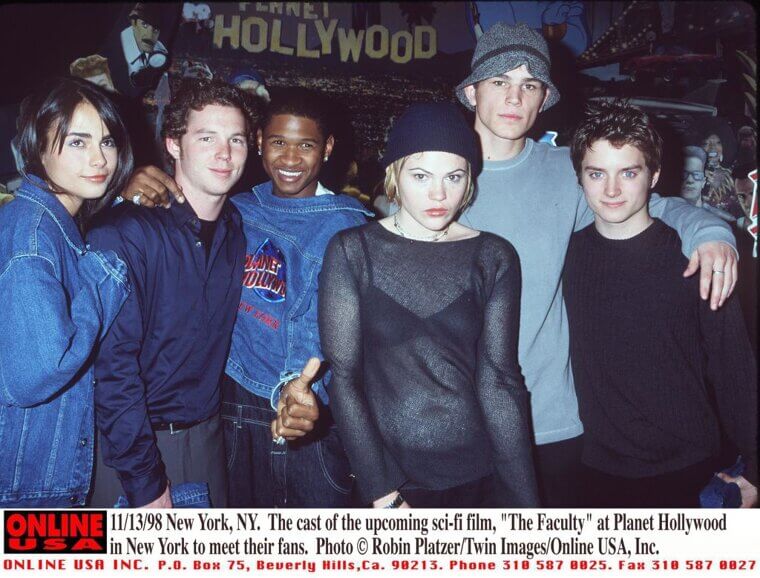
While he’s had moments that are entertaining and perfectly watchable, the industry never fully rebranded him as an actor first. In the end, Usher’s Hollywood chapter reads like a side hustle—interesting, sometimes fun, but never the main headline compared to his dominance in music.
Taylor Swift in “Valentine’s Day”
Taylor Swift’s turn in Valentine’s Day is a classic example of a pop superstar being slotted into a glossy ensemble film: recognizable, charming, and easy to market. She plays a sweet, youthful character in a storyline designed to be light and digestible. But the role didn’t push her into a serious acting lane, and the overall “celebrity-packed rom-com” vibe made it hard for anyone to stand out for performance reasons alone. Swift’s on-screen presence felt more like a cameo-plus than a breakout, and it didn’t lead to an immediate wave of major acting projects.
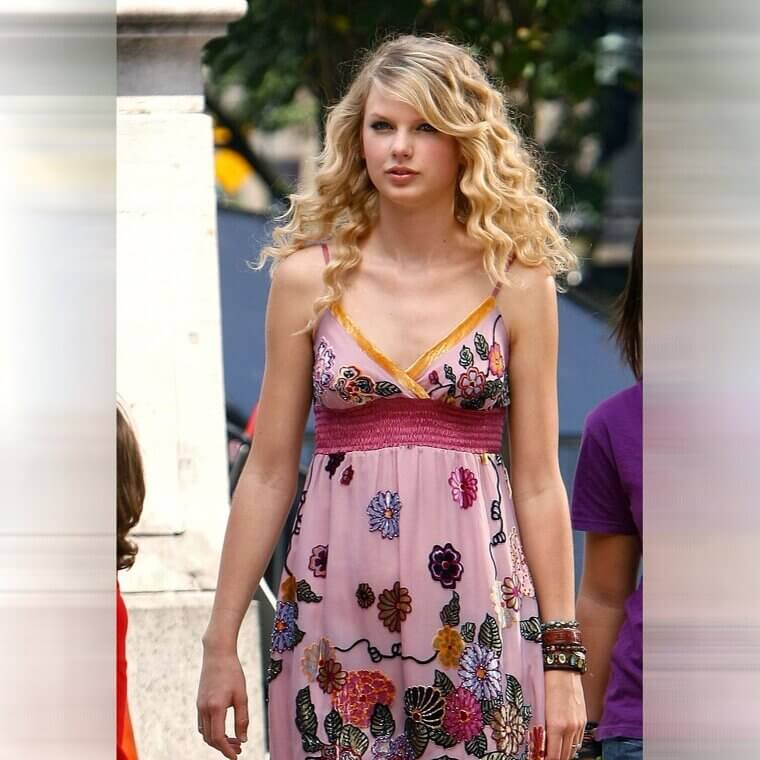
Instead, it reinforced the idea that her star power works best when it’s attached to songwriting, staging, and music storytelling. Hollywood got a fun moment—but not a new full-time actress.
Vanilla Ice in “Cool as Ice”
Vanilla Ice starring in Cool as Ice is the definition of early-’90s pop-star branding turned into a movie. The film is built around his image—cool bike-riding rebel, catchy attitude, and maximum “look at the star” energy. But as an acting showcase, it became famous for the wrong reasons. The movie was widely ridiculed, and its reputation has lived on as a camp curiosity rather than a launching pad for serious screen work. Instead of turning Vanilla Ice into a crossover actor, it cemented him as a moment in time—an artist whose fame didn’t translate into acting credibility.
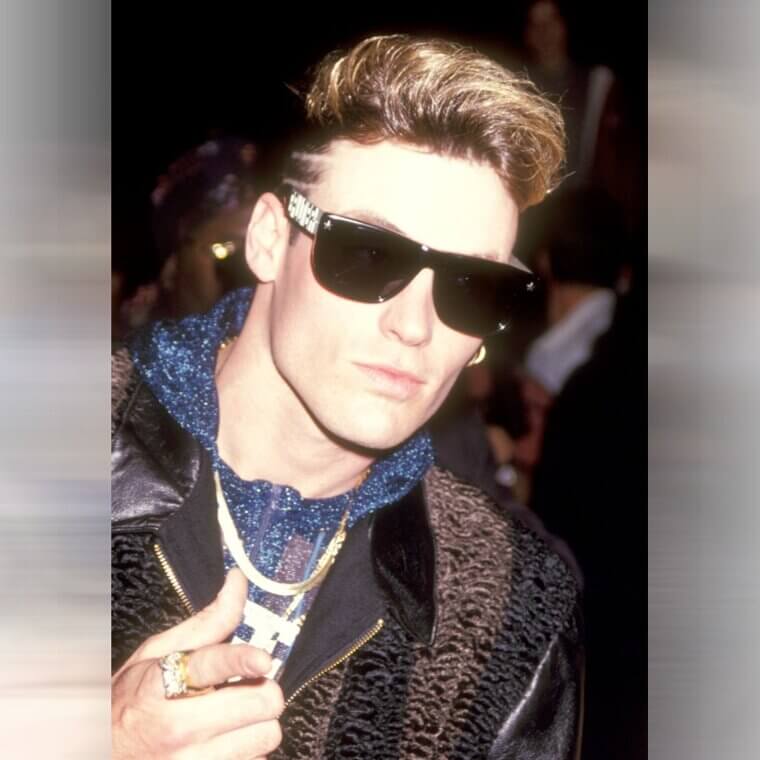
Today, Cool as Ice is enjoyed ironically by many viewers, which says everything: it’s memorable, but not successful in the way a true acting transition needs to be.