Nowadays, we can click a few buttons and see endless beautiful photos of the world and the people traveling throughout it. But with perfectly taken, filtered pictures of nature and tourist sites so readily available, we can’t help but appreciate these raw, unedited snapshots even more. From chilling places to bizarre occurrences, come take a walk on the wild side and see a different side of our planet.
The African Fruit Bat and Yes, It’s Real
This guy might look like something out of photoshop, but it’s actually called a Buettikofer’s epauletted fruit bat. The long-snouted bat is found along the coast of sub-Sahara Africa, and despite its look, the bats only eat fruit. They are also pretty common throughout their range, meaning that if you really want to see one, you likely can. However, like most bats, they are nocturnal and only come out at night.
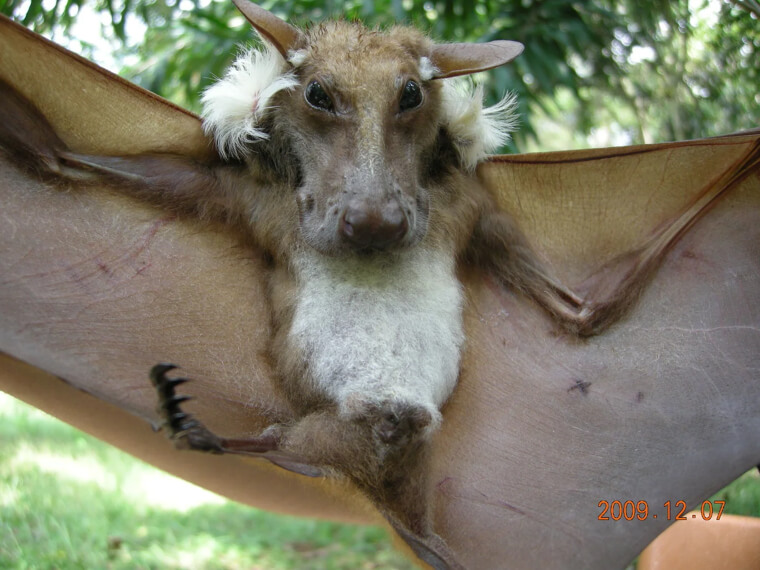
Just don’t be too afraid when you see that face flying towards yours in the middle of the night. And to be honest, the more we look at this photo, the more this little guy actually looks kind of cute.
Abandoned Silver Mine
No, this area wasn’t damned or flooded; it actually used to be an underwater silver mine. These shafts located under Lake Superior were at one time the entrance to one of the richest silver deposits in the world. However, as you might imagine, it’s not easy to mine underwater. The company that ran the mine had to build up a wall around the deposits and run a pump day and night to keep water out of the shafts.
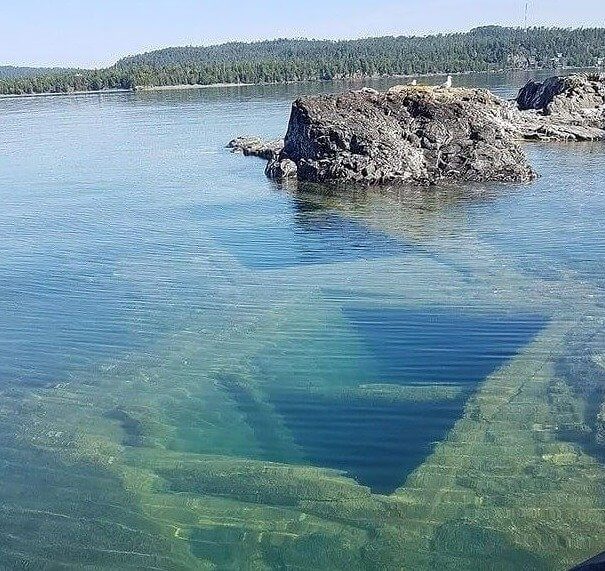
Eventually, the whole ordeal just got too troublesome to be worth it, and the mine was abandoned. However, people suspect that there is probably still plenty of silver left in the area; it’s just a case of not being able to mine it all out.
Standard Buildings Are Out, Human Towers Are in
The Iberian peninsula is home to some pretty crazy cultural traditions. In addition to running with the bulls, it also hosts this spectacle. The Catalonian tradition dated back to the early 18th century and started as a simple cultural activity. However, in the 1980s, the region began constructing these “castells” or human towers as part of competitions. Today, the tradition is listed under UNESCO, and the festivities are carried out every year in the region.
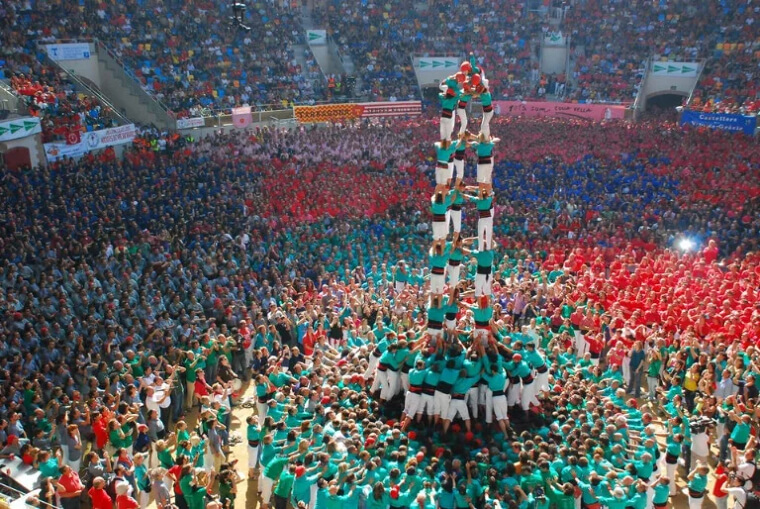
The groups often wear specially-colored costumes. In order to build them so tall, children are the ones who sit at the very top. Of course, helmets are worn, and anybody who falls is likely to be caught by the mass of people at the bottom.