34. The Scarlet Letter (1995)
This adaptation of Nathaniel Hawthorne’s classic is often cited as one of the most misguided attempts in Hollywood history. Starring Demi Moore, the film made the baffling decision to drastically alter the ending, turning a somber tale of guilt and societal judgment into a bizarre action-drama with a “happy” conclusion. Critics and fans of the 1850 novel were reportedly horrified by the inclusion of a literal “Rambo-style” skirmish at the end.
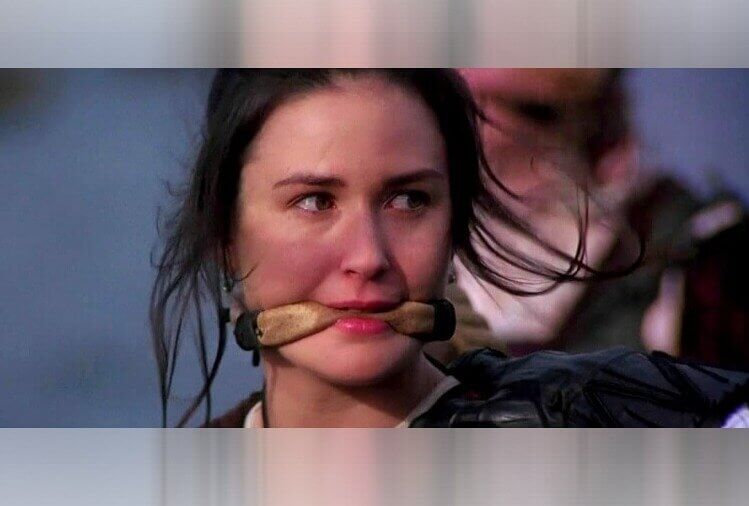
It allegedly prioritizes 90s star power over the book’s deep psychological themes, making it a definitive example of how not to adapt a literary masterpiece.
33. Percy Jackson & The Olympians: The Lightning Thief (2010)
Fans of Rick Riordan’s beloved series were left scratching their heads when this movie hit theaters. The film aged the characters from twelve to sixteen, which reportedly gutted the foundational growth themes of the original story. It also allegedly ignored crucial plot points, such as the overarching threat of Kronos, in favor of a generic “find the pearls” quest that didn’t exist in the book.
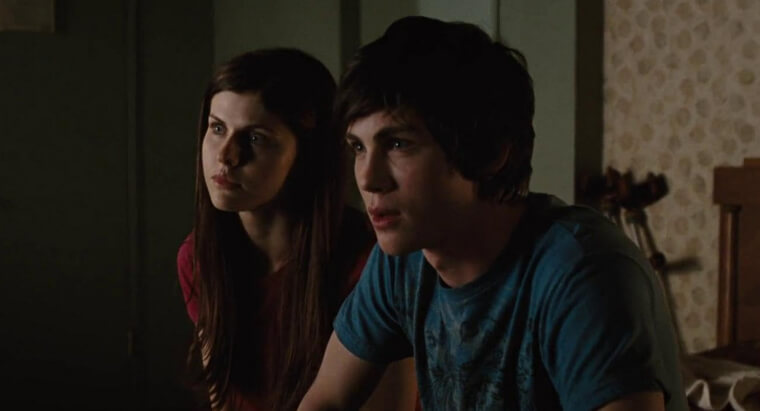
Author Rick Riordan has famously distanced himself from the project, reportedly stating that he felt the script was like watching his life’s work go through a meat grinder.
32. The Dark Tower (2017)
Stephen King’s sprawling eight-book epic is a complex tapestry of Western, fantasy, and sci-fi. Unfortunately, the film attempted to cram all that lore into a measly 95 minutes. The result was a confusing mess that allegedly alienated lifelong fans and left newcomers bewildered. While Idris Elba and Matthew McConaughey were praised for their acting, the script was reportedly so thin that it felt like a cliff-notes version of a much better story.
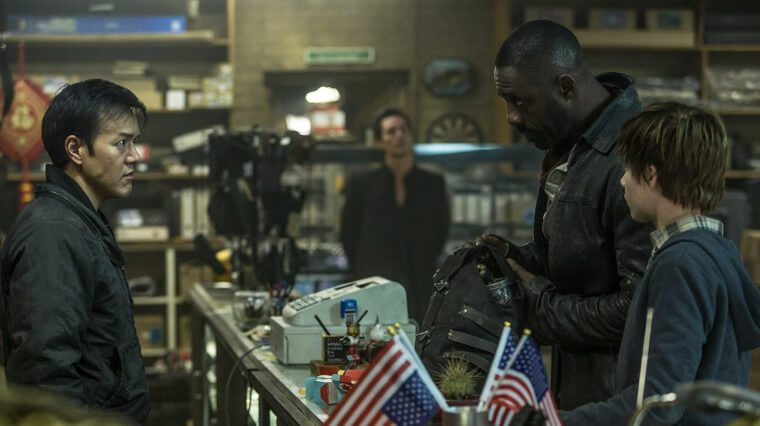
It is widely considered one of the biggest missed opportunities in the realm of modern book-to-screen adaptations for King enthusiasts.
31. The Great Gatsby (2013)
Baz Luhrmann’s take on F. Scott Fitzgerald’s definitive American novel is certainly a feast for the eyes, but many argue it lost the soul of the book. While Leonardo DiCaprio was arguably a perfect Jay Gatsby, the frantic editing and modern hip-hop soundtrack reportedly clashed with the 1920s setting for many viewers. Allegedly, the film became so obsessed with its own spectacle that the subtle tragedy of the “American Dream” was buried under glitter and champagne.
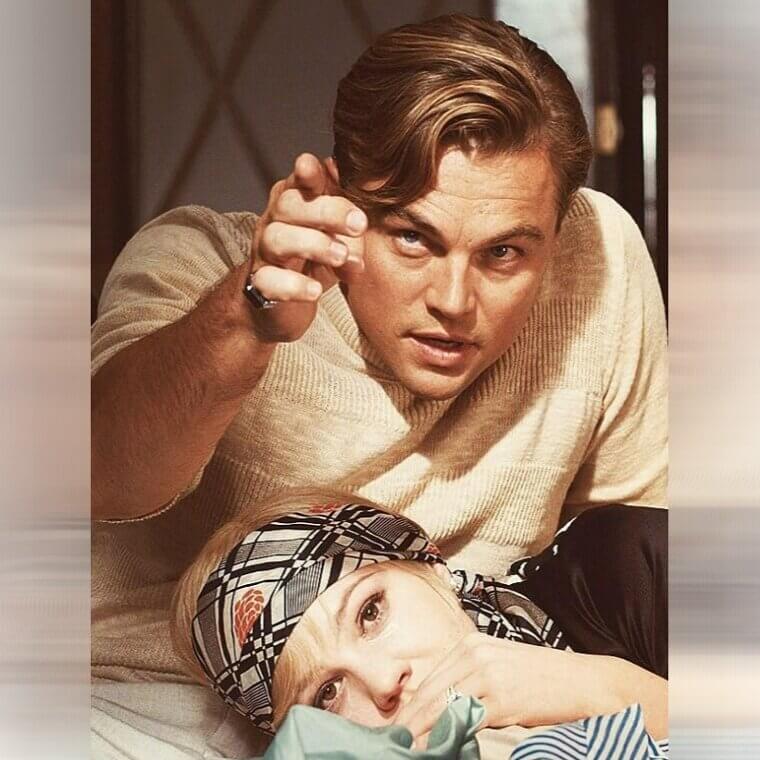
It is a visually stunning experience, but it reportedly lacks the haunting, quiet intimacy that makes the prose so timeless.
30. The Bonfire of the Vanities (1990)
Tom Wolfe’s biting satire of 1980s New York class struggles was a literary sensation, but the movie is legendary for being a “bomb.” Casting Tom Hanks—America’s sweetheart—as a greedy, unlikable Wall Street trader reportedly backfired, as the film softened the book’s sharp edges to make the characters more sympathetic. This change allegedly sucked the life out of the social commentary.
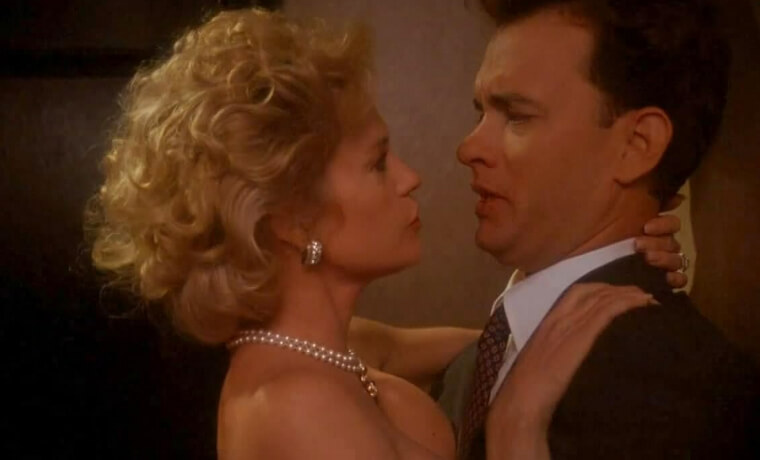
The production was so fraught with issues that a book was actually written just about how bad the filming was. It remains a cautionary tale about miscasting and losing a book’s intended tone.
29. Eragon (2006)
Based on Christopher Paolini’s best-selling dragon rider series, this film was expected to be the next big fantasy franchise. Instead, it was reportedly hampered by a rushed plot and lackluster special effects. Fans were particularly upset that the film allegedly simplified the complex magic system and ignored the detailed world-building that made the books a success. The screenplay reportedly took so many liberties that a sequel became narratively impossible.
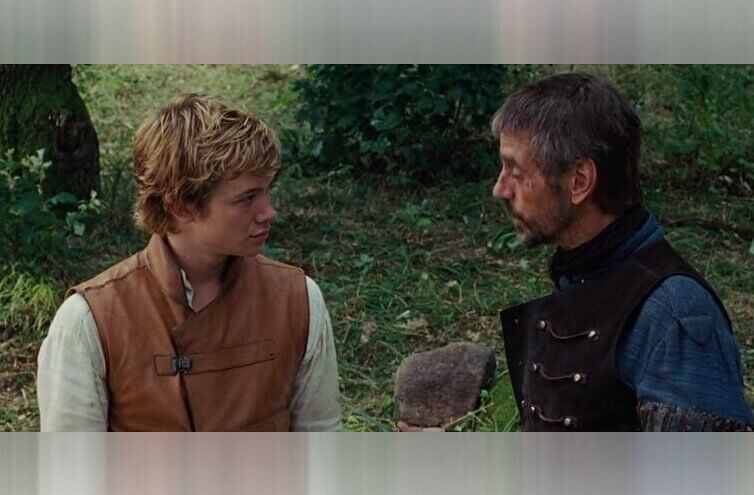
It is often remembered as a film that lacked the “spark” of its source material, leaving a generation of young readers disappointed by the on-screen result.
28. The Hobbit Trilogy (2012–2014)
While Peter Jackson’s Lord of the Rings was a triumph, turning a 300-page children’s book into three massive films was a choice that divided audiences. To fill the time, the filmmakers reportedly added subplots and characters that never appeared in J.R.R. Tolkien’s original work. Allegedly, the heavy use of CGI made the world feel less “real” than the previous trilogy.
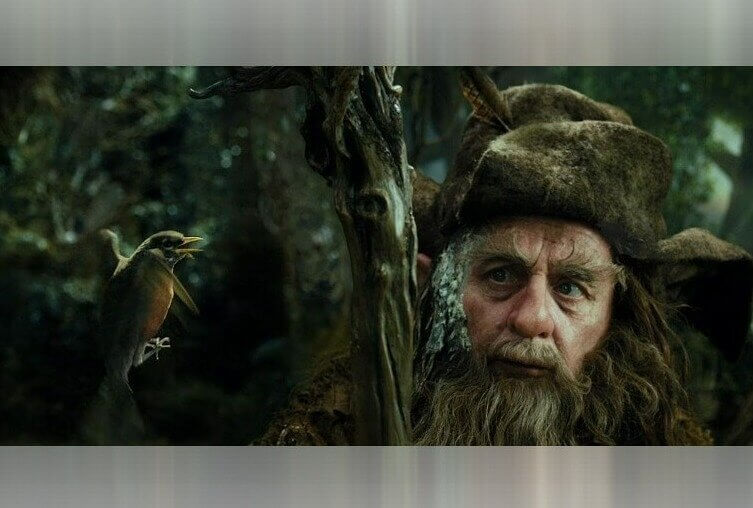
While some enjoyed the return to Middle-earth, many purists felt the simple, charming adventure of Bilbo Baggins was bloated and over-commercialized. It stands as a prime example of “more” not always being “better” in storytelling.