Unlike what many people think, being LGBTQ is not a new phenomenon. Because of the illegality of homosexuality throughout most of history, many might be surprised to learn that some of the most famous historical figures we learn about in school were queer. Some even spoke out about LGBTQ rights during their time. However, most of the time, many were forced to hide their sexual orientation due to laws and prejudice. Luckily, historians have been able to piece together the secret lives of many famous celebs and shed more light on their contributions to the LGBTQ community.
Eleanor Roosevelt
Eleanor Roosevelt was the wife of Franklin Delano Roosevelt and, without a doubt, one of the most influential first ladies in history. She has been credited with helping run the White House behind the scenes during the 1920s when America was embroiled in the Great Depression. We now know that she was also bisexual and had several partners who were women. Today, a cottage she built is listed with the National Park Service as an important LGTQ historic site.
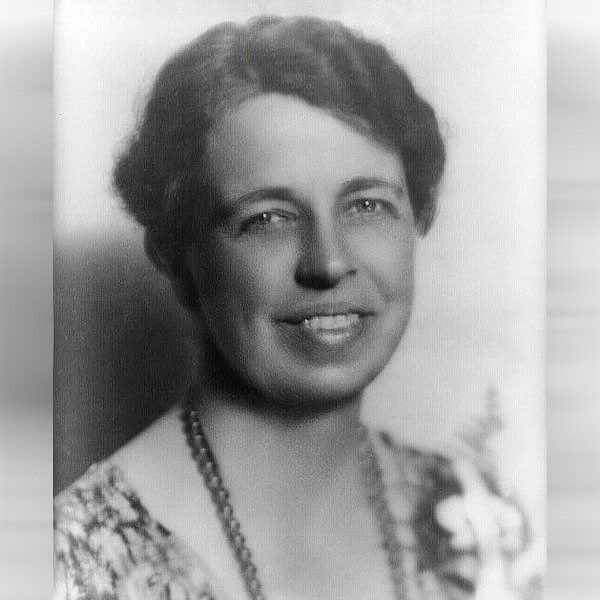
While she had relationships with a couple of different women, one of the longest-lasting was with pioneering reporter Lorena Hickok. They wrote many letters to one another such as this: “I wish I could lie down beside you tonight & take you in my arms,” which Eleanor wrote to Lorena in 1934.
Jane Addams
Jane Addams was an important activist and suffragist who also happened to be a lesbian. She was truly a pioneer during her time, and she led the charge for a number of women’s rights issues. During the latter stages of her life, she lived at the home for immigrants she founded in Chicago, called Hull House. It was here that she spent the last years of her life with a woman named, Mary Rozet Smith.
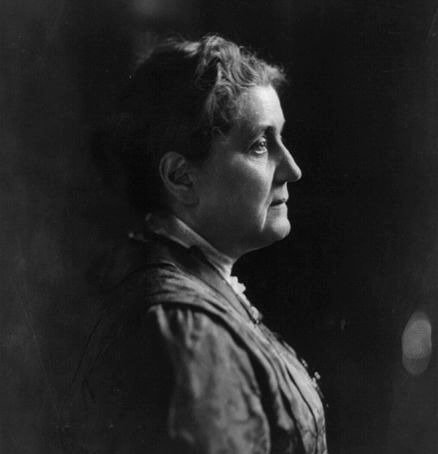
Mary died due to pneumonia in 1934, and fellow reformer Alice Hamilton was so worried that Jane wouldn’t be able to bear life without Mary that she pleaded with her to get better before her death. A year after Mary died, Jane also passed away.
Gertrude Stein
Gertrude Stein was a literary giant and hosted some of the early 20th century’s most famous figures and artists at her place in Paris. During that time, she was also in a relationship with a woman named Alice B. Toklas. The two were very open about their relationship during their time. After the Nazis occupied France, they were forced to flee to the countryside, being both homosexual and Gertrude being Jewish.
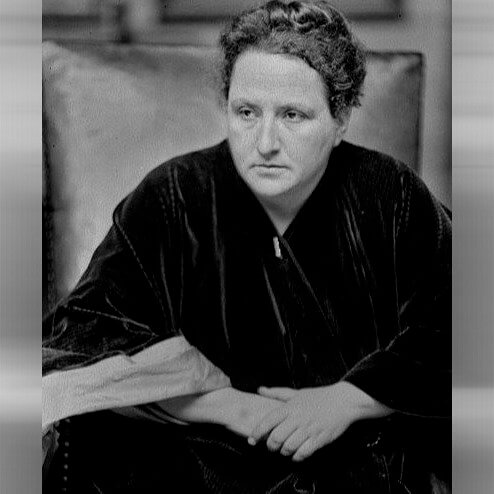
Alice passed away in 1946, and despite her leaving her belongings and estate to Gertrude, French courts didn’t recognize their marriage, creating financial problems for Gertrude that lasted until she passed away.
James Dean
Despite his early death, actor James Dean very much lives on as a cultural icon. He’s mostly remembered today for his devilish good looks and some of the macho roles he took driving sports cars. However, there is also some suspicion that he may have been bisexual. This suspicion comes from a question he was once asked by a reporter. The journalist asked him about his sexuality and if he was gay.
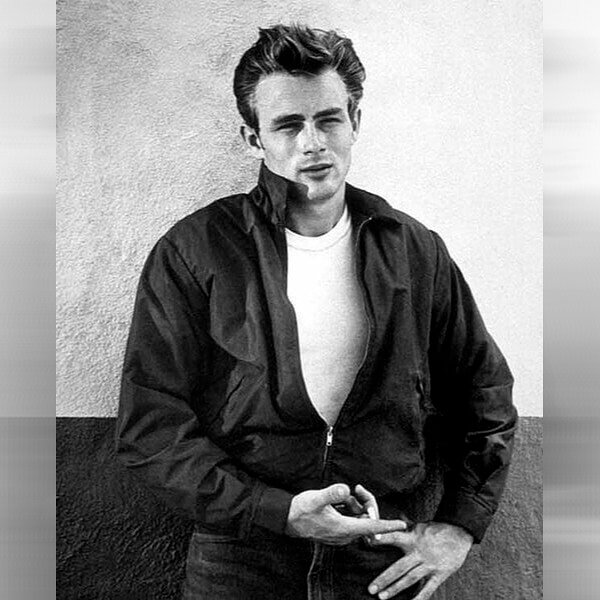
James replied, “No, I am not a homosexual. But I’m also not going to go through life with one hand tied behind my back,” which has sparked many to speculate that he may have been bisexual.
Greta Garbo
Not many are as familiar with the name Greta Garbo today, but she was a big deal when films were still played without sound. She never married and retired fairly early, leaving Hollywood and the cameras behind. She once played a lesbian on the screen, which was no doubt one of, if not the first, portrayal of a gay woman in cinema, but it wasn’t until the 1990s that historians began to look back on her life.
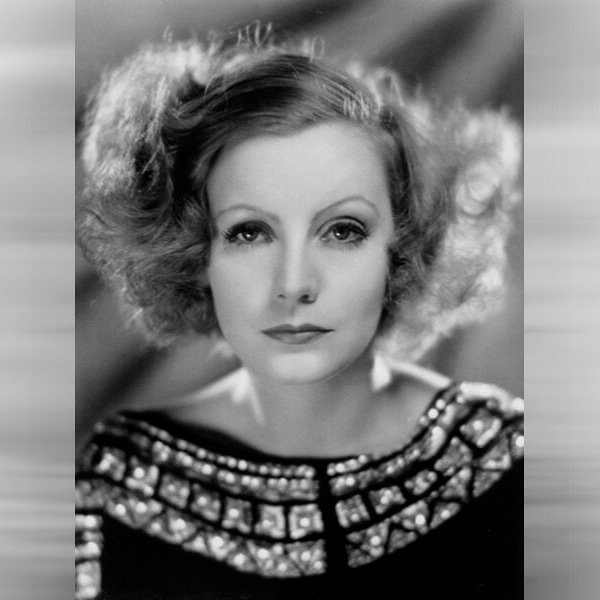
What they found, mostly through letters, was that she had actually had several relationships with women throughout her life. Her biographer described her as “technically bisexual, predominantly lesbian, and increasingly asexual as her life went on.”
Alan Turing
If you’re a fan of WWII history, then you’ve no doubt heard of Alan Turing. He helped break the Nazi codes, which many say led to the war being won two years ahead of schedule. This no doubt saved hundreds of thousands of lives if not many more. However, after the war, Alan’s homosexuality was found out and he was eventually arrested and forced to choose between hormone treatments and prison.
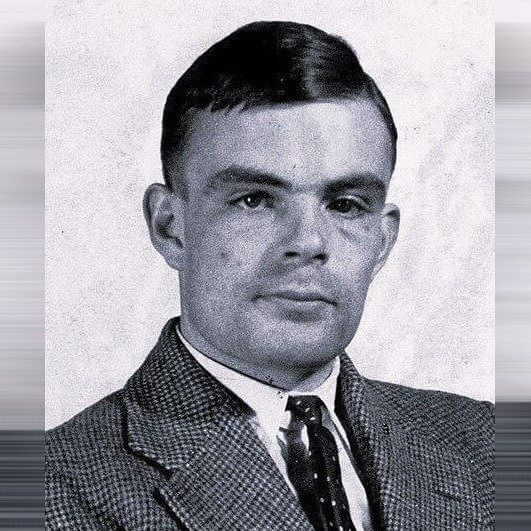
It’s thought that Alan ended up committing suicide two years after starting hormone treatments (although this has been questioned in recent years), and it wasn’t until 2013 that he was officially pardoned by Queen Elizabeth II. At the time of his death, his suicide was ruled due to him biting into an apple laced with cyanide, which is thought to be where the company, Apple, got the idea for their logo.
Leonardo Da Vinci
Like Shakespeare, Leonardo da Vinci was one of those historical figures who became incredibly famous but for which we know surprisingly little about their life in detail. What we do know is that most historians and biographers now think it was very likely that Leonardo was gay. He was accused of sodomy twice during his life, and some even think that the Mona Lisa is actually a combination of both male and female models.
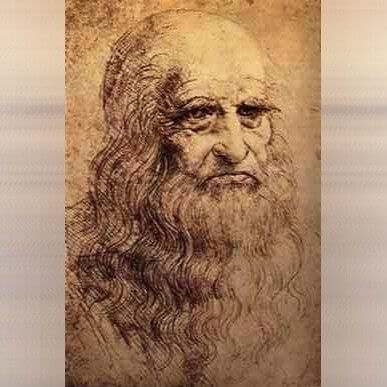
The Mona Lisa part is still somewhat disputed but Sigmund Freud gave his own analysis of Leanardo, coming to the conclusion that he was gay and may have remained celibate after the sodomy accusations.
James Buchanan
The U.S. has never officially had a gay president, but some think it may have unofficially had one in former President James Buchanan. The former president was the first and only not to be married, which has certainly contributed to the rumors. However, so did his relationship with the Alabama senator William Rufus King. The two were very close, but scholars still debate just how close. The actual evidence is scant.
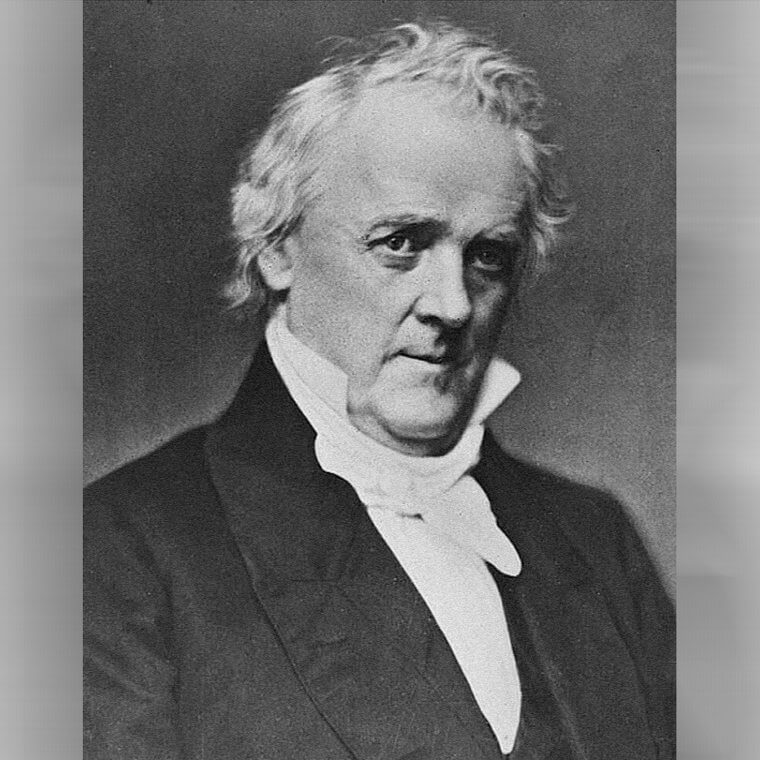
Most historians view them as having more of a male friendship that was both intimate and platonic and not entirely uncommon at the time, according to Smithsonian Magazine. However, what we do know for sure is that their relationship was certainly interesting and covered an important time in both American and world politics.
Walt Whitman
Poet Walt Whitman is one of America’s most celebrated wordsmiths. However, when he released Leaves of Grass and introduced America to a new form of poetry, not everyone was celebrating. Some of the scenes he wrote about in his book were critiqued for being homoerotic. The poet never came out and identified LGBTQ, but many suspect that it’s likely he was bisexual at the very least. Apart from allusions in his poetry, stories from contemporaries have been used as evidence of his sexuality.
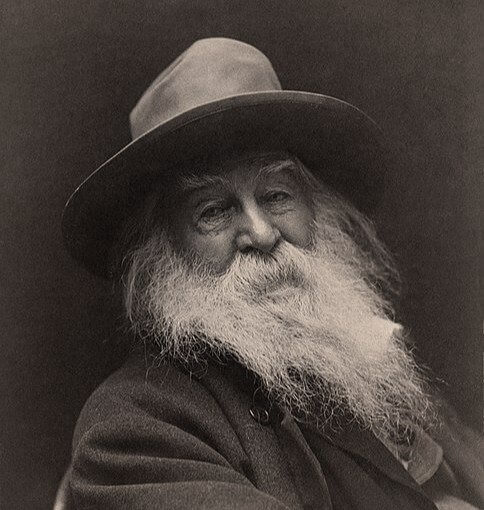
Maybe most famously, after British novelist and poet Oscar Wilde visited him, he said, “I have the kiss of Walt Whitman still on my lips.” We may never know for 100% certainty, but what we do know is that he very much used his poetry as a way to show the world that it is okay to be LGBTQ.
Hadrian
The early Greeks and Romans had very different cultural opinions about homosexuality than the modern world. It was much less frowned upon back then than it has been over the last 500 or so years. Hadrian, probably one of the most famous Roman emperors to ever live, was known to write homoerotic poetry about some of the men in his life, including one named Antinous. The two spent a lot of time together.
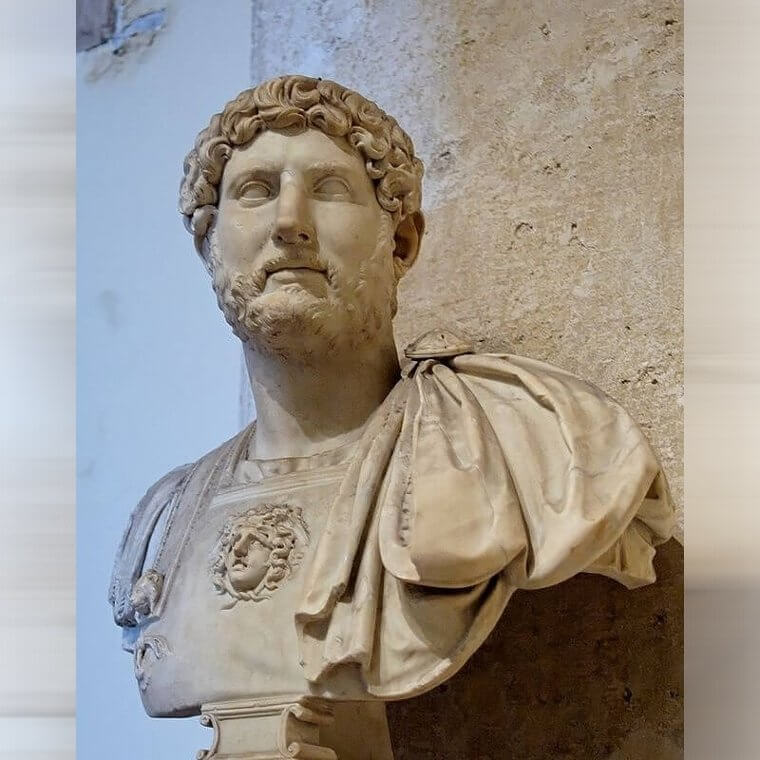
When Antinus died, Hadrian had him declared a god, and he was worshipped by the people. Not only that but, being bisexual in the ancient Roman and Greek worlds wasn’t considered all that uncommon.