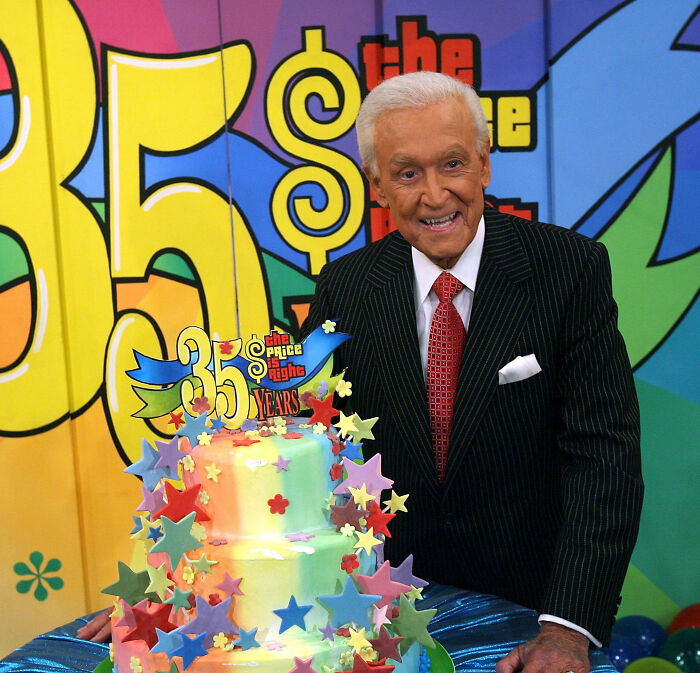
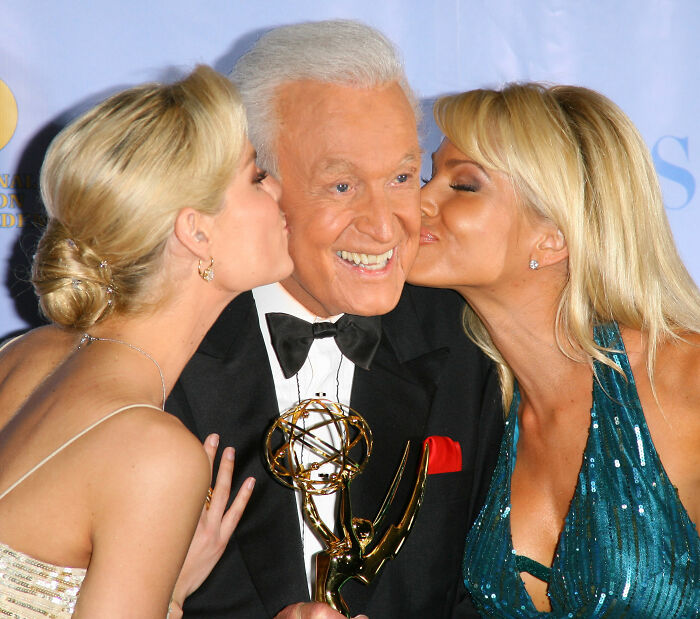
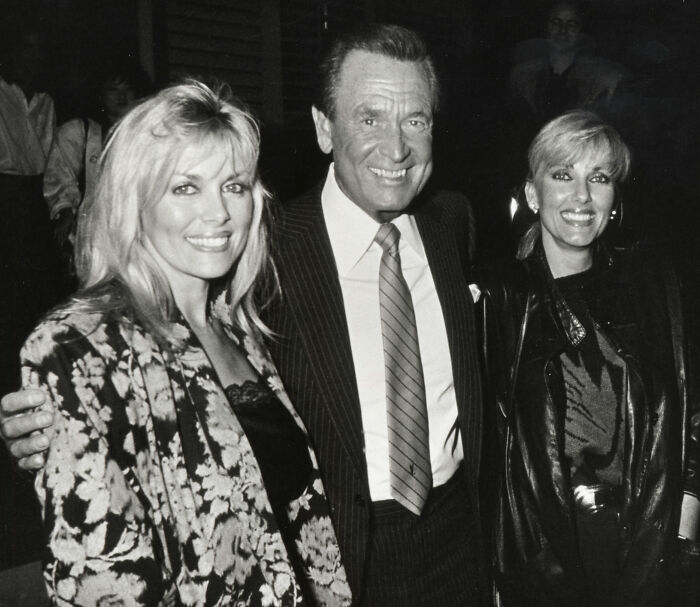
Bob Barker managed to charm millions of viewers on one of America’s favorite game shows The Price Is Right.
But behind the cameras, he controlled the employees with a “ruthless iron fist” and allowed racism, secret affairs, and workplace cruelty to run rampant.
“I hate that man,” said Holly Hallstrom, one of the models who worked on the show. He was a “shameless, self-promoting liar,” she added.
Bob Barker managed to charm millions of viewers on one of America’s favorite TV game shows The Price Is Right
Former members of The Price Is Right have shared how the long-running show was not just about spinning the wheel, guessing prices, and winning.
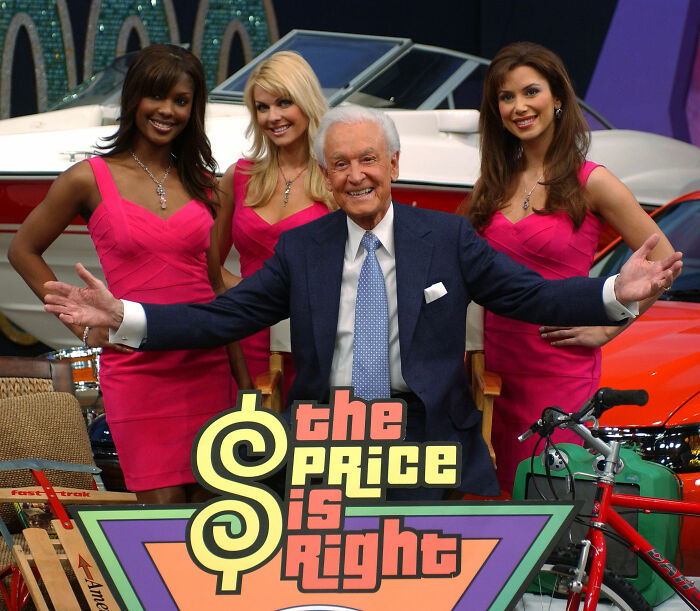
The show’s “Barker’s Beauties,” who were seen as glamorous on-screen assistants, said they faced harassment behind the scenes.
One of them hit a man in his privates with a golf club because of his inappropriate behavior.
After joining the show in 1990 as the “first permanent Black model,” Kathleen Bradley became part of the “Barker’s Beauties” group.
She said one male crew member was “too friendly” with the female models that he would “rub up” against them, she said in an episode of the E!’s docuseries, Dirty Rotten Scandals.
Despite reporting the man to the producers, Kathleen said no action was taken. “I was really taken aback. This was really s*xual harassment,” she said.
One male crew member was “too friendly” with the female models that he would “rub up” against them
Kathleen recalled one show-taping incident where she deliberately swung a golf club at a man’s privates.
“I accidentally hit him right in the groin. Accidentally on purpose that was,” she said. “We were so exhausted and tired of the treatment. You just had to do what you had to do.”
The show’s former producer Barbara Hunter said there were instances where she said, “Hey, stop that,” to predatory men.
“One time I was in the elevator, and one of the men just stuck their hands right on my b**bs,” she said in the series.
Barbara recalled pushing the man away and not saying a word, adding that it simply became “instinct to know how to handle it.”
In order to appease the women on set, CBS came up with a band-aid solution to a gaping wound: the 10-second rule.
Male crew members were not allowed to openly stare at the models for more than 10 seconds.
But “no one was monitoring how long the guys were staring at the models,” said Holly Hallstorm, another member who was part of “Barker’s Beauties” from 1977 to 1995.
Holly said women who went to Bob with their complaints were told by the host to “get over it or look for a new job.”
Bob’s affair with Dian Parkinson became so open that his girlfriend allegedly phoned up one of the models to talk about it
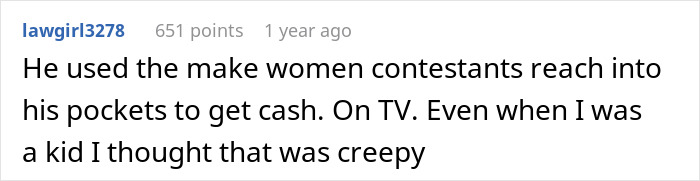
Also covered in the docuseries was Bob’s not-so-secret affair with model Dian Parkinson. Kathleen said Dian confided in her about their affair, and they knew Bob had a girlfriend at the time.

“As time went on, people were noticing…” Kathleen said, claiming that crew members and even viewers at home were noticing how “close [they] were hugging and looking at each other, playing around and all of that.”

She claimed Dian would spend her breaks in Bob’s room, and “that’s when some hanky panky was going on.”
Holly also mentioned how the affair didn’t stay private, and everyone knew Bob was cheating on his girlfriend.
She narrated a phone call she received from the girlfriend, who dropped her own bombshell about Bob’s alleged racism.
“[The girlfriend] said, ‘Oh my gosh, Bob has no idea that he’s had s*x with a woman who has had s*x with Black men. Bob has always said that Black men are the most diseased people on Earth,” she said.
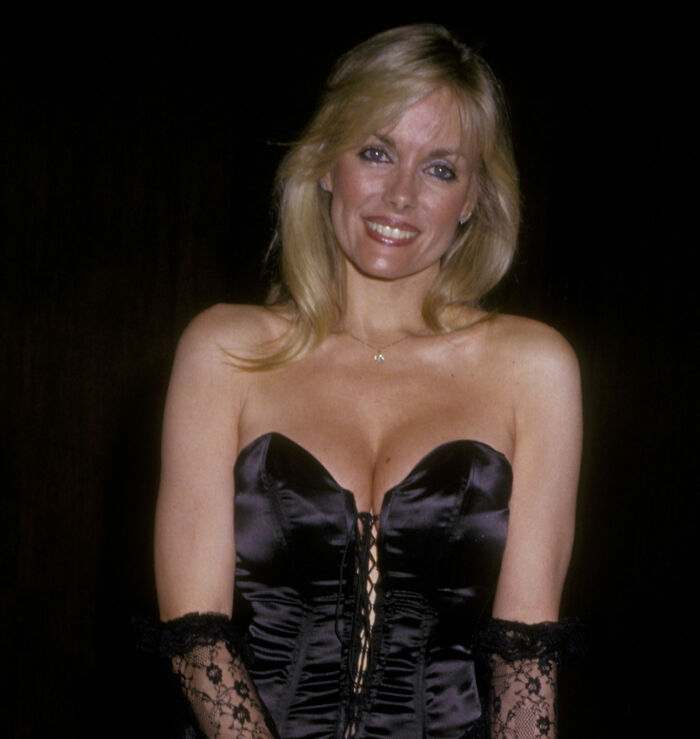
Other instances of racism were also prevalent, Kathleen said. She mentioned that fans would write negative things about her “being on the show as a Black model.”
“[It was] just not a good feeling… And one of the members of the production team brought to my attention that, inside a production meeting, when models weren’t in there, they would use the N word,” she said.
Black models on the show spoke about incidents of racism on the E! docuseries
Fellow model Claudia Jordan said she, too, experienced racism and spoke about an incident in the docuseries.
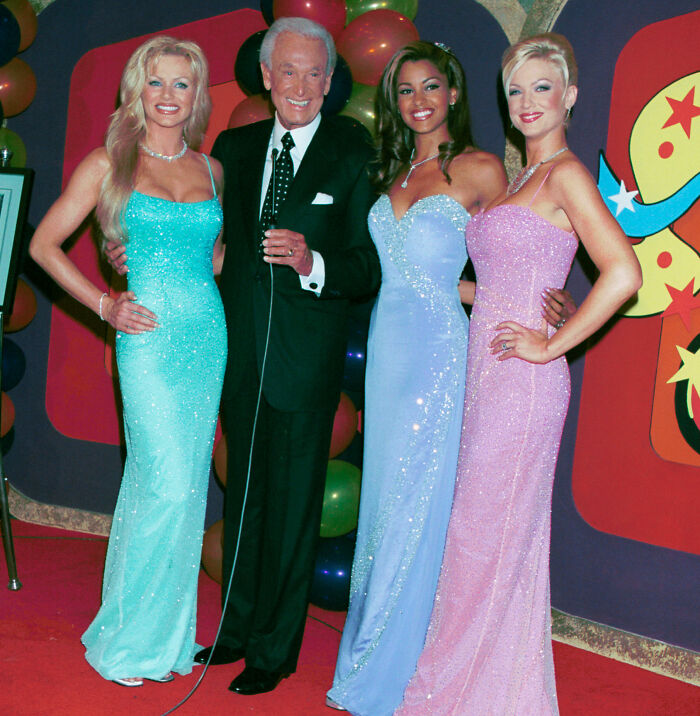
“Other comments that [producer Phil Wayne] would make carried on that old spirit of racism, [such as] ‘Let’s make a reverse Oreo, Claudia, you get in the middle of the two white models,’” she said.
“He would also “tell me I’m the a** model because stereotypically, Black women have a larger behind,” she continued. “And I guess that’s why he wanted to grab and feel it.”