Dust off those attic boxes and clear out the pantry! You might be surprised to learn that those “dated” kitchen gadgets and colorful dishes from your childhood are now fetching a fortune from eager vintage collectors and decorators.
The Pyrex Lucky In Love Casserole: A Rare Heart-Patterned Treasure: $5,000 to $22,000
This elusive 1959 promotional dish is widely considered the “holy grail” for glass collectors. Featuring a whimsical print of pink hearts and green four-leaf clovers, it reportedly had a very limited production run, possibly due to the patterns overlapping during the firing process. Because so few survived in pristine condition, a single dish can allegedly fetch upwards of $5,000 to $22,000 at specialized auctions.
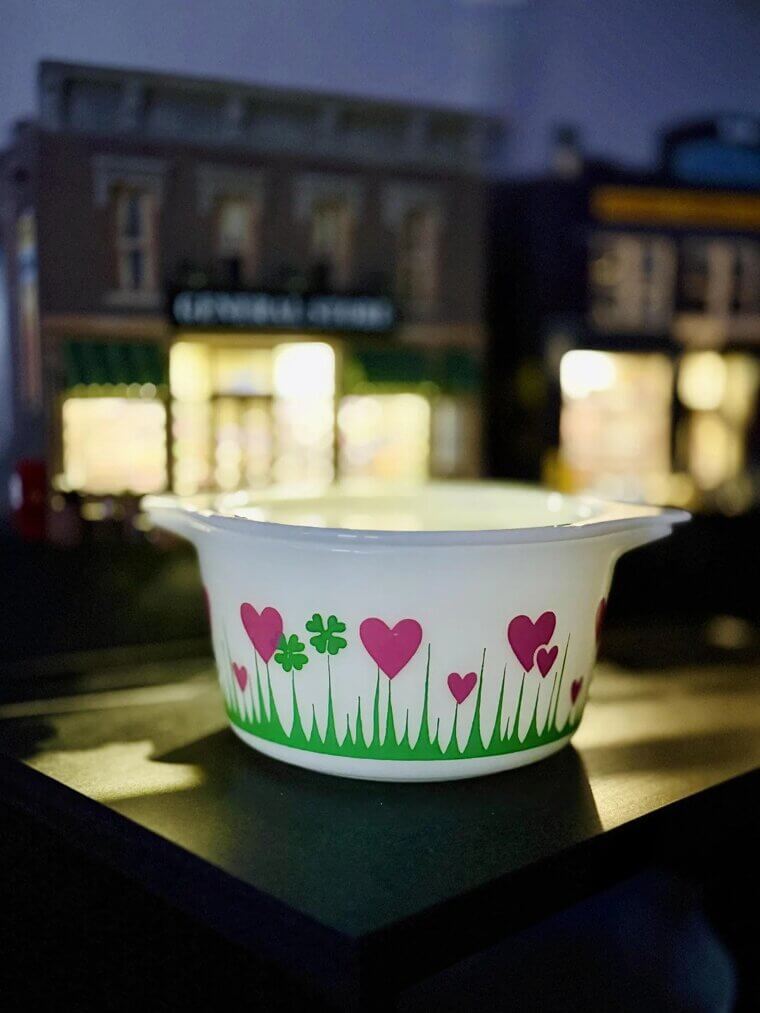
If you find one with the original lid and no “dishwasher blur,” you are holding a piece of mid-century history that is essentially a down payment on a new car.
The Pink Gooseberry Pyrex Set: A Romantic Kitchen Staple: $500 to $800
Introduced in 1957, the Pink Gooseberry pattern is a beloved favorite among women who appreciate the soft, feminine aesthetic of the late fifties. While individual bowls were common wedding gifts back in the day, finding a complete four-piece nesting set in excellent condition is now quite a challenge. Collectors are reportedly paying upwards of $500 to $800 for sets that retain their vibrant pink hue and glossy finish.
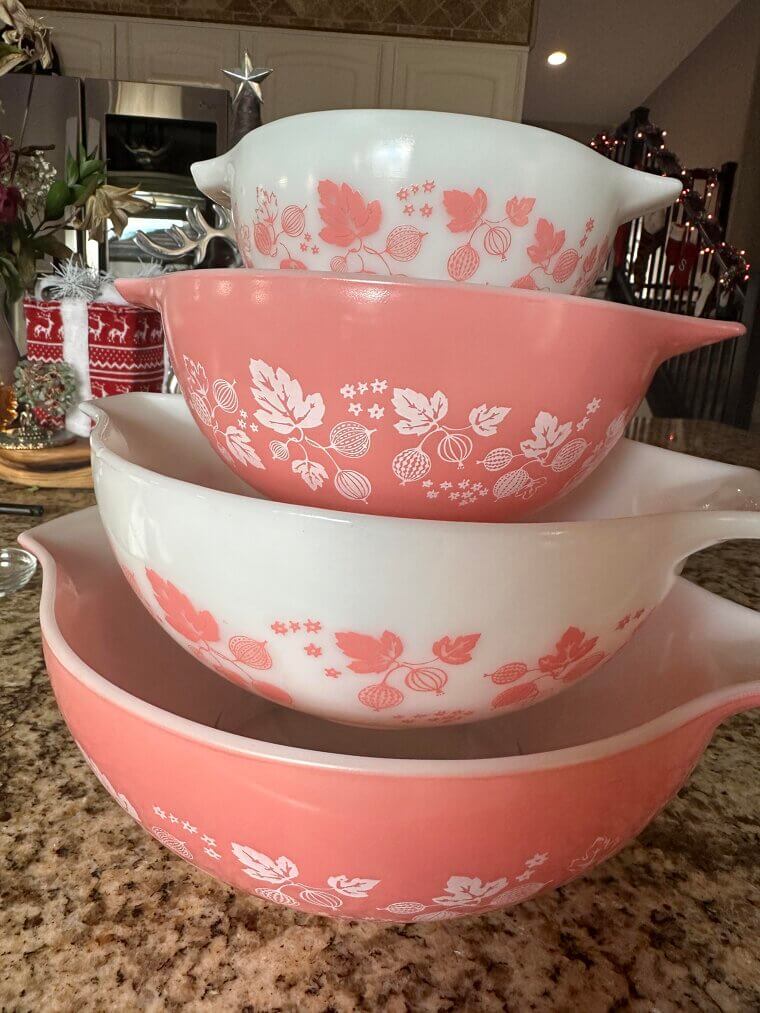
Because many of these were ruined by harsh modern detergents, “shiny” survivors have skyrocketed in value, representing the pinnacle of nostalgic, functional kitchen art.
The Turquoise Amish Butterprint Pyrex: A Farmhouse Classic: $400 and up
Often called “Amish” or “Farmer and Wife,” this turquoise-on-white pattern from 1957 captured the wholesome spirit of the era. While it was once an everyday item used for mixing Sunday cakes, it has transitioned into a high-value decor piece for modern “farmhouse” enthusiasts. A complete Cinderella nesting set with the signature pour-spout handles can easily command $400 or more. Rarity increases significantly if you own the orange or pink versions.
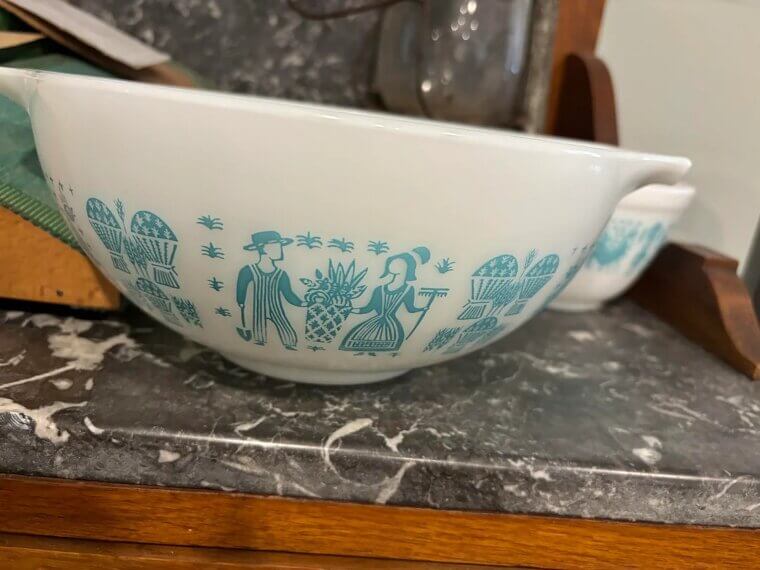
These were reportedly produced as limited-run test colors and can allegedly sell for thousands to those completing specialized collections.
The Cathrineholm Lotus Enamel Teapot: Scandinavian Simplicity: $500 to $1,000
Designed by Grete Prytz Kittelsen in the 1960s, these Norwegian enamel teapots with their iconic “lotus leaf” pattern are the ultimate status symbol for Mid-Century Modern enthusiasts. Originally affordable kitchenware, they are now prized for their bold colors and sleek minimalist shapes. A pristine teapot in a desirable color like orange, avocado green, or black can reportedly sell for $500 to $1,000. Collectors look for pieces with no chips in the enamel.
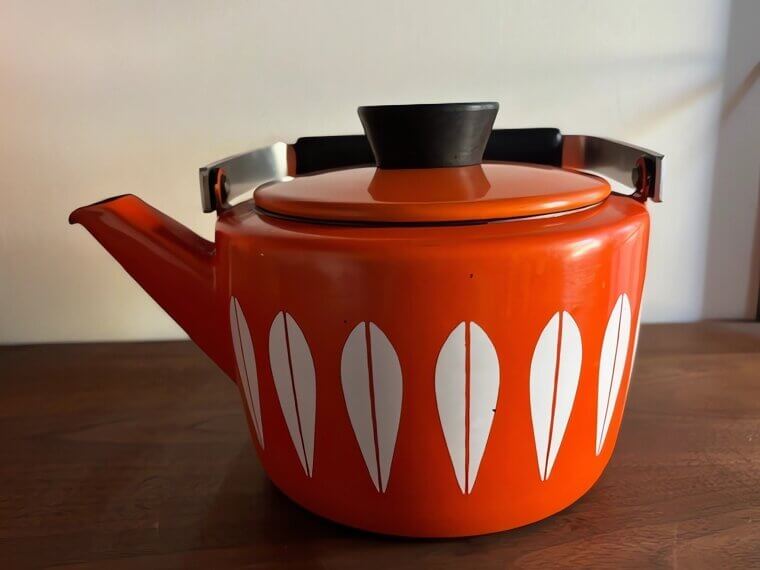
And they look for a clean interior, as these functional sculptures are often used as the centerpiece for retro-themed dining room displays.
The Fire-King Jadeite Restaurant Ware: Glowing Green Glass: Over $1,000
You might remember these heavy, milky-green dishes from local diners or your mother’s breakfast nook. Produced by Anchor Hocking, Jadeite was once the “cheap” alternative to china, but its unique color—achieved by adding uranium or scrap glass—has made it legendary. Specific pieces, like the “ball” jugs or heavy restaurant-grade mugs, are now high-value items. A rare Jadite floor lamp or a complete tilt-ball juice set can reportedly reach prices over $1,000.
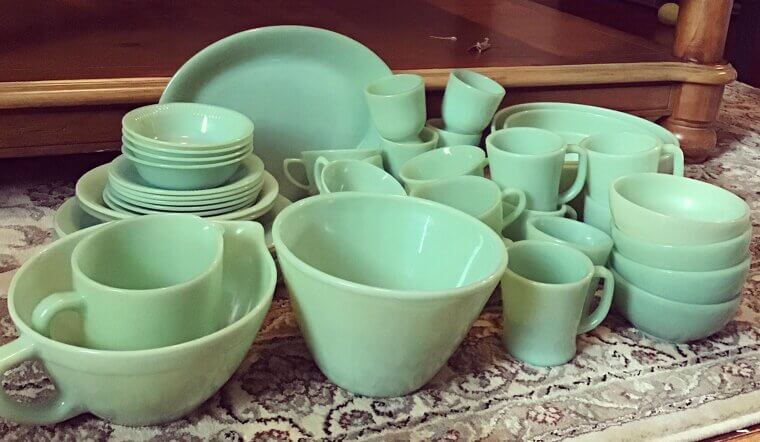
Its soft glow and sturdy feel evoke a sense of 1950s optimism that modern reproductions simply cannot replicate.
The Western Electric 500 Rotary Phone in “Petal Pink”: $200 to $500
Before smartphones, the rotary phone was the heartbeat of the home, and no color was more coveted than “Petal Pink.” Released in the mid-50s to appeal to female homeowners, this specific shade is now a high-ticket item for retro decorators. While black models are common, an original pink Western Electric 500 in working condition can fetch $200 to $500. Collectors prize the heavy, high-quality plastic.
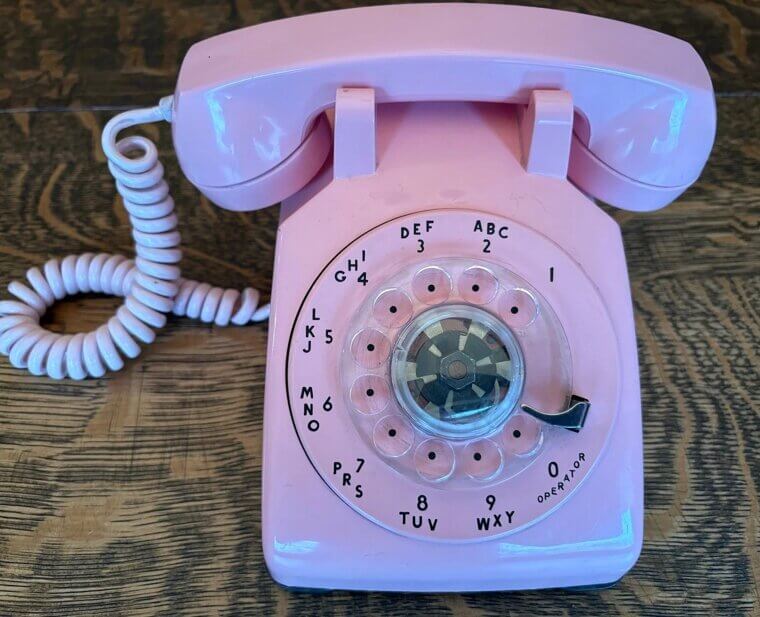
They also love the satisfying “ding” of the real metal bells inside. It’s a functional piece of art that reminds us of a time when a phone call was an event.
The Tupperware Wonderlier Nesting Bowl Set in Pastels: $100 to $250
Tupperware parties were the social backbone of the 1960s, and the Wonderlier bowls were the star of the show. These sheer, flexible bowls with their patented airtight “burp” seals revolutionized food storage. While millions were sold, finding a vintage set in the original 1960s pastel palette—pink, baby blue, and mint green—without stains or melt marks is rare. A pristine, complete nesting set can reportedly sell for $100 to $250.
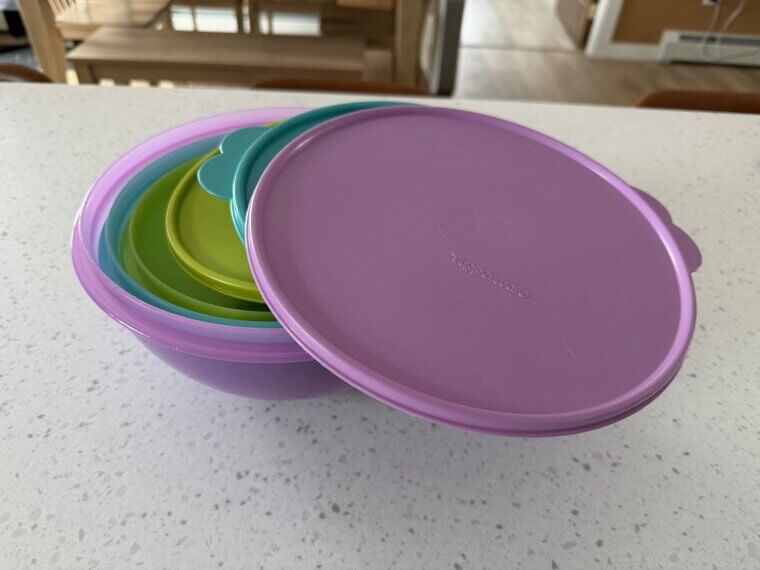
They represent the dawn of the “plastic age” and remain a nostalgic touchstone for women who remember those lively neighborhood gatherings.
The Federal Glass “Atomic” Amoeba Tumblers: $300 to $600
Nothing says 1950s style quite like the “Atomic” aesthetic, featuring boomerangs, starbursts, and amoeba shapes. Federal Glass produced sets of gold-rimmed tumblers featuring these space-age motifs that are now highly sought after by “cocktail culture” enthusiasts. A set of eight tall “highball” glasses in their original brass caddy can reportedly sell for $300 to $600. These glasses were the centerpiece of the suburban bar cart.
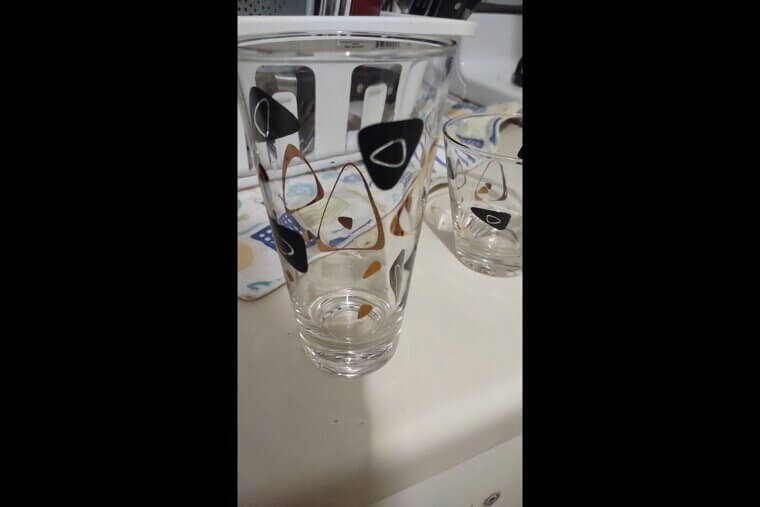
Their survival is remarkable given how fragile the gold leafing is. They are a sparkling reminder of the era’s fascination with the future and the cosmos.
The Eames Molded Fiberglass Side Chair: $600 to $1,500
In the 1950s, Herman Miller began producing these revolutionary chairs designed by Charles and Ray Eames. While they were intended to be affordable, mass-produced seating for the average family, “original” fiberglass shells from the 50s and 60s are now major investments. You can identify them by the visible glass fibers in the material and the “Herman Miller” logo embossed on the bottom. And rare colors are even more valuable.
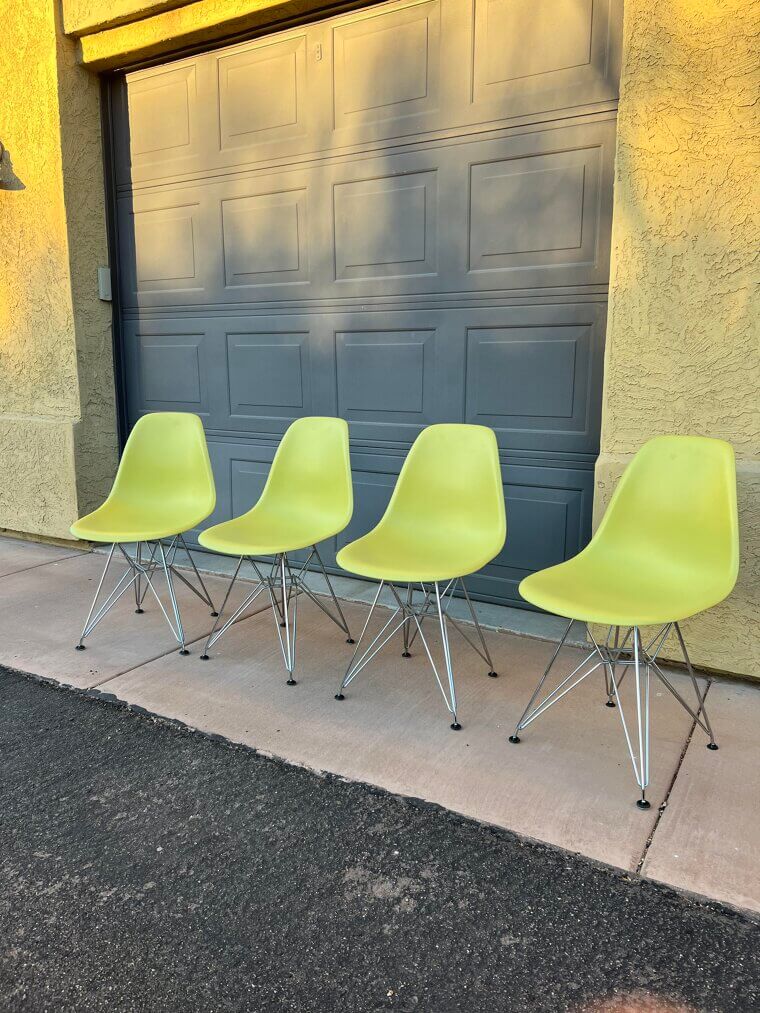
An early chair in a rare color like “Seafoam Green” or “Lemon Yellow” can fetch $600 to $1,500. They are prized for their perfect balance of comfort, durability, and high-concept design.
The Starburst Atomic Wall Clock by Howard Miller: $1,000 to $2,500
Designed by George Nelson in the 1950s, the “Starburst” or “Spikes” clock is the quintessential mid-century wall accessory. These clocks, featuring wooden rays radiating from a brass center, were once found in stylish living rooms across America. Today, an original 1950s or 60s model in working condition is a centerpiece for any MCM collection, often selling for $1,000 to $2,500. Because so many modern “knock-offs” exist, authentic vintage pieces reach high value.
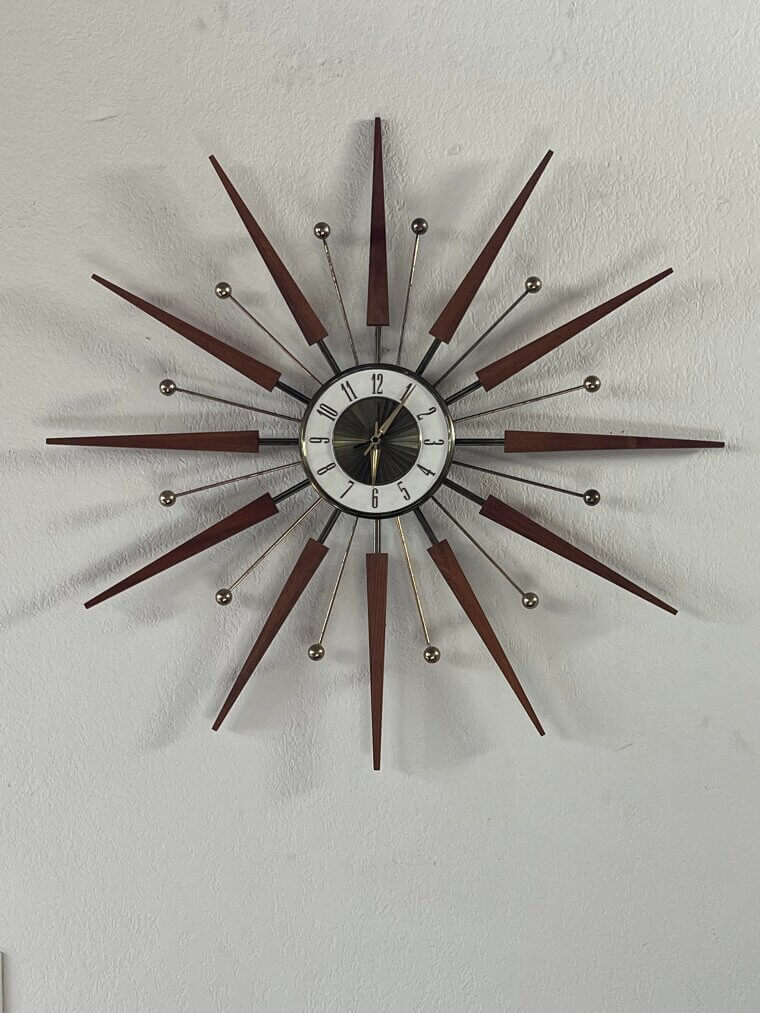
Those with the original movement and aging on the wood are incredibly valuable. They represent a time when even telling time was a stylish endeavor.
The General Electric “Telechron” Refrigerator Clock: $150 to $300
In the 1950s, many families owned a small, boxy GE Telechron clock that sat atop the refrigerator. These were often finished in chrome or “Appliance White” to match the kitchen. While they seemed mundane then, their streamlined, industrial design has made them a hit with collectors of “Americana.” A working model with its original cord and a clean glass face can fetch $150 to $300.
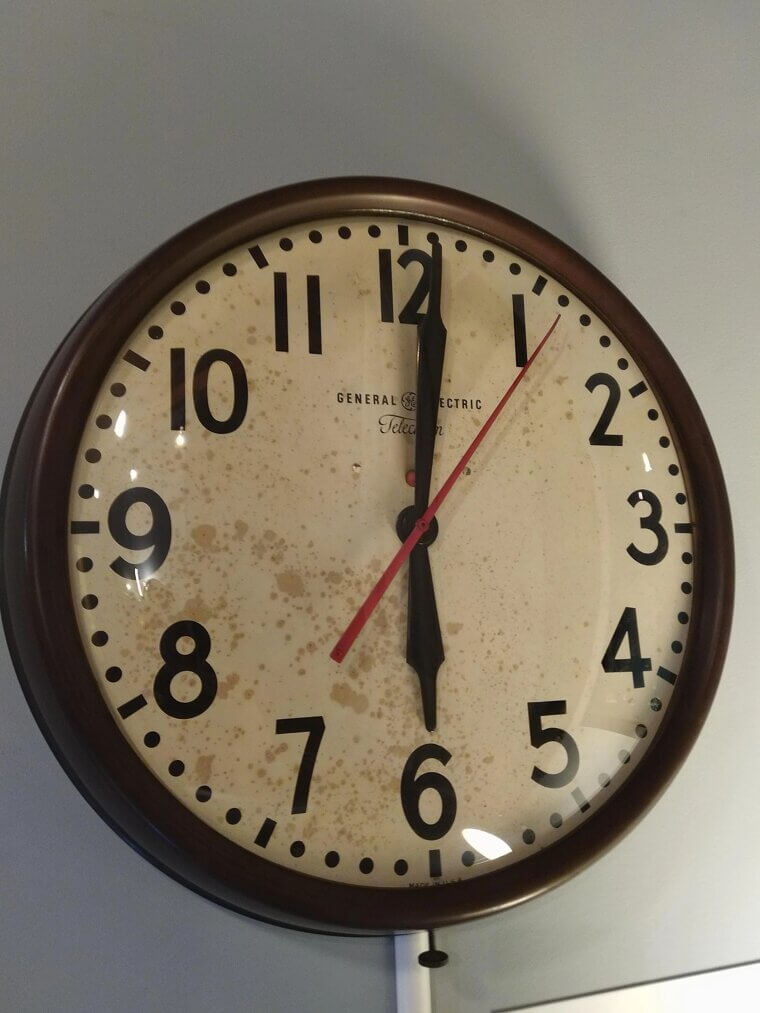
They are a charming reminder of the post-war obsession with efficiency and the “Modern Kitchen,” serving as a perfect accent for a retro-themed remodel or a vintage shelf.
The Franciscan “Desert Rose” Dinnerware Set: $500 to $1,200
This hand-painted floral pattern is reportedly the best-selling dinnerware in American history, but “early” pieces marked “Made in USA” are where the true value lies. Introduced in 1941 and popular through the 60s, the raised rose pattern evokes a romantic, cottage feel. While pieces are still made today, the vintage versions have deeper colors and unique glaze marks. A large service for twelve from the 1950s, including serving platters and a teapot, are extra valuable.
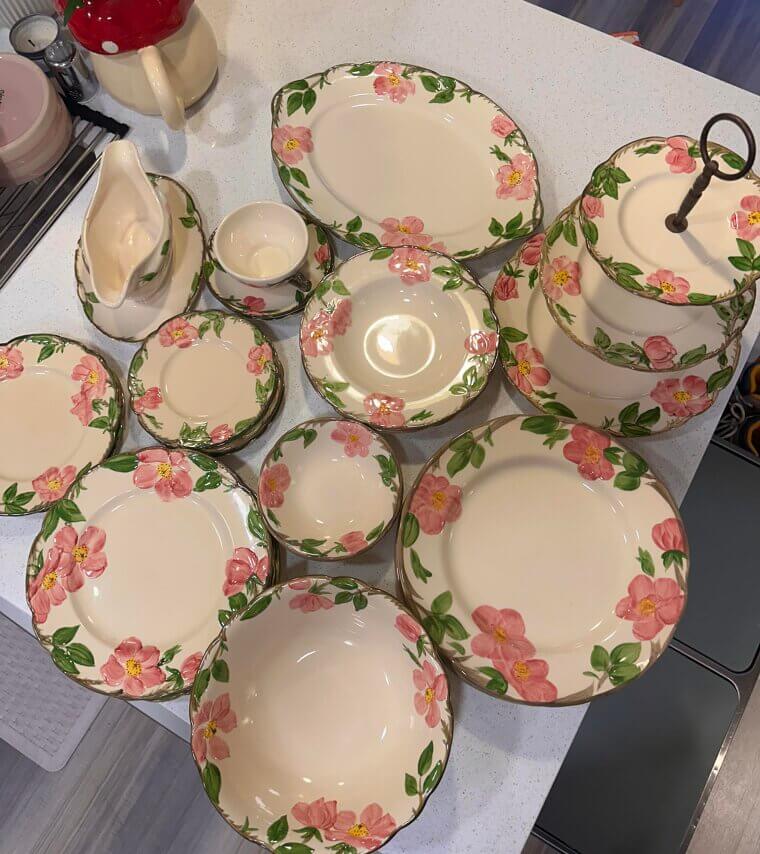
Those can sell for $500 to $1,200. It’s a favorite for women who want to recreate the elegant Sunday dinners of their youth.
The Sunbeam T-20 Radiant Control Toaster: $200 to $400
Often called the “best toaster ever made,” the Sunbeam T-20 from the late 1940s and 50s is a marvel of engineering. It features a “radiant control” system that automatically lowers the bread and raises it when toasted to perfection—no levers required. Because of its heavy chrome construction and mid-century reliability, working models are now highly prized, often selling for $200 to $400. It is a testament to an era when appliances were built to last a lifetime.
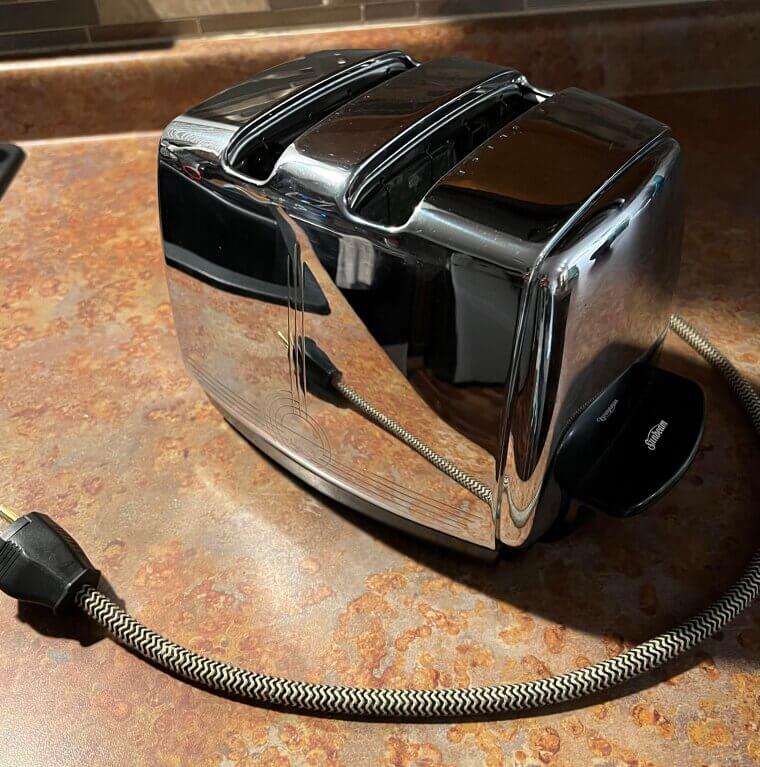
And it remains a functional, shiny centerpiece for a high-end vintage kitchen, making it a most-wanted item for collectors.
The Viking Glass “Epic” Swung Vase: $200 to $500
If you remember a tall, stretched glass vase sitting on your grandmother’s mantel, it was likely a “swung” vase from the 1960s. Viking Glass produced these by physically swinging the hot glass to create a unique, elongated neck. The most valuable colors today are “Persimmon” (a bright orange) and “Lime Green.” A vase reaching over 20 inches in height can reportedly sell for $200 to $500. These vibrant, sculptural pieces are highly-loved.
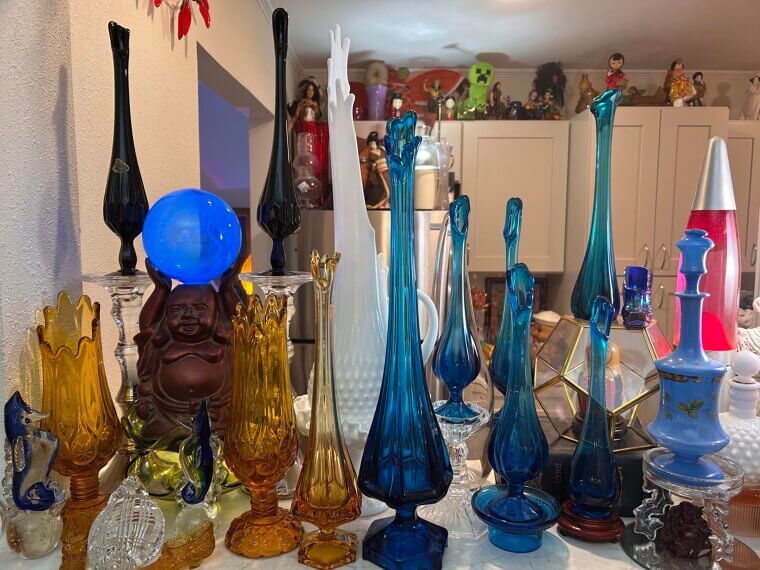
They are popular because they add a vertical “pop” of color to a room, embodying the bold, experimental spirit of 1960s home decor.
The Holt-Howard “Pixieware” Condiment Jars: $500 to $1,000
In the late 50s, Holt-Howard released a line of whimsical ceramic jars for olives, cherries, and onions, featuring “pixie” heads on the lids. These kitschy items were once considered “nickel-and-dime” novelties, but they have become high-value collectibles. A rare “Ketchup” or “Mayonnaise” pixie jar in perfect condition can fetch $500 to $1,000 at auction. Collectors love them for their playful expressions and colorful hand-painted details.
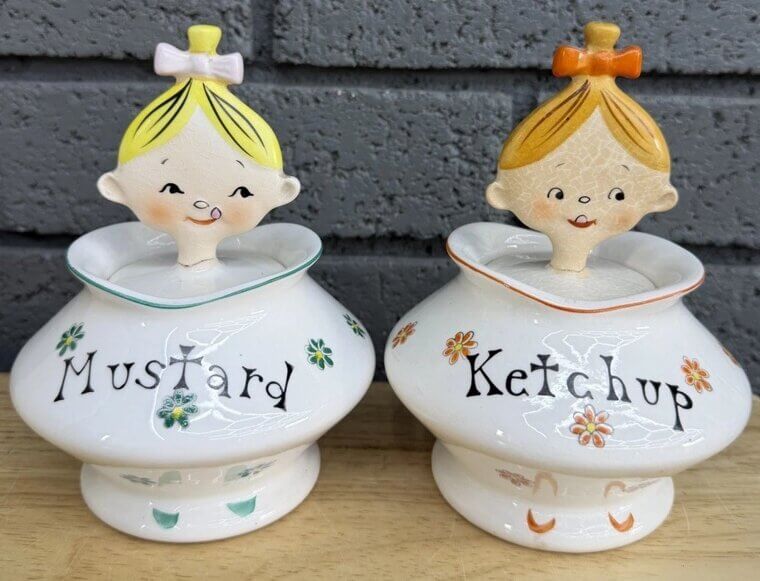
They represent the “cute” side of mid-century design and are a must-have for those who enjoy a bit of humor in their vintage kitchen display.
The Lady Head Vase by Napco or Rubens: $500 to $2,000
These elegant ceramic busts, designed to hold small floral arrangements, were a staple on dressing tables in the 1950s and 60s. They typically feature a woman with glamorous makeup, faux pearl necklaces, and elaborate hats. While common versions sell for $50, rare models—such as those depicting celebrities like Jackie Kennedy or those with “real” fabric veils—can fetch $500 to $2,000. They are a nostalgic favorite for women.
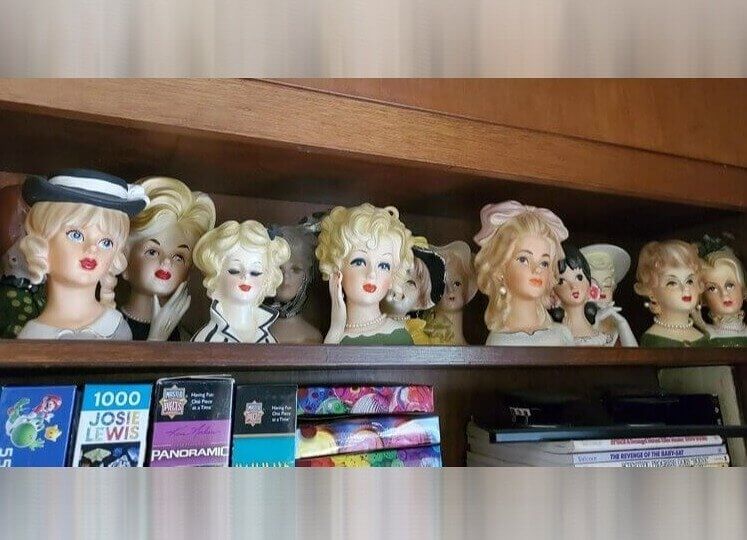
They capture the high-fashion glamour of the era. Collectors look for “no chips” on the delicate eyelashes and intact jewelry for maximum value.
The RCA Victor “New Vista” Portable Television: $300 to $700
In the 1960s, the “portable” TV was a luxury that allowed families to watch the news in the kitchen or bedroom. The RCA Victor models with their “space-age” swivel bases and chrome antennas are now iconic pieces of industrial design. Even if they no longer receive a signal, they are highly valued as decorative “statement” pieces, often selling for $300 to $700 depending on the color. A bright red or teal model is particularly desirable.
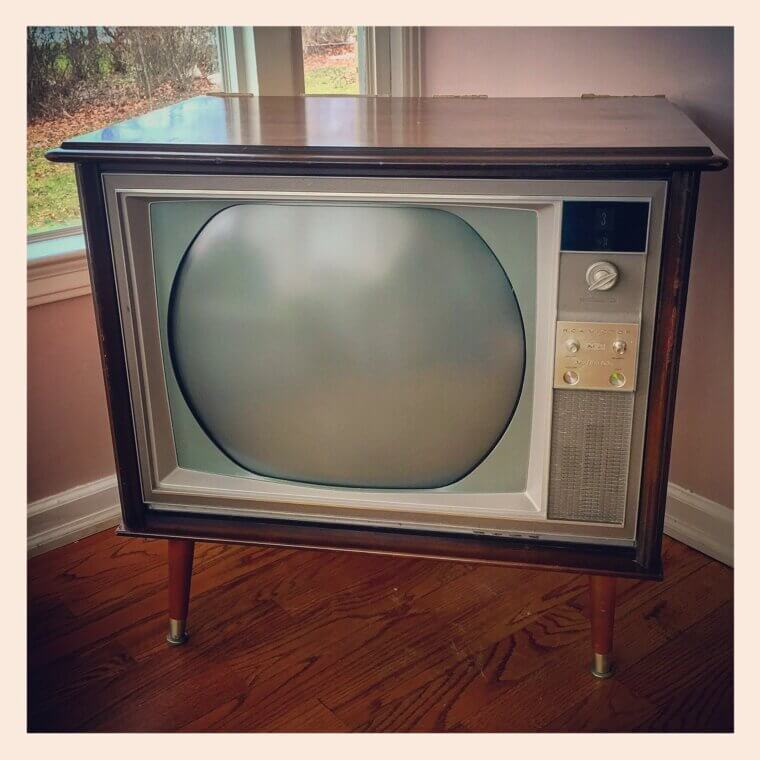
They serve as a retro-cool reminder of the early days of the television revolution and the excitement of “modern” technology.
The Aluminum “Christmas Tree” by Evergleam: $600 to $1,500
While we often think of traditional evergreens, the 1960s ushered in the era of the shiny aluminum Christmas tree. Often paired with a rotating color wheel that cast shifting lights onto the metallic needles, these trees were the height of “Mod” holiday fashion. An original 6-foot Evergleam tree in its original box can reportedly sell for $600 to $1,500 today. They are a nostalgic favorite for those who remember the space-age holidays of their childhood.
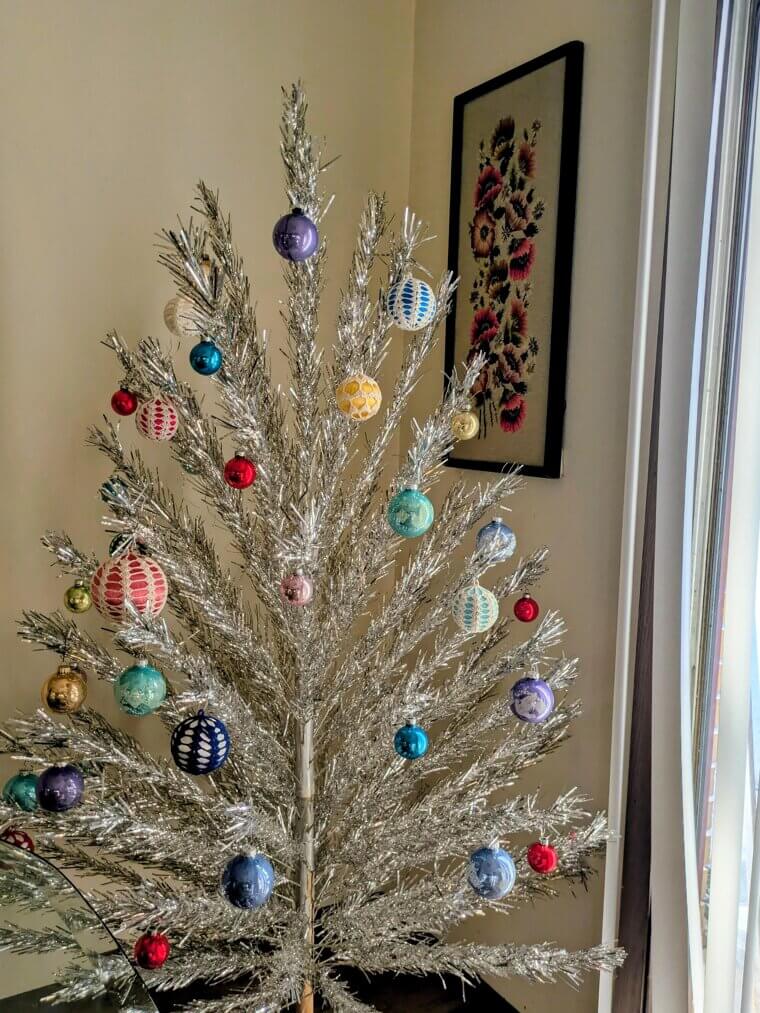
Collectors look for trees with “full” branches and no missing needles to ensure a high-value resale.
The “Boomerang” Formica Coffee Table: $400 to $900
Formica was the “miracle material” of the 1950s, used for everything from countertops to dinette sets. However, the “boomerang” or “kidney-shaped” coffee table is the ultimate collectible from this era. These tables, with their tapered “hairpin” or wooden legs, epitomize the curves of mid-century design. An original table in good condition, especially one featuring a “starburst” or “terrazzo” pattern, can fetch $400 to $900. So who exactly is searching for these coffee tables?
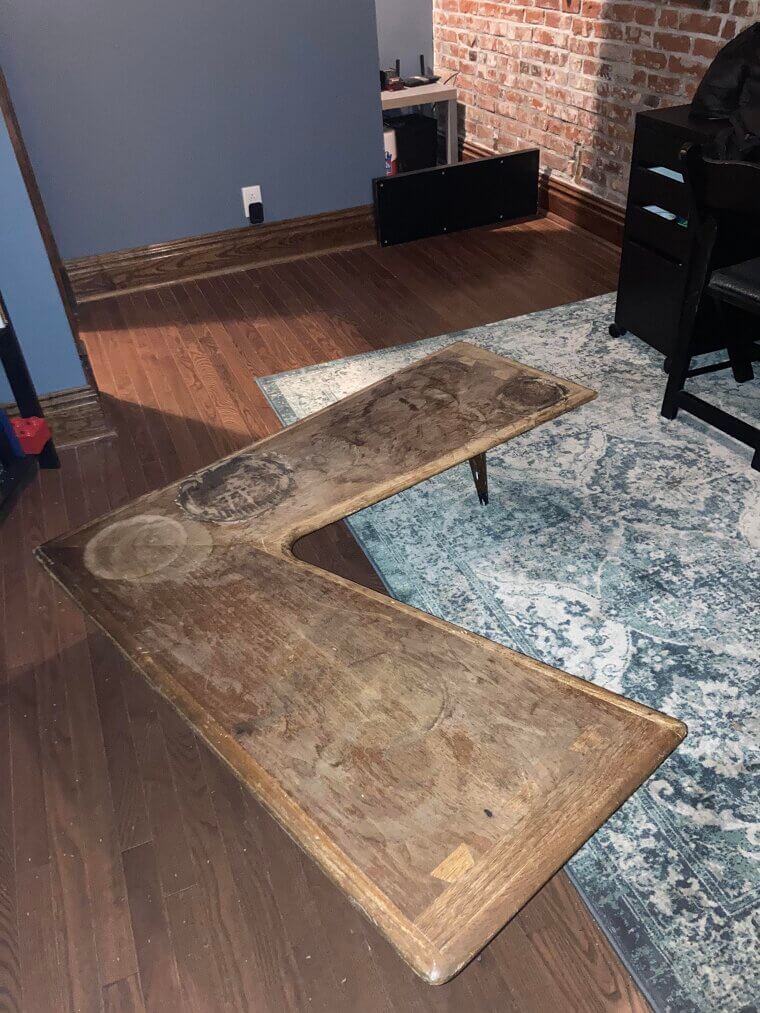
They are prized by those looking to create an authentic “Atomic” living room, offering a durable yet stylish surface that holds up better than modern veneer.
The Dansk “Kobenstyle” Enamel Casserole Dish: $150 to $300
Dansk revolutionized the American kitchen in the 50s by bringing “Danish Modern” design to the masses. The Kobenstyle line, with its unique cross-shaped handles that double as a trivet, is a masterpiece of functional art. While they were used for everything from stews to casseroles, vintage pieces in bright yellow or turquoise are now highly collectible. A large, pristine pot can reportedly sell for $150 to $300.
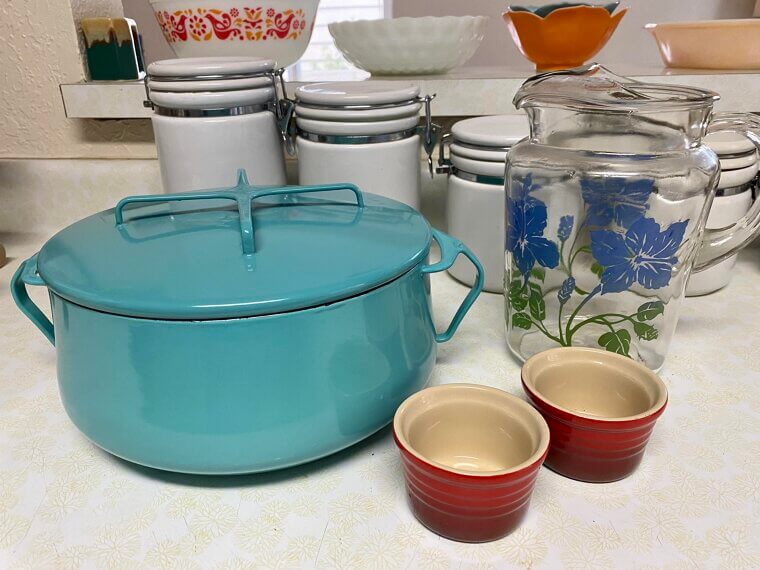
They are a favorite among “foodie” collectors who appreciate the heavy carbon steel construction and the timeless, minimalist look that still feels modern today.
The CorningWare “Blue Cornflower” Rare Versions: $500 to $10,000
Almost every home in the 60s had CorningWare, but did you know certain early pieces are worth a small fortune? While the “Blue Cornflower” pattern is common, specific “test” pieces or early un-marked items are allegedly fetching thousands on some platforms. Specifically, pieces with “P-series” numbers or those from the original 1958 launch are in high demand. Some internet rumors about $10,000 valuations are likely exaggerated.
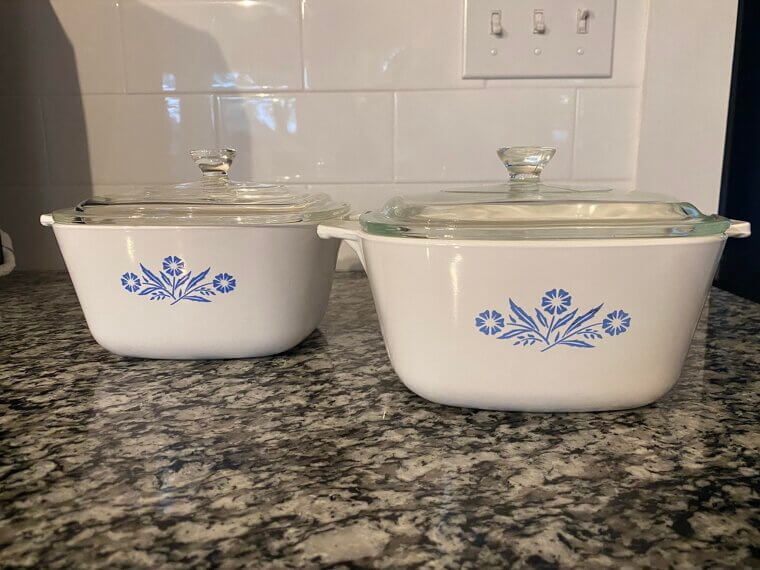
But a rare size or a “mint” piece with its original box can easily bring $200 to $500. They remain a beloved symbol of mid-century domestic reliability.
The Revere Ware Copper-Clad Saucepan Set: $200 to $400
Before high-end French cookware became the norm, Revere Ware was the gold standard in American kitchens. These stainless steel pots with copper bottoms were praised for their even heating. While they are still common at garage sales, a “double-circle” logo from the 1950s indicates a much higher quality of steel and copper. A complete, well-maintained set from the 50s can sell for $200 to $400.
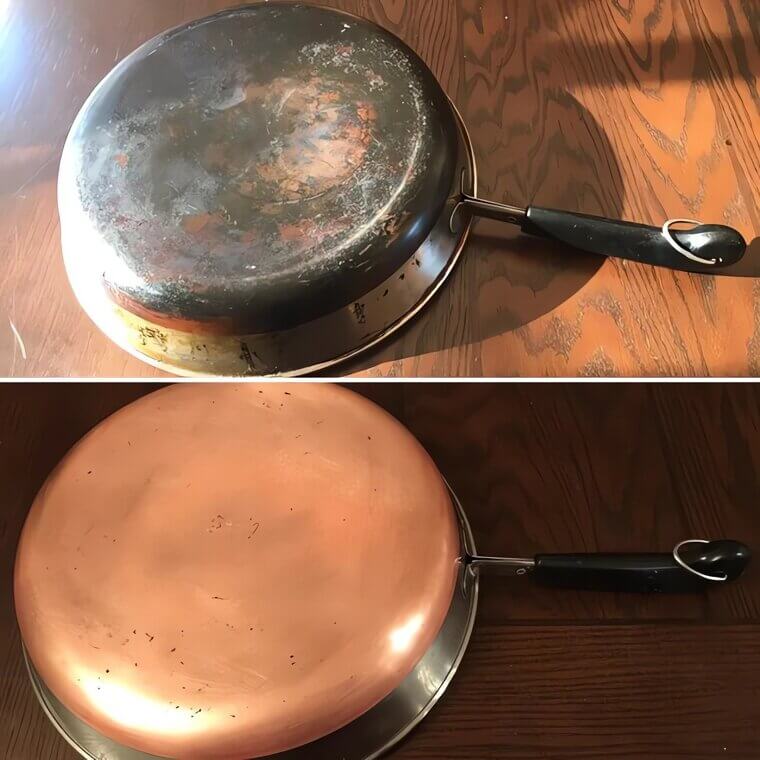
They are a favorite for women who still love to cook, as these “heirlooms” are often superior in performance to the lighter versions manufactured in later decades.