From the neon lights of the 80s to the black-and-white glamour of Old Hollywood, the movies have always taught us how to dream. These 35 iconic cinematic moments remind us that whether it’s a grand sacrifice or a quiet look, love is the greatest story ever told. Ready to grab the popcorn and revisit these classics? Read on and let the memories begin!
Casablanca (1942) – Rick’s Ultimate Sacrifice
In perhaps the most selfless act in cinematic history, Rick Blaine gives up his chance at happiness to ensure the safety of his true love, Ilsa Lund. By helping her and her husband board the plane to Lisbon, Rick chooses the greater good over his own heart. The gesture is punctuated by the legendary line about their time in Paris, suggesting that their shared history is enough to sustain him.
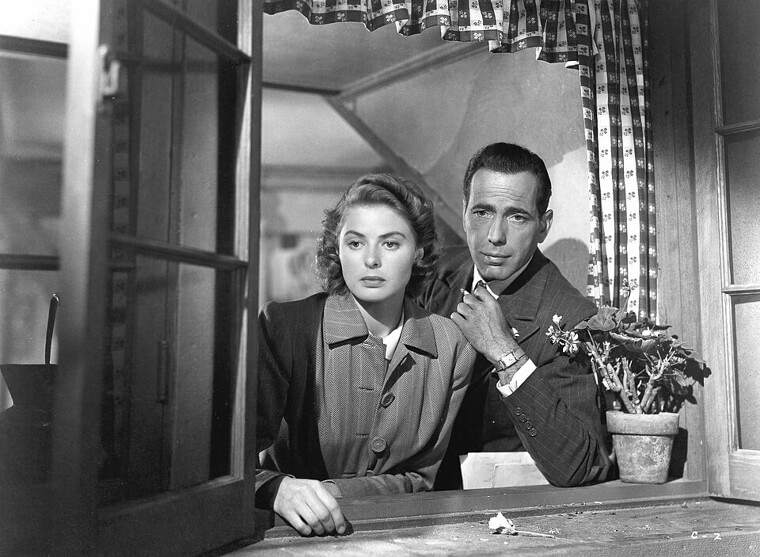
This moment set the bar for the “noble sacrifice” trope in film, proving that true love often means putting someone else’s needs and safety above your own desires.
An Affair to Remember (1957) – The Empire State Building Tryst
Nickie and Terry’s agreement to meet at the top of the Empire State Building six months after their initial meeting is the pinnacle of mid-century romantic optimism. Even though a tragic accident prevents Terry from arriving, the gesture remains a powerful symbol of their commitment to change their lives for one another. Fans of the film spent decades visiting the observation deck in hopes of finding their own cinematic moment.
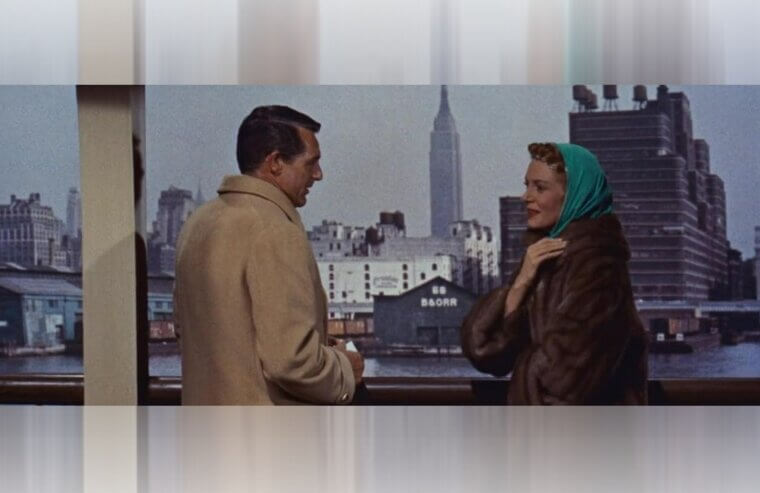
This gesture redefined the “star-crossed” romance, emphasizing that the intention to show up is sometimes just as powerful as the act of being there themselves.
The Sound of Music (1965) – The Ländler Dance
While many remember the songs, the silent, mounting tension during the Ländler dance between Maria and Captain von Trapp is a masterclass in romantic gestures. Without saying a word, the Captain uses the traditional folk dance to communicate his growing feelings, and Maria’s realization is visible in her eyes. It is a moment where tradition meets raw emotion. This scene captured the hearts of audiences.
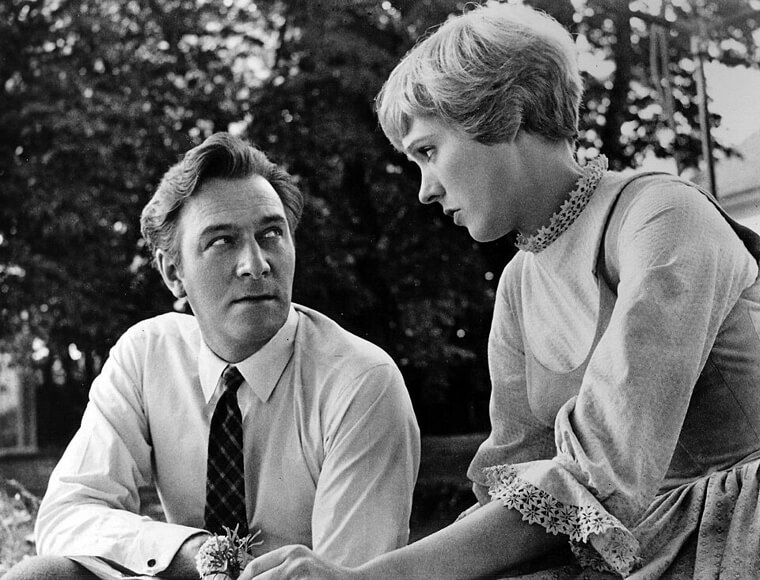
It showed that love can be declared through a simple touch or a shared rhythm, often speaking much louder than a scripted, verbal confession ever could.