The Super Bowl isn’t just the biggest night in football—it’s also a magnet for jaw-dropping drama, eyebrow-raising decisions, and moments that leave fans debating for years. From wardrobe malfunctions to game-changing calls, the history of this iconic event is packed with controversies that have kept water cooler conversations buzzing. Whether you’re here for the scandals, the questionable halftime shows, or the unforgettable plays, this list has it all. Buckle up, and let’s dive into the Super Bowl’s wildest moments!
Janet Jackson’s Wardrobe Malfunction (2004)
The 2004 Super Bowl halftime show took an unexpected turn when Janet Jackson and Justin Timberlake performed together. As their set concluded, Timberlake accidentally exposed Jackson’s chest due to a wardrobe mishap during a choreographed move. The moment, which lasted mere seconds, sparked widespread controversy and became one of the most talked-about incidents in Super Bowl history. It led to FCC fines, changes to broadcasting standards, and the rise of “wardrobe malfunction” as a cultural phrase.
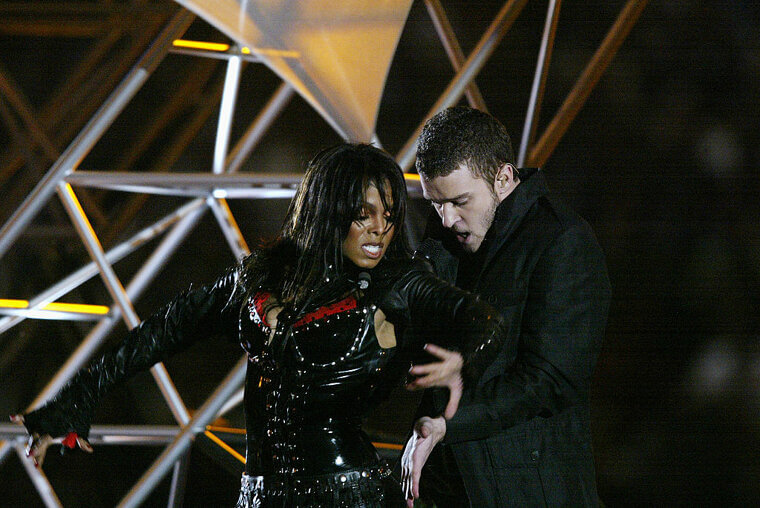
The event remains a pivotal example of how live television can produce unintentional yet lasting moments of public debate and media scrutiny.
Patriots’ “DeflateGate” Scandal Shadows Super Bowl XLIX (2015)
In the lead-up to Super Bowl XLIX, the New England Patriots faced intense scrutiny after being accused of deflating footballs during their AFC Championship win against the Colts. Dubbed “DeflateGate,” the controversy centered on whether the underinflated balls gave quarterback Tom Brady an unfair advantage. The NFL launched an investigation, ultimately suspending Brady for four games and fining the Patriots $1 million. Despite the scandal, the Patriots went on to win Super Bowl XLIX in a thrilling game against the Seahawks.
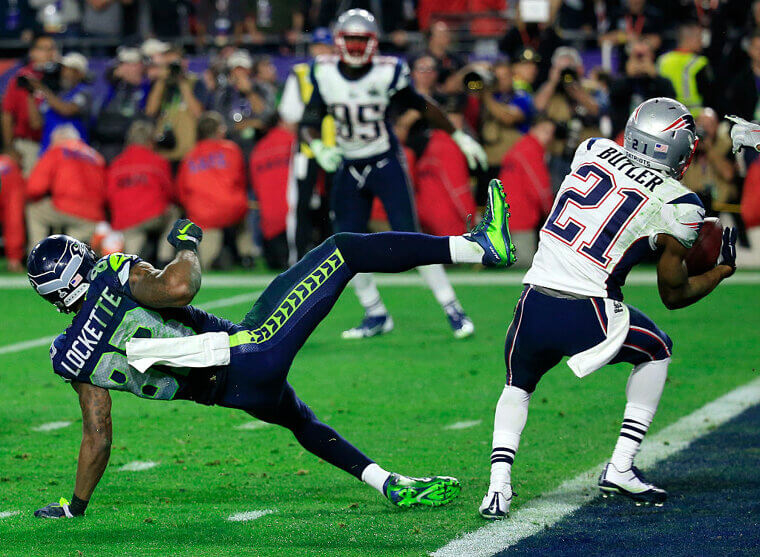
The incident remains a hot topic in NFL history, questioning sportsmanship and competitive integrity.
Eugene Robinson’s Arrest Before Super Bowl XXXIII (1999)
On the eve of Super Bowl XXXIII, Atlanta Falcons safety Eugene Robinson was arrested for solicitation, just hours after receiving the NFL’s Bart Starr Award for his character and leadership. The incident sent shockwaves through the team and the league, overshadowing the game. Robinson’s arrest added immense pressure, and his on-field performance suffered, including a critical missed tackle on a long touchdown pass.
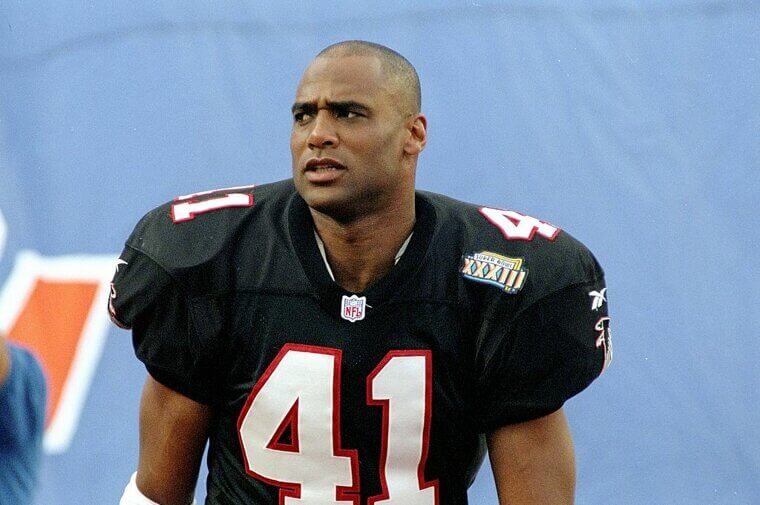
The Denver Broncos defeated the Falcons 34-19, but the scandal surrounding Robinson remains one of the most infamous off-field distractions in Super Bowl history, raising questions about focus, leadership, and the pressures of the spotlight.
Patriots’ Controversial Goal-Line Call in Super Bowl XLIX (2015)
Super Bowl XLIX’s dramatic conclusion featured one of the most debated play calls in NFL history. With the Seattle Seahawks trailing the New England Patriots 28-24 and just yards from the end zone, the Seahawks chose to pass rather than hand the ball to their star running back, Marshawn Lynch. The decision backfired as Patriots cornerback Malcolm Butler intercepted Russell Wilson’s pass, sealing the victory for New England. Fans and analysts questioned why the Seahawks didn’t run the ball, given Lynch’s dominance.
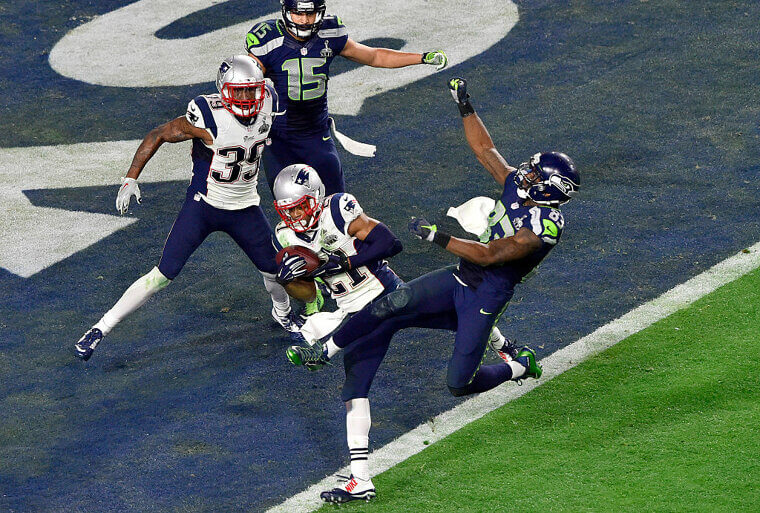
The play call overshadowed an otherwise thrilling game and remains a defining moment of NFL strategy controversy.
Max McGee’s Hungover Heroics (Super Bowl I, 1967)
The first-ever Super Bowl featured an unexpected standout performance from Green Bay Packers wide receiver Max McGee, despite his less-than-ideal preparation. McGee, assuming he wouldn’t play much, broke curfew the night before and reportedly arrived at the game hungover. When starting receiver Boyd Dowler was injured early, McGee was thrust into action and shocked everyone with a stellar performance, catching seven passes for 138 yards and two touchdowns.
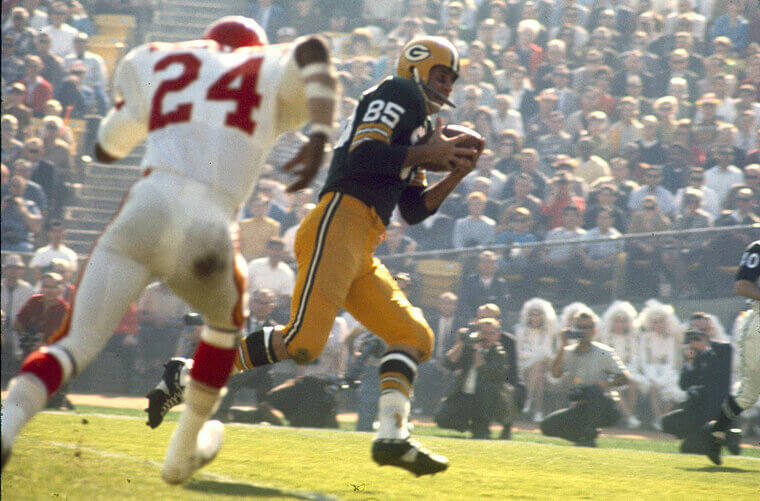
His heroics helped the Packers secure a 35-10 victory over the Kansas City Chiefs. McGee’s memorable day remains a legendary tale of unexpected greatness and one of Super Bowl folklore’s quirkiest stories.
The Patriots’ Spygate Shadow Over Super Bowl XLII (2008)
In the months leading up to Super Bowl XLII, the New England Patriots were embroiled in the “Spygate” scandal, in which they were accused of illegally videotaping opposing teams’ defensive signals. The controversy cast a shadow over their historic 16-0 regular season and pursuit of perfection. While the Patriots denied wrongdoing, critics questioned the legitimacy of their dominance. The Super Bowl only amplified the drama, as the underdog New York Giants stunned the Patriots 17-14, ending their perfect season.
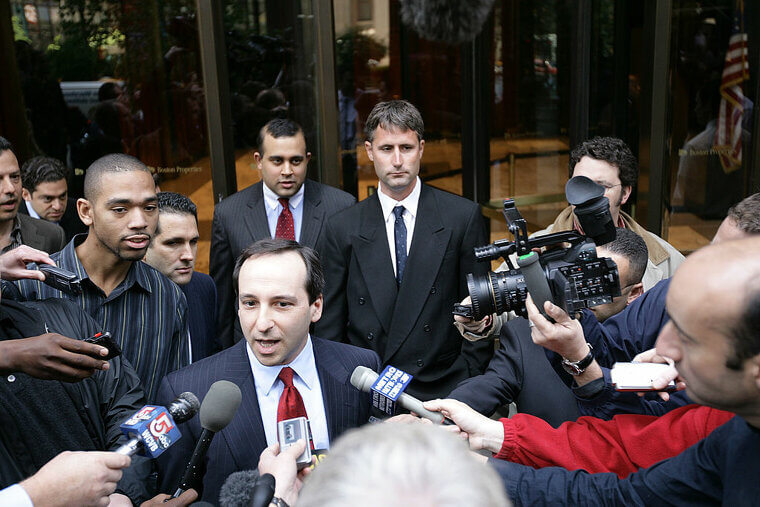
The Spygate scandal remains a point of contention in NFL history, fueling debates about ethics and competitive fairness in the sport.
Jackie Smith’s Dropped Touchdown in Super Bowl XIII (1979)
Jackie Smith’s dropped touchdown pass in Super Bowl XIII became one of the most heartbreaking moments in NFL history. The Dallas Cowboys were trailing the Pittsburgh Steelers 21-14 when quarterback Roger Staubach found a wide-open Smith in the end zone. In a moment of agony for Cowboys fans, Smith dropped the perfectly placed pass, forcing Dallas to settle for a field goal. The Steelers ultimately won 35-31, and Smith’s drop was endlessly scrutinized.
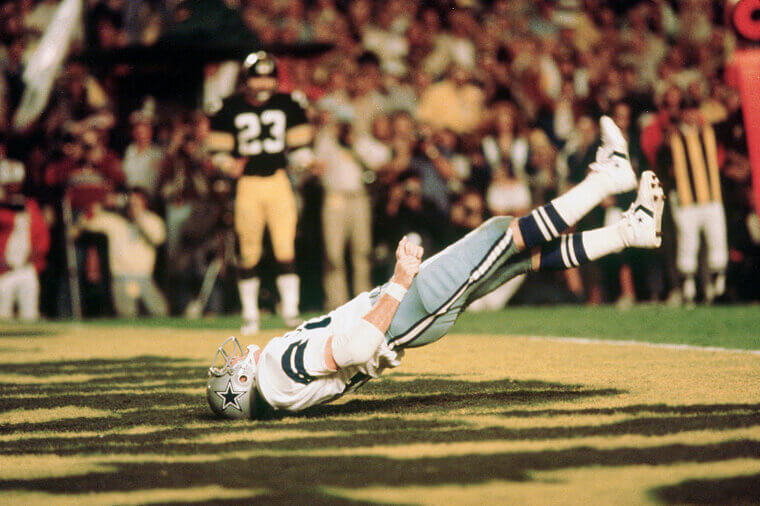
Though a Hall of Fame tight end, this singular play overshadowed his stellar career, serving as a reminder of how fleeting moments can define football’s biggest stage.
Atlanta’s Collapse After Leading 28-3 Against the Patriots Fueled Conspiracy Theories at the Super Bowl LI (2017)
Super Bowl LI became infamous for the Atlanta Falcons’ historic collapse against the New England Patriots. Leading 28-3 late in the third quarter, the Falcons seemed poised for their first Super Bowl victory. However, a series of questionable play calls, missed opportunities, and the Patriots’ relentless comeback tied the game, leading to an overtime victory for New England, 34-28. The dramatic turnaround sparked conspiracy theories, with some fans questioning whether officiating or league interests played a role.
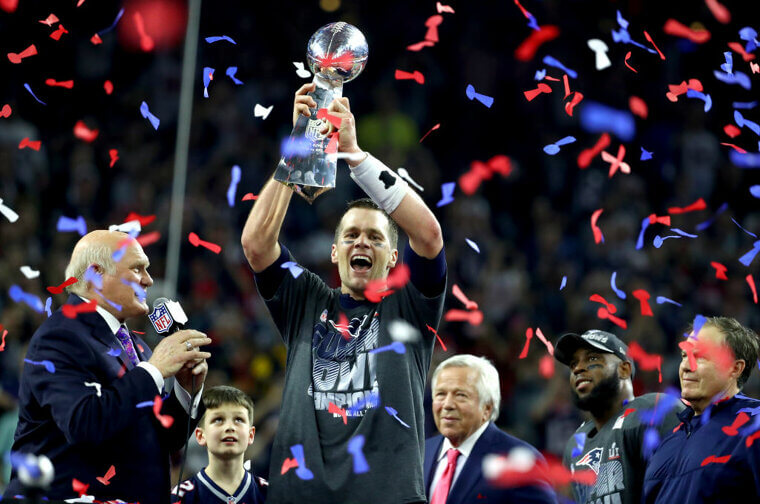
While no evidence supported such claims, the game remains a legendary cautionary tale about momentum, strategy, and the unpredictability of sports.
Michael Jackson’s Halftime “Takeover” Changed the Super Bowl Forever (1993)
Michael Jackson’s halftime performance at Super Bowl XXVII in 1993 revolutionized the concept of the Super Bowl halftime show. Prior to this, the halftime entertainment was often low-key, but Jackson’s larger-than-life spectacle set a new standard. Starting with a dramatic, minutes-long pause as he stood motionless on stage, the King of Pop captivated the audience before launching into iconic hits like “Billie Jean” and “Black or White.” The show’s focus on social themes, including “Heal the World,” and Jackson’s unmatched showmanship made it unforgettable.
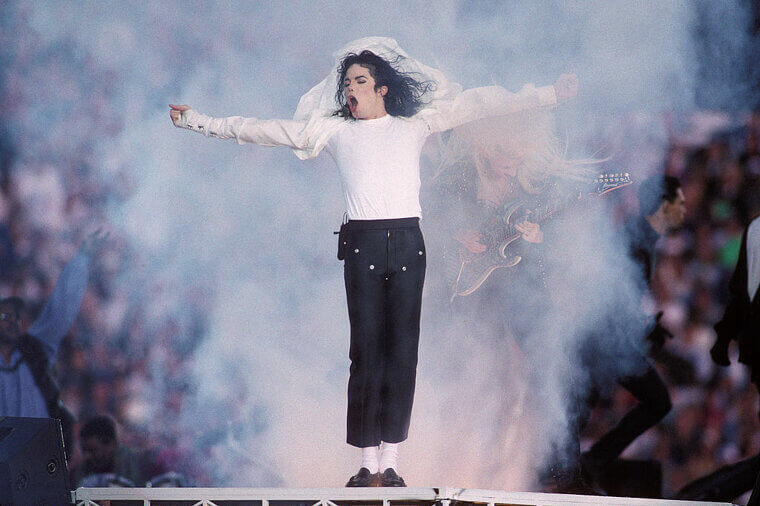
While celebrated, some critics debated its dramatic flair, marking the beginning of halftime’s evolution into pop culture juggernaut territory.
The Giants’ Helmet Catch in Super Bowl XLII (2008)
Super Bowl XLII featured one of the most miraculous plays in NFL history: the “Helmet Catch.” Trailing the undefeated New England Patriots 14-10 with just over a minute remaining, New York Giants quarterback Eli Manning escaped a near sack and launched a deep pass to David Tyree. Tyree, tightly covered, pinned the ball against his helmet while falling to the ground, securing a 32-yard gain. The improbable catch set up the game-winning touchdown, ending the Patriots’ perfect season in a stunning 17-14 upset.
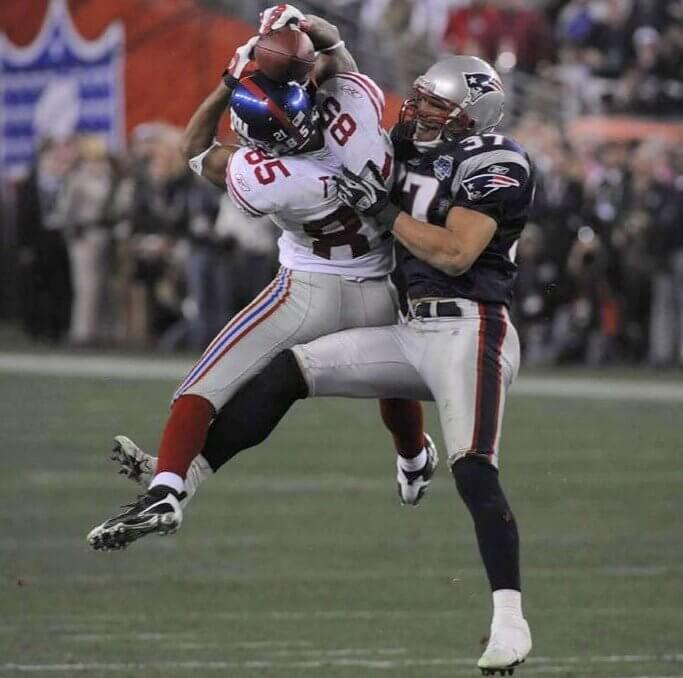
Tyree’s catch remains an iconic moment of perseverance and skill, cementing its place in Super Bowl history.
Colin Kaepernick’s Absence and the Anthem Protests at the Super Bowl LIV (2020)
Although Colin Kaepernick had not played in the NFL since 2016, his influence loomed over Super Bowl LIV. Kaepernick’s kneeling protest during the national anthem, aimed at raising awareness about racial injustice and police brutality, had sparked national debates that reverberated for years. By 2020, players and activists continued to address these issues, with some calling out the NFL for perceived hypocrisy in promoting social justice messages while Kaepernick remained unsigned.
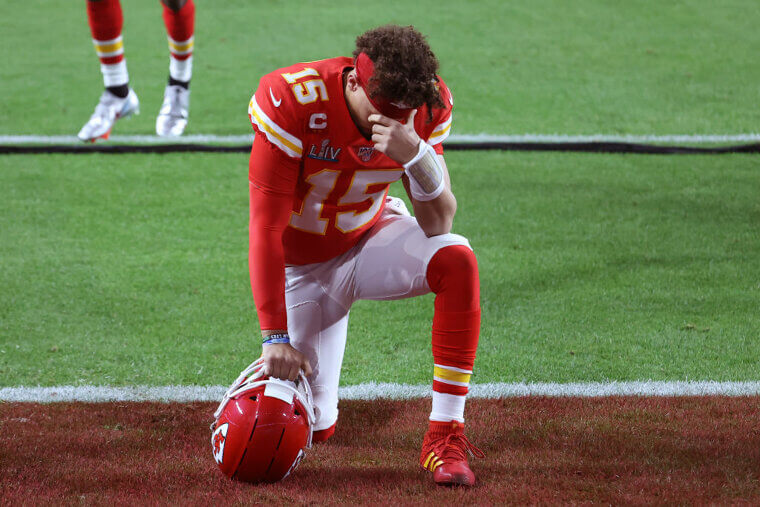
The league’s handling of Kaepernick’s protests and career remained a flashpoint of controversy, highlighting the intersection of sports, activism, and systemic change on football’s biggest stage.
Jerry Rice’s Sticky Gloves Allegation (Super Bowl XXIII, 1989)
Years after Super Bowl XXIII, an enduring controversy emerged when legendary wide receiver Jerry Rice admitted to using Stickum—a banned adhesive substance—on his gloves during his career. In that game, Rice delivered a stunning performance, recording 11 receptions for 215 yards and earning MVP honors as the San Francisco 49ers defeated the Cincinnati Bengals 20-16. While Rice claimed the practice was common at the time, critics argued it cast a shadow on his achievements.
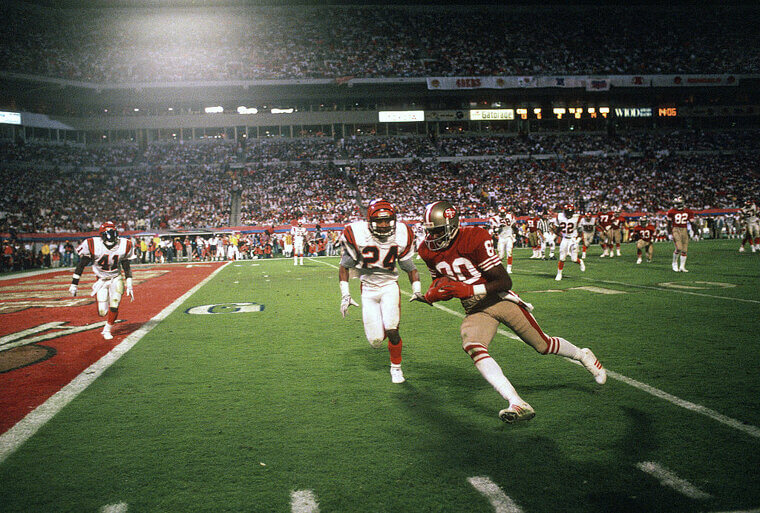
The revelation sparked debates about fairness and the NFL’s enforcement of rules, challenging the legacy of one of the greatest players in football history.
Gisele Bündchen Blames Patriots’ Loss on Receivers (2012)
After the New England Patriots’ heartbreaking loss to the New York Giants in Super Bowl XLVI, supermodel Gisele Bündchen, wife of quarterback Tom Brady, made headlines for her candid remarks. Frustrated by dropped passes during critical moments, Bündchen famously said, “My husband cannot [expletive] throw the ball and catch the ball at the same time,” while defending Brady to heckling fans. Her comments ignited a media frenzy, with some criticizing her for blaming the team and others sympathizing with her frustration.
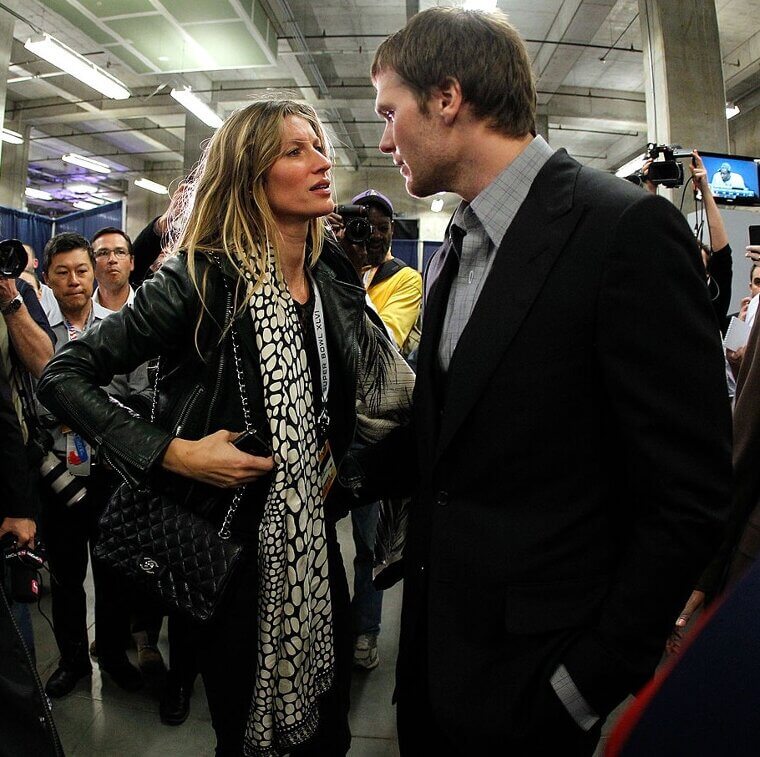
The incident added an off-field layer to the already dramatic game, further highlighting the intense scrutiny surrounding Super Bowl defeats.
Beyoncé’s Political Statement Halftime Show (2016)
Beyoncé’s halftime performance at Super Bowl 50 sparked widespread conversation for its bold political undertones. During her rendition of “Formation,” dancers donned costumes reminiscent of the Black Panther Party, and the performance highlighted themes of Black empowerment and activism. The imagery and message drew both praise and backlash, with some applauding its cultural significance while others criticized it as inappropriate for a sports event. The NFL faced scrutiny over the show’s content, but Beyoncé stood firm in her artistic expression.
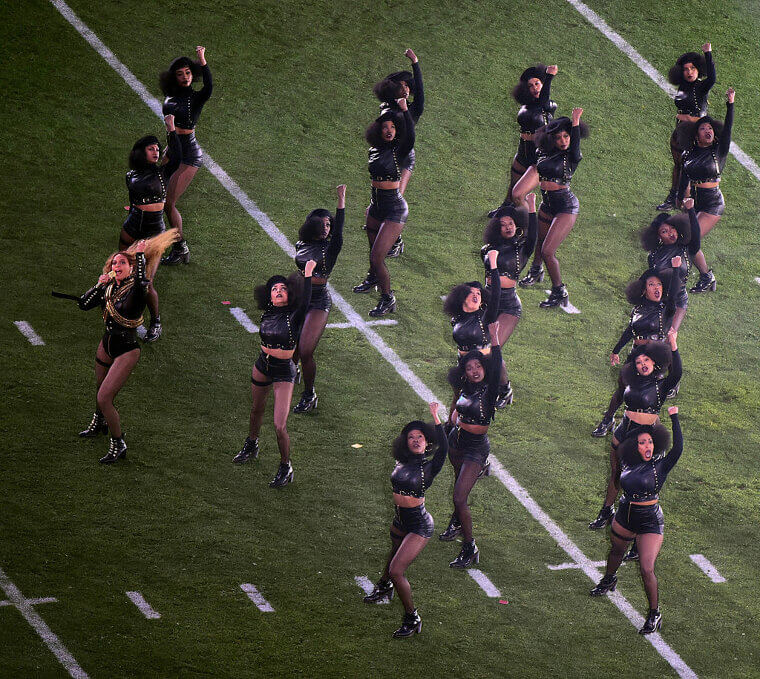
The performance remains a landmark moment, reflecting the power of the Super Bowl stage to amplify cultural and political messages.
Ben Roethlisberger’s Questionable Touchdown in Super Bowl XL (2006)
One of the most debated moments of Super Bowl XL occurred when Pittsburgh Steelers quarterback Ben Roethlisberger scored a controversial touchdown against the Seattle Seahawks. On a third-quarter scramble, officials ruled that Roethlisberger had crossed the goal line, despite replays showing the ball’s position as inconclusive. The touchdown extended the Steelers’ lead and shifted momentum in their eventual 21-10 victory. Critics argued the call should have been overturned, fueling accusations of biased officiating throughout the game.
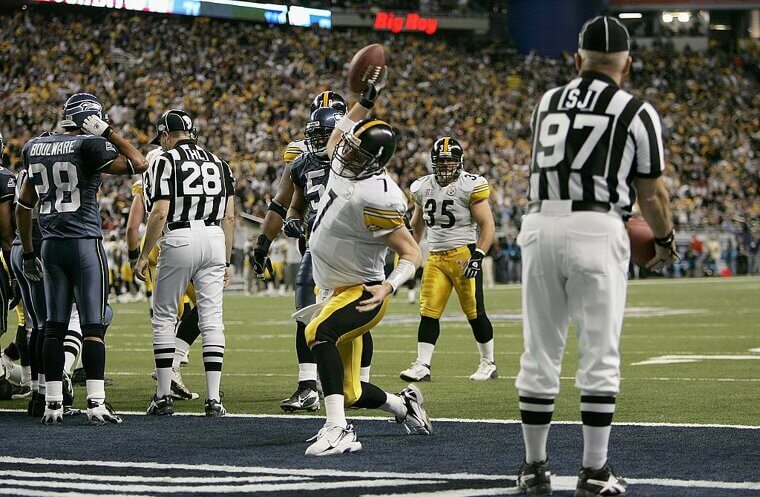
The play remains a focal point in discussions about replay accuracy and its impact on high-stakes games like the Super Bowl.