Jackie Kennedy Onassis was the most popular First Lady in history. But scratch the surface of her fairy-tale marriage to President John Fitzgerald Kennedy, and you find a tale of betrayal and infidelity. While she was the pin-up campaign wife, her womanizing husband was gallivanting with dozens of women, including Marilyn Monroe. After JFK’s and RFK’s assassinations, Jackie ran for safety into the arms of Aristotle Onassis. This is her story.
Early Days
Jacqueline Lee Bouvier was born in Southampton, New York, on July 28th, 1929. Her father was a well-known Wall Street stockbroker, John Vernou Bouvier III, who earned the nickname “Black Jack” due to his flamboyant lifestyle and love of playing cards. Her mother was socialite Janet Norton Lee.
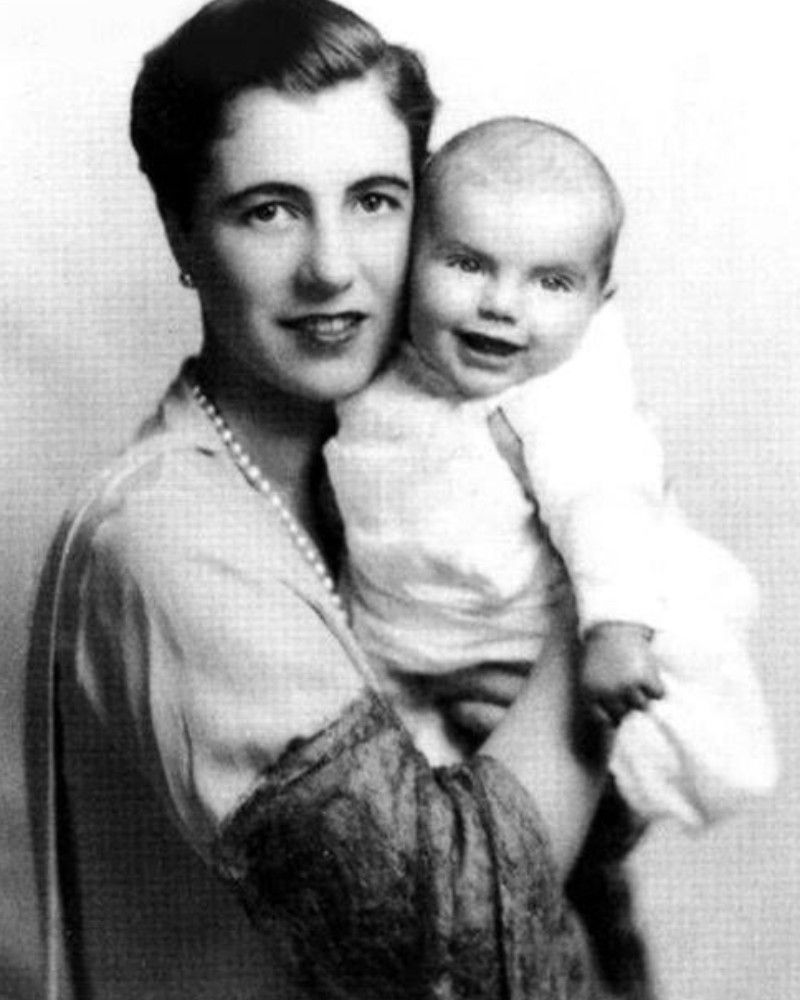
Jackie and her younger sister, Lee Radziwill, grew up between Manhattan and Lasata, the Bouviers’ country estate in East Hampton on Long Island. But while the Bouviers lived the good life, the father often lost money playing cards.
Privileged Childhood
Through their financial ups and downs, the Bouvier family maintained the appearance of living the high life. John was particularly fond of his eldest daughter, Jackie, and once called her “the most beautiful daughter a man ever had.”
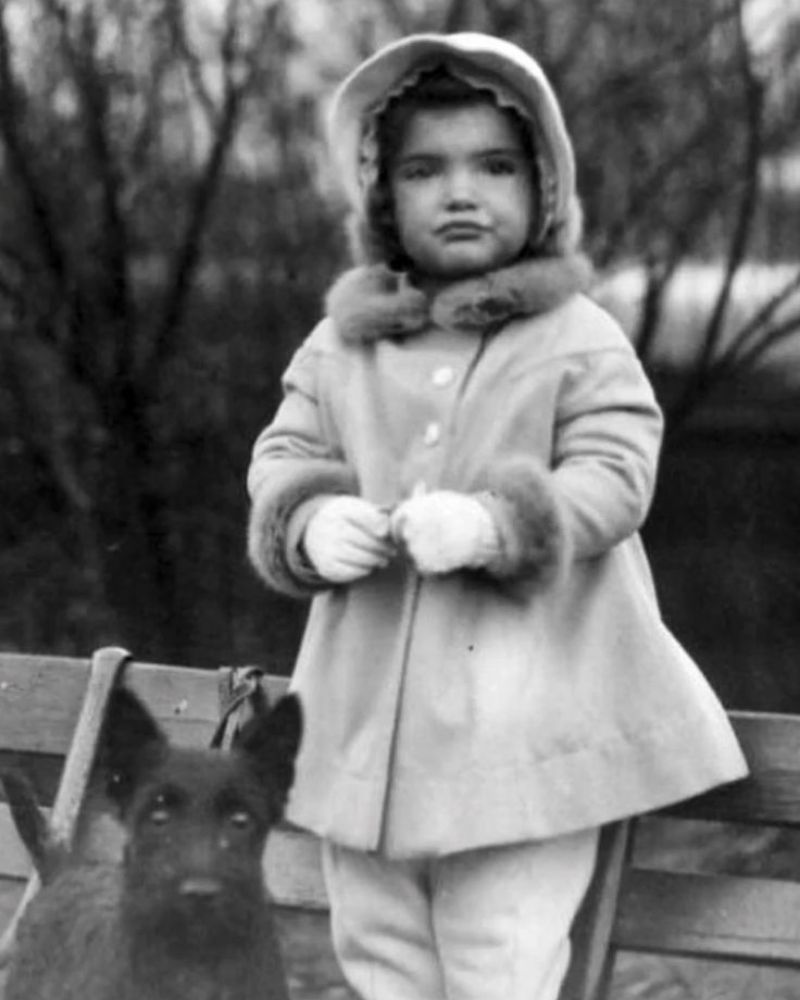
As such, he wanted only the best for her, spoiled her rotten, and ensured that she grew up as part of America’s elite. Jackie led a very privileged childhood, loved riding horses, took ballet lessons, was an avid reader, and learned French, Spanish, and Italian.
The Great Gatsby
However, as much as John Vernou Bouvier III loved Jackie — who learned independence from her paternal grandfather — he loved the bottle, cards, and women more. Living through the 1920s Jazz Age on Long Island, he must have cut a bit of a Jay Gatsby figure, and her parents’ marriage was as rocky as the Rockefellers.
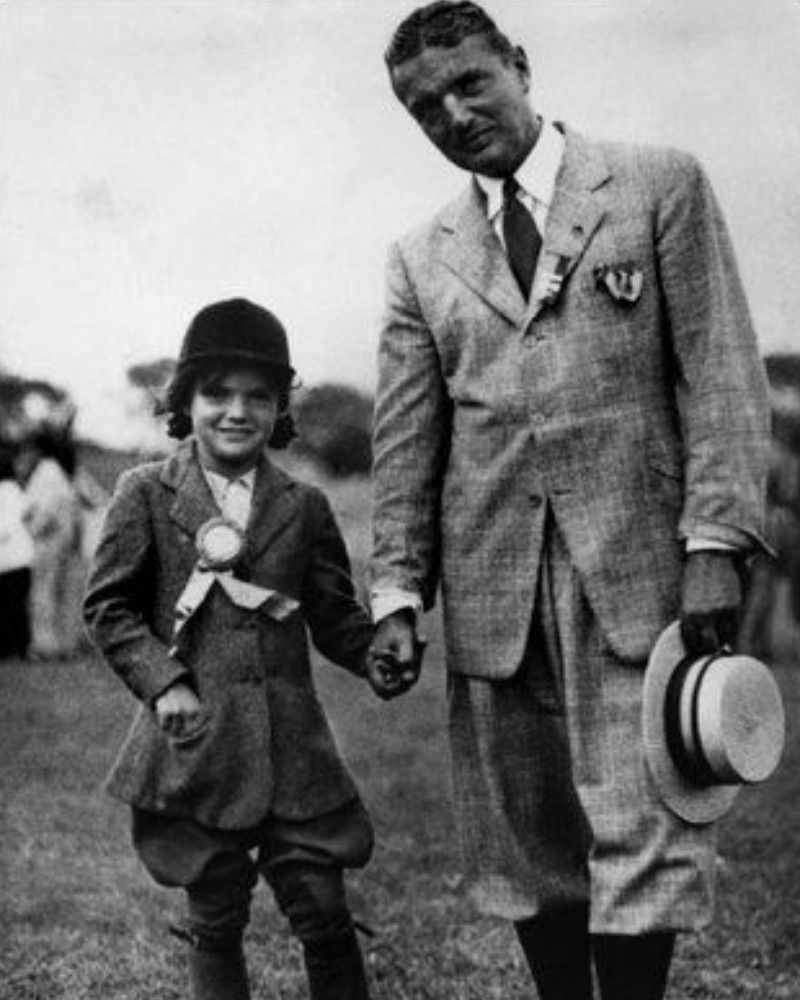
When the Wall Street Crash hit in 1929, John lost most of the family’s money. He and Janet separated in 1936, and they divorced four years later in 1940.
Education
In 1935, Jackie enrolled in the prestigious all-girls Chapin School in Manhattan’s Upper East Side. She was a bright but mischievous student, with one of her teachers describing her as “a darling child, the prettiest little girl, very clever, very artistic, and full of the devil.”
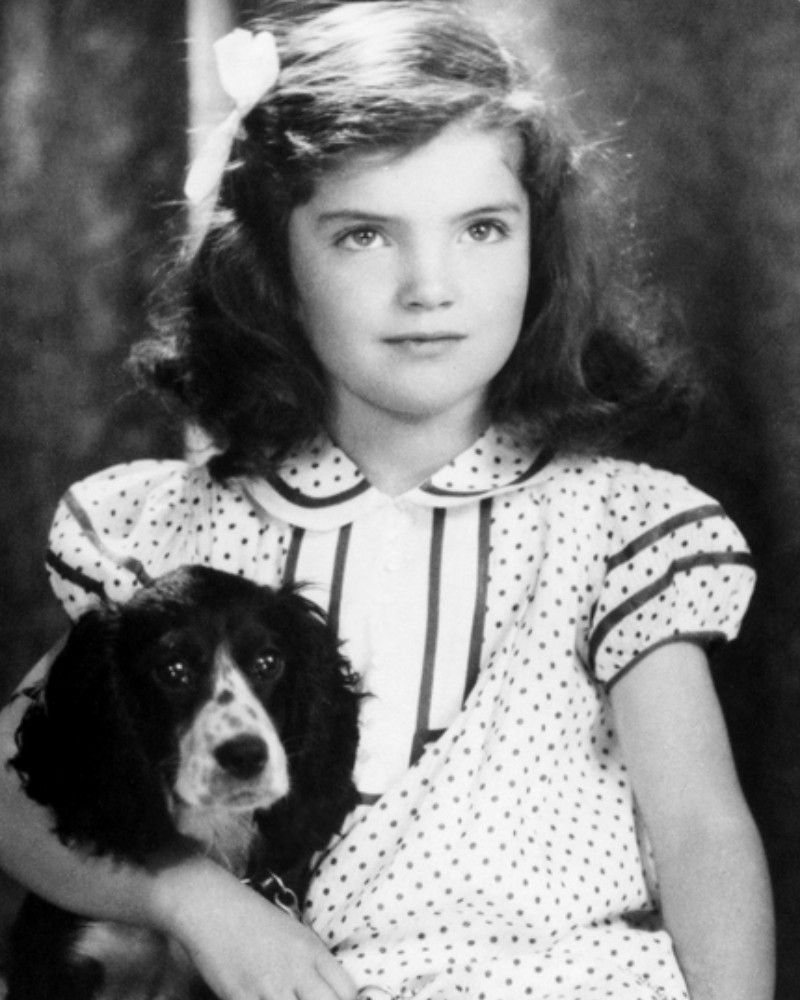
Jackie was profoundly affected by her parent’s divorce and the newspapers publishing intimate details of the split. As such, those who knew her best said she “had a tendency to withdraw frequently into a private world of her own.”
Growing Family
In 1942, Janet married Hugh Dudley Auchincloss Jr., lawyer, stockbroker, and heir to his father’s Standard Oil fortune. Jackie and Lee inherited three stepsiblings from Hugh’s previous marriages, and Jackie became very close with Hugh “Yusha” Auchincloss III. Janet and Hugh had Janet Jennings Auchincloss in 1945 and James Lee Auchincloss in 1947.
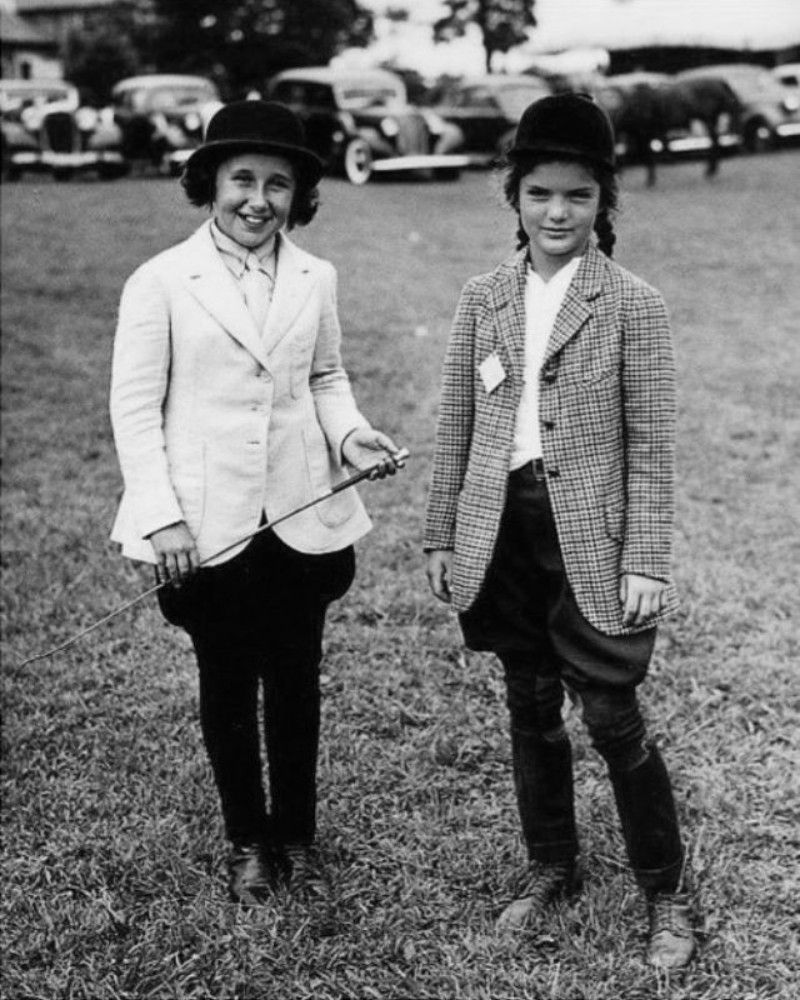
The family lived between Auchincloss’ Merrywood estate in McLean, Virginia, and Hammersmith Farm in Newport, Rhode Island, where 13-year-old Jackie would drive the 1940 Ford Deluxe Convertible Hugh gave her mother as a wedding gift.
Miss Porter’s School
While Jackie became close to her new stepfather, she felt she never really fit in as she was a child of divorce. After leaving Chapin School, she attended the Holton-Arms School in Northwest Washington, D.C., from 1942 to 1944, then Miss Porter’s School in Farmington, Connecticut, until 1947.
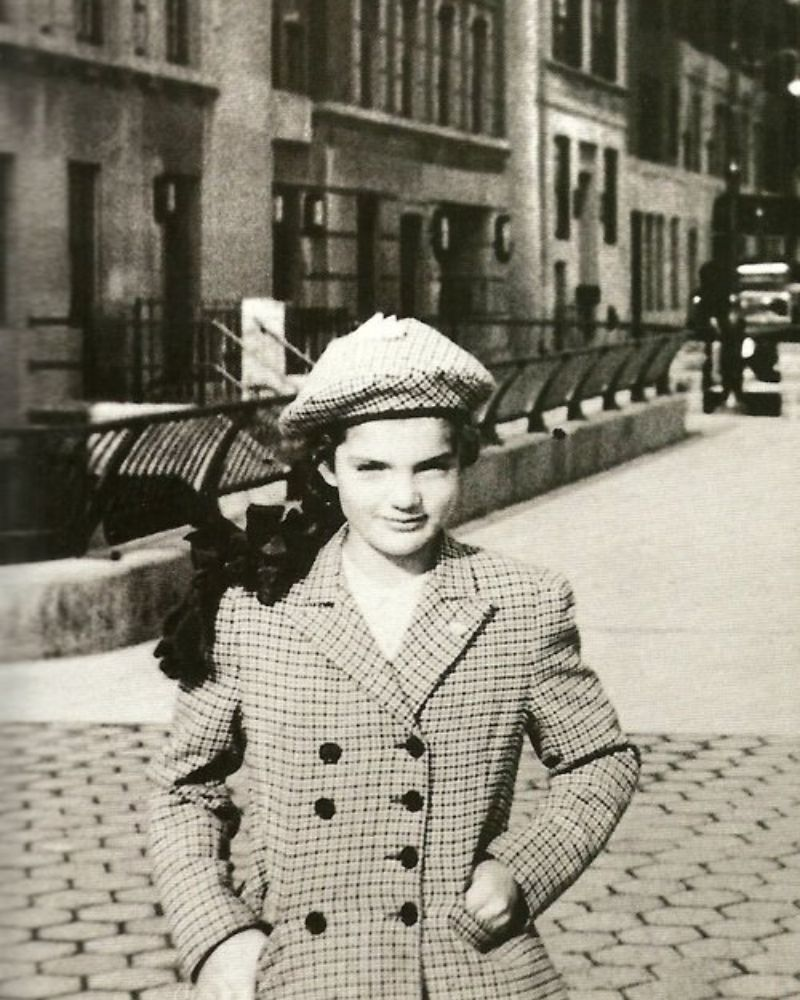
She chose Miss Porter’s to put some distance between her and her family. In her senior class yearbook, classmates complimented “her wit, her accomplishment as a horsewoman, and her unwillingness to become a housewife.”
High Society Debutante
Jackie wanted to attend Sarah Lawrence College, but her parents made her attend Vassar College in Poughkeepsie, New York, in the autumn of 1947. Again, she was a bright student who took part in the college’s art and drama clubs and wrote for its newspaper.
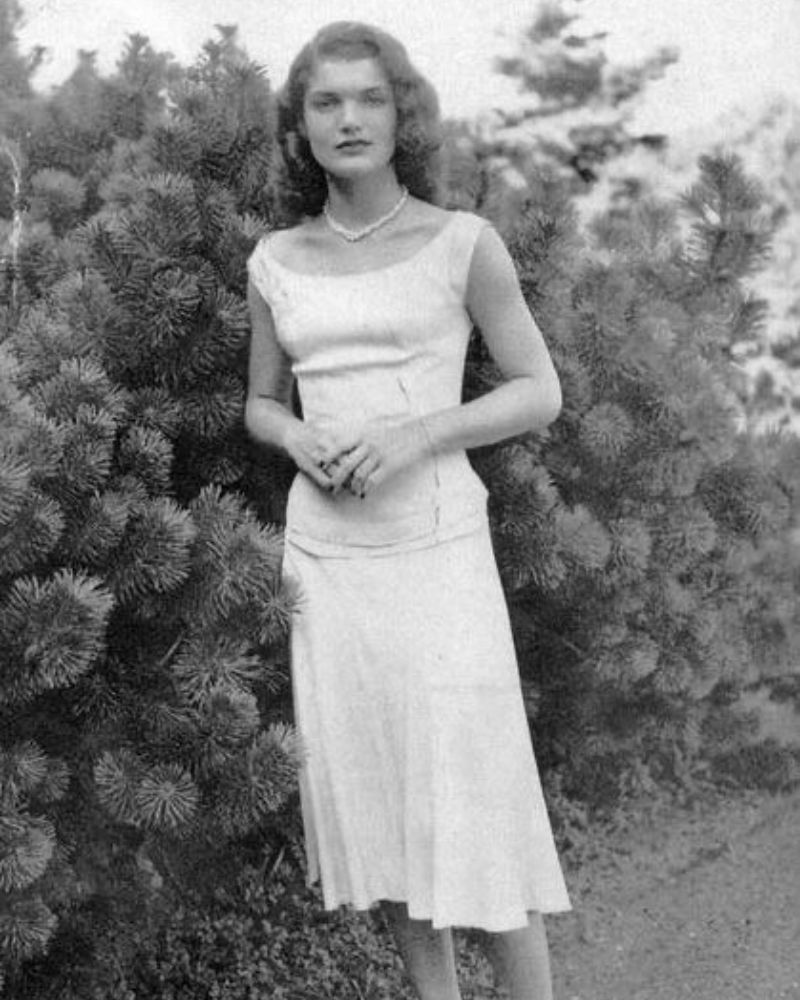
Disliking Poughkeepsie, Jackie traveled back to Manhattan almost every weekend, and there, she stepped out as a high-society debutante. Hearst newspaper columnist Igor Cassini even dubbed her the “debutante of the year.”
Bohemian Paris
In 1949, during her junior year, Jackie jumped at the chance to study abroad and moved to bohemian Paris. She studied at the University of Grenoble at the foot of the French Alps and at Paris’ most famous academy, the Sorbonne.
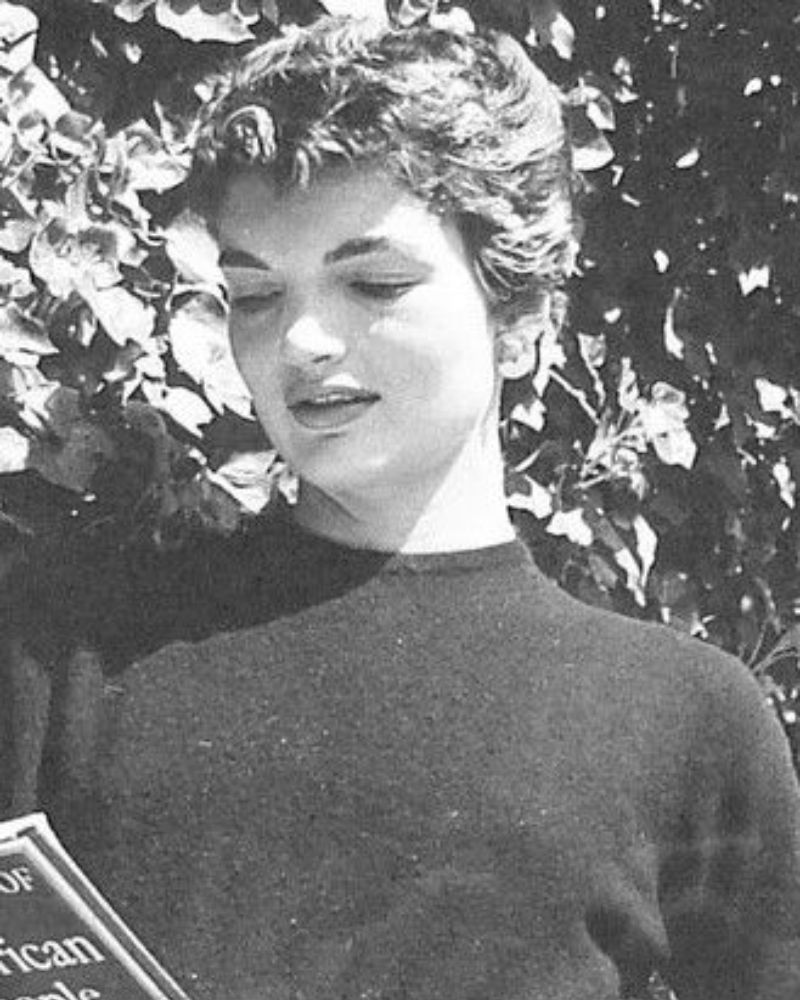
In Paris, she met and fell in love with John P. Marquand Jr, the son of Pulitzer Prize-winning American author John Phillips Marquand. She wanted to marry him, but her mother disapproved and wouldn’t allow it.
Rude Awakening
So, Jackie moved back Stateside to focus on her education. She transferred to Washington, D.C.’s George Washington University and graduated with a Bachelor of Arts degree in French literature in 1951. Then, she jumped headfirst into journalism, beating hundreds of other applicants to land a 12-month junior editorship at Vogue magazine.
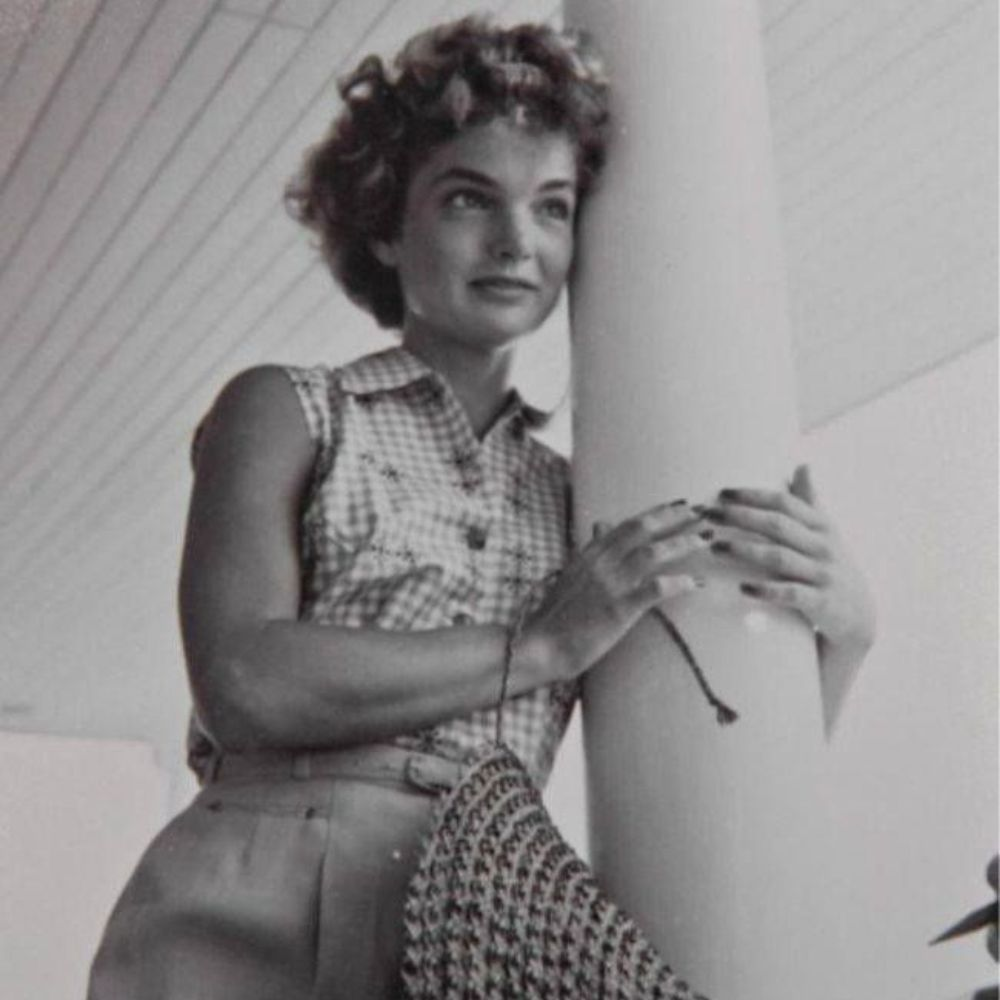
The position entailed working for six months in the magazine’s New York City office and six months in Paris. The internship must have felt like a dream, but Jackie Bouvier was in for a rude awakening…
Vogue Magazine
On her first day at Vogue magazine, the managing editor advised Jackie to quit and go back to Washington if she wanted to find a husband. You see, being 22 and single in elite social circles was frowned upon in those days. So, she moved to Washington and worked her way up from receptionist to roving reporter at the Washington Times-Herald.
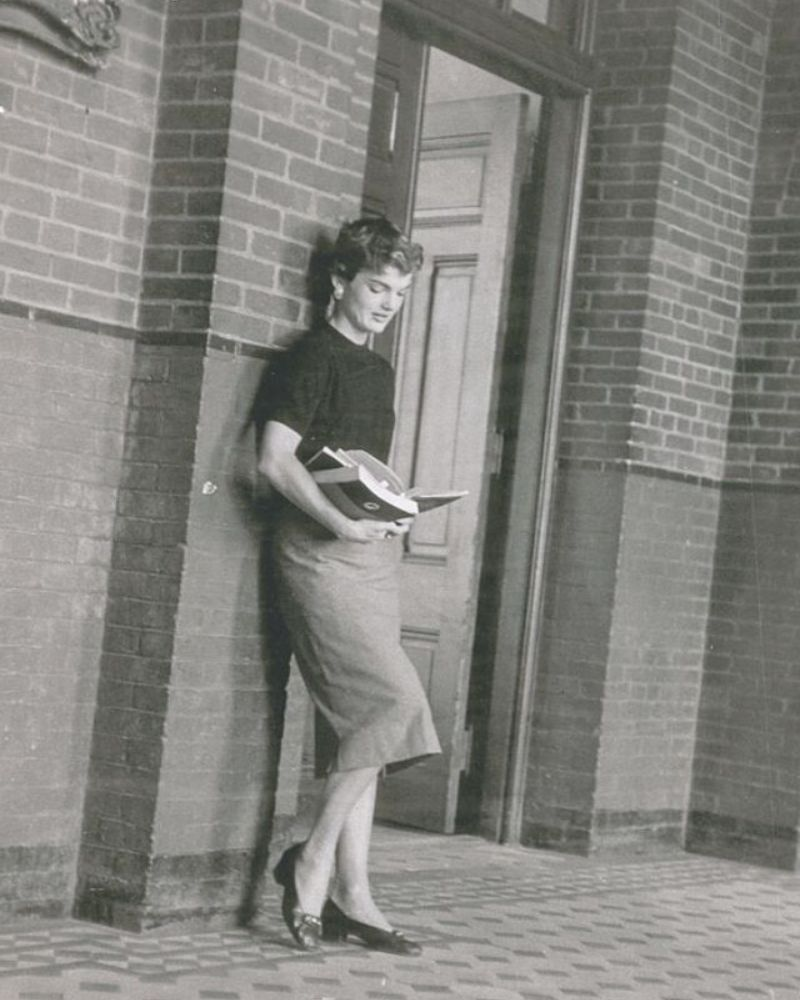
She met stockbroker John Husted and they became engaged after just one month. But three months into their engagement, Jackie broke things off, saying he was “immature and boring.”
Meeting JFK
In May 1952, Jackie met John Fitzgerald Kennedy, US Representative for Massachusetts 11th District, at a dinner party. Everybody said they’d make the perfect couple — they both came from well-to-do Catholic families and were journalists. JFK had been a special correspondent for family friend William Randolph Hearst’s newspapers.
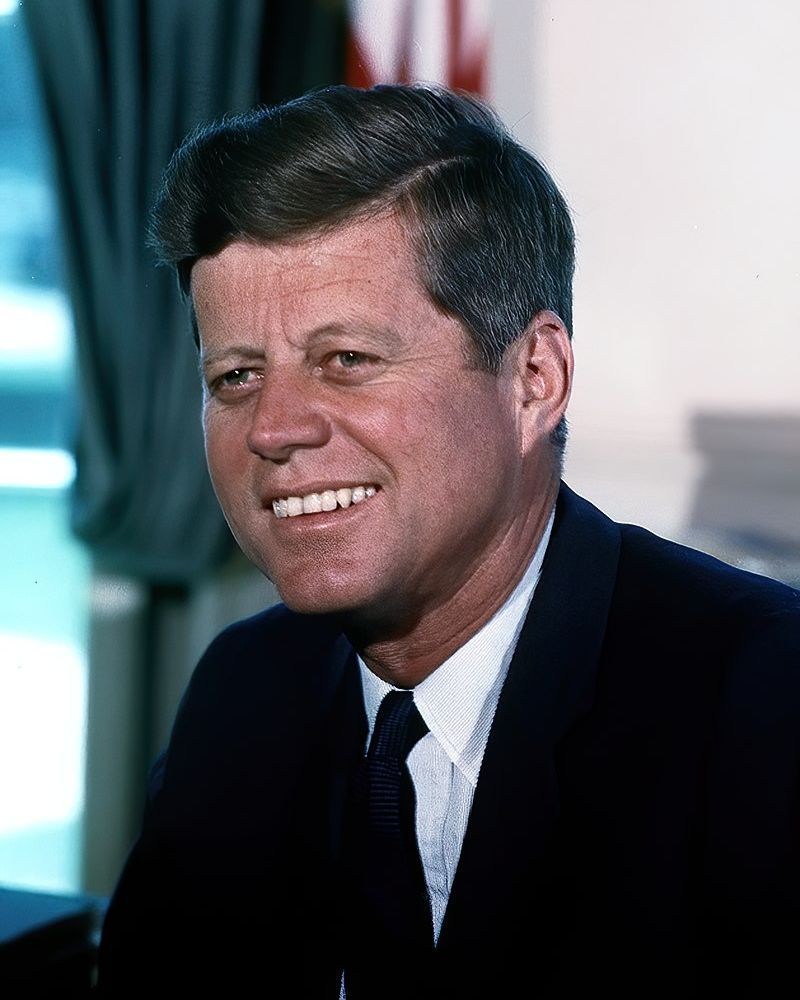
Despite sharing a similar sense of humor, Jackie didn’t feel any chemistry between them. When Kennedy asked Jackie out on a date, she reluctantly accepted but wrote in her diary that she thought his “toothpick legs” were slightly offputting!
JFK Proposes
As JFK ran for a seat in the Senate, their relationship grew more serious, and he proposed to Jackie after the November election. However, Jackie was focused on her career and needed time to think. While she traveled to London to cover the coronation of Queen Elizabeth II for The Washington Times-Herald, she got cold feet.
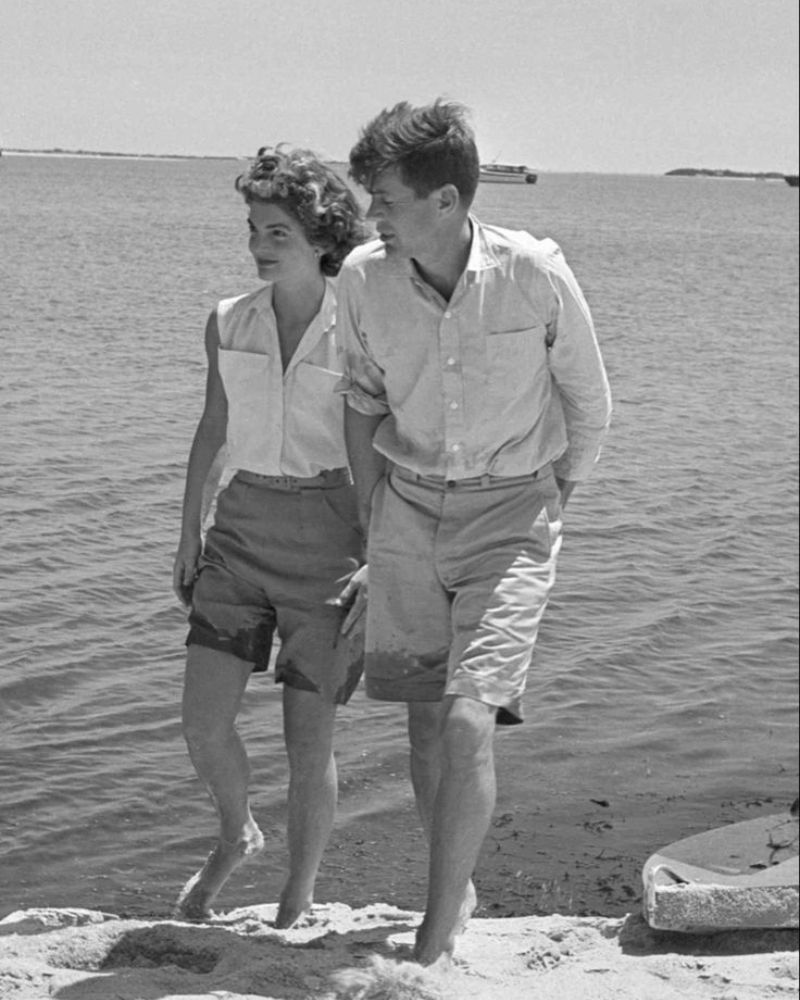
During her time in England, Jackie started second-guessing her relationship with Kennedy. The handsome politician was well-known for charming women, and Jackie worried he had wandering eyes.
Rose Kennedy
When JFK’s mother, Rose Kennedy, discovered that Jackie hadn’t yet accepted her son’s marriage proposal, she took matters into her own hands. Rose adored Jackie and was certain she would make the perfect wife and would fit perfectly in with their high society family.
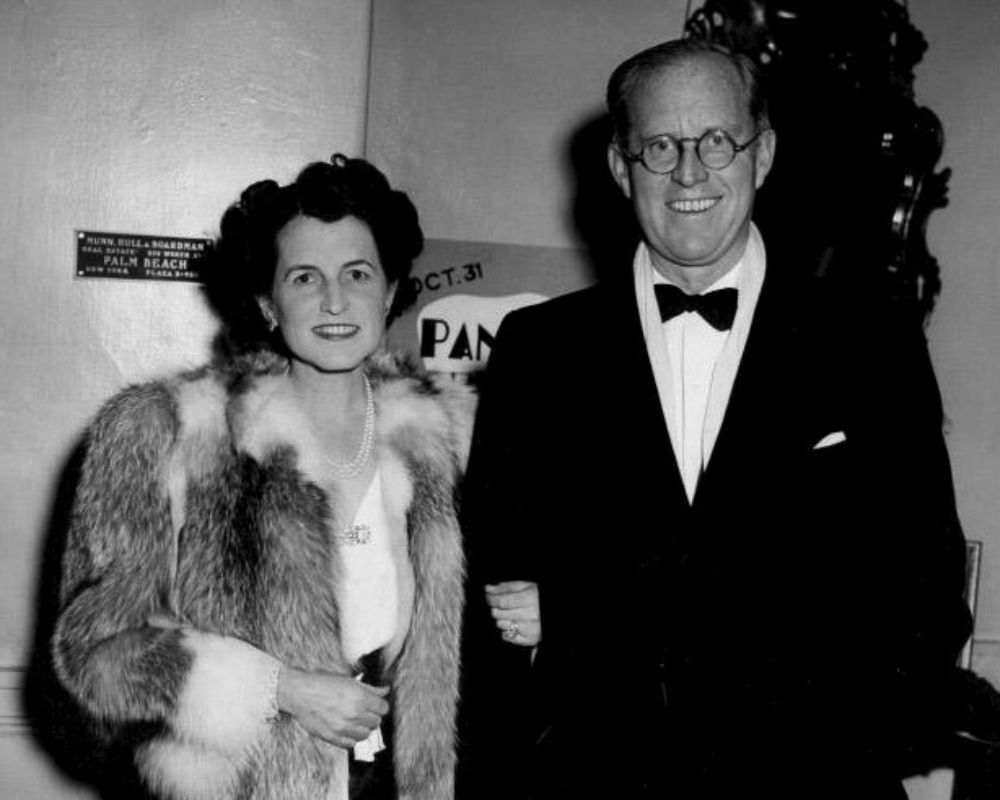
But since her husband, Joseph P. Kennedy Sr., had been engaged in countless extramarital affairs during their marriage, she also understood Jackie’s concerns. Rose’s advice to Jackie was to grin and bear JFK’s wandering eyes and roaming hands and focus on her own life.
Jackie Says Yes
After covering Queen Elizabeth II’s coronation in England for a month, 24-year-old Jackie Bouvier returned across the pond and accepted 36-year-old newly elected Massachusetts Senator John F. Kennedy’s marriage proposal. They officially announced their engagement on June 25th, 1953, and Jackie duly resigned from The Washington Times-Herald.
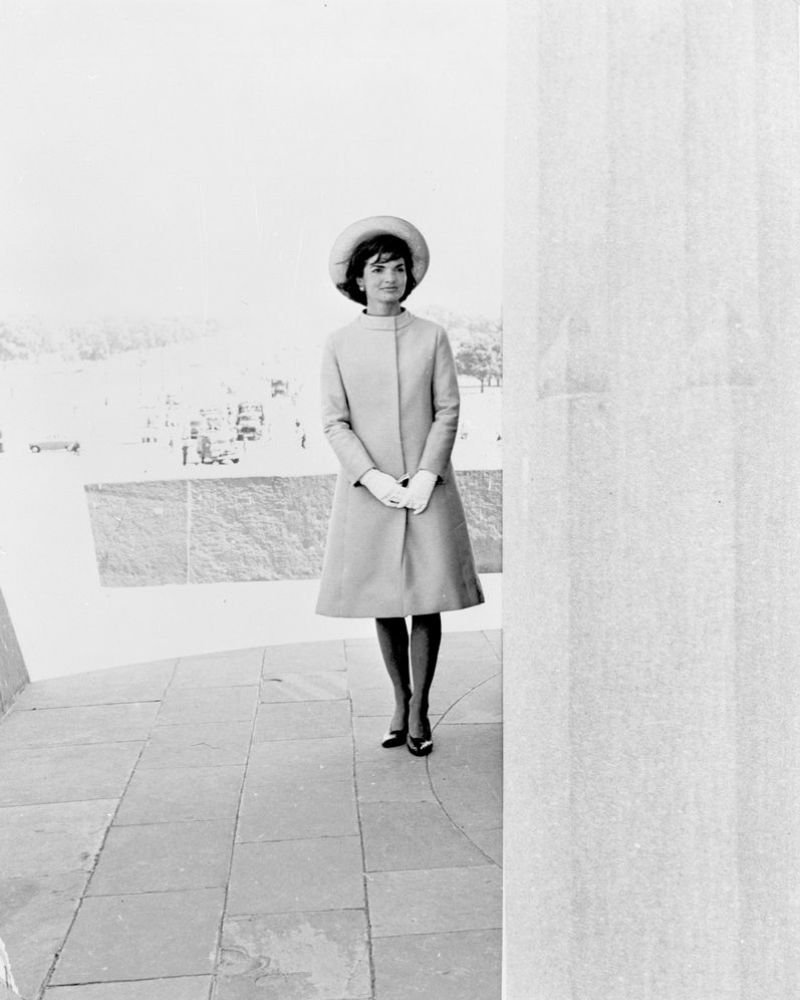
After all, she had a grand, high-society wedding to plan for in the fall. They would have to invite hundreds of high-falutin’ guests, and she would need a wedding dress good enough for a princess.
The Wedding
John Fitzgerald Kennedy and Jacqueline Bouvier married on September 12th, 1953, at St. Mary’s Church in Newport, Rhode Island. After Jackie covered The Queen’s coronation, this was America’s social event of the year, and 800 guests watched Jackie and John tie the knot.
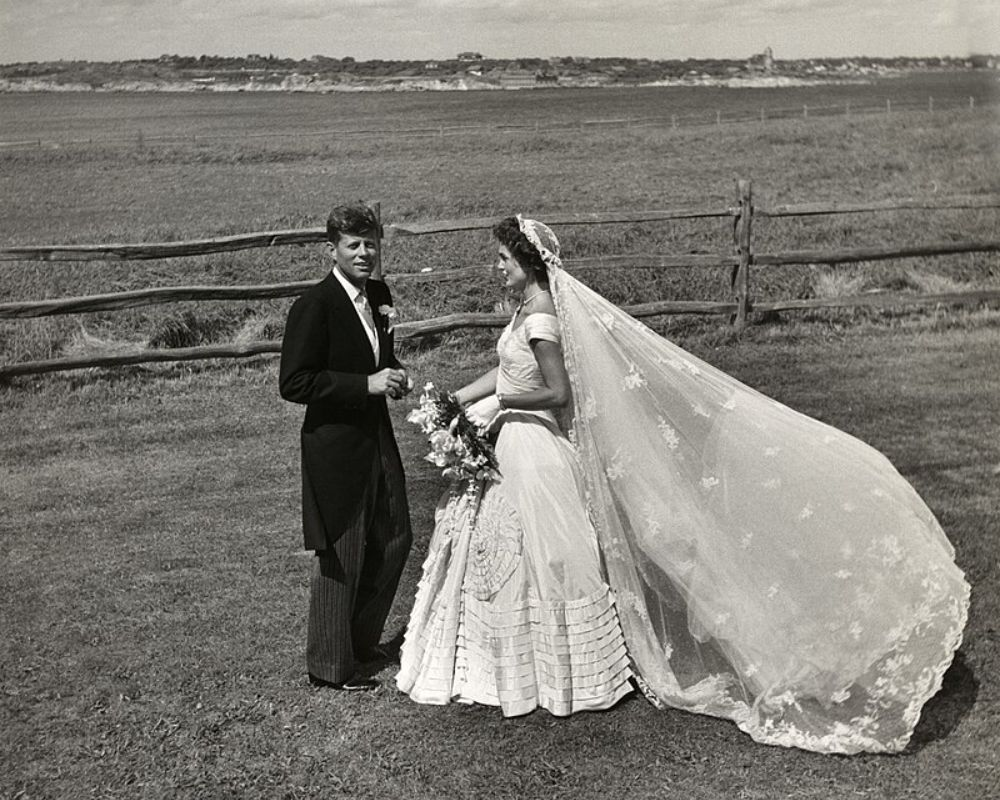
The Archbishop of Boston, Richard Cushing, officiated the ceremony, and even The Pope, Pope Pius XII, gave his blessing! Another 400 guests celebrated at the grand reception at Jackie’s stepfather’s home at nearby Hammersmith Farm.
The Wedding Dress
Jackie wore a bridal gown of ivory-colored silk taffeta featuring a portrait neckline and a huge round skirt designed by African American designer Ann Lowe. When a reporter asked Jackie who designed it, she replied, a “colored woman.”
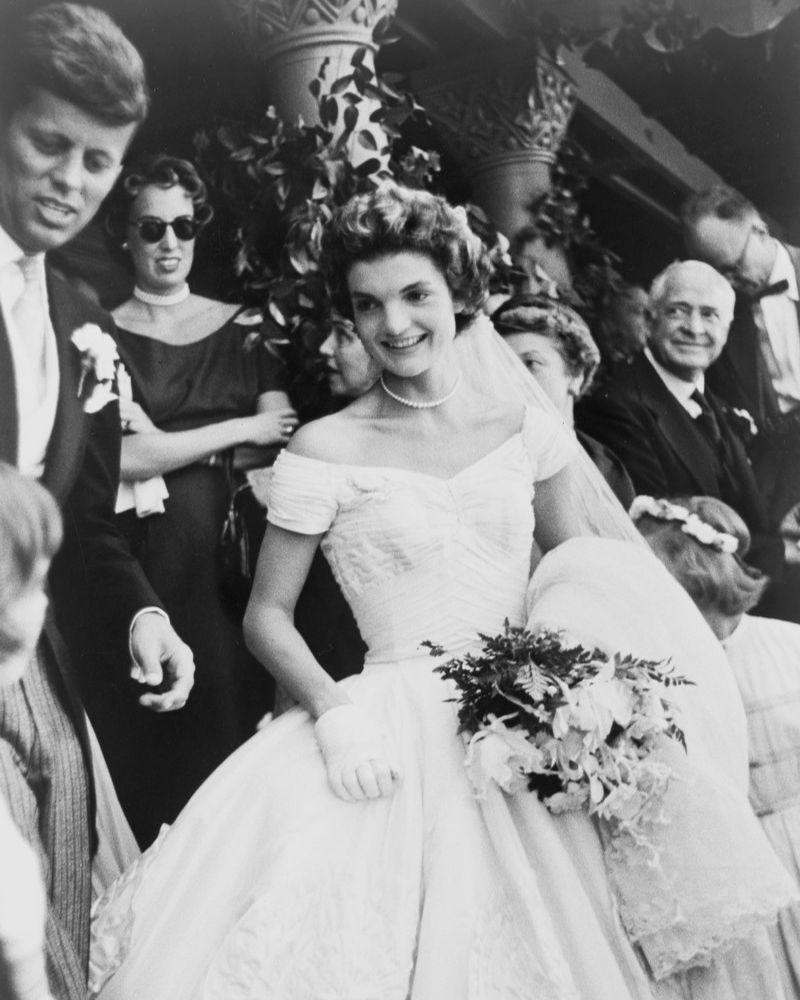
A flood in Ann Lowe’s workshop meant she and her staff had to work all week to get the bride’s gown and nine of the bridal party’s dresses ready. Instead of making a profit, Ann lost $2,200. The dress is now housed in the Kennedy Presidential Library in Boston.
Fairy Tale Marriage
The newlyweds honeymooned by going loco down in Acapulco, Mexico. When Jack and Jackie arrived home, they settled down in their new home, Hickory Hill — a beautiful Colonial-style mansion in McLean, Virginia, near where Jackie had grown up.
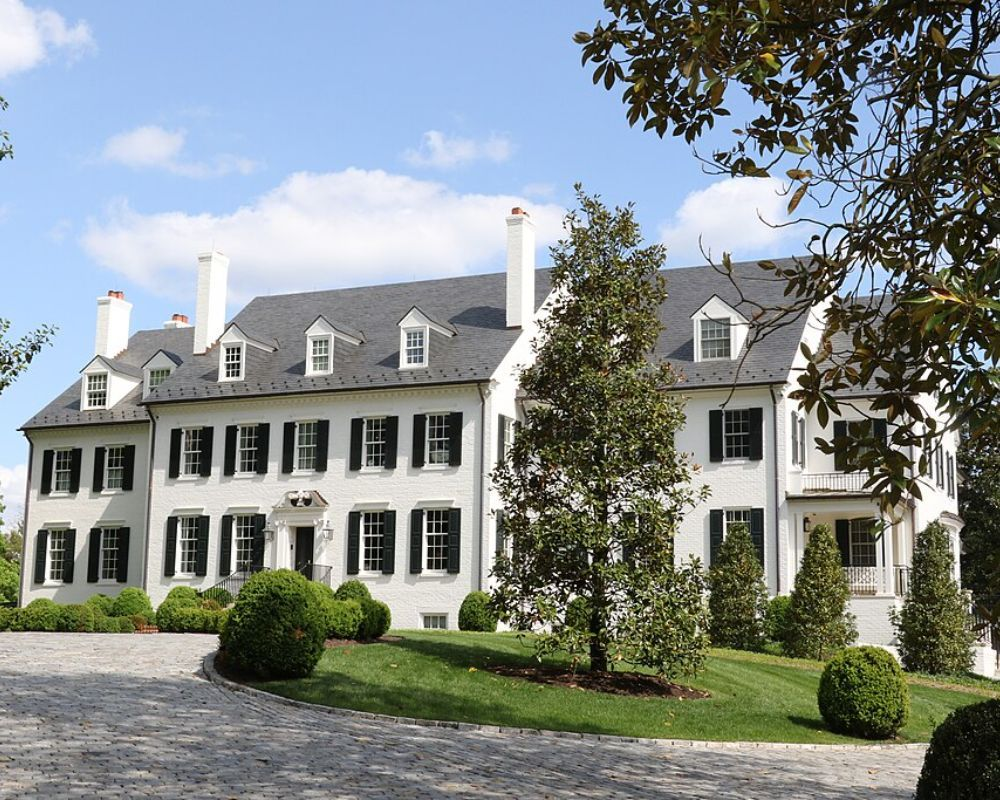
Sitting just outside Washington, D.C., Hickory Hill was perfect for JFK’s political career and the ideal home for Jackie to bring up a litter of Kennedy children. But instead of plain sailing, the newly married Kennedys had stormy waters ahead of them.
Trouble Conceiving
John suffered from Addison’s disease and chronic, debilitating back pain after he was injured being a hero (and winning the Purple Heart) in the US Navy during World War II. In late 1954, JFK underwent a spinal operation, which nearly took his life. The couple had trouble conceiving.
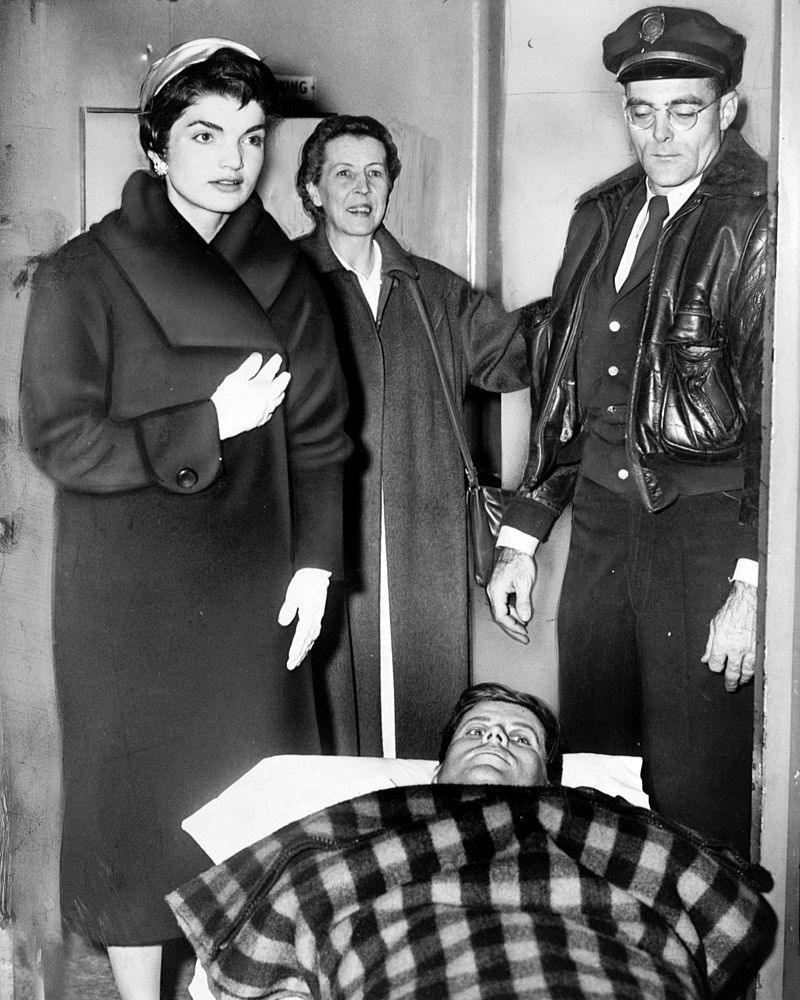
The following year, Jackie suffered a miscarriage, but things were about to get even worse. In 1956, Jackie gave birth to a stillborn daughter, Arabella. Naturally, losing a child took a massive toll on Jackie and John, and she spiraled into depression.
Re-Election Campaign
The couple sold their Hickory Hill estate to Bobby and Ethel Kennedy and bought a townhouse on N Street in Georgetown. To take their minds off the pain of losing their daughter, Jackie threw herself into helping JFK win re-election. She played the role of the perfect political wife. But she was so much more than a dutiful sidekick.
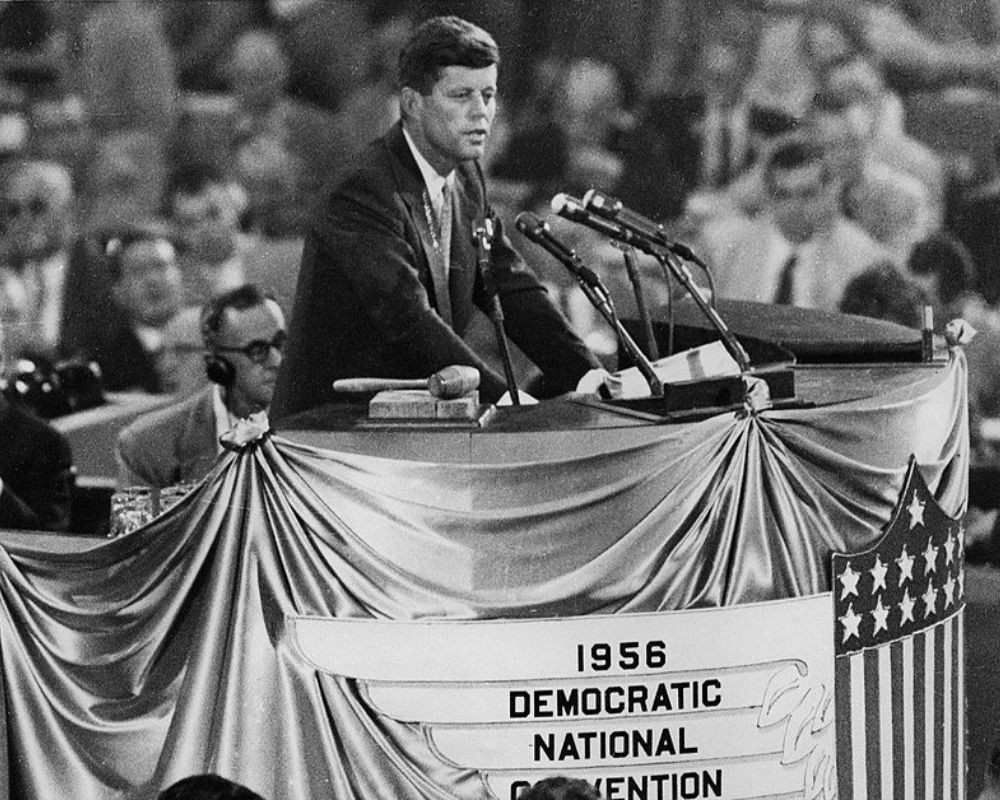
One of JFK’s friends and aides, Kenneth O’Donnell, noticed that “the size of the crowd was twice as big” when “always cheerful and obliging” Jackie accompanied her husband.
Caroline Kennedy
In early 1957, Jackie fell pregnant again. On November 27th, 1957, while they were traveling the length and breadth of Massachusetts, campaigning for John’s re-election to the Senate, she gave birth to their first daughter, Caroline, who followed in her father’s footsteps by going into politics.
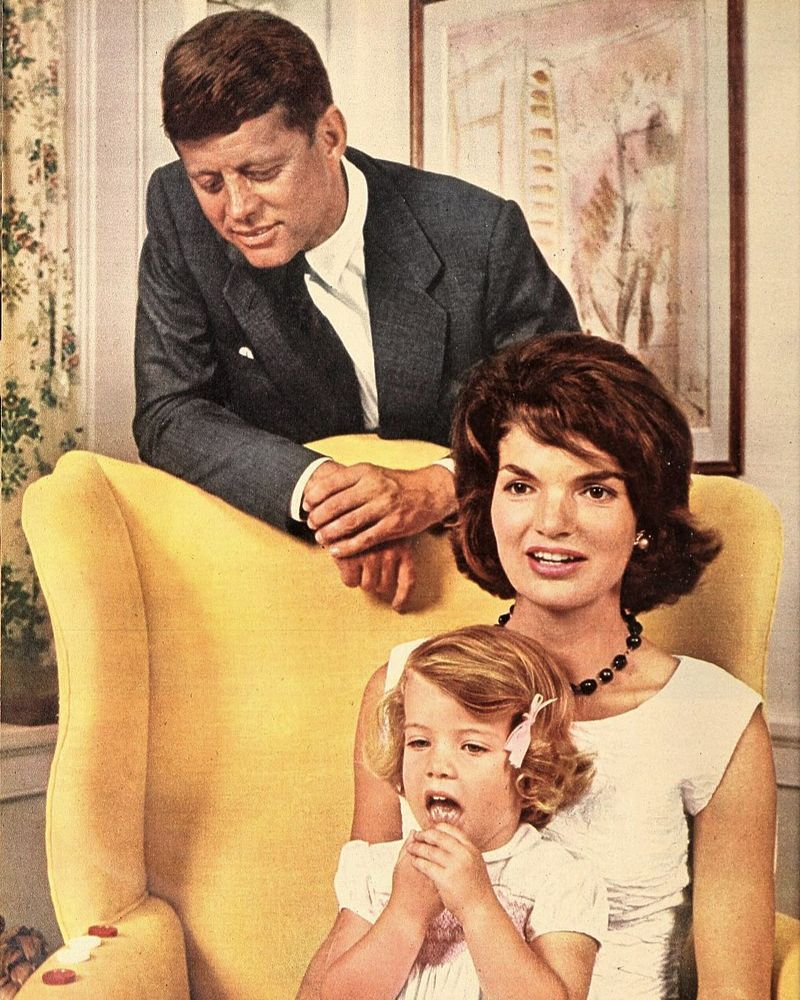
Caroline graduated from Columbia Law School and worked at Manhattan’s Metropolitan Museum of Art, where she met her husband, Edwin Schlossberg. They have three children — Rose, Tatiana, and Jack. She later became the United States Ambassador to Japan and then Australia.
Perfect Housewife
In November 1958, John was re-elected to a second term. On the surface, she was everything the American housewife should be. Immaculately dressed, she supported her husband, and JFK’s political advisors made sure Jackie was always by her husband’s side whenever possible as the crowds loved her.
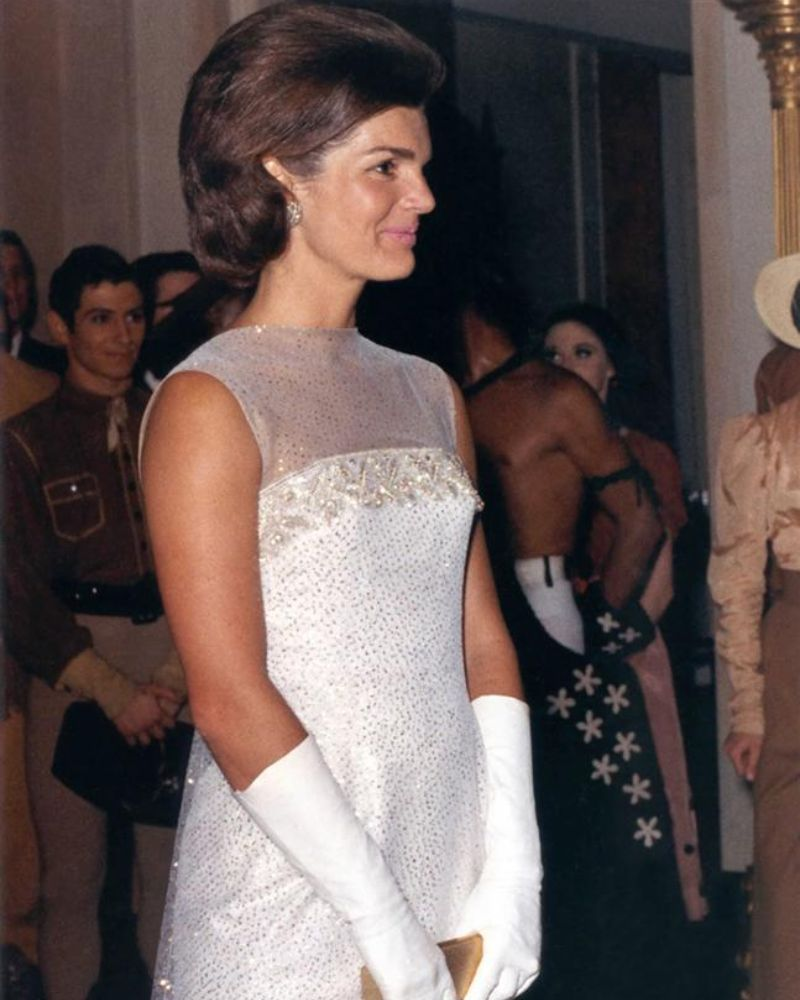
But behind the scenes, JFK would often leave Jackie and baby Caroline at home alone and come back late at night. Jackie’s earlier fears had come true — her husband was sleeping with other women. Dozens of women.
Psychiatric Help
One dark and stormy night, JFK returned home late, smelling of another woman once too often. Jackie was so incensed that she ran off into the night in a fit of rage. John was so perturbed he called an ambulance. The paramedics transported the shrieking Jackie Kennedy to Valleyhead Psychiatric Clinic, where doctors administered electroshock treatment.
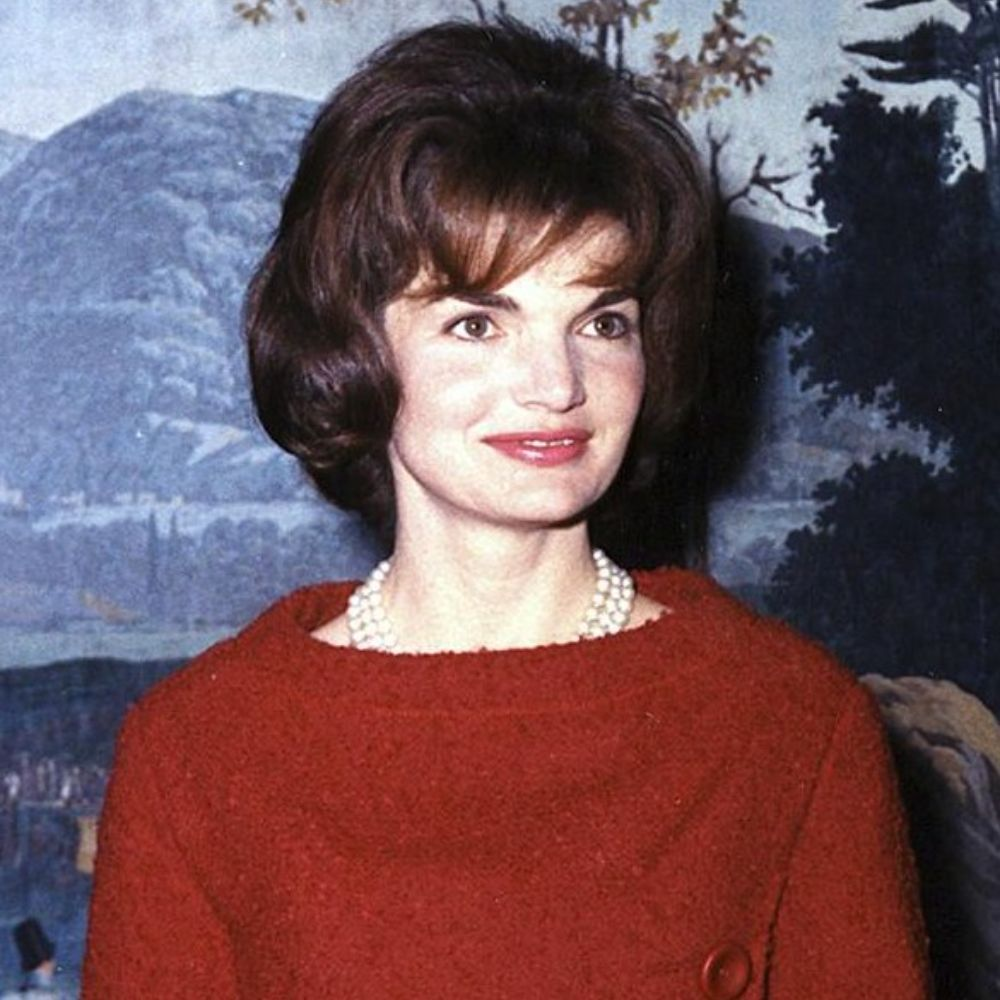
After being kept in the psych ward against her will, Jackie began to rethink her marriage. Did she really want to be married to a man who was conducting such public affairs?
The Deal of The Century
Lost, vulnerable, and being labeled psychotic, Jackie thought seriously about leaving her husband. But when JFK’s father, Joseph P. Kennedy, found out, he stepped in with an offer she couldn’t refuse. Legend says that Joseph offered Jackie one million dollars to stay with JFK.
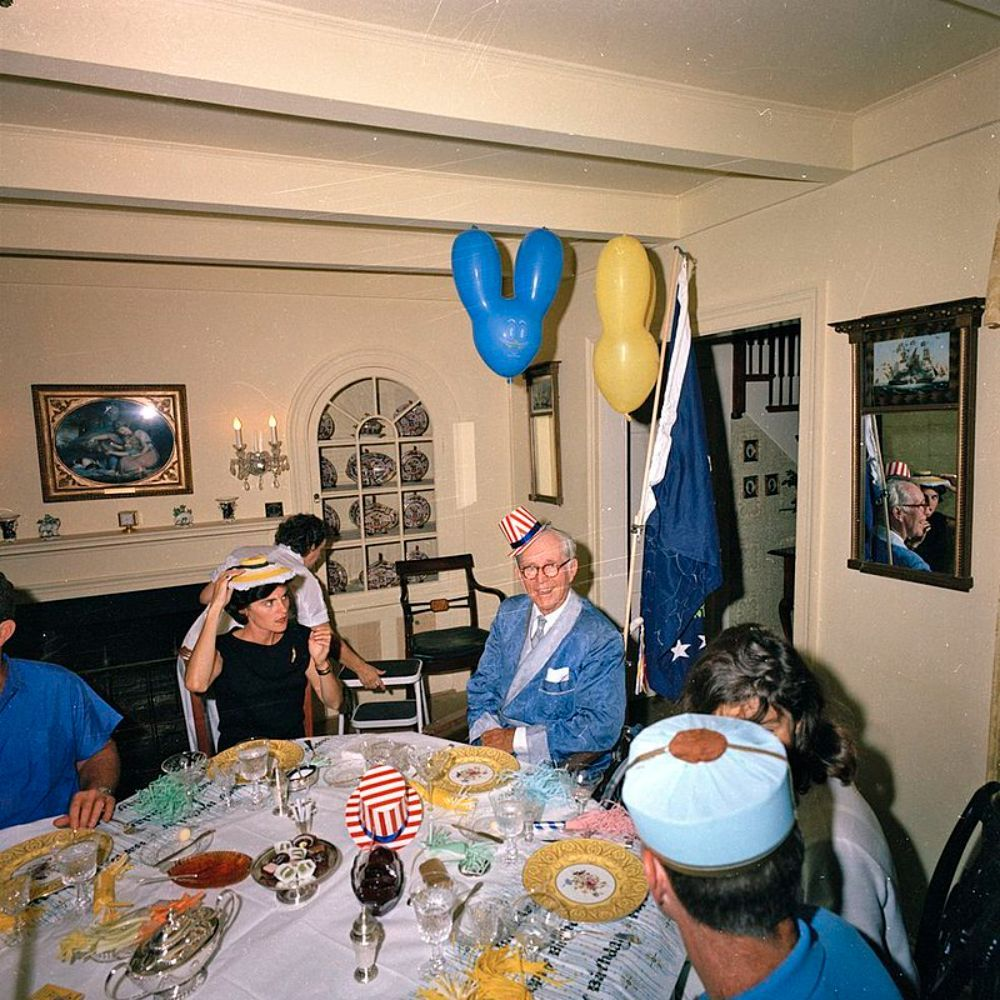
Legend also says that she took the money. After all, the future President of the United States couldn’t be a divorcee; Joseph’s son needed a demure, dutiful wife like Jackie by his side.
Running Mate
After Jackie’s “psychotic episode” was covered up, JFK announced his presidential run in 1960. Then, she fell pregnant again. Jackie followed her husband around the country on his presidential campaign as much as she could.
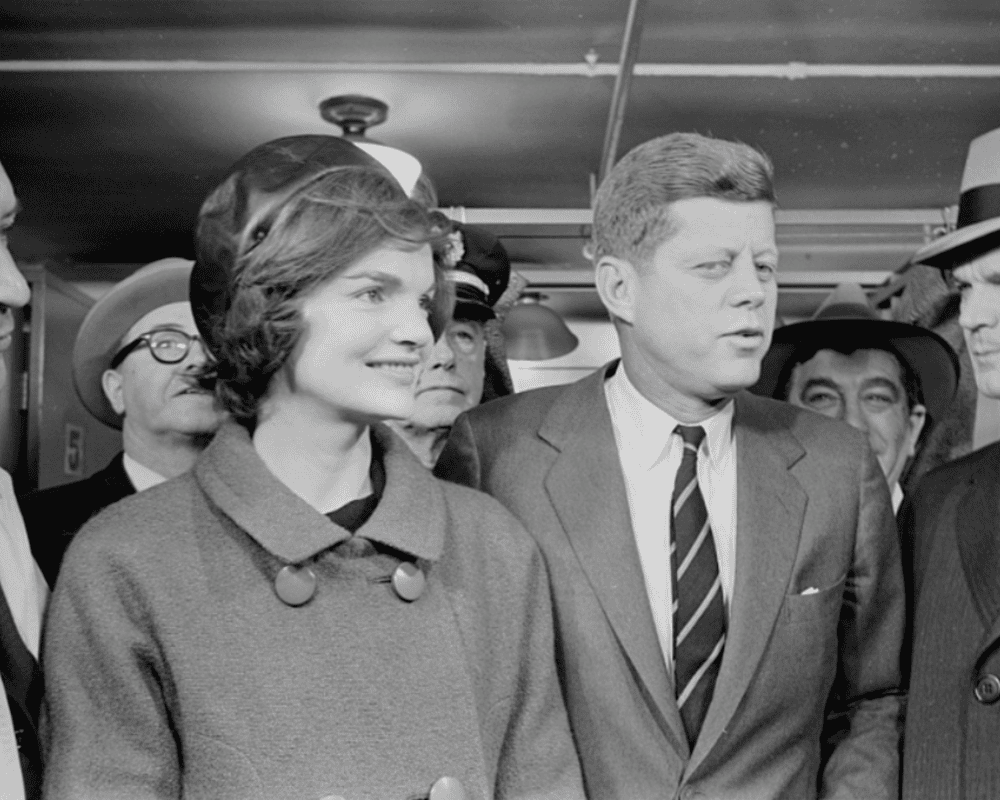
But she also needed to stay home in their new house on N Street in Georgetown and rest to give herself and the baby the best chance. But even when Jackie couldn’t be on her husband’s arm on the campaign trail, she continued the façade as the perfect future First Lady.
Campaign Wife
Jackie participated in her husband’s presidential campaign by writing a weekly syndicated newspaper column called “Campaign Wife” about her husband’s crusade from her bed. She also gave interviews and answered correspondence from their Georgetown home.
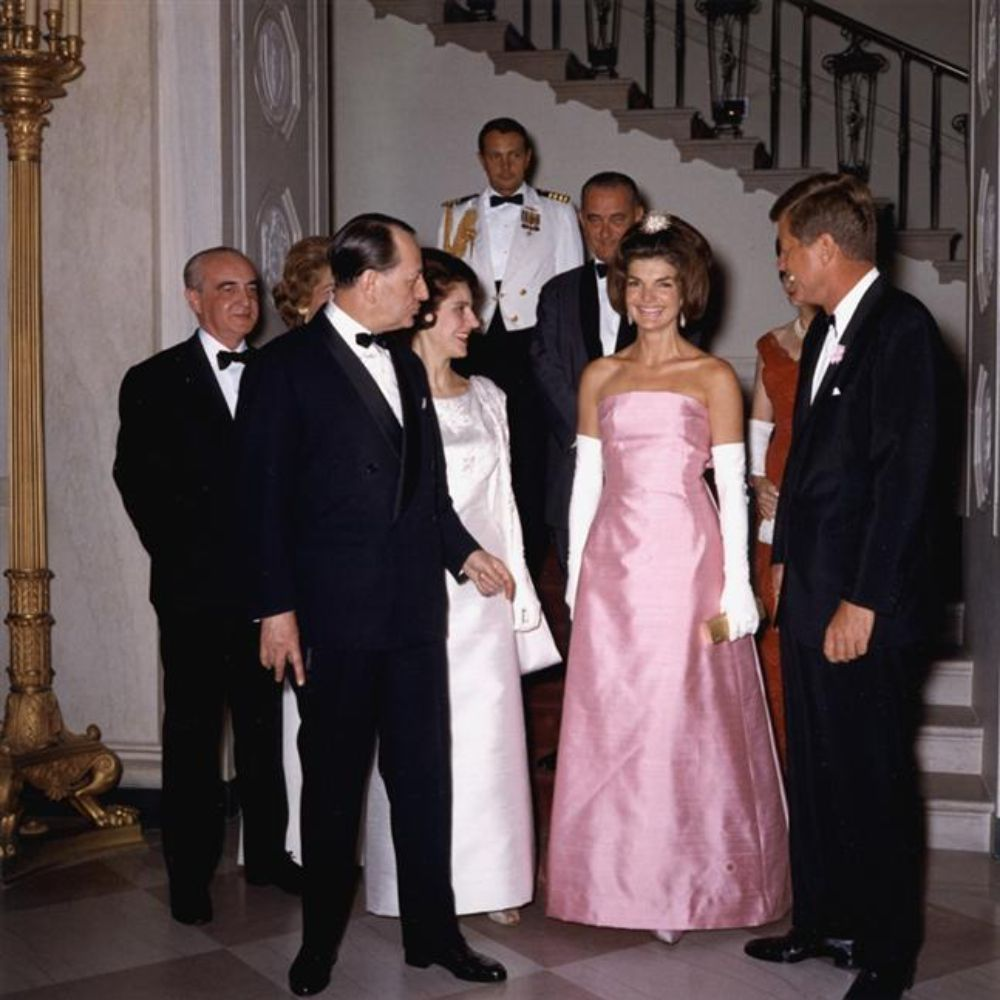
Despite not being on the road, Jackie became the subject of intense media attention, especially for her bold fashion choices. She spent $145,000 on clothes a year, was named one of the 12 best-dressed women in the world, and often appeared alongside film stars like Marilyn Monroe in women’s magazines.
President John F. Kennedy
On November 8th, 1960, JFK narrowly beat Richard Nixon to become POTUS. At 43, the second youngest president told America, “Ask not what your country can do for you — ask what you can do for your country.” He promised to unite the world against the “common enemies of man: tyranny, poverty, disease, and war itself.”
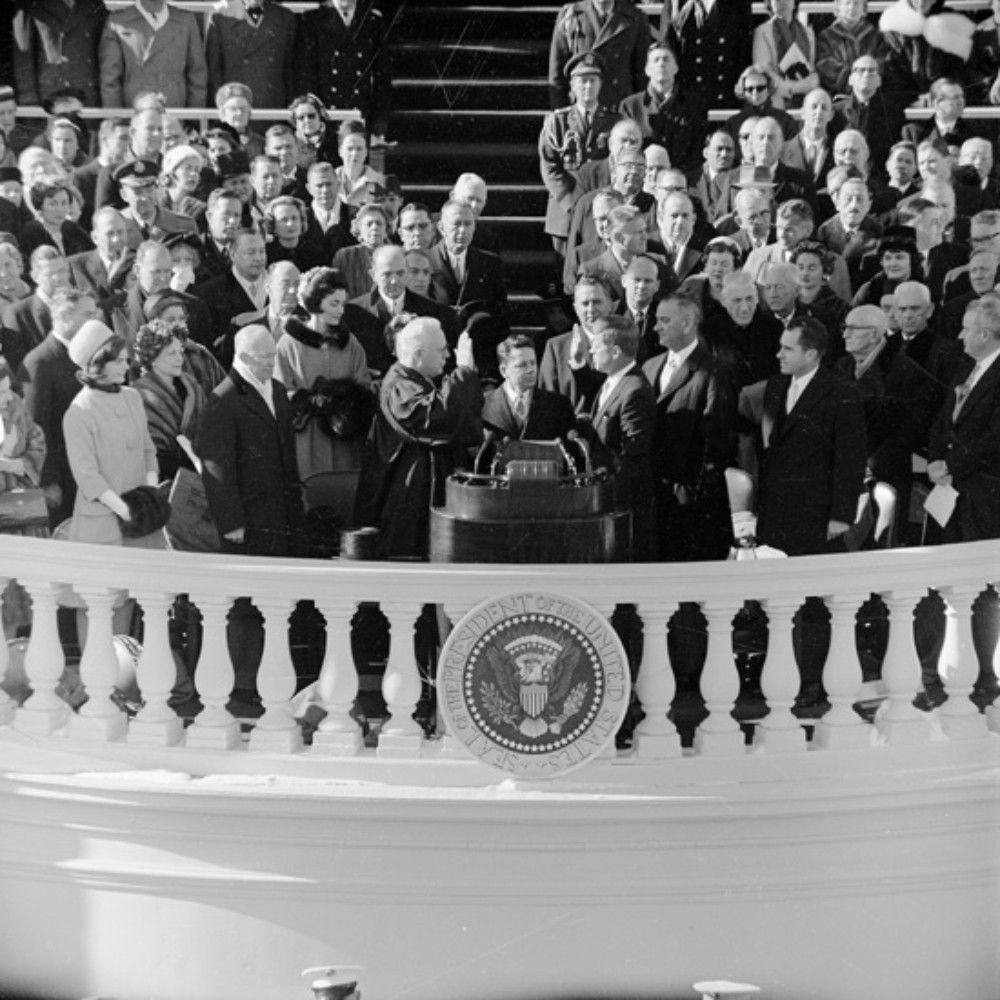
He’d usher in a new era, tackle poverty and civil rights, and deliver an optimistic future by embracing science and technology, promising to land on the moon by the end of the decade.
John F. Kennedy Jr.
Two weeks after JFK’s historic win, on November 25th, Jackie gave birth to John F. Kennedy Jr. She spent two weeks recuperating in Georgetown University Hospital. After JFK was sworn in on January 20th, 1961, they moved into The White House.
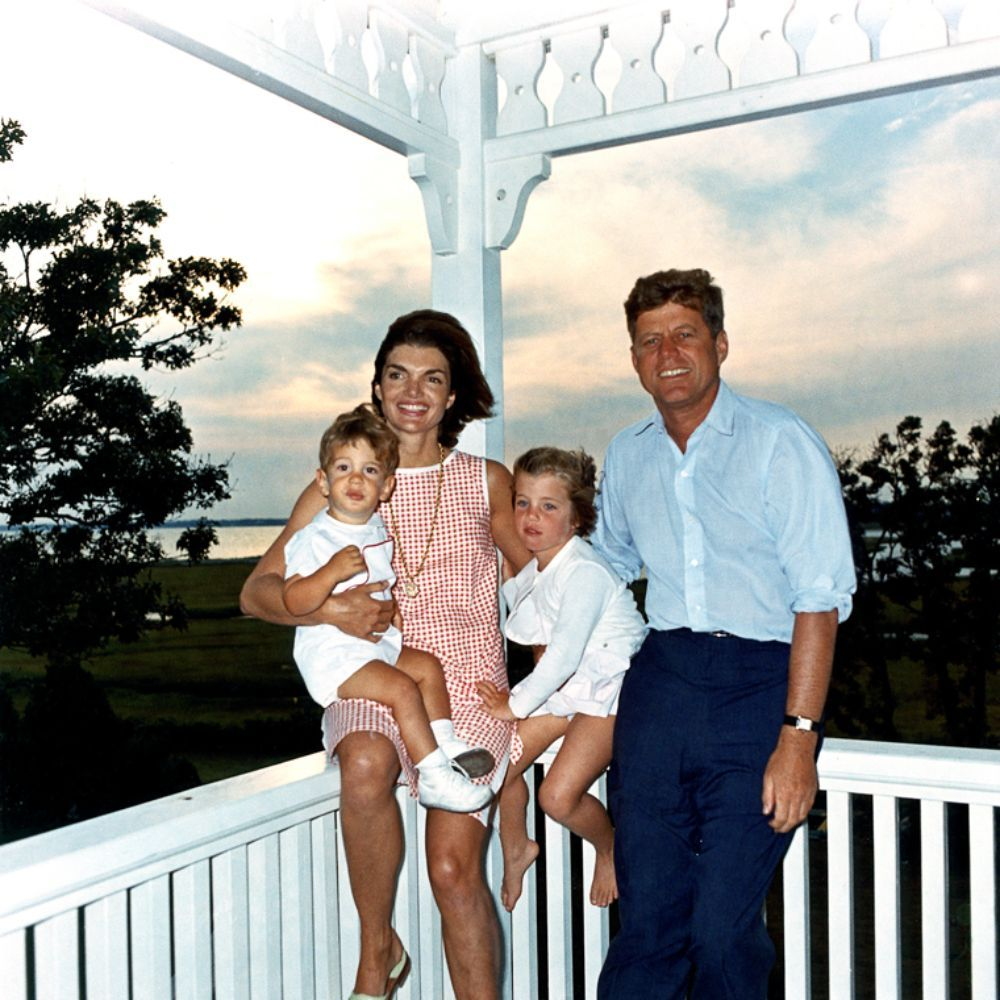
JFK Jr. grew up in the White House until he was three and took on his father’s playboy image. After founding George magazine and dating Cindy Crawford, he married Carolyn Bessette but lost his life when his plane crashed in Martha’s Vineyard in 1999.
Cultural Ambassador
Jackie’s first act as First Lady to restore The White House’s historical character. From day one, she and interior decorator Sister Parish transformed the presidential palace into a family home, chocked to the brim with historic artworks and furniture, and redesigning and replanting the Rose Garden. But that’s not all Jackie was good at.
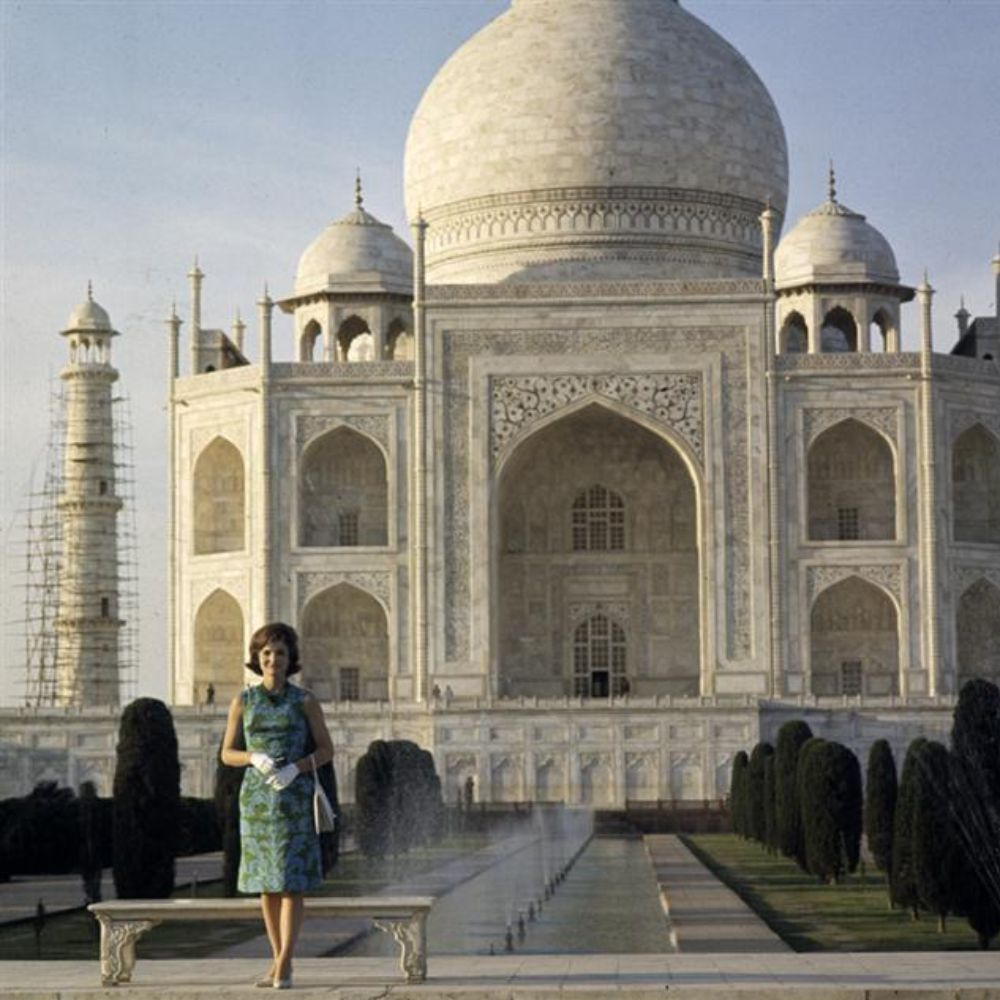
With her expertise in language, she became a popular cultural ambassador of the United States. Jackie and her sister Lee traveled to India, and an enamored Soviet Premier Nikita Khrushchev sent her a puppy.
JFK’s Affairs
JFK is reputed to have had many affairs — including with Washington Post editor Ben Bradlee’s sister-in-law, Mary Pinchot Meyer, and Judith Exner, who was a conduit between him and mobster Sam Giancana.
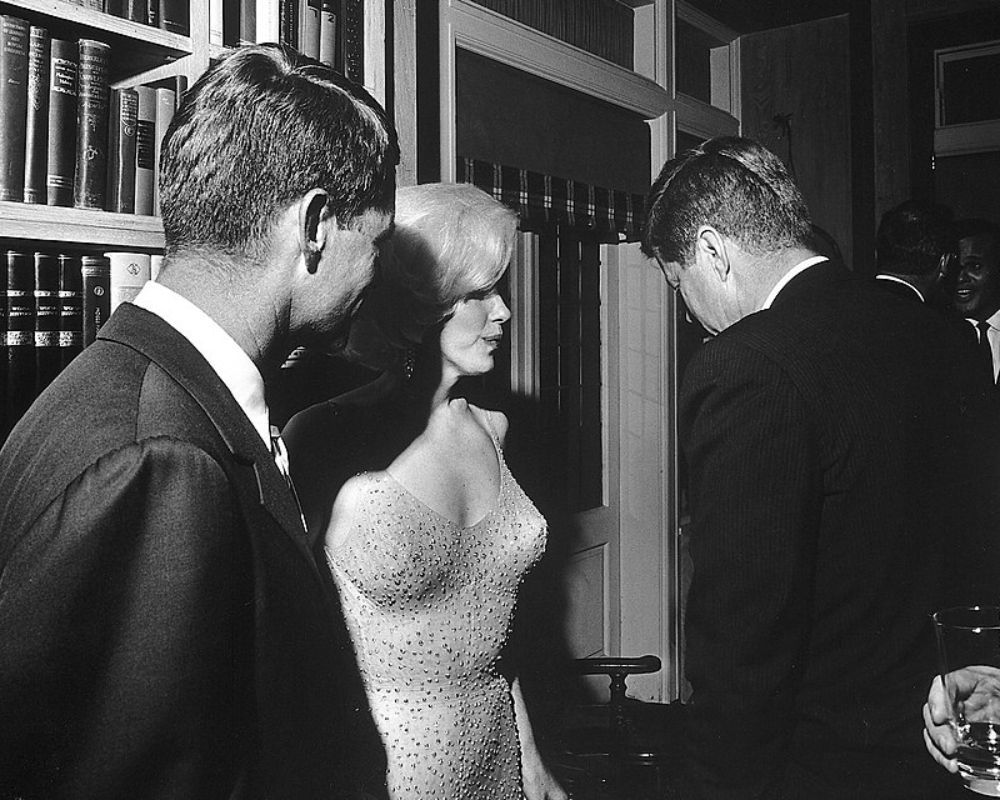
He also’s alleged to have slept with White House Press Office Secretary Jill Cowan, his secretary Evelyn Lincoln’s assistant Priscilla Wear, and White House intern Mimi Alford in 1962. But when Marilyn Monroe famously sang “Happy Birthday, Mr. President,” it came out that JFK (and perhaps RFK) had affairs with the world’s most famous actress.
Popular President
JFK delivered his promise of uniting a booming America and ushering in the Space Race. As such, he was the most popular president ever. Wherever he and Jackie went, they were met by thousands of cheering fans. But inside the White House, trouble was brewing.
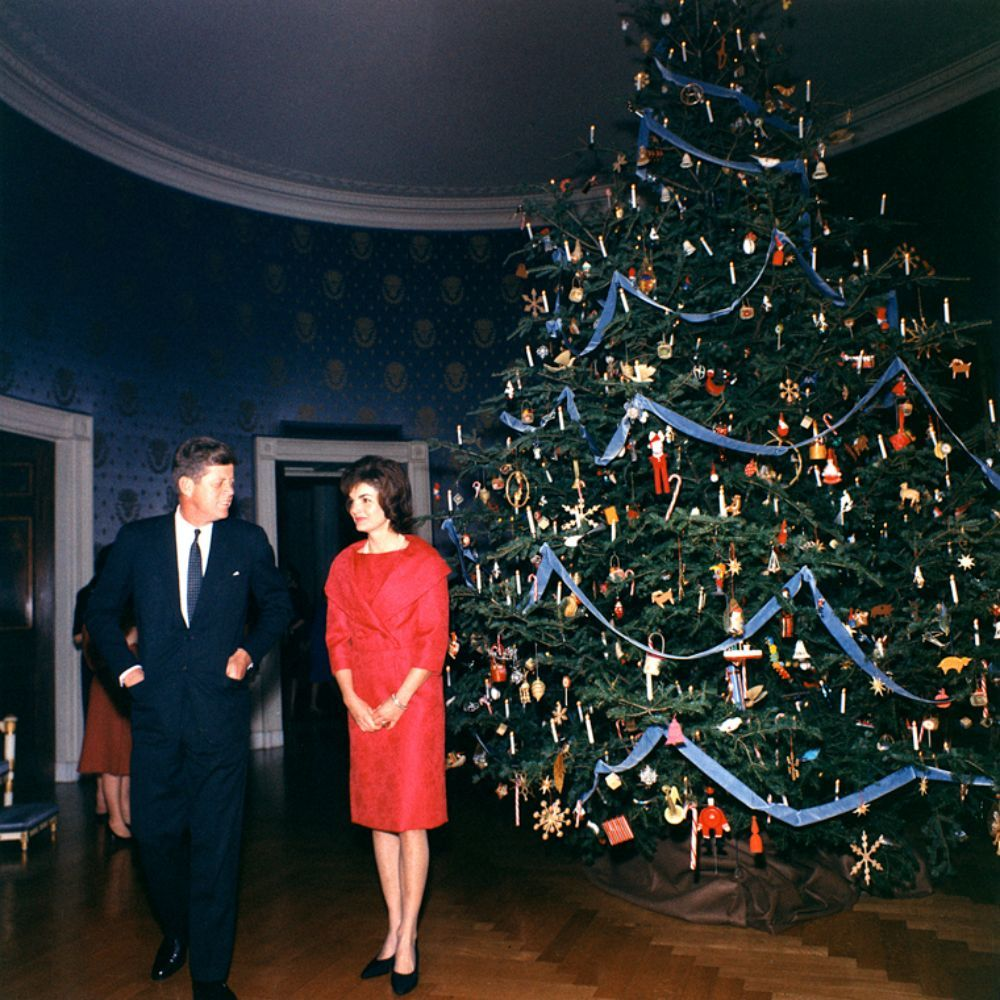
When Jackie found out about Jack’s affair with Marilyn Monroe, it was the last straw, and she threatened to leave him. However, in early 1963, Jackie fell pregnant again and had to curtail her involvement in her husband’s campaign to be re-elected the following year.
Patrick Bouvier Kennedy
Jackie spent the summer of ’63 at their rented home on Squaw Island, near the Kennedy compound on Cape Cod, Massachusetts. On August 7th, she went into labor and gave birth to a boy, Patrick Bouvier Kennedy, via emergency Caesarean section at Otis Air Force Base.
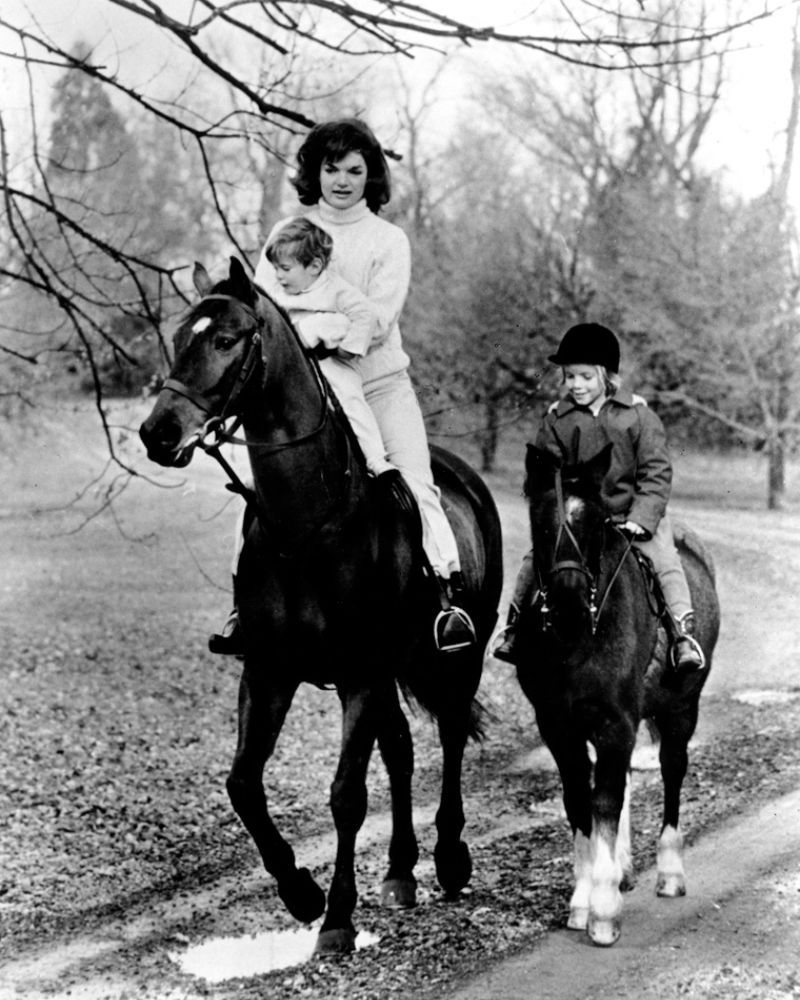
Tragically, baby Patrick’s lungs were not fully developed, and he was transferred from Cape Cod to Boston Children’s Hospital, where he lost his life two days after he was born. Understandably, Jackie fell into another deep depression.
A Shoulder to Cry On
Surprisingly, after his numerous affairs, their heartbreaking loss brought Jack and Jackie closer. Historian Arthur Schlesinger wrote their marriage “never seemed more solid than in the later months of 1963”. Jackie visited her friend, Greek shipping magnate Aristotle Onassis, on his yacht in the Mediterranean to recuperate.
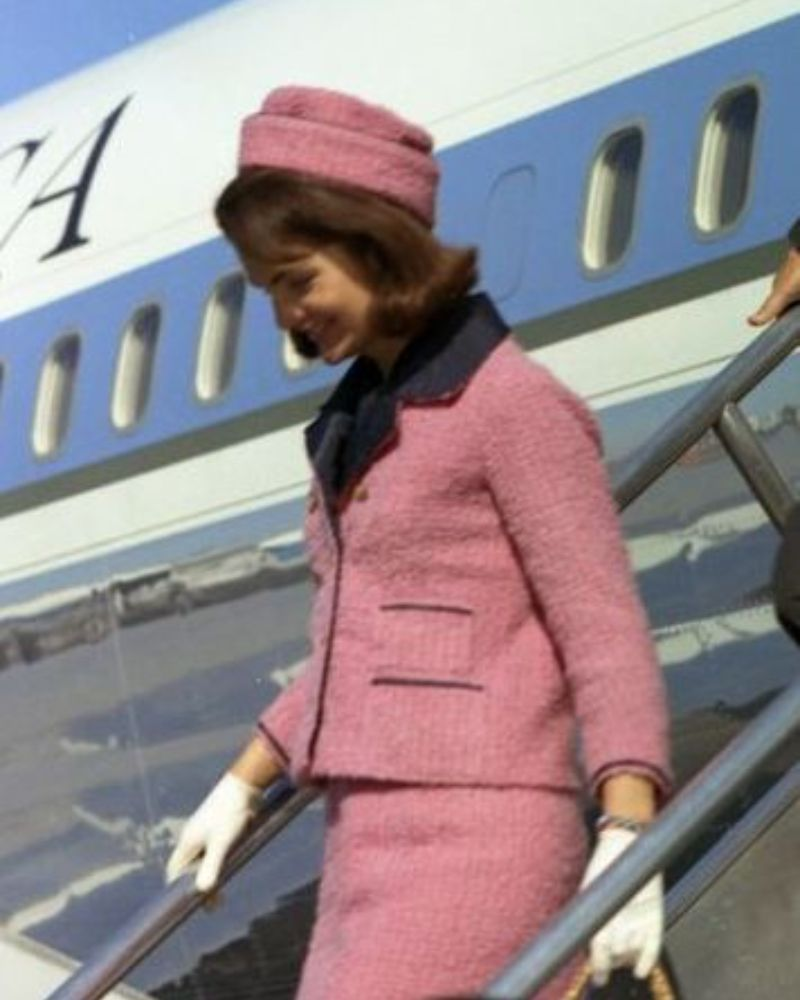
At first, JFK disapproved, but he eventually relented, saying it would be good for her. She returned to the USA on October 17th, 1963, saying she regretted being away so long but had been “melancholy” after losing her baby.
JFK’s Assassination
On November 22nd, 1963, JFK and Jackie traveled across Dallas in an open-top motorcade. At 12:30 pm, three shots rang out around Dealey Plaza. One bullet struck the President in the head. Jackie climbed onto the back of the limousine, but Secret Service agent Clint Hill leaped onto the car and directed the First Lady back to her seat.
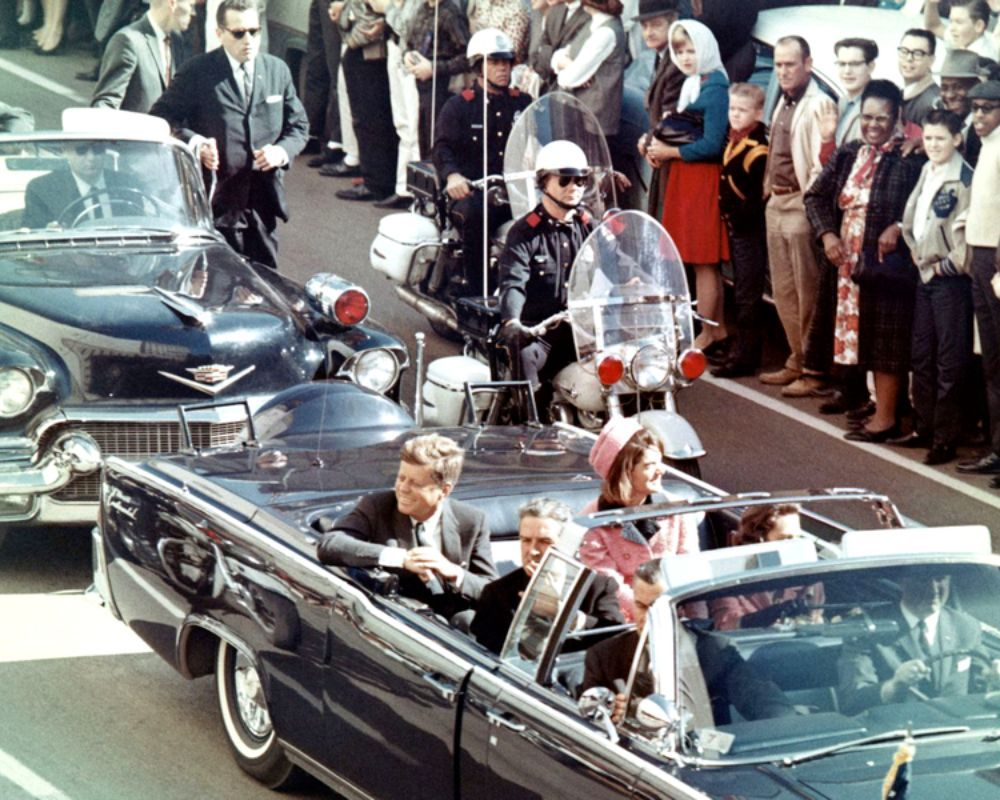
The motorcade sped off to Parkland Hospital, but at 1:00 pm, doctors announced that President John Fitzgerald Kennedy, leader of the free world, had been assassinated.