Old Hollywood wasn’t just about glamour – it came with some pretty dramatic moments at awards ceremonies, too! From unexpected snubs to imposters claiming the statuette, the Golden Age of Hollywood had it all! Want to know who declined an Oscar? Or which speech made history? Keep reading to discover some of the most jaw-dropping Oscar moments that prove the Golden Age was anything but boring! You might just be surprised.
That Time Joan Crawford Did Everything She Could to Sabotage Bette Davis’s Oscar Nomination
The rivalry between Golden Age actresses Bette Davis and Joan Crawford was messy, and it got even messier in 1962 when the pair starred in What Ever Happened to Baby Jane. Their off-screen tension made headlines, but the drama didn’t stop there. The next year, Bette was nominated for an Oscar, but Joan wasn’t. Furious, Joan did everything she could to make sure Bette didn’t win, campaigning against her and even arranging to accept the award for any absent nominee – just in case.
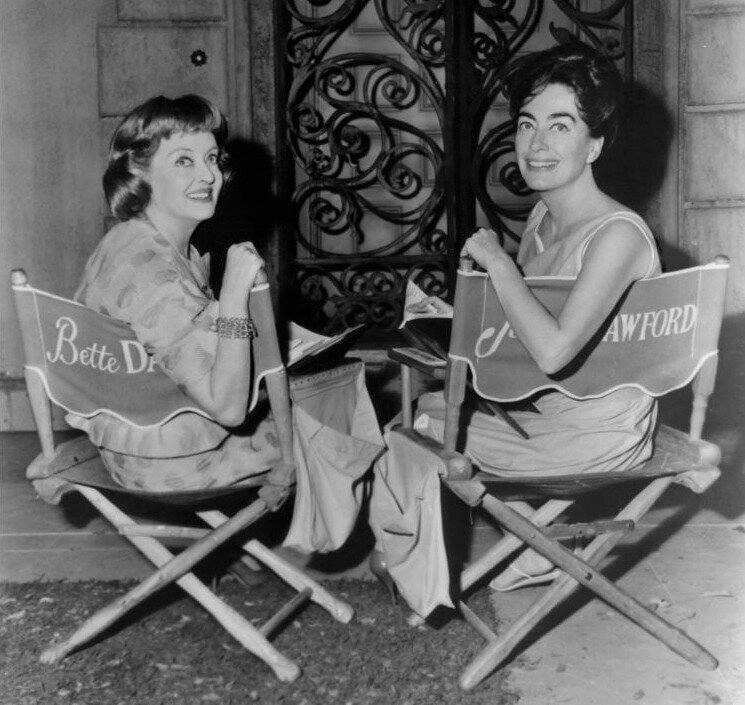
When Anne Bancroft won the award for Best Actress but couldn’t attend, Joan proudly walked on stage to accept the Oscar, stealing the spotlight from Bette. The feud had ultimately reached legendary status.
In 1957, the Academy Foolishly Awarded “Best Story” to Someone Who Didn’t Actually Exist
In a strange Oscar mystery, the 1957 Academy Awards named “Robert Rich” as the winner for Best Story. But there was a catch – no one knew who he was! Producers claimed he was a former soldier they met in Germany, but they had lost contact. Life magazine even published a sketch based on their description, but the truth was far more dramatic – Robert Rich didn’t exist. The name was a cover for Dalton Trumbo, a brilliant screenwriter who had been blacklisted in Hollywood for refusing to answer questions about communism.
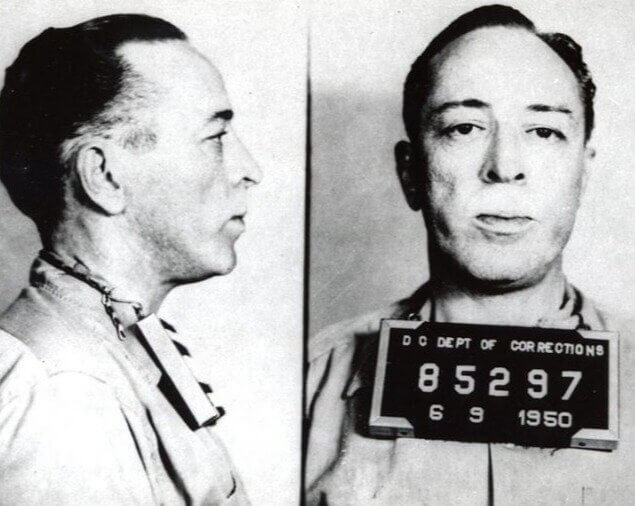
Trumbo used the situation to further embarrass the Academy and protest his blacklisting. His final nail in the coffin? He wrote a poem about the missing “Robert Rich” and sent it to Life magazine. Brilliant!
That Time Margaret O-Brien’s Oscar Statuette Went Missing for 50 Years
Child actress Margaret O’Brien won the Outstanding Child Actress award in 1944 at the age of just seven years old. But, her Oscar statuette soon disappeared after her family’s maid took it home to polish but never brought it back. For years, Margaret hoped to find it, but it seemed lost forever. Decades later, the maid’s children found the Oscar and, believing it to be fake, sold it to an antique dealer.
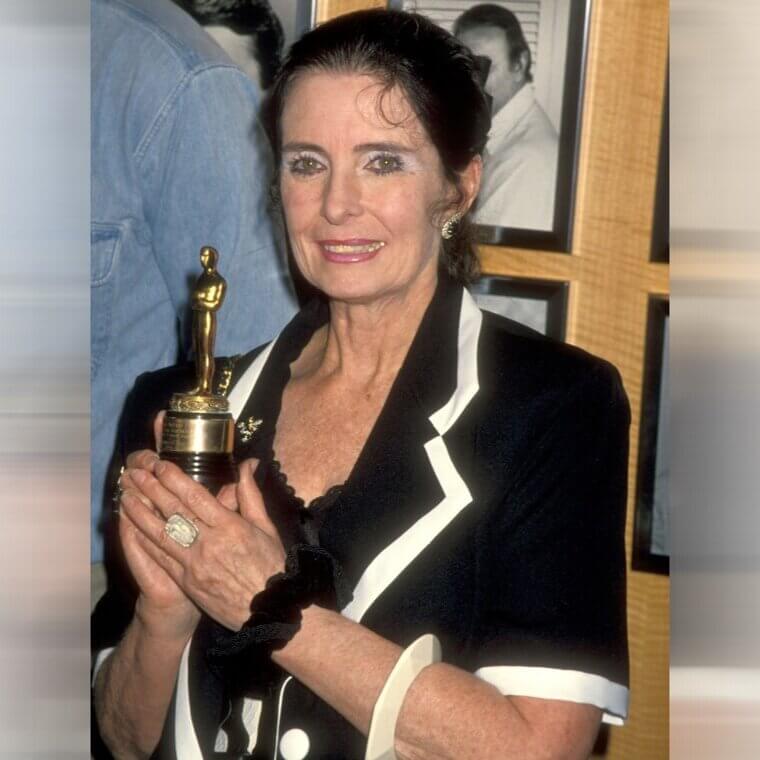
Just as it was about to be auctioned, the Academy stepped in, enforcing its rule that Oscars could not be sold. In 1995, it was returned to Margaret. Later, she joked that she was one of the few people to be awarded the same Oscar twice.
How Elizabeth Taylor’s Real-Life Affair With Eddie Fisher Led Her to an Oscar Win
After losing husband, Mike Todd, in a plane crash, Elizabeth Taylor sought comfort in the arms of Eddie Fisher. But, there was a catch – Eddie was the husband of her long-time friend Debbie Reynolds. When Eddie divorced Debbie for Liz, the public turned on Elizabeth, calling her a homewrecker. The media attacked her, and MGM used the scandal to promote Butterfield 8, a movie she never wanted to make. She was forced to play the role of a bad girl to complete her contract with them.
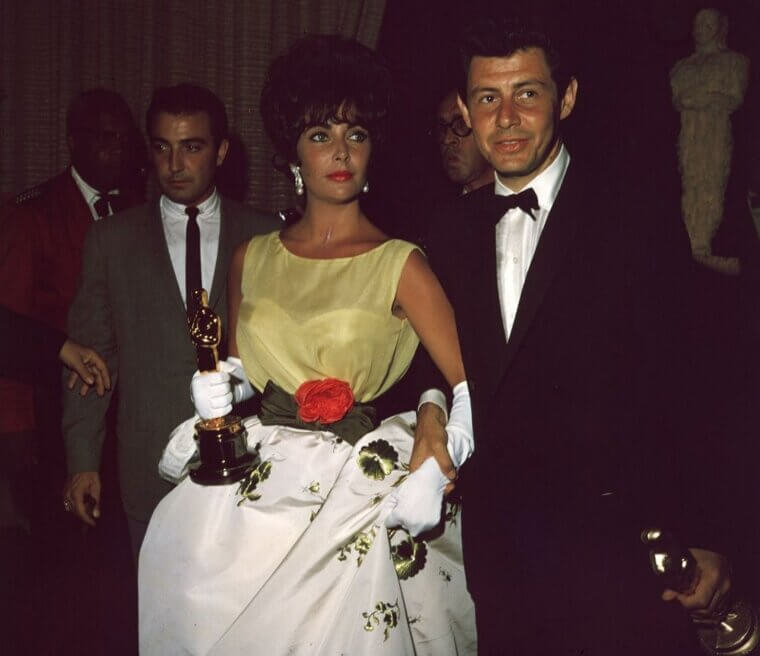
Despite her frustration, the role earned her an Oscar in 1961. Just before the ceremony, Elizabeth fell ill and needed emergency surgery to survive pneumonia. She made it to the Oscars, still recovering.
Unions Almost Killed the Academy Awards in the 1930s
The Academy of Motion Picture Arts and Sciences was created in 1927 as a way to bring Hollywood together. But in the 1930s, when labour unions like the Screen Actors Guild and Screen Writers Guild formed, they saw the Academy as a threat, pushing their members to boycott the Oscars and quit the Academy. This nearly caused its collapse. To save it, director Frank Capra made a big change, announcing the Academy would no longer handle disputes or negotiations.
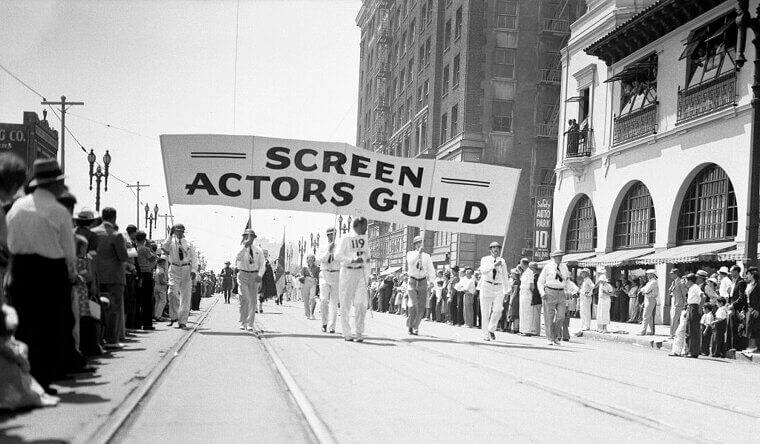
The Academy survived by stepping back from labor issues. Its main job was to host the Oscars, which made it the award-giving institution we know today.
Alice Brady’s Oscar Was Stolen From Her on the Academy Awards Stage, in Front of an Unsuspecting Audience
In 1938, actress Alice Brady won Best Supporting Actress, but she couldn’t attend the Oscars because she was recovering from a broken ankle. Come awards night, a stranger walked on stage, accepted the award on Brady’s behalf, and just disappeared with it. For many years people believed the Oscar had been stolen. That is until PhD student Olivia Rutigliano started digging. She reached out to the Academy, who revealed that the case had been solved.
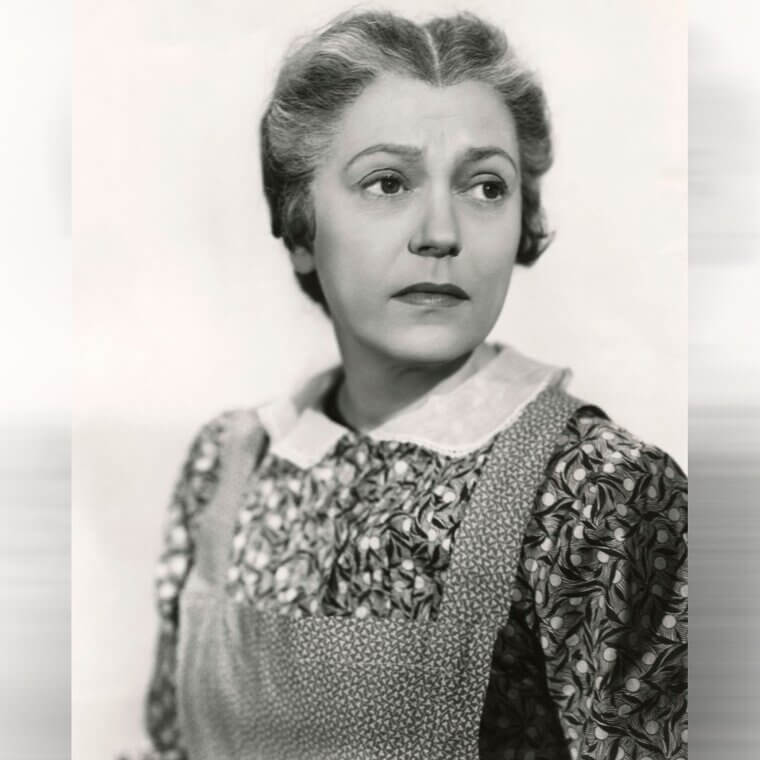
They did not, however, share these details publicly, which leaves the case of the missing Oscar just that – a mystery. Olivia never did uncover what really happened, leaving Hollywood with one of its strangest awards-night legends.
Hattie McDaniel Was the First Black Woman to Win an Oscar – But Segregation Laws Made It a Not-So-Pleasant Experience
In 1940, Hattie McDaniel became the first Black woman to win an Oscar for her role as the beloved Mammy in Gone with the Wind. However, accepting her award seemed like a feat, as segregation laws required her to get special permission to attend the ceremony at the prestigious Ambassador Hotel. After walking the red carpet, Hattie was forced to sit at the back of the room, away from her co-stars.
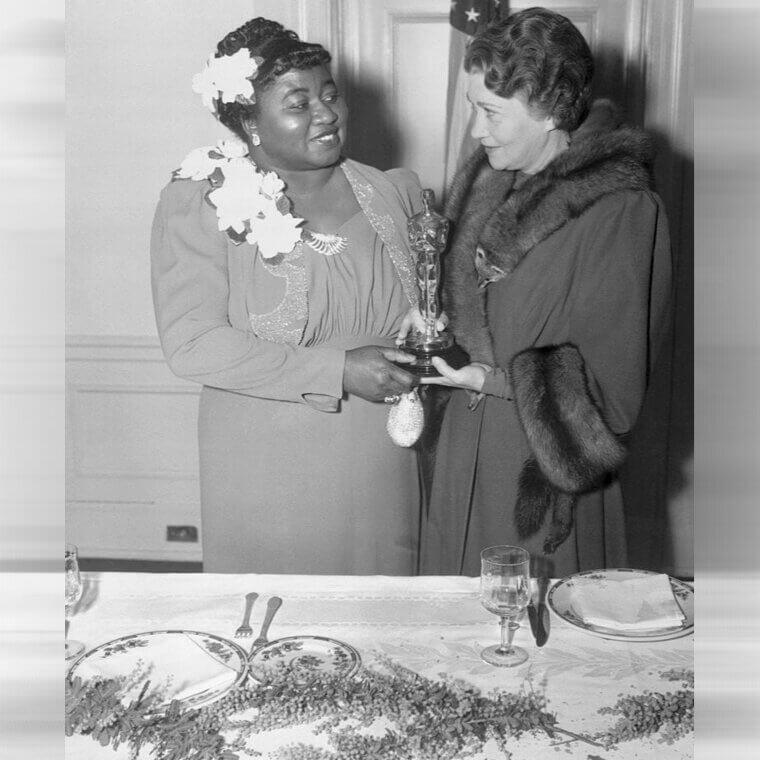
McDaniel made history that night, winning the Oscar. In her speech, she said, “I sincerely hope that I shall always be a credit to my race and the motion picture industry.” We think we can all agree that she was!
The Ultimate Sibling Feud: When Two Sisters Were Both Nominated for “Best Actress”
Sisters Olivia de Havilland and Joan Fontaine’s rivalry started early, going back all the way to Joan’s birth. And in 1942, when both sisters were nominated for Best Actress, the press had a field day, calling it the “Battle of the Sisters.” Joan, who wasn’t as famous as her sister at the time, won the Oscar and was so scared she imagined Olivia leaping across the table to grab her hair at the awards.
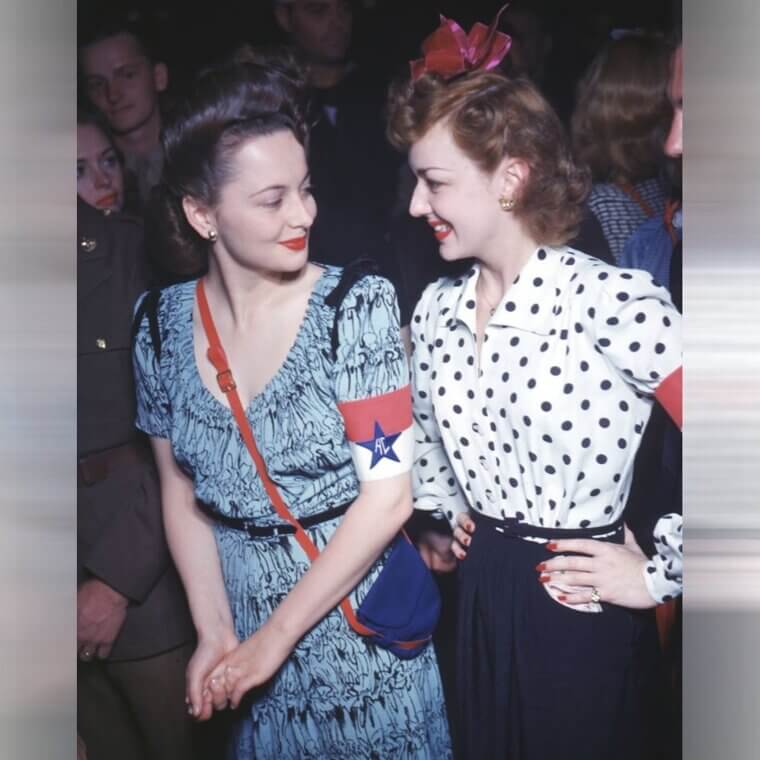
In Joan’s 1978 memoir No Bed of Roses, she described how her win made her feel like a child again facing the wrath of her sister Olivia. The tension from her childhood was so intense that it flooded back in her adult years.
Dudley Nichols Rejected His Oscar and Mailed It Back to the Academy – Twice
It’s not every day you hear someone rejecting an Oscar award. But in 1936, that’s exactly what screenwriter Dudley Nicholds did when he won the award for The Informant. Nichols was one of the founding members of the Screen Writers’ Guild, which had been formed in response to the Academy’s refusal to support independent unions. He even returned the award twice when the Academy tried to mail it to him. Talk about being dead set on something!
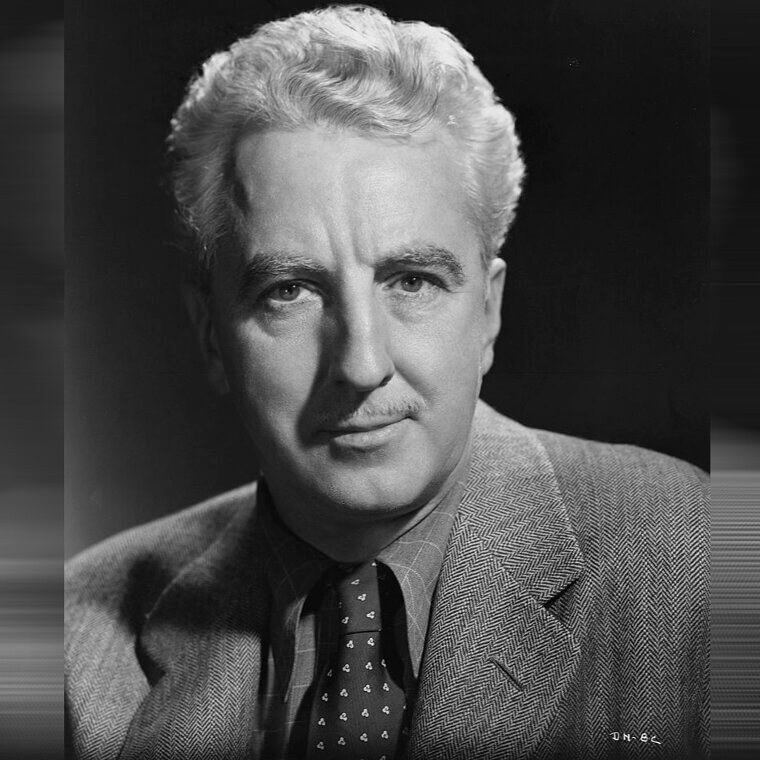
In a letter to the Academy, Nichols explained that he couldn’t accept the award without turning his back on his fellow guild members and stood firm on his principles of wanting better labor rights for actors. Well done, Dudley!
Chill Wills’ Cunning (and Failed) Campaign for an Oscar
In 1960, actor Chill Wills was nominated for Best Supporting Actor. To boost his chances of winning, he came up with a cunning plan and hired publicist W.S. Wojciechowicz to run ads listing every Academy member Chill had voted for, along with a personal message saying, “Win, lose, or draw, you’re all my cousins, and I love you all.” His plan worked, and the campaign quickly caught the attention of others. Groucho Marx responded with his own ad, saying he was delighted to be Wills’ cousin but that he had voted for Sal Mineo.

Despite the creative campaign, Chill lost the Oscar. But that didn’t stop Bob Hope poking fun at the situation come Oscar night by saying, “I didn’t know there was any campaign until I saw my maid wearing a Chill Wills button.” Hilarious!
The Biggest Snub in Oscar History: When Citizen Kane Didn’t Win
In 1942, Citizen Kane, often called the “greatest film of all time,” shocked audiences by losing the Oscar for Best Picture to How Green Was My Valley. This upset is still considered one of the biggest snubs in Oscar history. Despite being nominated for nine categories, the film only won one award: Best Original Screenplay. The other eight nominations all resulted in losses, making its lack of recognition at the Oscars a topic of discussion for years.
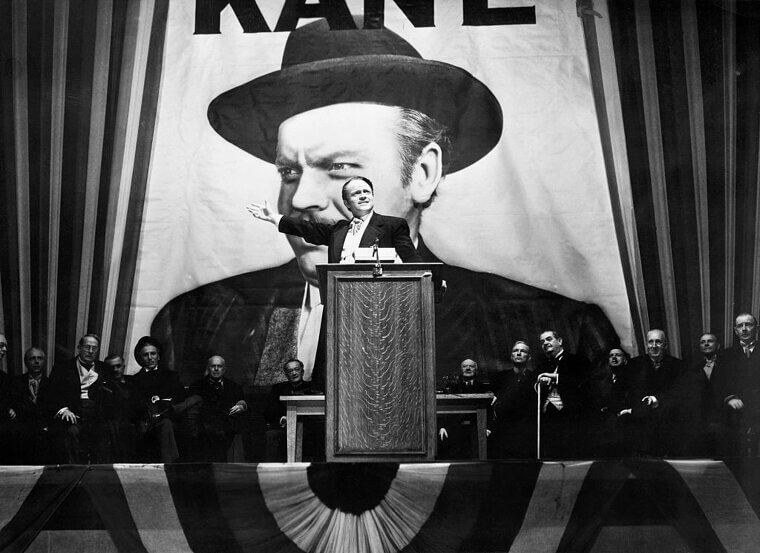
To this day, Citizen Kane remains a symbol of how the Oscars can surprise you with a single win amid multiple losses. What did you think of the film?
Katharine Hepburn Won Four Best Actress Oscars but She Boycott the Event and Never Accepted Them
Katharine Hepburn made history by winning four Best Actress Oscars, a record that still stands today. But, she never attended the ceremonies to accept any of them. You see, Hepburn believed that awards didn’t matter much to her and that her true reward was the work itself. She is famously quoted as saying, “As for me, prizes are nothing.” It wasn’t until 1974 that she finally attended the Oscars, showing up in her gardening clothes.
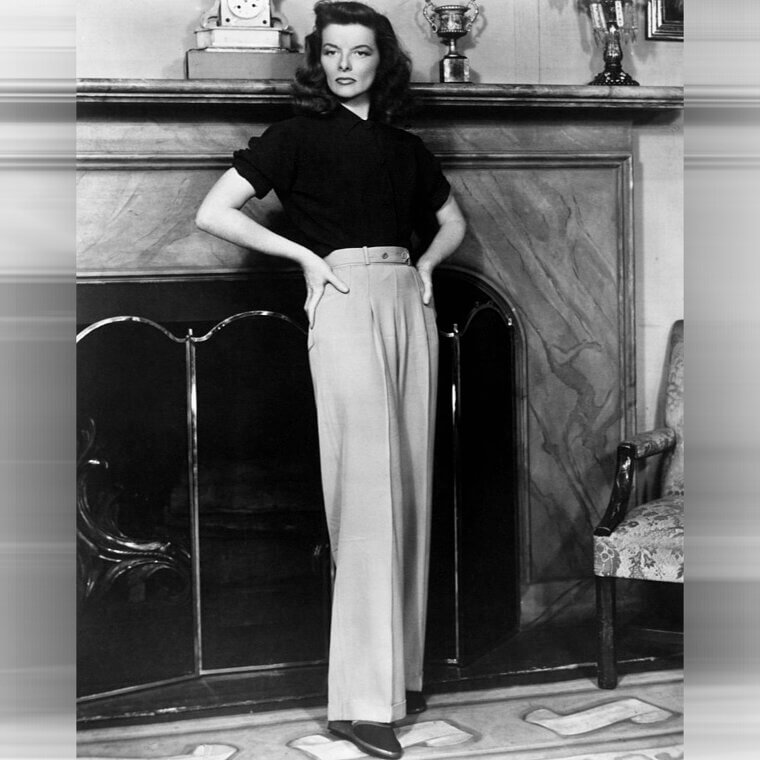
This laid-back approach to awards became a part of her iconic personality, proving that her focus was always on her craft rather than the recognition she gained from it.
When Mary Pickford Bribed the Academy Judges to Win Best Actress
Mary Pickford was nominated for Best Actress for her role in Coquette in 1930. But, the film wasn’t well-received by critics at all, leaving people wondering why she was nominated. To try to sway the judges, Pickford invited the five members of the Board of Judges to her estate, Pickfair, for tea. As a result, she won the Oscar. The scandal, of course, sparked outrage, with many accusing her of bribery. As a result, the Academy changed its voting system.
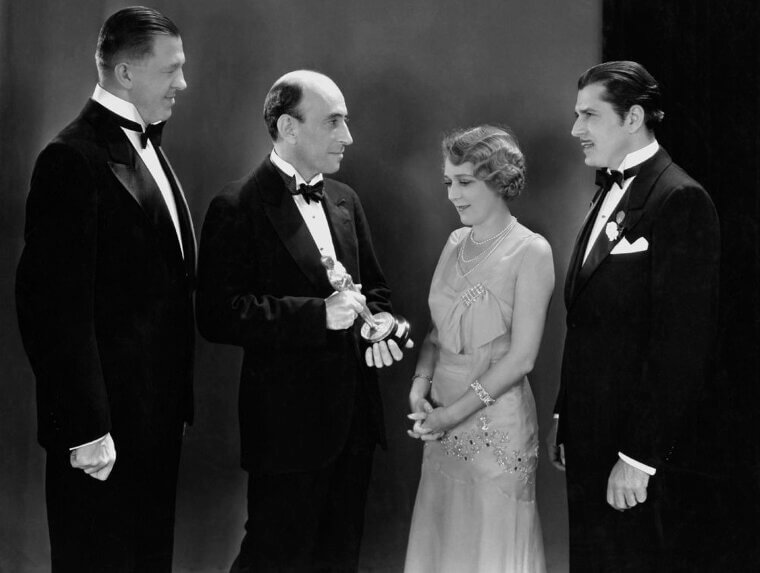
This new system allowed all members of the Academy to participate and helped restore trust in the Oscars by ensuring a fair process for choosing winners.
Bette Davis Didn’t Want to Attend the Oscars in 1936 but Her Studio Head Forced Her to
At the 1936 Oscars, Bette Davis was nominated for her role in Dangerous, but she had no interest in attending the awards. Her studio head at the time, Jack Warner, insisted she go to protest the formation of the Screen Actors Guild. In an act of defiance, Davis wore a simple black dress she had from an old costume. To make matters even worse, Davis’s co-star, Franchot Tone, brought his wife, Bette’s rival, Joan Crawford.
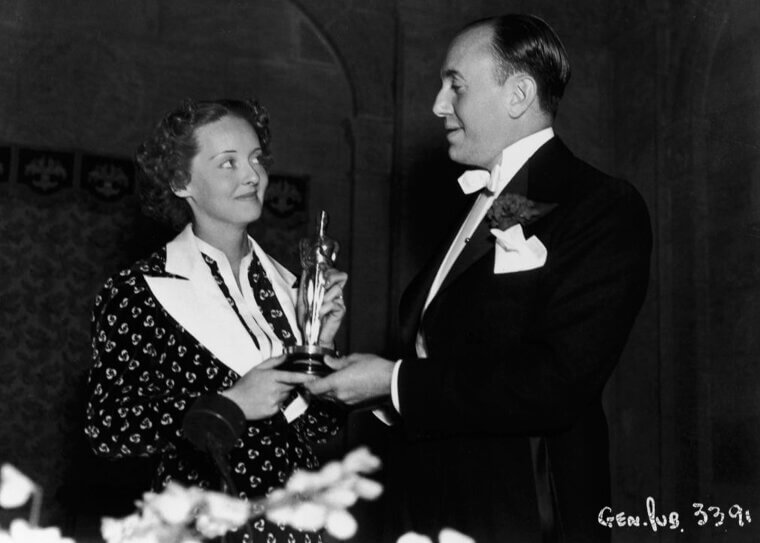
Bette Davis won the award despite her outfit, with Joan keeping her back turned to show her disdain for the display. Franchot, however, commented, “Dear Bette! What a lovely frock.” Gotta love that old Hollywood drama!
RKO Studios Tries to Pull a Fast One
In 1943, RKO Studios tried to boost the chances of its film Tender Comrade by holding sneak previews at two “Academy” theatres in California. Then, they ran ads to promote it, claiming, “Academy reactions: It’s the finest picture of the year.” Clever, but the real Academy wasn’t impressed with the film, and it ended up receiving no nominations despite RKO’s efforts to make it seem like a big deal and Oscar-worthy.
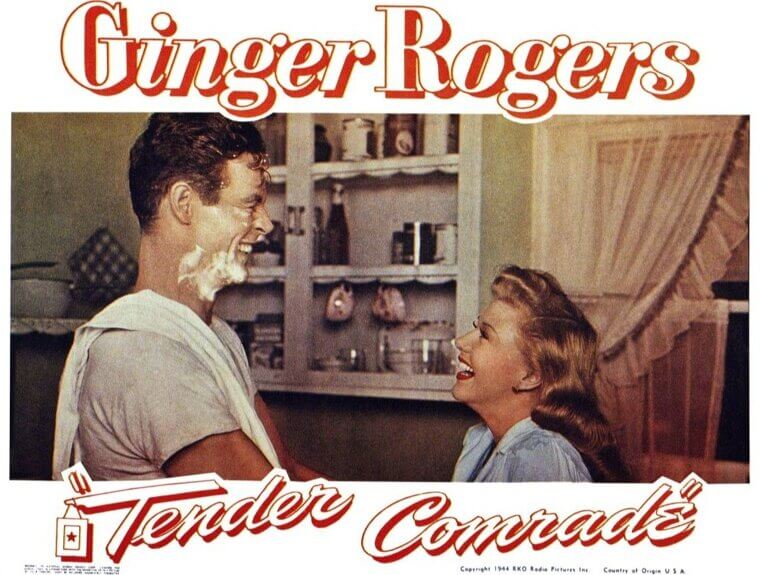
We salute RKO for its efforts and bold campaign but fully understand why the Academy was less than impressed and shut the film out of its nominations.
When Joan Crawford Accepted Her Oscar From the Comfort of Her Bed
Joan Crawford was determined to land the lead role in 1945’s Mildred Pierce, but the studio had already set its sights on Bette Davis. When Bette turned down the role, Joan seized the opportunity and convinced the studio to give her the part instead. This role would ultimately lead to Joan winning the Best Actress Oscar in 1946 – an award she accepted from her bed as she was too ill to attend in person.
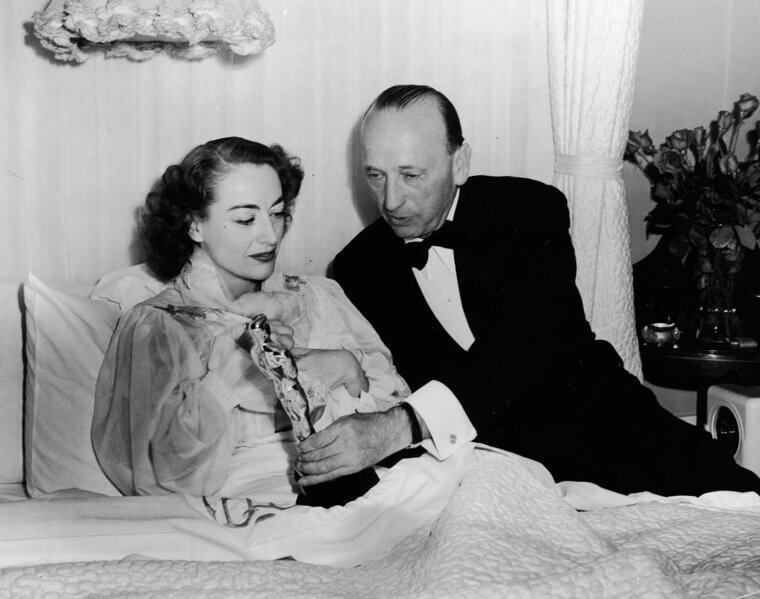
Jane later admitted that the nerves and tension she felt leading up to the Oscars played a big role in her illness, which made the win even more overwhelming for her.
In 1947, Olivia De Havilland Publicly Snubbed Her Sister Joan After Winning Her First Oscar
In 1947, when actress Olivia de Havilland finally won her first Oscar, her sister and rival Joan Fontaine stepped forward to congratulate her. But, to the surprise of onlookers and the press, Olivia stepped away from Fontaine, all but refusing her gesture. This cold moment is said to be rooted in their long-standing sibling rivalry, which started when they were only children. The strained relationship had for many years been a massive source of tension, and Olivia’s response to her sister only reflected this complicated bond.
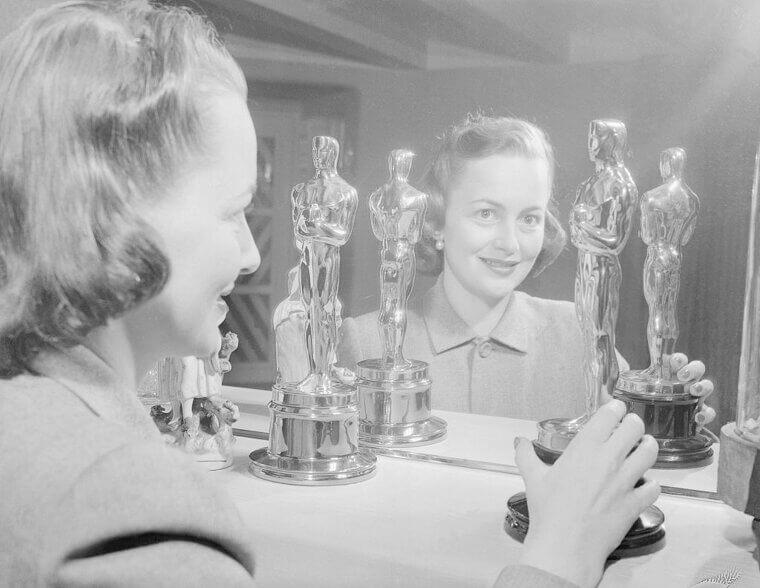
The awkward moment between Olivia and Joan was just another chapter in an ongoing sibling rivalry that had followed the sisters for years. Rumor has it that it never ended.
Greer Garson’s Record-Breaking Speech Lasted Almost Six Minutes
In 1943, Greer Garson made history at the Oscars with a record-breaking speech after winning Best Actress for her role in the award-winning film Mrs. Miniver. The speech lasted a whopping five minutes and 30 seconds – the longest ever at that time! Garson, who was known for her grace and elegance, used the platform to express her gratitude to the academy and to everyone who helped her with the role.
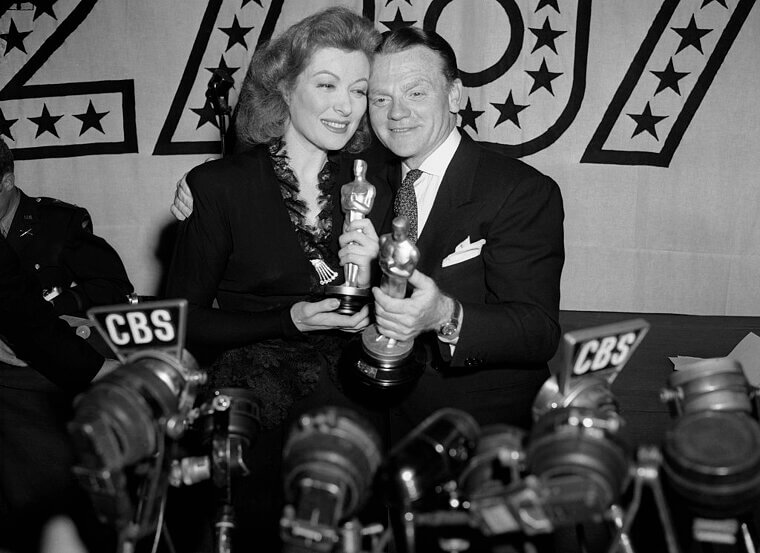
Her speech ultimately became a talking point and set a new benchmark for future winners, even though it was much longer than what was expected at that time. You go, Greer!
Alfred Hitchcock Holds the Record for the Shortest Oscar’s Speech Ever: “Thank You… Very Much”
From long acceptance speeches like that of Greer Garson in 1943 to Alfred Hitchcock’s short acceptance speech in 1968 for his honorary Oscar for outstanding contribution to film, you never really know what to accept at awards ceremonies. But, Alfred Hitchcock surprised everyone with his very brief acceptance speech rather than a long, emotional message. All he said was, “Thank you… Very much.” He then simply walked off stage.
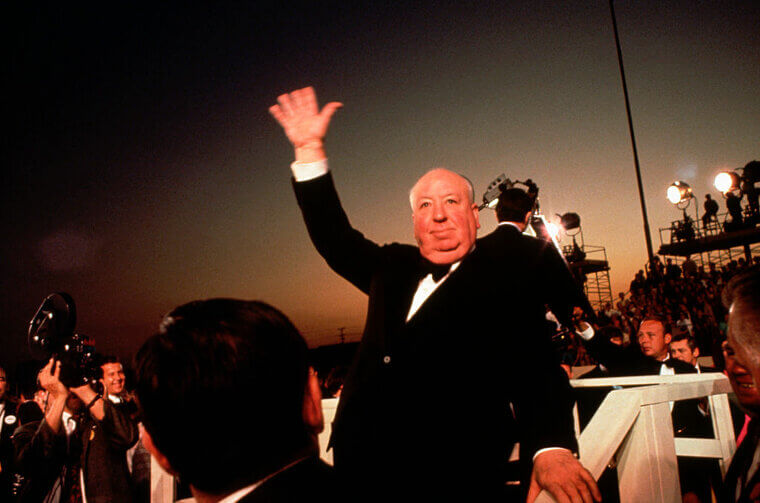
His short, to-the-point speech was typical of his very dry sense of humor, and the Psycho director left the audience both amused and impressed with his simplicity.