Have you ever wanted to hop in a time machine and travel back to see what the people you’ve only ever seen in art actually looked like? Well, a time machine might not be available yet, but thanks to the tech power of AI, we can now see what these historical figures might have looked like in real life! Check them out!
Sandro Botticelli
Alessandro di Mariano di Vanni Felipepi (what a mouthful), also known as Sandro Botticelli (ah, that’s better), was a renowned artist in the Italian Renaissance. Botticelli apparently means “little barrel” and was a nickname given to him thanks to his older brother’s roundness.
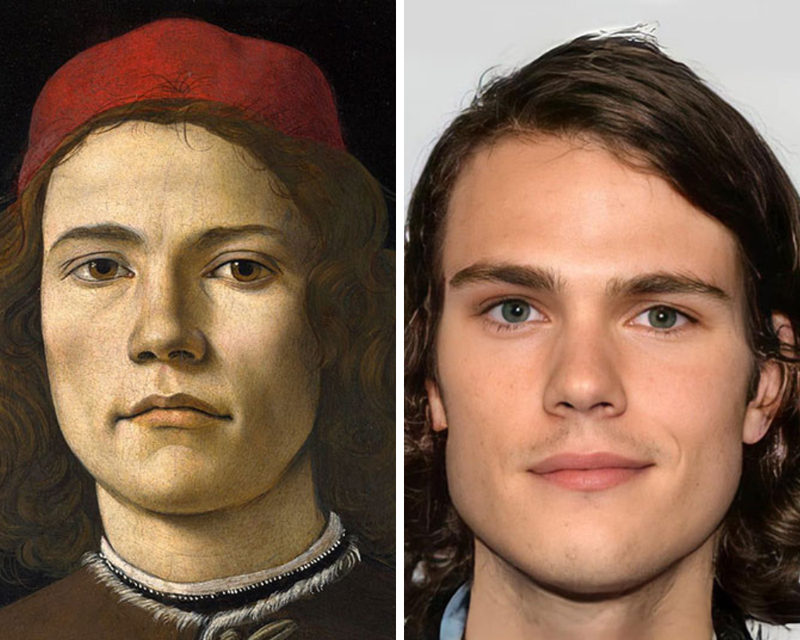
The artist is best known for his works “Primavera” and “The Birth of Venus” — you know, the one where you see a scantily clad Venus standing on a seashell, coming out of the sea. If he was alive today, we wonder if his Venus would have been inspired by a famous actress. Scarlett Johansson, maybe?
Henry VIII
“Divorced, Beheaded, Died, Divorced, Beheaded, Survived,” sing the children of Britain to remember the famous fates of each of Henry the Eighth’s six wives. Seriously, the biggest thing this dude is famous for is the number of weddings he had.
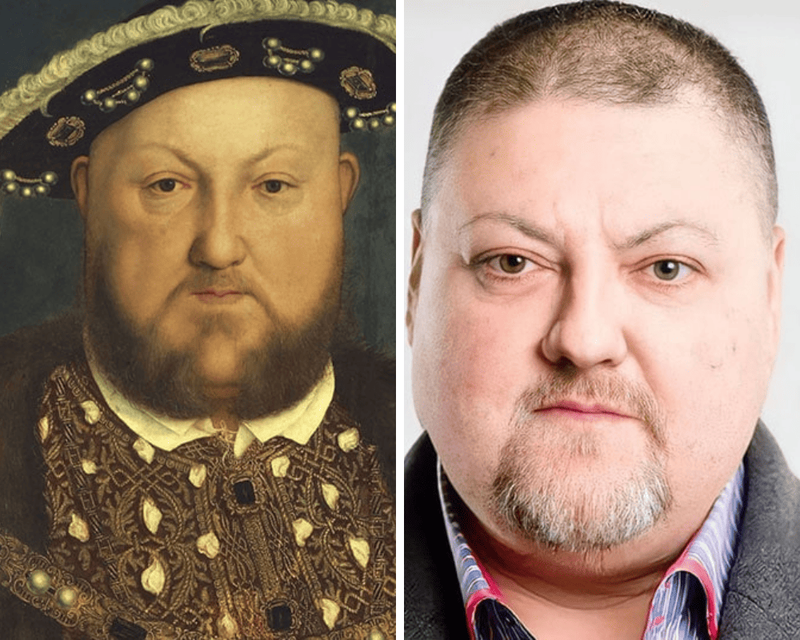
Okay, yeah, he did a bunch of other things. But one of the main ones was creating his own church, just so he could divorce his first wife and marry his second. At the time, he was considered attractive and educated. Now? He mostly reminds us of Robert Baratheon, the useless king from Game of Thrones.
Joan of Arc
Joan D’Arc (or “of Arc”) was a French young woman who, after being granted what she described as holy visions, went off to fight for her country. She was considered a symbol of faith and piety during her time. Although, after a failed battle, she was placed on trial for wearing men’s clothes and was judged to death.
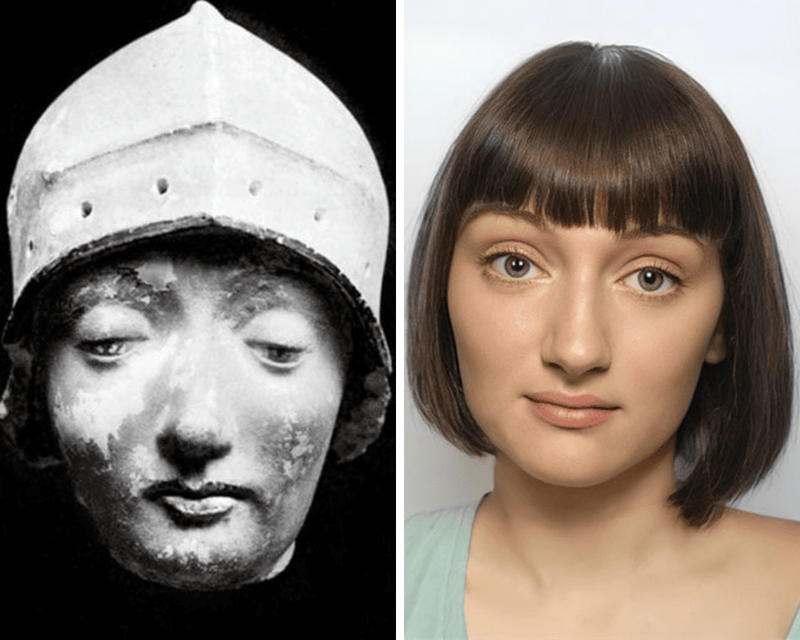
We have to admit, her modern recreation through AI doesn’t exactly scream chastity and purity. In fact, we’re getting some pretty sassy vibes from her. Which might totally have been there in the actual Joan — how do you explain her tenacity and unstoppable wish to fight for what’s right?
Isaac Newton
Looking at old portraits of this mathematician and scientist, we have to admit that we never considered him handsome (although his intellect was impressive and attractive to some). Seeing this modern recreation does change a few things, though.
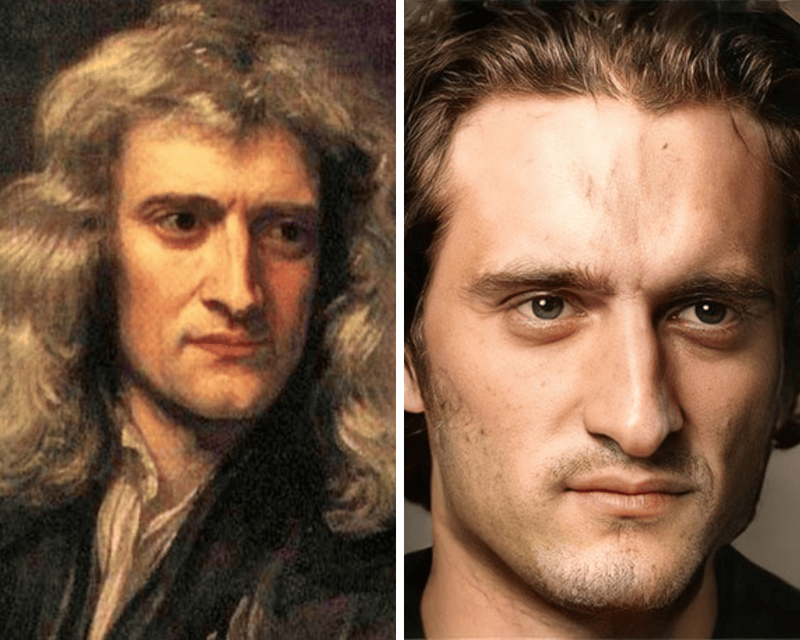
Just look at his chiseled features, like his chin and even nose! He might have been a genius when it came to understanding physics and all that, but we’re shocked that he ever felt an apple fall through that terrible wig (yes, we know the apple falling on his head is just a legend).
William Shakespeare
Our first instinct, when imagining the man who wrote such beautiful stories like Romeo and Juliet, is to dream up a tragically romantic character. But, thanks to AI, we know that the Bard probably looked like a pretty average Joe.
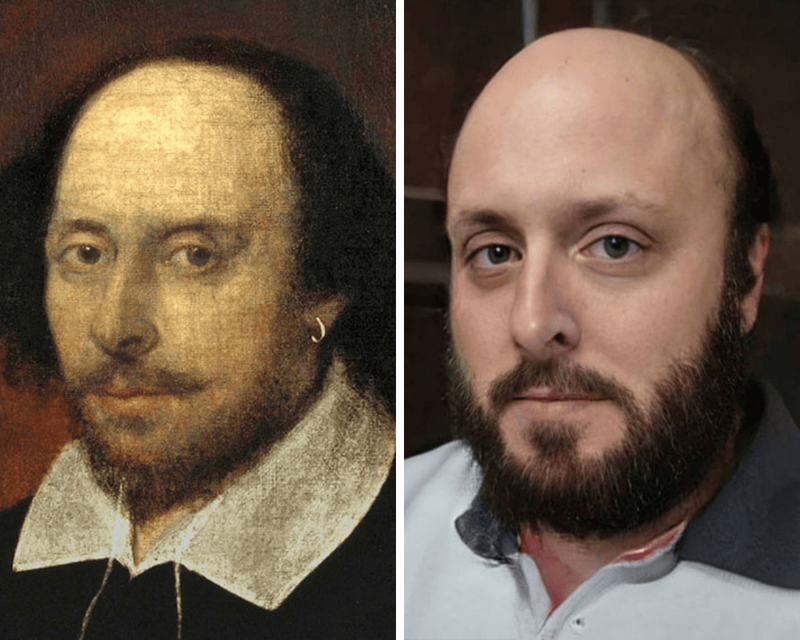
Looks can be deceiving, however, because William Shakespeare was responsible for about 39 plays and over 150 sonnets — full to the brim with beautifully enchanting lines. Shall we compare thee to a summer’s day? Maybe a fall day works better for this talented guy.
Queen Nefertiti
The bust of Nefertiti (the statue of her head) has been one of the most copied works of art from Ancient Egypt, and it’s partly why this ancient queen became so famous. From what we know, Nefertiti lived between 1370-1330 BC and ruled Egypt alongside her husband, Pharaoh Akhenaten.
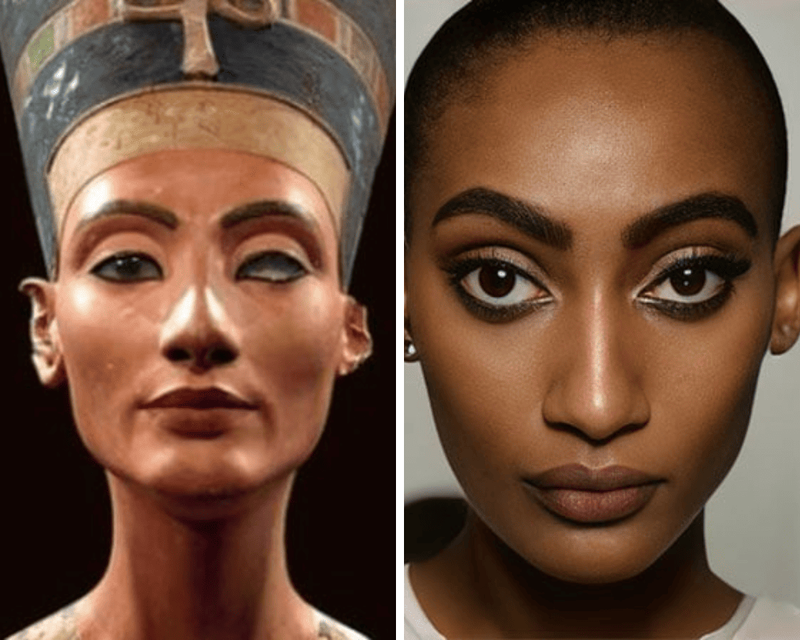
She and her husband were considered two of Egypt’s best rulers, ushering in an age of incredible prosperity and wealth to the kingdom. Thanks to her bust, she was also regarded as incredibly beautiful — which, thanks to AI, we can easily agree with.
Rembrandt
Living in the Dutch Republic in the 1600s, Rembrandt is considered one of the biggest Dutch masters of all time. During his artistic career, the artist created hundreds of paintings, etchings, and drawings.
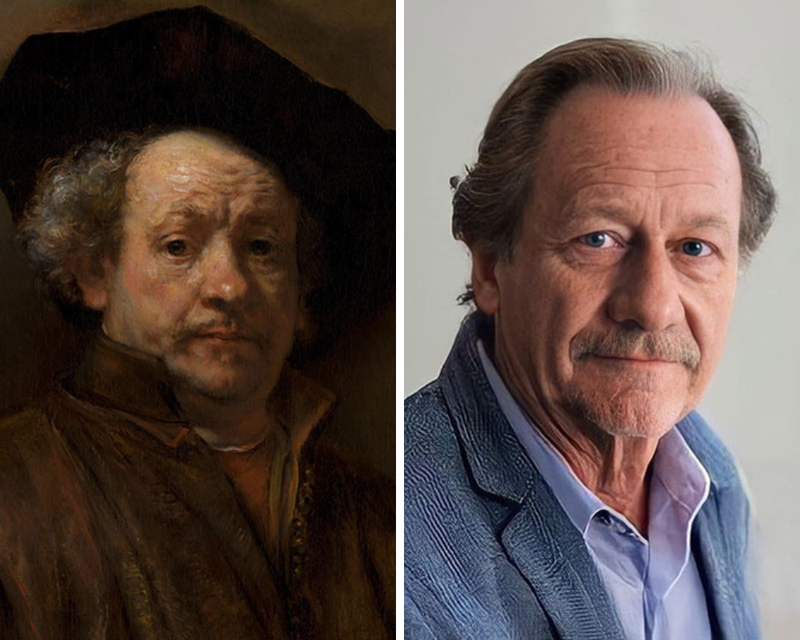
His early fame came thanks to his unique talent for creating portraits. However, over his career, he also drew all sorts of scenes, from landscapes to allegorical paintings. His modern-day portrait definitely brings across the warmth in his artistic eye.
Caesar Augustus
Caesar Augustus was Rome’s very first emperor and has been described as one of the greatest leaders in human history. Also known as Octavian, he ruled Rome from 27 BC to 14 AD, often relying on his military genius to strengthen the Roman Empire.
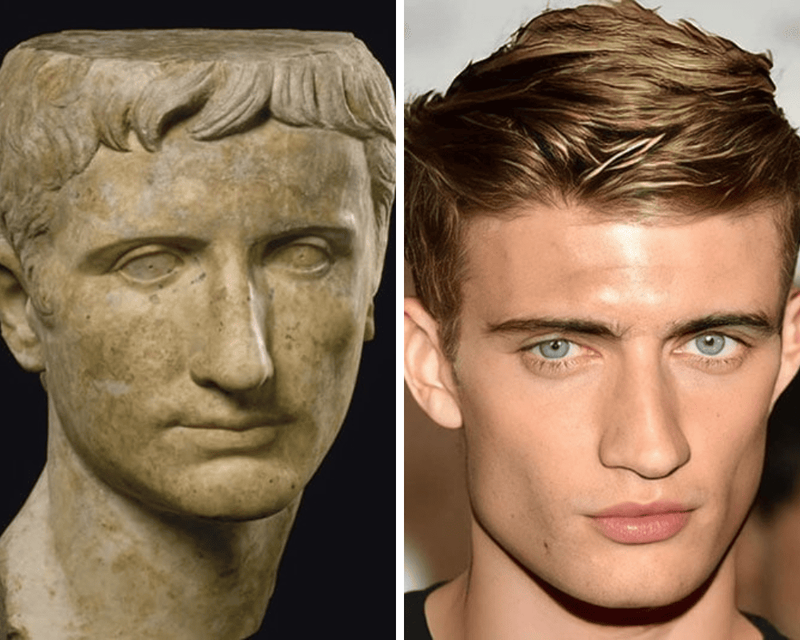
But, it wasn’t just his intellect that was sharp apparently — just look at those AI cheekbones and that imperial nose! If he was alive today, he might not capture rival nations, but he would likely capture hearts through the silver screen.
Caligula
From the year 37 to 41, it was Caligula who ruled the Roman Empire. Of course, he was more formally known as Gaius Caesar Augustus Germanicus, but being nicknamed “little boot” (aka Caligula) by his father’s soldiers stayed with him through his life.
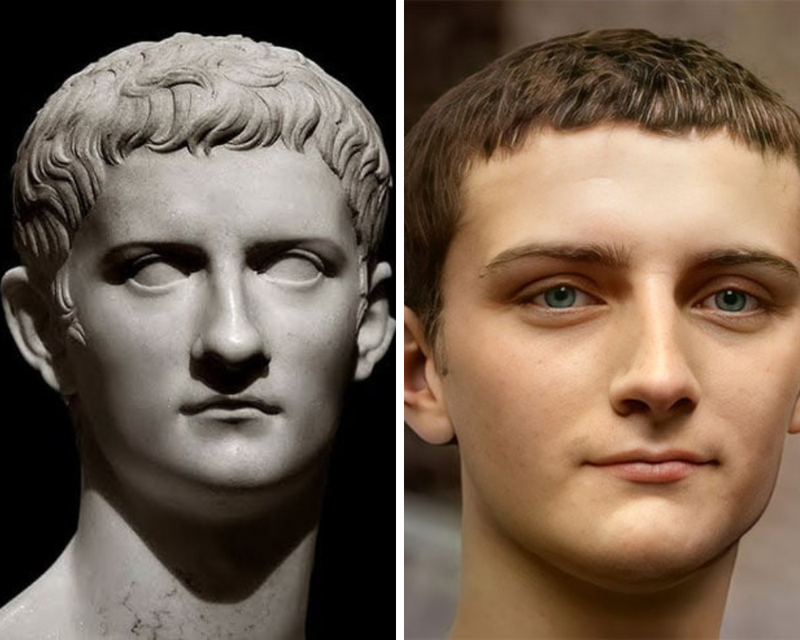
For the first six months of his reign, he was considered noble and moderate. After that, however, he became a cruel leader — an insane tyrant, some might say. We can certainly imagine that from his image. We wonder if it had anything to do with being called a small shoe…
Marie Antoinette
“Let them eat cake,” might be the quote most associated with Marie Antoinette, but we can assure you, she never said such a callous thing. She was, however, the last queen of France before the French Revolution and was married to King Louis XVI.
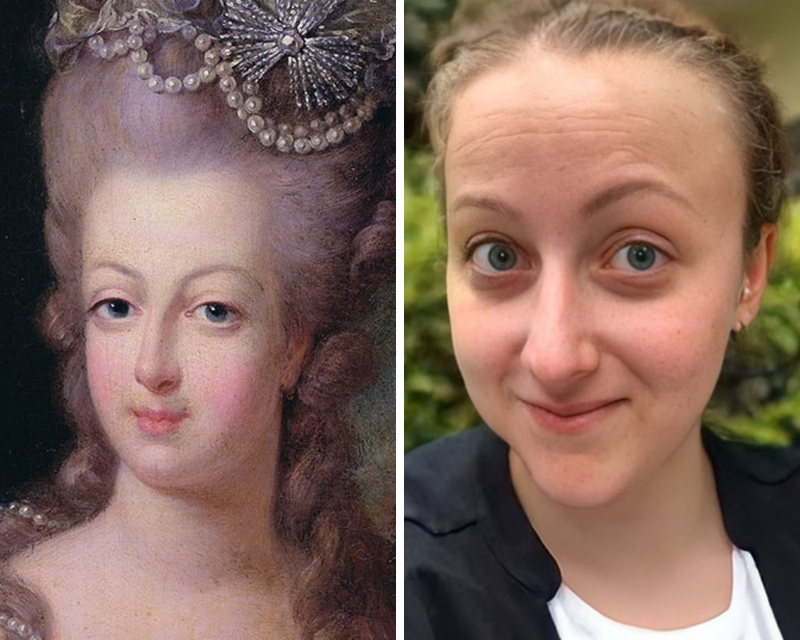
Despite what her most famous misquote might suggest, Marie was no airhead and often counseled her husband on matters regarding politics. There’s one thing we can definitely say about her AI look — she looks nothing like Kirsten Dunst.
Mona Lisa
The beautiful Mona Lisa by Leonardo da Vinci can safely be regarded as probably the most famous painting on the planet, and for a good reason — it’s beautiful, highly detailed, and incredibly alluring. And did you know that it’s based on a real woman?
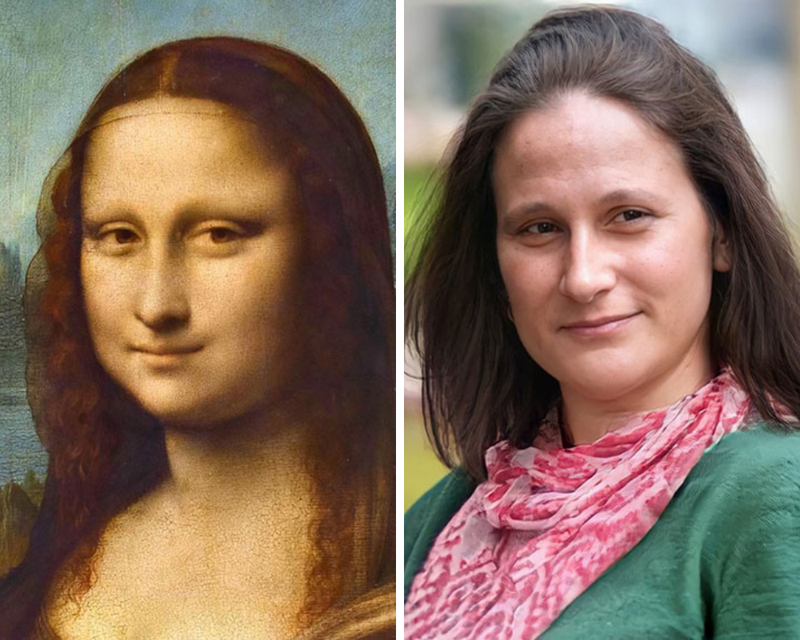
That’s right! The most famous portrait of all time is that of Lisa del Gicondo, an Italian noblewoman from Florence. The painting was apparently commissioned by her loving husband, Francesco di Bartolomeo. The AI rendition of Lisa is lovely, of course, although we’re not sure if it truly captures the painting’s allure.
Salah al-Din Yusuf ibn Ayyub (Saladin)
Moving from Europe to the Middle East, let’s take a look at this impressive leader — Salah al-Din (better known as Saladin) was the first Sultan of both Egypt and Syria. He established the Ayyubid realm that spanned from Egypt and Syria, all the way to Yemen and Nubia.
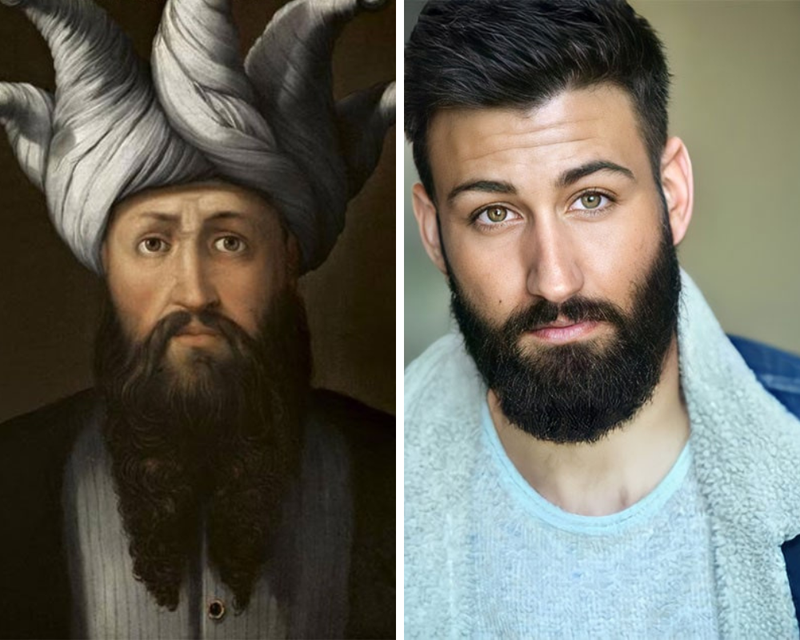
He’s considered the most famous Jurdish figure in history, especially after defeating the Crusaders in the areas under his control in the 1100s. While his historic portrait certainly shows his age and fortitude, his AI rendition just looks like a seriously handsome guy to us. We think the tech might be a bit off on this one.
Catherine the Great
As you may know, the iconic Catherine the Great overthrew her own husband, Peter III, to ensure that she became the seat of power in Russia between 1762 to 1796. During her long rule, she brought a resurgence of culture and science to the northern country.
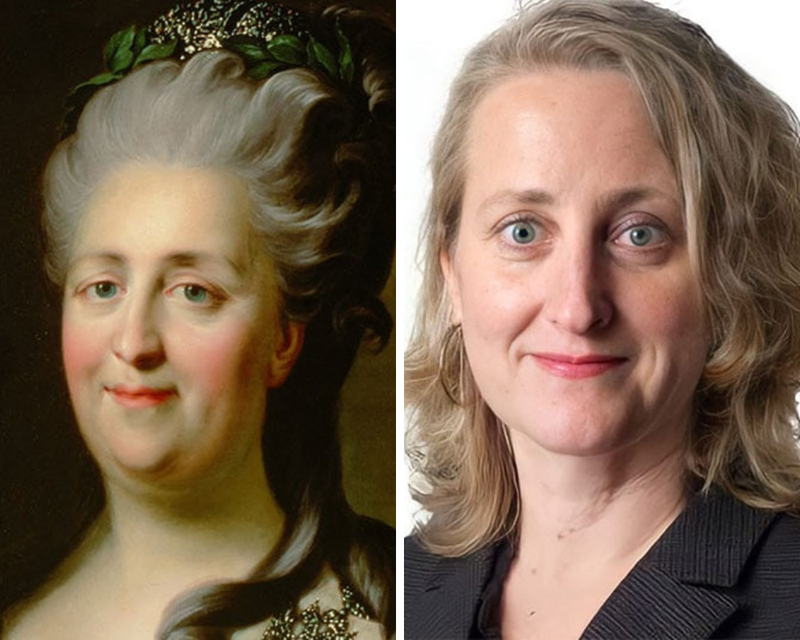
This was a woman who definitely knew how to surround herself with people who could help her, often relying on her noble friends and generals to govern effectively. If she were alive today, we have no doubt she would have become a key politician — maybe even a president or prime minister!
Johan Sebastian Bach
Who doesn’t love a bit of classical music? Without a doubt, one of the greatest composers of ethereal music has to be the German Johann Sebastian Bach. But, did you know he was orphaned at age 10 and lived with his brother?
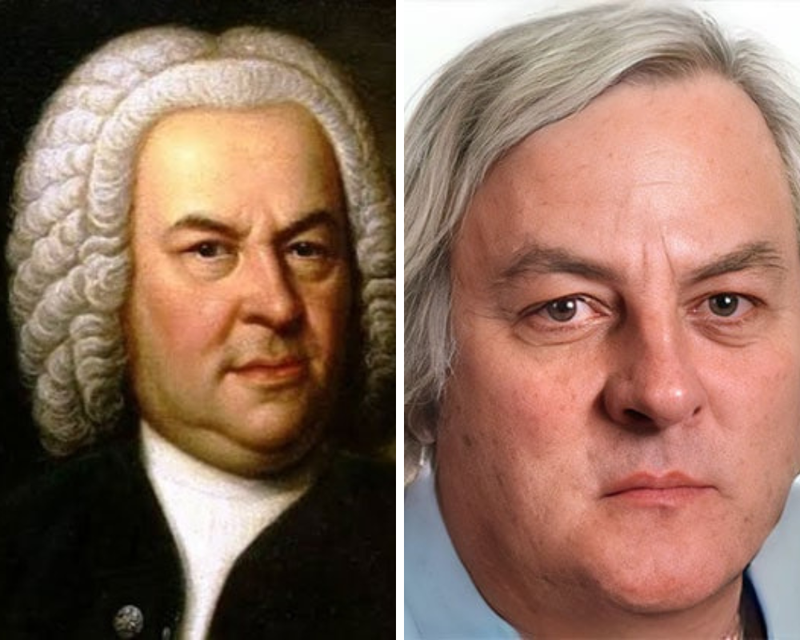
It sounds like humble beginnings, but apparently, the whole Bach family was something of a composing sensation (although Johann did become the most famous of them all). In his modern AI shot, we can definitely see him composing unforgettable movie soundtracks.
Queen Elizabeth I
Hearing the name Queen Elizabeth certainly invokes the recently departed queen of England. But long before her was Queen Elizabeth I, who was the daughter of Henry VIII — and his second wife, the equally famous, Anne Boleyn.
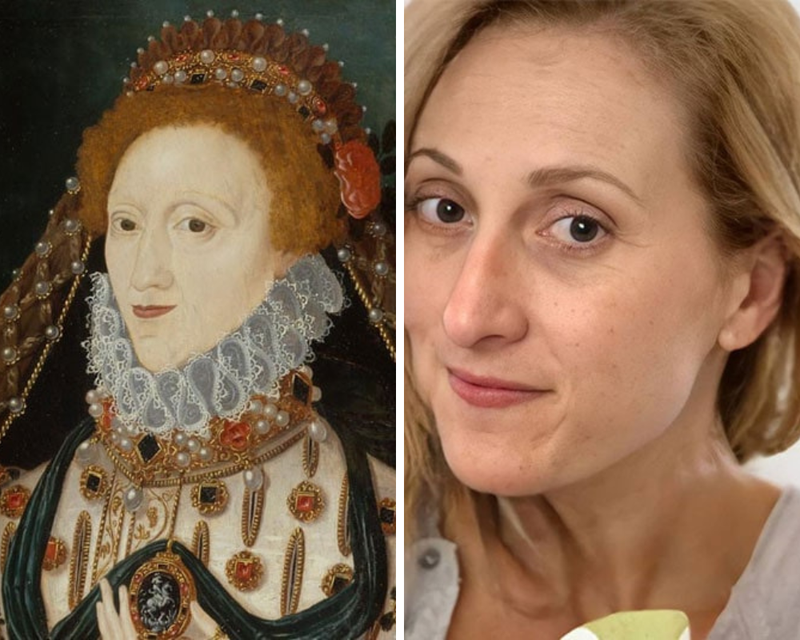
After quite a bit of drama surrounding who would ascend to the throne, Elizabeth finally rose to power in 1558, ruling the kingdom with the help of her trusted advisors. Under her rule, Britain flourished. Thanks to AI, we have no doubt that the kindness and wisdom in her eyes were part of what made her such a great queen.
Christina of Denmark
This woman might be lesser known to American readers, but Christina of Denmark was a Danish princess. She was famously married twice, with both earning her the Duchess title of first Miolan, then Lorraine. She was also given as a possible match to Henry VIII after the death of his third wife.
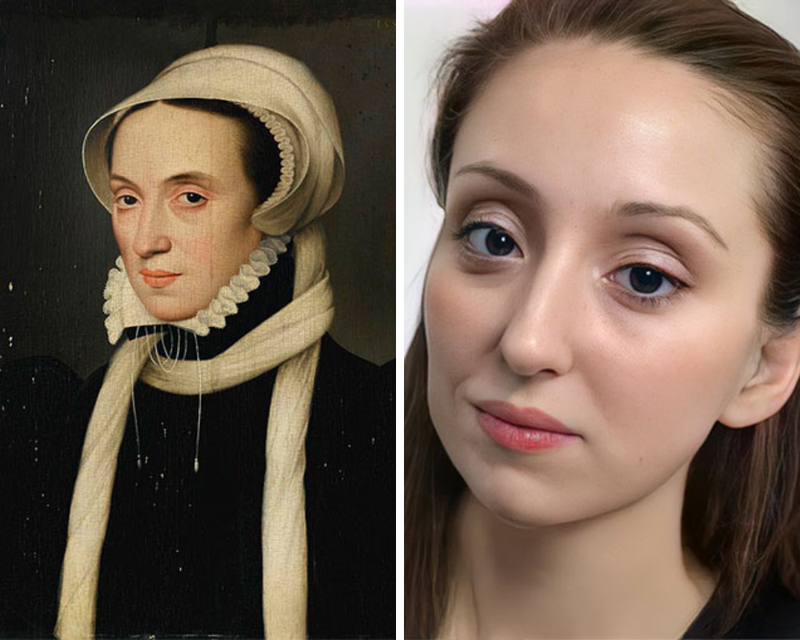
Tragically, after the passing of her first husband, Christina fell in love with René of Orange. Despite him loving her back, though, they were both forced into political marriages. Now, that certainly explains the sadness in her eyes.
Mary Tudor
Mary Tudor (also known as Mary I or Bloody Mary by the people who really didn’t like her very much) was Queen of England, Ireland, and Spain from 1553, until her passing in 1558. She was Henry VIII’s only surviving child with his first wife.
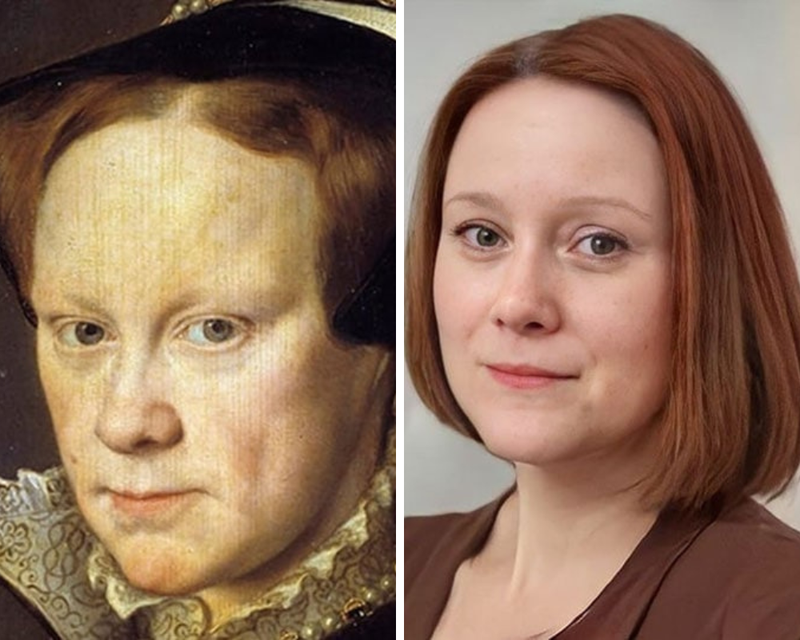
However, her father attempted to write her out of the royal succession because they differed on matters of faith. Of course, that didn’t work out and she did end up ruling for a little while. Can you imagine that sweet AI rendition of her being nicknamed Bloody? Because we sure can’t.
Mary, Queen of Scots
Let’s take a look at another famous British queen, expressly brought back to life with the help of AI. So, what do you think of this rendition of the Queen of Scotland from 1542 to 1567 — does her AI version look like the historic portrait?
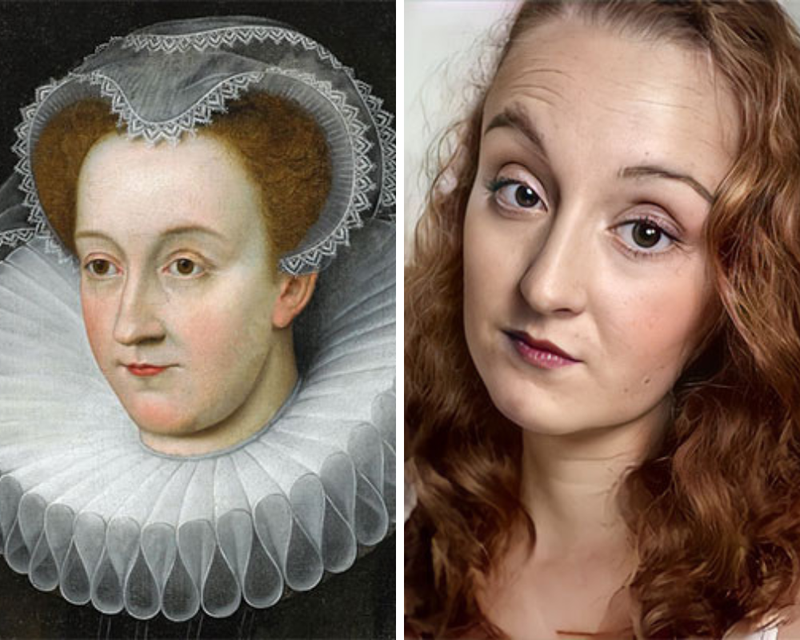
We honestly think it’s pretty close, between the super thin eyebrows and lips. Did you know Mary technically inherited the Scottish throne when she was just six days old due to her father’s passing? She only began truly ruling when she returned to Scotland from France in 1561.
Mary Shelley
Everyone welcome the one, the only Mary Shelley — the mother of Science Fiction! That’s right; this unassuming young woman was the founder of one of the most popular genres of our time, thanks to a little book she wrote when she was 19, Frankenstein.
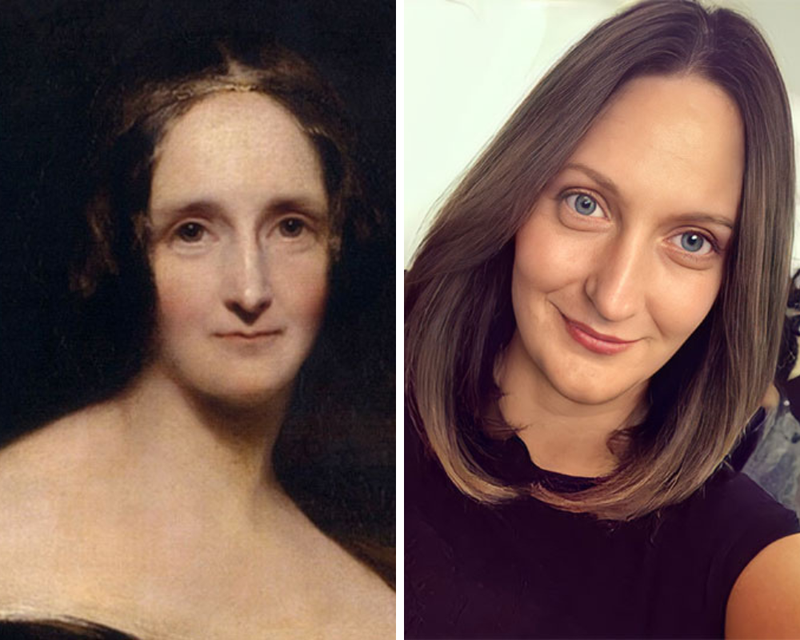
The mischievous glint in her eyes seems to have been translated well into her AI modern-day portrait, and we can totally see her writing one of the most brilliantly frightening stories of all time.
Ludwig Van Beethoven
While you might not recognize him from the photo, you probably best know him thanks to his musical talent as of the most influential composers and pianists of all time. Ludwig van Beethoven was a musical prodigy from an early age, then went on to create tons of famous works.
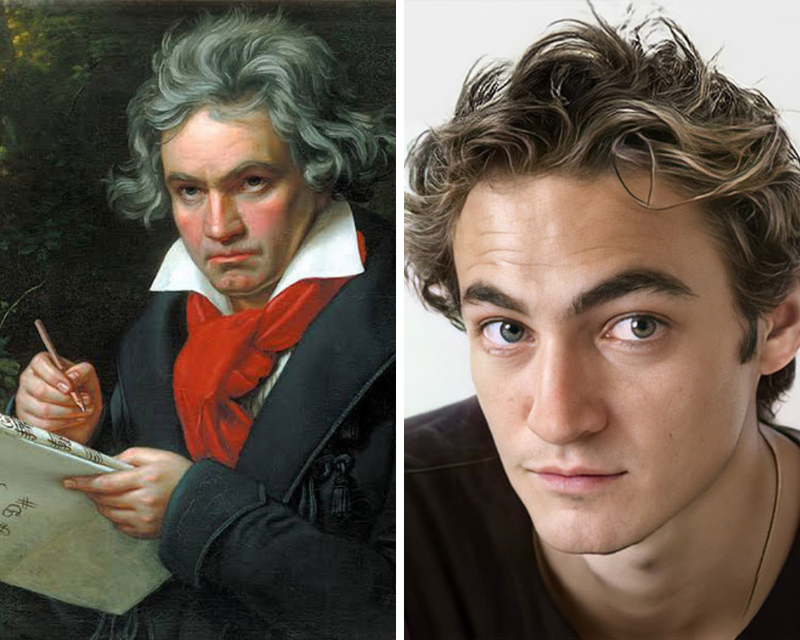
Here’s the thing — we can totally see the modern version of Beethoven starring as the male lead in a young adult Netflix series (a la The Kissing Booth, but, you know, about music and stuff).
Cleopatra
Cleopatra might just be one of the most famous female rulers of the ancient world (if not the most famous). She’s also often described as a great beauty, with her looks being attributed to the reason she had a romantic relationship with both Caesar and Mark Antony.
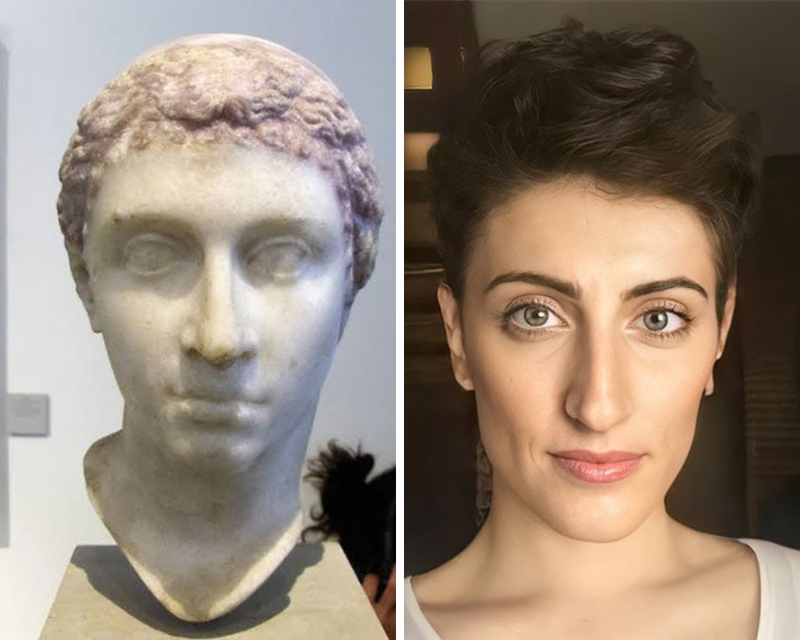
Modern historians, however, have found more accurate accounts that depict the last ruler of the Egyptian empire as a clever and charming leader who drew people in more with the strength of her character rather than her striking beauty.
Madame De Pompadour
Looking at those rosy cheeks and pout, you’d be fooled into thinking that this young woman is the epitome of innocence. And you’d be absolutely wrong! Jeanne Antoinette Poisson, known as Madame De Pompadour, held the official title of chief mistress to King Louis XV.
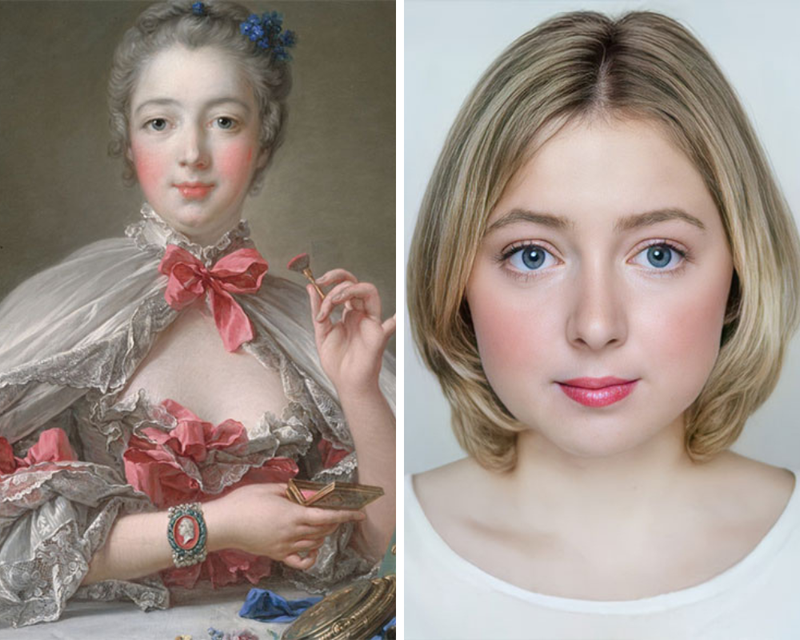
She then spent much of her time at the royal court building a vast network of high-ranking supporters who helped her gain nobility titles for herself and her family. She was also a patron of the arts and of philosophy.
Hatshepsut
So, from what we know — Hatshepsut (daughter of Thutmose I the Pharaoh) married her half-brother, Thutmose II, when they were both around 14. However, shortly after becoming Pharaoh himself, Thutmose II died, leaving their son to rule.
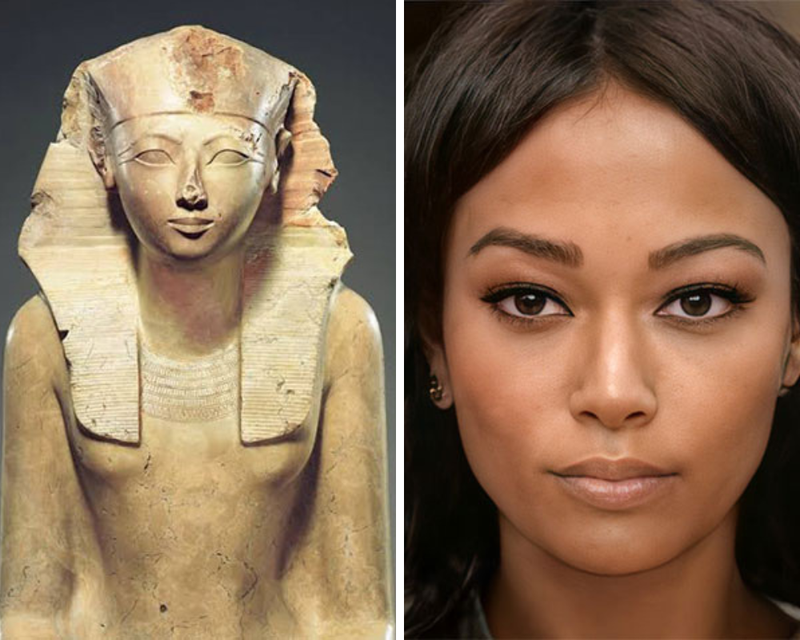
But, because Thutmose III was still a child, Hatshepsut became the de-facto regent (yas, Queen!). According to historians, she held the throne for about 21 years and was responsible for many major building projects in the empire.
Antonio Vivaldi
He’ll be your “Man for All Seasons” with his “Four Seasons” concerto for violin! You’ve heard his name, and you’ve listened to his music (seriously, it’s inescapable), but you probably haven’t taken much time to see what Antonio Vivaldi looked like.
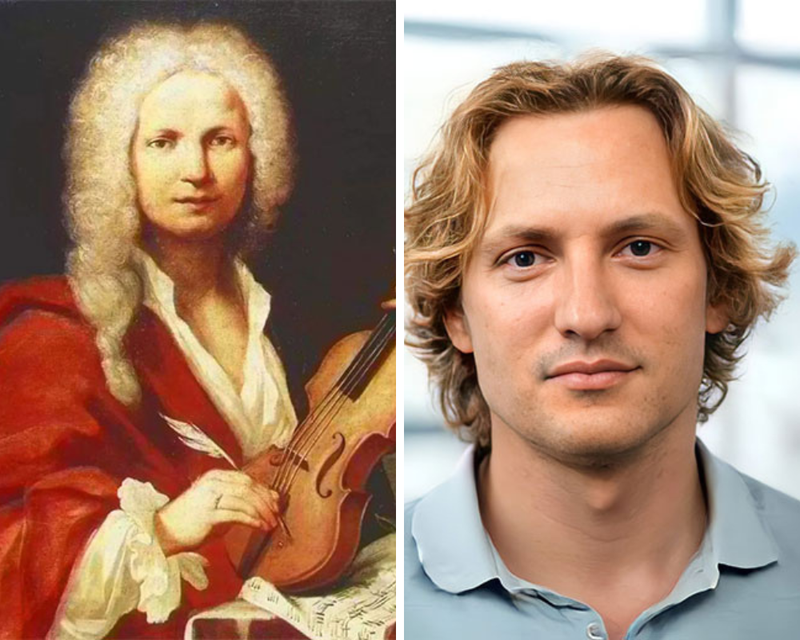
Sadly, despite his incredible talent as a composer, Vivaldi’s life wasn’t the easiest. While he achieved great success in his early career, he experienced financial difficulties by the end of his life, which left him destitute at the age of 63.