Vegetable Oils
Heart health is so important, especially as we start to get older. It’s one of the most important organs that we need to look after. One of the best ways to protect our heart is to avoid vegetable oil as much as possible. Unfortunately, these oils may increase the risk of developing heart-related health issues. The reason being is that there’s a fatty acid called omega-6 that’s found in quite a few oils.

But worry not, as there are some great alternative oils out there that you can try. Avocado and olive oils are the best options to look for in the grocery store.
Deli Meats
A fresh sandwich is one of the most delicious lunches, right? However, when you’re throwing that sandwich together, we suggest you stay far away from deli meats. Sure, they may feel like a convenient option, but their health drawbacks are definitely not worth it. They may contain a decent amount of protein, but it’s the bad stuff they contain that is the issue. With high levels of sodium, unhealthy fats, and preservatives, it’s by no means good for you.
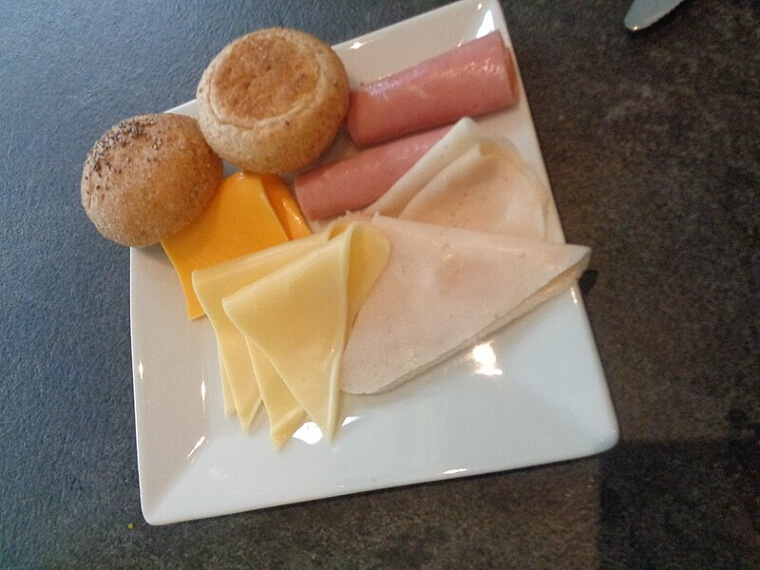
Unfortunately, they often also contain nitrates, which have previously been linked to certain cancers. To pile your sandwiches up with meat, you’re better off going for fresh and lean meats, like fish or chicken. Or why not try a plant-based option?
Grapefruit
This one may come as a surprise as we’re taught that fruit is good for us and a great alternative to unhealthy foods. Sure, grapefruit is healthy, but it can be really bad if you are taking medication. Grapefruit will interfere with the way that your body absorbs medicine. They possess a compound that can affect the enzymes that break down your medication. In turn, it creates higher levels in your bloodstream.
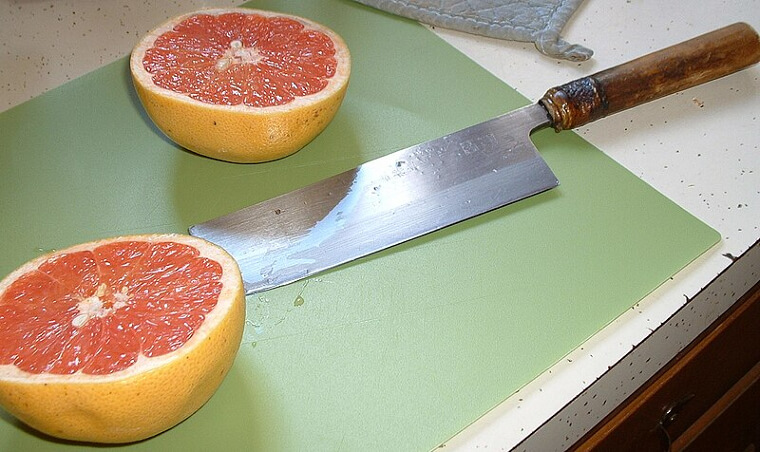
If you are taking any medication, it’s best to consult a doctor if it’s affected by grapefruit. If so, you could swap it out for some other citrus fruits that won’t have any effect.
Heavy Creams
The secret ingredient to a lot of insanely delicious meals is heavy cream. Whether it’s sauces or desserts, it can be found in a lot of recipes. It may taste good, but it’s packed full of saturated fats. Saturated fats can raise your cholesterol levels and contribute to the risk of heart disease. It’s best that you get started with making healthier choices for sauces and desserts. There are alternatives out there, such as half-and-half, low-fat, and plant-based options that work wonders.

When it comes to your health, prioritizing the low-fat options will always be worth it. They will significantly improve your cardiovascular health, and better yet, you won’t even taste the difference.
Soda
It comes as no surprise that soda is bad for us. In fact, it’s bad for everyone, not just for people over 60. But, saying that, it’s significantly worse for people over said age. They do become much more risky the older you get. Sodas are simply high in added sugars and empty calories. Easily, they can begin contributing heavily to obesity, diabetes, and heart disease. In addition, consuming an excessive amount of sugar can lead to increased blood sugar levels and strain your cardiovascular system.
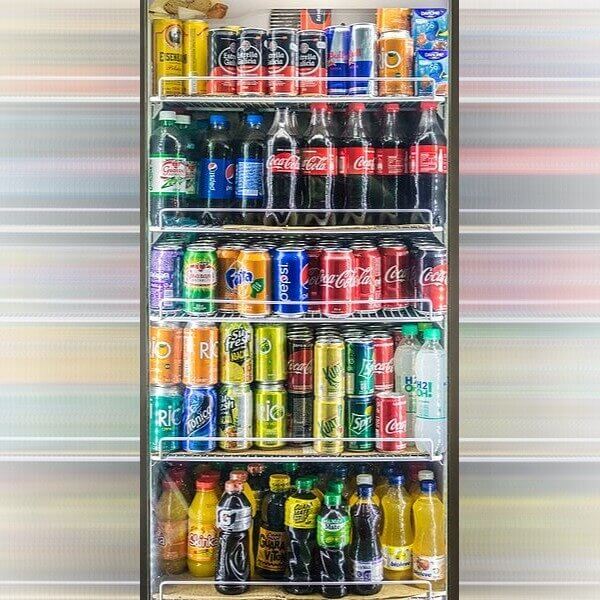
To avoid developing these issues, it’s recommended that you steer clear of sodas or at least limit your consumption of them. There are healthier alternatives out there, such as water, teas, and fruit juices.
Energy Bars
When you’re in a rush and need a quick snack, it can be incredibly easy to turn to an energy bar. To be fair to you, they are advertised as a nutritious on-the-go snack. However, just because they can make you feel fuller for some time, it doesn’t mean that they are necessarily good for you. Many commercial energy bars are packed with added sugars, unhealthy fats, and artificial ingredients that can cause a lot of harm.
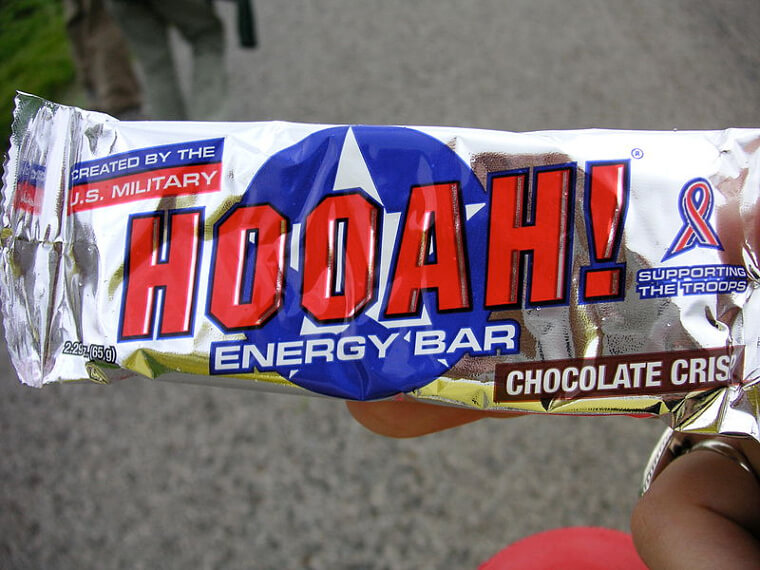
It’s fair to say that there are a lot more healthier energy bar options out there. Even a handful of nuts or a homemade energy bar will be much better for you.
Cereal
Cereal is one of the quickest and easiest options for your breakfast in the morning. However, just because they are easy, it doesn’t mean that they’re any good for you. A lot of cereals don’t actually provide many nutritional benefits. Many cereals will actually contain just about as much sugar as some desserts and limit the nutritional value of your breakfast. If you are going to eat cereal, find the healthier ones that are made with whole grains and have fewer added sugars.
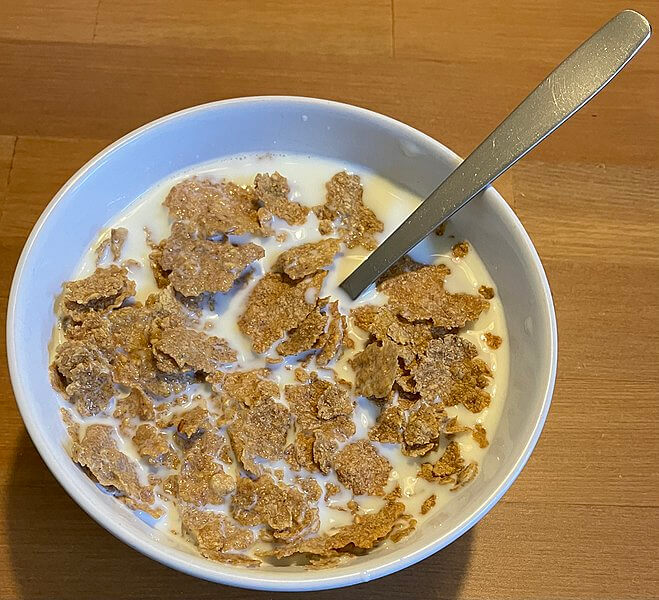
Choosing a healthier and more nutritional breakfast option is a great way to start your day. In addition, it will benefit your health a lot more in the long run.
Processed Cheese
The rule of thumb here is that you should always opt for the more natural version of a food. So, of course, processed cheese is a big no. If you’re including processed cheese like American cheese slices or bagged shredded cheese, it’s time that you cut those out. These sorts of processed cheeses contain high levels of sodium, unhealthy fats, and artificial additives. To take care of your health, it’s best that you avoid processed cheese altogether.
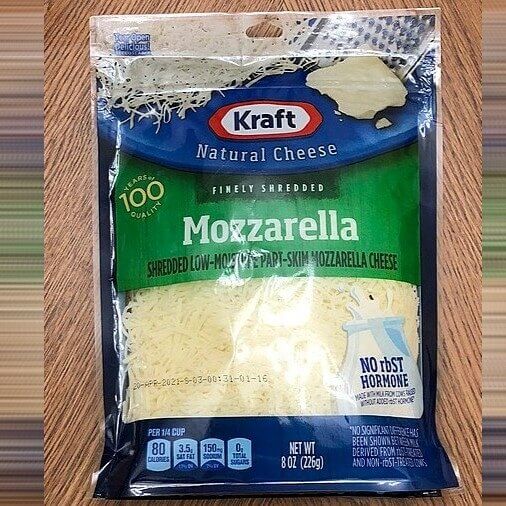
Instead, go for unprocessed and more natural cheeses, such as brie, cheddar, and parmesan. While cheese slices and grated cheese are quick and convenient, they aren’t ideal for your health.
Pork
For anyone a little older, eating pork can, unfortunately, pose quite a few health risks. Pork includes factors such as a high fat content as well as the potential for foodborne illnesses. It’s not the ideal meat of choice to be consuming once you hit your 60s. To avoid these risks, you want to stay away. If you do want to eat pork, opt for lean cuts of it and make sure it’s cooked thoroughly.
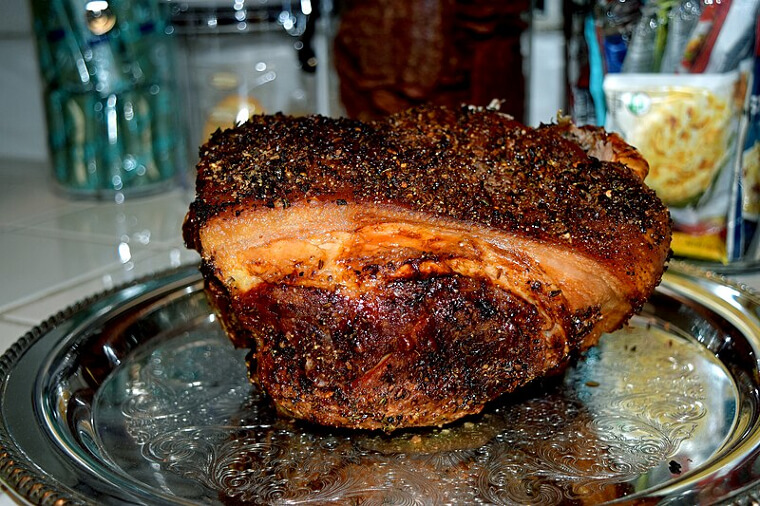
In addition, you should be balancing out pork by having a variety of other protein sources. Those include fish, poultry, and plant-based alternatives to support your health.
Raw Eggs
Realistically, we all know that eating anything raw can be quite bad for us, no matter our age. However, being cautious of raw eggs is especially important over the age of 60. Salmonella actually occurs in roughly one in every 20,000 eggs. Those odds may sound quite low, but you never know if it could be your egg. To be safe, it’s recommended to avoid eating raw eggs and be extra cautious.
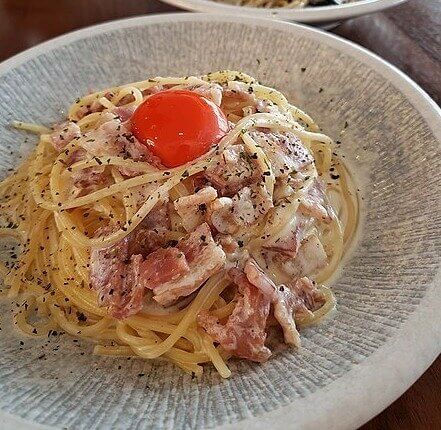
Yep, you guessed it, this also means you’ll need to avoid a quick taste of that cookie dough before it goes in the oven. It’s better to be safe than sorry, as no one wants to experience the effects of salmonella.
White Chocolate
A lot of people praise dark chocolate for being a healthier alternative to regular chocolate, but the same cannot be said for white chocolate. As opposed to dark chocolate, white chocolate has no cacao solids in it and is quite high in unhealthy fats and sugar. The combination of these two can lead to health issues such as weight gain, diabetes, and other metabolism issues. It’s best that you limit your consumption of white chocolate as much as possible.
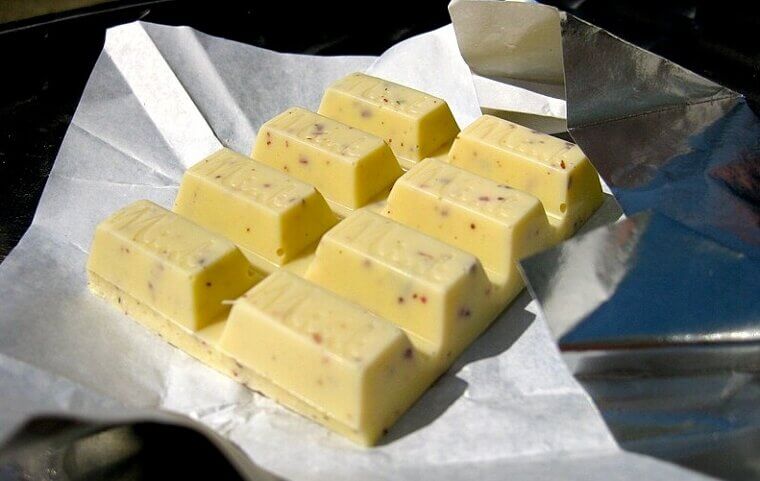
If you’re craving chocolate, opt for something higher in cacao solids. These offer antioxidants and various other health benefits. Keep your chocolate cravings as dark as possible.
Frozen Meals
Let’s be real, frozen meals can be great purely just because of how convenient they are. It’s minimal effort with no more than three prep steps, and it’s ideal for a meal for one. Unfortunately, there are quite a few health drawbacks that outweigh that convenience. Frozen meals will contain a pretty high level of sodium, unhealthy fats, and preservatives. These can contribute towards health issues, such as hypertension, heart disease, and increased blood pressure.
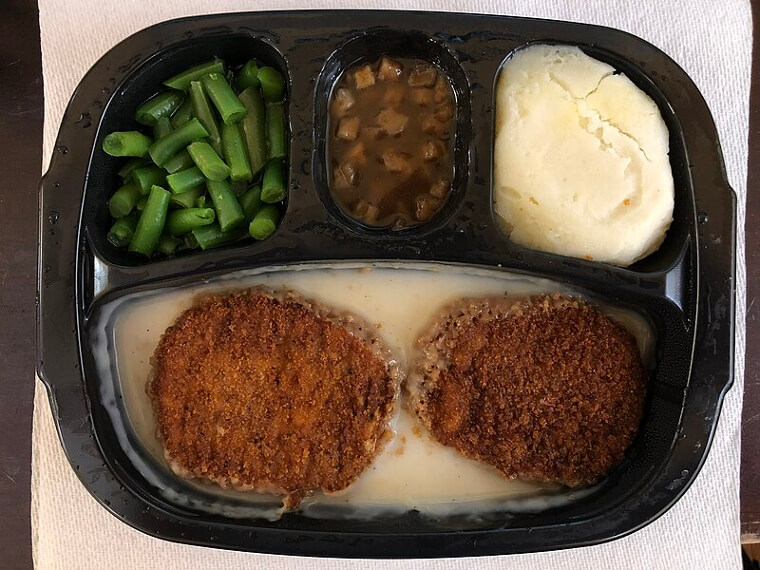
Frozen meals seem to do a lot more harm than they do good. They may be a nice treat every now and then, but you’re better off focusing on fresh foods. It takes a little more effort, but it’s worth making it yourself.
Hard Foods
The older we get, the more fragile our bodies become. That means that things like our teeth and our guts become a lot more sensitive with age. In order to protect them, you may have to start changing your food consumption. One of the biggest things to try and avoid is hard foods. Things like candy, tough meats, and raw vegetables are often better left off your plate. They can be difficult to chew and increase the chance of choking or dental damage.
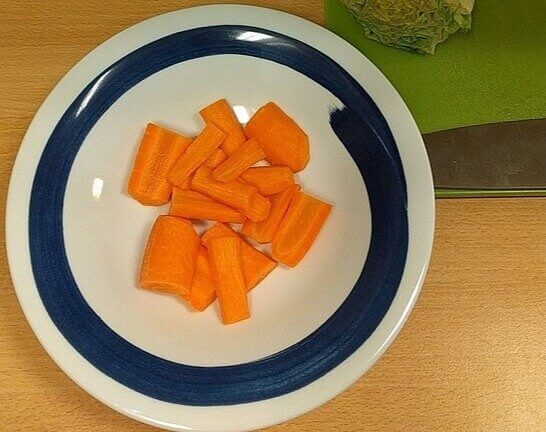
Switching to softer foods means we’re being a little kinder to our bodies as they become more fragile. Your body will thank you for cutting down on hard foods.
Vegetable Shortening
Have you ever wondered how stores make pre-packaged pastries last longer on the shelves? The secret is vegetable shortening. Manufacturers will bake their pastries with vegetable shortening to extend their shelf life for as long as possible. However, this does, in turn, make consuming these sweet treats, like cakes and other foods, a lot worse for you than a fresh option. Vegetable shortening contains hydrogenated oils, which increase bad cholesterol and lower good cholesterol.
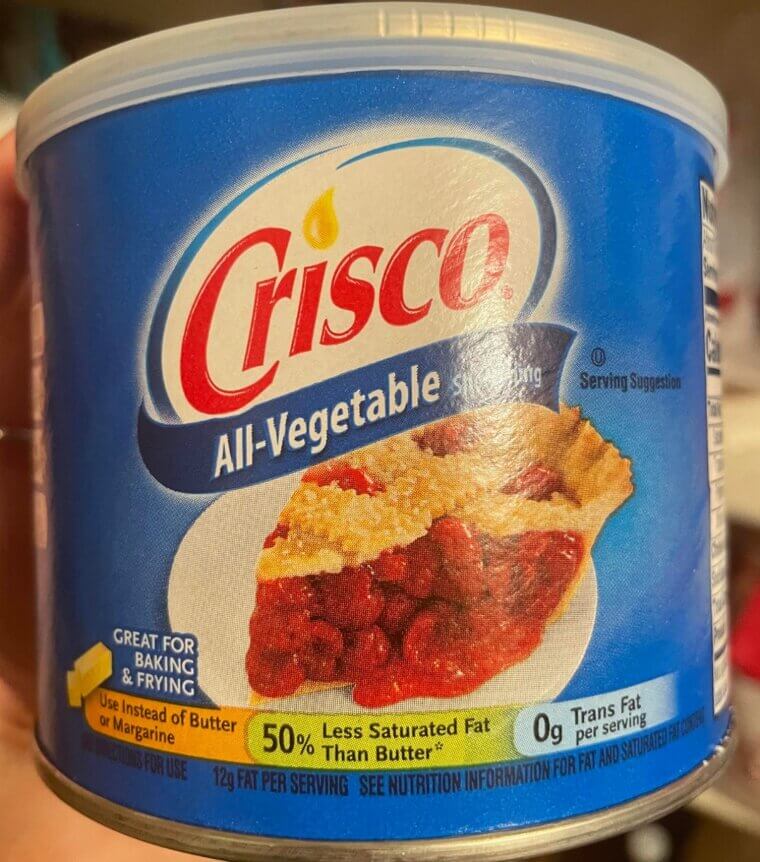
If you fancy a pastry or a cake as an occasional treat, you’re better off buying something fresh from a bakery. This switch could help improve your cardiovascular health.
High Sodium Snacks
If you’re craving something a little salty, it can feel easy to grab a bag of chips or some crunchy pretzels. But, as you may have guessed, the one thing that makes them so delicious is actually so bad for us. It’s especially bad if you’re over 60. These snacks are filled with high levels of sodium to give them that flavor. As we’re learning, an excessive amount of sodium can be really bad for your health.
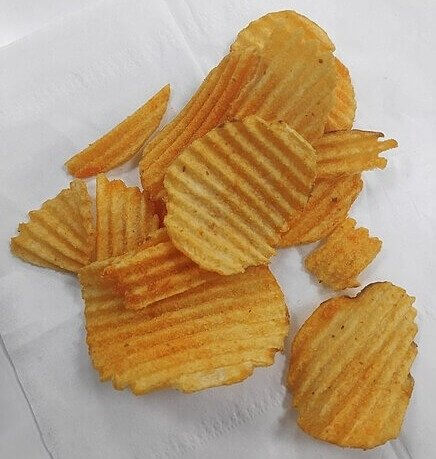
Sodium will put a strain on your cardiovascular system and can lead to fluid retention. This can also contribute to elevated blood pressure, heart disease, and kidney problems. You’re better off opting for things like nuts, fruits, etc.