Ever wonder how a single movie can turn an unknown actor into a legend or make a superstar disappear overnight? From iconic breakthroughs to the roles actors wish they’d turned down, we’re looking at the performances that changed everything!
Robert De Niro in “The Godfather II” – Made His Career
Stepping into the shoes of a young Vito Corleone was no small feat, especially following Marlon Brando’s iconic performance. However, Robert De Niro delivered a masterclass in subtlety that earned him an Academy Award for Best Supporting Actor. This role reportedly solidified his status as one of the greatest actors of his generation. By learning to speak Sicilian and embodying the quiet intensity of a rising Don, De Niro proved he could carry a massive franchise.
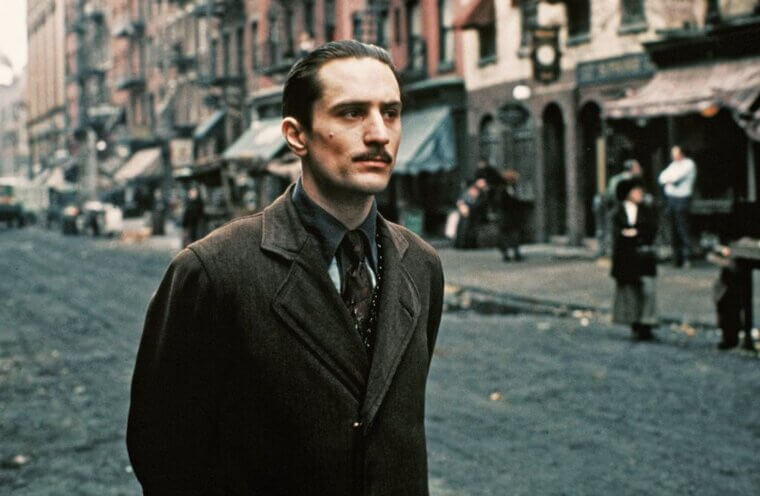
It launched a decades-long career defined by transformative roles, making him a household name and a true Hollywood legend.
Alicia Silverstone in “Batman & Robin” – Killed Her Career
After the massive success of Clueless, Alicia Silverstone was the “it girl” of the 1990s. Unfortunately, her turn as Batgirl in the critically panned Batman & Robin allegedly brought her momentum to a screeching halt. The film was mocked for its campy tone, but Silverstone bore the brunt of cruel media scrutiny regarding her appearance. This harsh treatment reportedly soured her experience with big-budget blockbusters.
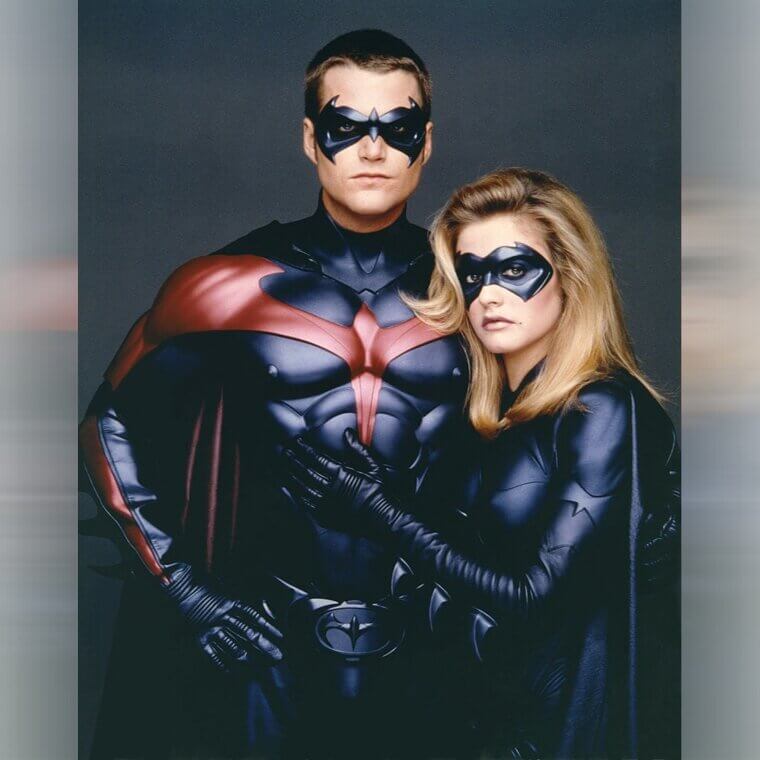
While she continued to work in independent films and theater, she never quite regained the massive commercial superstardom she enjoyed during her early years, shifting her focus toward activism instead.
Sofia Coppola in “The Godfather Part III” – Killed Her Career
Cast as Mary Corleone after other actresses dropped out, Sofia Coppola faced an uphill battle from the start. Critics were notoriously unkind to her performance, with many allegedly accusing her father, director Francis Ford Coppola, of nepotism. The backlash was so intense that it effectively ended her aspirations as a professional actress. However, this “failure” turned out to be a blessing in disguise.
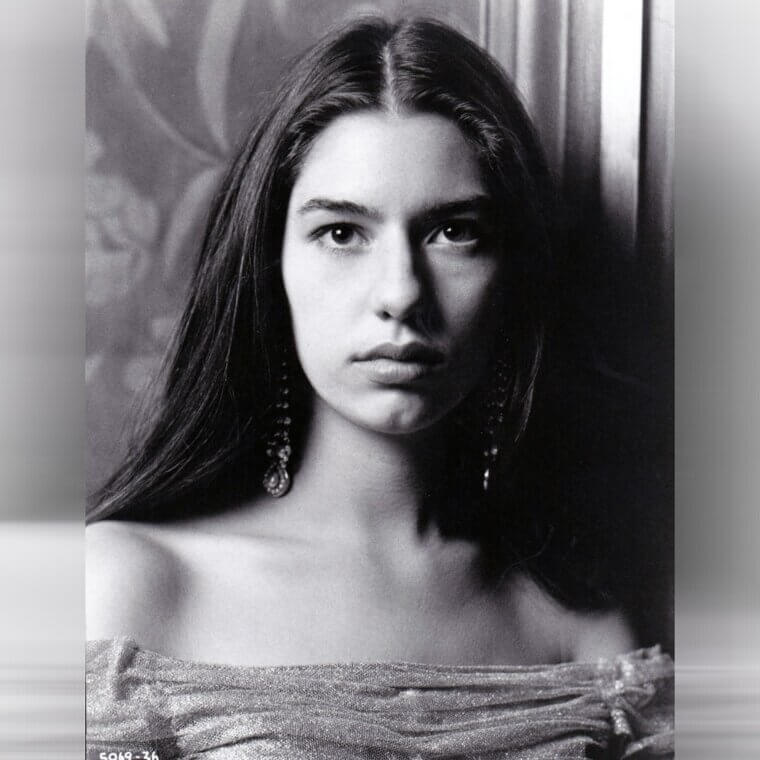
Sofia stepped behind the camera, eventually becoming an Oscar-winning director of acclaimed films like Lost in Translation. While her acting career died, her legacy as a visionary filmmaker was born.
Mike Myers in “The Love Guru” – Killed His Career
Mike Myers was the king of comedy throughout the ’90s and early 2000s, thanks to Austin Powers and Shrek. However, The Love Guru reportedly became the project that broke his winning streak. The film was a massive critical and commercial flop, with many finding the humor outdated and uninspired. Following the film’s release, Myers largely stepped away from leading live-action roles for several years.
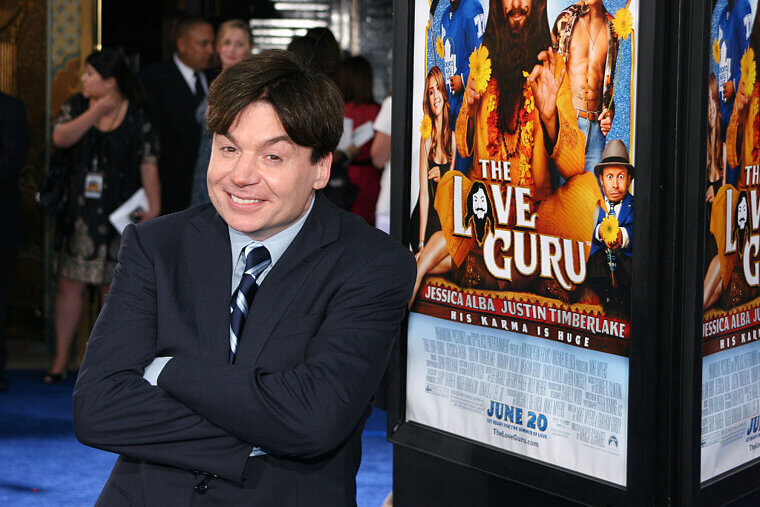
While he remains a comedy icon, this specific role allegedly signaled the end of his era as a box-office draw, leading him to focus more on voice work and occasional supporting appearances.
Sylvester Stallone in “Rocky” – Made His Career
Sylvester Stallone was a struggling actor with barely any money when he wrote the script for Rocky. He famously refused to sell the screenplay unless he was cast as the lead, a gamble that changed cinema history. The film became a global phenomenon, winning Best Picture and turning Stallone into an overnight superstar. This role didn’t just make his career; it created a blueprint for the “underdog” story.
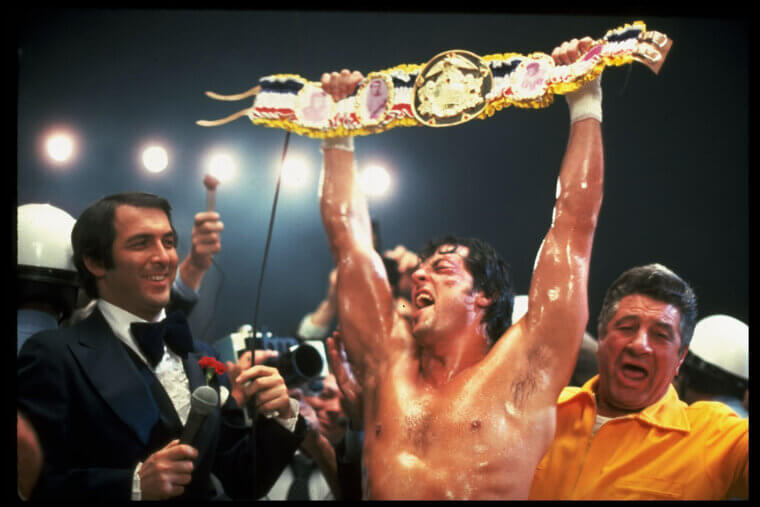
Stallone became a definitive action hero and a creative powerhouse, proving that persistence and a single great idea can truly conquer the world of Hollywood.
Dana Carvey in “Master of Disguise” – Killed His Career
As a standout on Saturday Night Live, Dana Carvey was beloved for his incredible impressions. He hoped to translate that magic into a leading film role with The Master of Disguise, but the results were reportedly disastrous. The film was panned by critics who found the characters more grating than funny. While it developed a small cult following among younger audiences, it allegedly stalled Carvey’s path as a leading man in Hollywood.
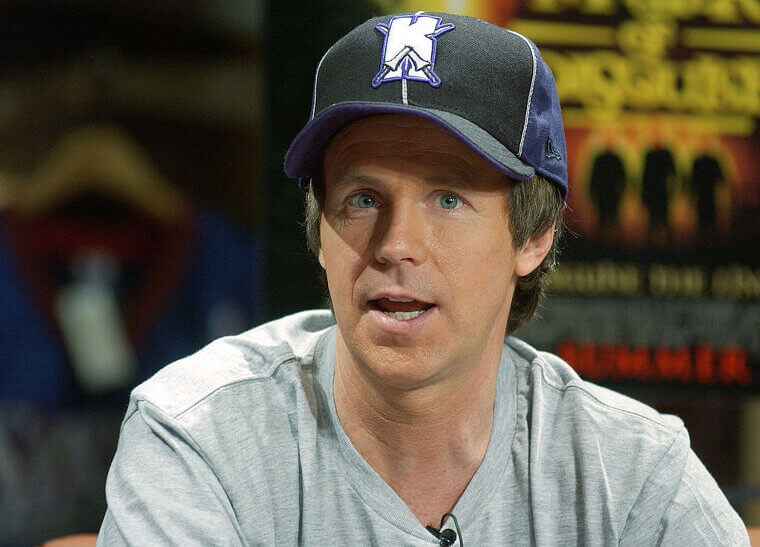
He chose to focus more on his family and stand-up comedy afterward, rarely returning to the big screen in a starring capacity again.
Bruce Willis in “Die Hard” – Made His Career
Before 1988, Bruce Willis was primarily known as a charming TV actor from the hit show Moonlighting. Many were skeptical when he was cast as an action lead, but Die Hard changed everything. His portrayal of John McClane—a vulnerable, everyman hero—redefined the action genre. The film was a massive success, catapulting Willis to the top of the Hollywood A-list. It proved he could handle intense physical roles while maintaining his signature wit.
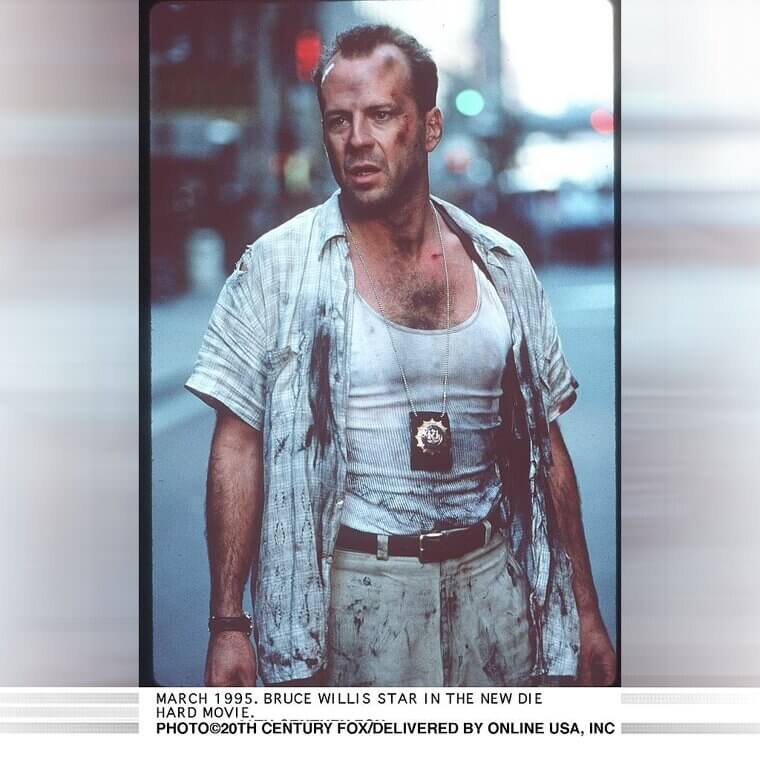
From that point on, Willis became one of the most bankable stars in the world, forever synonymous with the gritty action hero.
Elizabeth Berkley in “Showgirls” – Killed Her Career
Elizabeth Berkley hoped to transition from her “good girl” image on Saved by the Bell to serious film acting with Showgirls. Unfortunately, the film’s hyper-stylized tone and provocative content led to a tidal wave of negative reviews. Berkley was reportedly “locked out” of the industry for years as agents and directors distanced themselves from the project’s failure. While the movie eventually became a beloved cult classic, the initial fallout was devastating to her professional prospects.
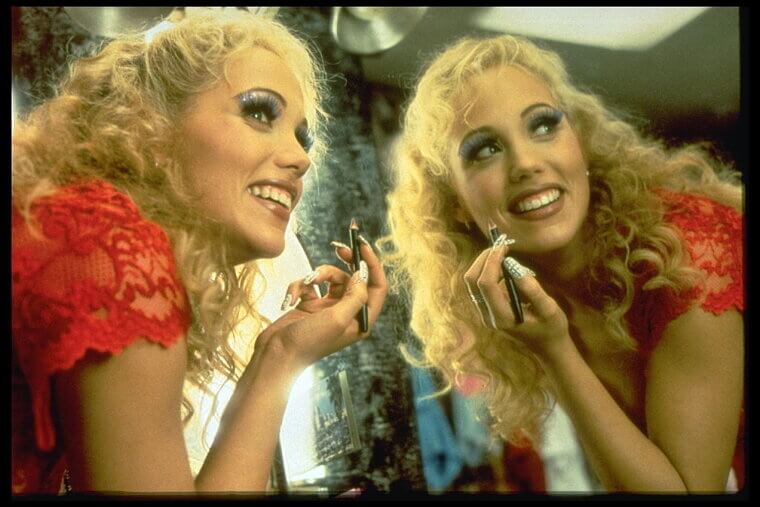
She has since reclaimed her narrative, but the role undeniably altered what should have been a burgeoning film career.
Christoph Waltz in “Inglorious Basterds” – Made His Career
Christoph Waltz had been a working actor in Europe for decades, but he was virtually unknown in Hollywood until Quentin Tarantino cast him as Colonel Hans Landa. His chilling, polyglot performance was an absolute sensation, earning him his first Academy Award. The role launched him into the stratosphere, making him the go-to actor for sophisticated villains and complex intellectuals.
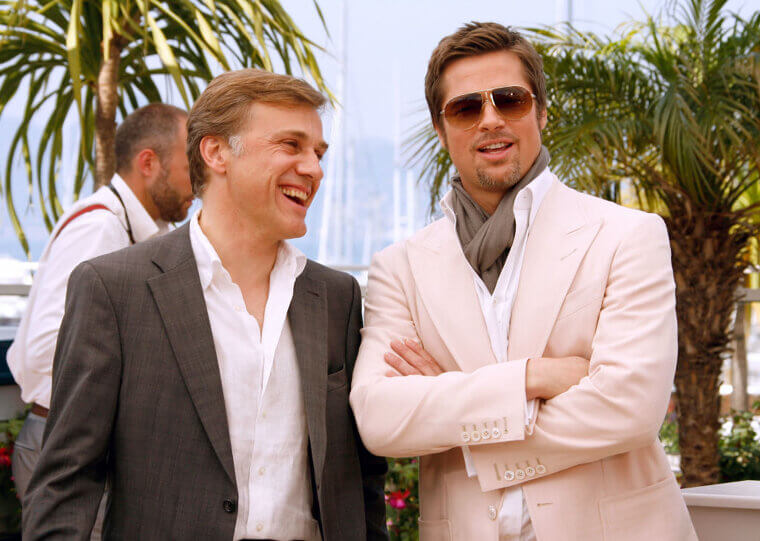
It is rare for an actor to achieve “overnight” global stardom in their fifties, but Waltz did exactly that, proving that the right role can change everything, regardless of when it finally arrives.
Ben Afleck in “Gigli” – (temporarily) Killed His Career
In the early 2000s, Ben Affleck was a tabloid fixture, and Gigli became the symbol of his overexposure. The film was a historic box-office bomb, and the negative press surrounding his relationship with Jennifer Lopez at the time allegedly made him “box office poison” for a period. Critics were merciless, and Affleck’s career as a leading man seemed to be over. However, he staged an incredible comeback.
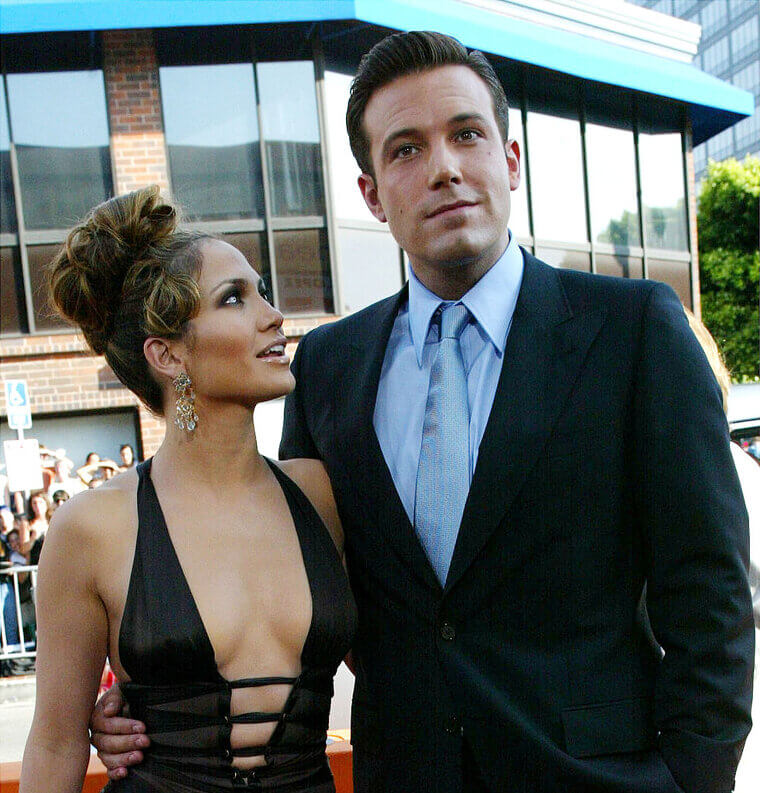
He moved behind the camera to direct Gone Baby Gone and Argo. He eventually returned to starring roles, but Gigli remains a cautionary tale of Hollywood hype.
Chris Hemsworth in “Thor” – Made His Career
Australian actor Chris Hemsworth was relatively unknown when he picked up the hammer of the God of Thunder. Thor didn’t just launch a franchise; it turned Hemsworth into a global icon of masculinity and charm. The role allowed him to showcase his physical presence, but it was his later comedic timing within the Marvel Universe that truly solidified his staying power. Today, he is one of the highest-paid actors in the world.
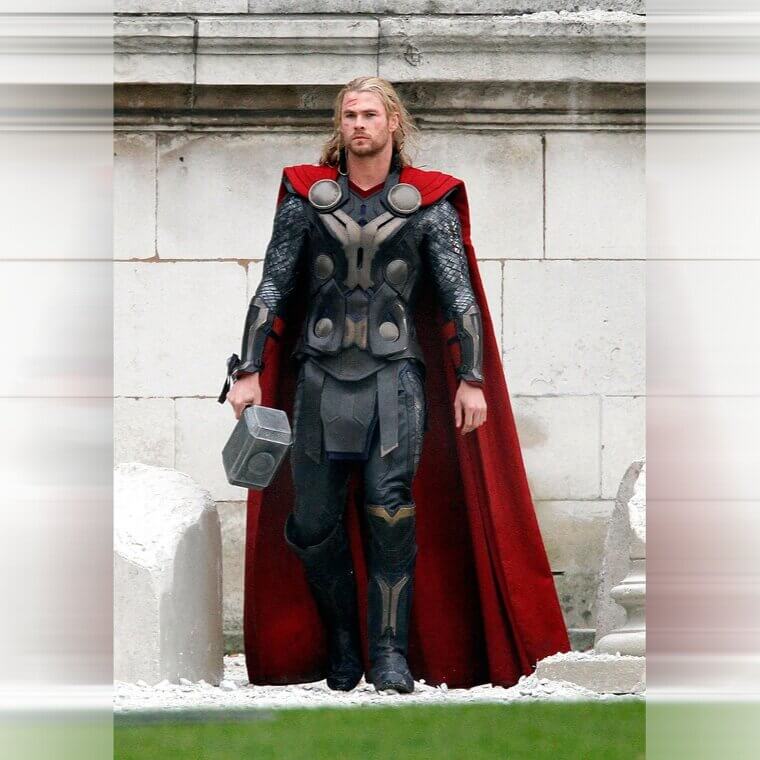
Without the cape and the lightning, Hemsworth might have remained a talented supporting player instead of the leading man he is today.
John Travolta in “Pulp Fiction” – Made His Career
By the early 1990s, John Travolta’s career had largely faded from its Grease and Saturday Night Fever heights. He was mostly appearing in direct-to-video style sequels until Quentin Tarantino offered him the role of Vincent Vega. Pulp Fiction was a cultural reset that gave Travolta a new, cooler image. His dance scene with Uma Thurman became legendary, and he earned an Oscar nomination that put him back on the A-list.
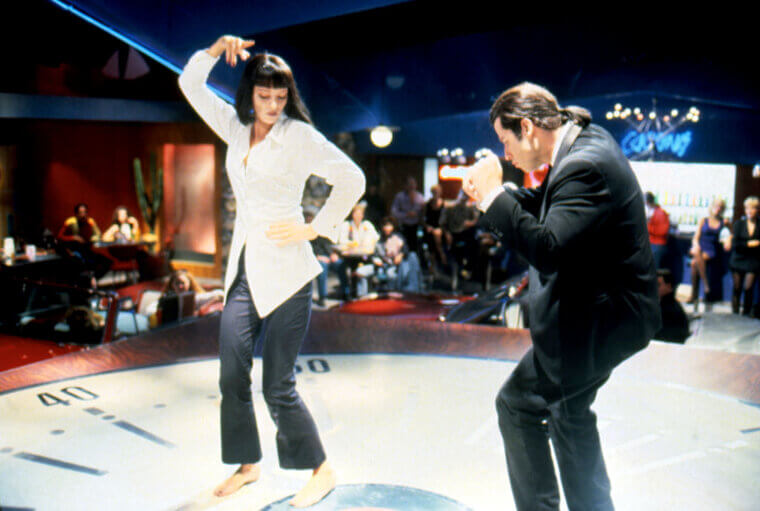
This role is often cited as the greatest career “resurrection” in Hollywood history, proving that a single great script can save a star.
Halle Berry in “Catwoman” – (temporarily) Killed Her Career
Fresh off an historic Oscar win for Monster’s Ball, Halle Berry took a massive risk with Catwoman. Unfortunately, the film was a critical disaster, often appearing on lists of the worst movies ever made. The backlash was so strong that it reportedly made studios hesitant to cast her in major solo vehicles for several years. In a move that earned her immense respect, Berry showed up in person to accept her Razzie Award for the role, showing her sense of humor.

While it was a professional setback, she eventually rebuilt her career through consistent work and directing.
Steve Carell in “The 40-Year-Old Virgin” – Made His Career
Steve Carell was a respected correspondent on The Daily Show, but The 40-Year-Old Virgin turned him into a bona fide movie star. He co-wrote the script and brought a surprising amount of heart to a role that could have been a one-dimensional caricature. The film’s massive success happened right as The Office was finding its footing on TV, creating a perfect storm of stardom.
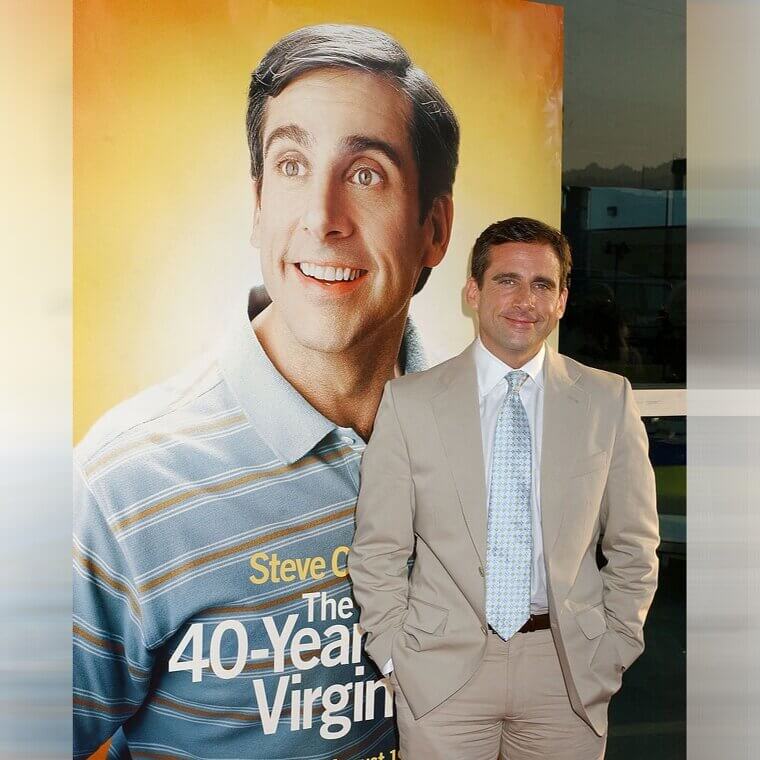
It proved Carell could lead a major motion picture, opening the door for him to tackle both blockbuster comedies and heavy-hitting dramatic roles that earned him Academy Award nominations.
Cuba Gooding Jr. In “Boat Trip” – Killed His Career
After winning an Oscar for Jerry Maguire, Cuba Gooding Jr. was expected to become one of the industry’s top leading men. However, a string of poorly received comedies, culminating in Boat Trip, allegedly derailed his momentum. The film was criticized for its reliance on stereotypes and was a commercial failure. Following this period, Gooding Jr. reportedly found it difficult to secure the high-profile dramatic roles he was previously offered.

While he eventually found success again on television in The People v. O. J. Simpson, his time as a major big-screen leading man never quite recovered.