Looking back at our old photo albums can be a real trip, can’t it? From gravity-defying hair to shoes that felt like balancing acts, we’ve certainly endured some “creative” choices. Let’s take a hilarious stroll down memory lane to revisit the wildest trends that made us look twice!
The 1920s “Detachable Collar”: The Stiff Neck “Father Killers”
In the Roaring Twenties, men didn’t just throw on a soft polo. They wore separate, highly starched collars made of linen or even cardboard-like paper. These were buttoned onto the shirt, saving laundry time since you only washed the collar. However, they were so incredibly stiff and tight that they earned the morbid nickname “father killers.” Allegedly, if a gentleman fell asleep in his armchair with his chin tucked down, the rigid collar could actually restrict his airway or blood flow.
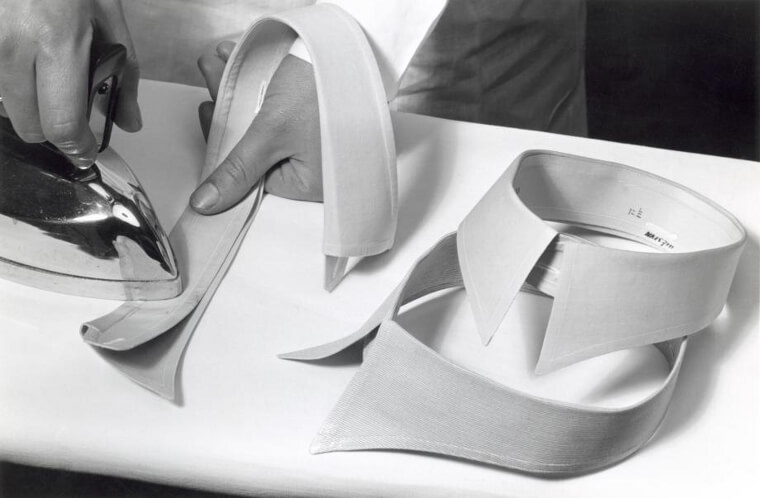
It’s no wonder we eventually traded these neck-choking traps for the comfortable, integrated collars we enjoy today!
The 1950s “Poodle Skirt”: Why We All Carried Dogs on Our Hips
Every teenage girl in the mid-fifties seemingly had to have a wide, felt swing skirt featuring a felt poodle applique. It was the ultimate “it girl” outfit for the soda fountain. The trend reportedly started when a designer needed a quick way to decorate a circular piece of felt and chose a dog. Why a poodle? Nobody is entirely sure, but it became a massive cultural phenomenon. We wore them with crinolines underneath to make them stand out.
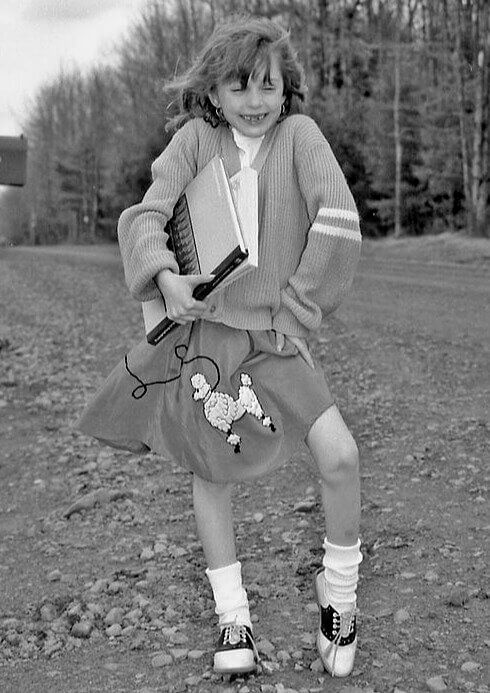
And that made sitting down in a school desk a hilarious, poofy challenge that required some serious tactical maneuvering.
The 1970s “Leisure Suit”: The Polyester Uniform of the Disco King
If you stepped into a party in 1975, you were likely surrounded by a sea of pastel-colored polyester. The leisure suit offered a casual alternative to the traditional business suit, featuring wide lapels and matching bell-bottom trousers. They were marketed as “wash and wear,” which sounded great until you realized polyester doesn’t breathe. Dancing under disco lights in these synthetic wonders was reportedly a recipe for an immediate sweat-fest.
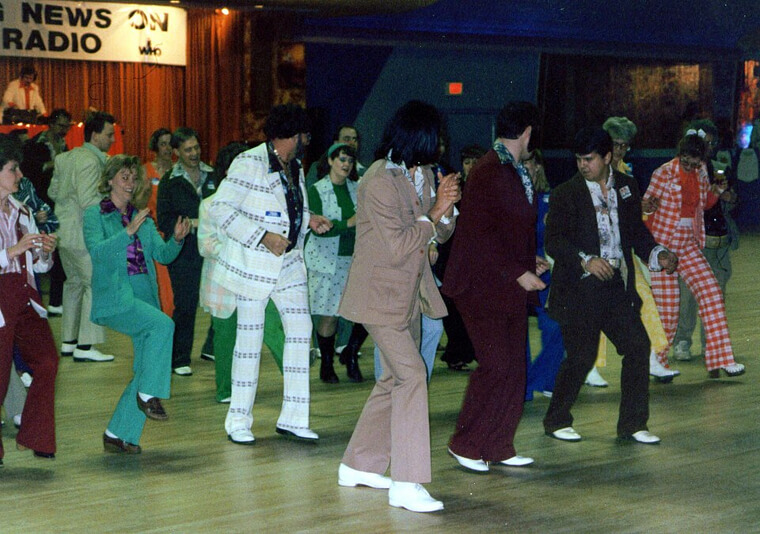
They eventually went out of style because, frankly, the world realized that neon mint green and non-breathable plastic fabric weren’t exactly the pinnacle of high-class sophistication.
The 1980s “Power Shoulder Pads”: Dressing Like a Linebacker for the Office
In the eighties, we didn’t just walk into a room; our shoulders arrived five minutes early. Inspired by shows like Dynasty, women utilized massive foam inserts to create a silhouette that screamed “executive authority.” Some of these pads were so large they practically touched our ears! It was a way to command respect in the corporate world, but it also made it nearly impossible to put on a winter coat without looking like a professional football player.
Eventually, the silhouette softened, and we all breathed a sigh of relief when our natural frames finally returned to the spotlight.
The 1960s “Paper Dresses”: The Disposable Fashion That Could Literally Dissolve
In 1966, a paper company released a disposable dress as a marketing gimmick, and surprisingly, it took off! These were literally made of a reinforced paper-like cellulose. They were cheap, vibrant, and meant to be tossed after one or two wears. The downside? You couldn’t get them wet, or you’d find yourself standing in a pile of soggy pulp. They also reportedly had a nasty habit of tearing if you sat down too quickly.
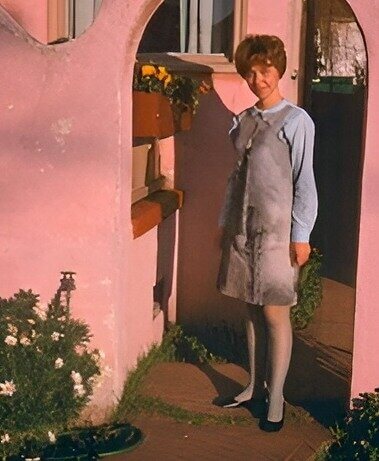
By the end of the decade, the novelty wore off as people realized that wearing stationery wasn’t exactly a sustainable or durable fashion choice.
The 1990s “Butterfly Clips”: Turning Every Head Into a Plastic Garden
If you were a young woman in the late nineties, your hair was likely a swarm of tiny, colorful plastic butterflies. We would twist small sections of hair and pin them back with dozens of these little contraptions. It was a whimsical look that allegedly made everyone feel like a fairy princess, but the reality was a tangled nightmare. Removing them at the end of the night was a delicate operation.
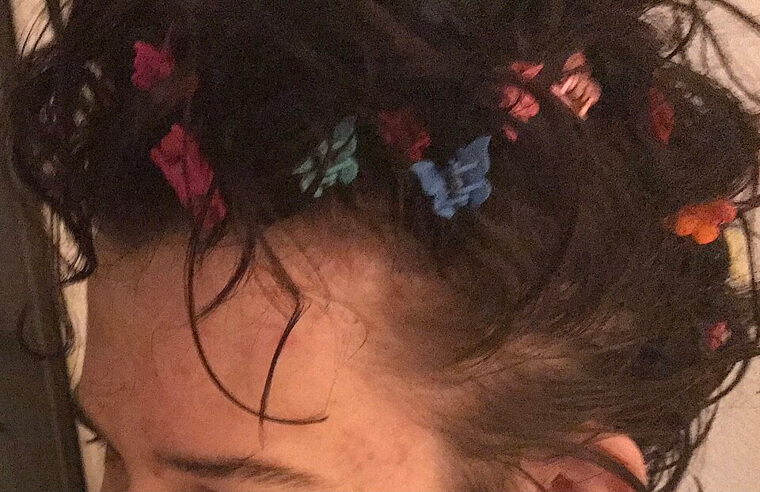
And it often resulted in lost hair and a very sore scalp. Eventually, the trend flew away as more minimalist, sleek hairstyles took over the scene.
The 1930s “Zoot Suit”: The High-Waisted, Oversized Statement of Rebellion
The Zoot suit was all about excess: exaggerated shoulders, wide lapels, and high-waisted trousers that ballooned at the knees before tapering at the ankles. Popular among various subcultures, it was a bold statement of identity. During wartime fabric rationing, however, these suits were seen as unpatriotic because they used so much material. This reportedly led to significant tensions and even public outcries.
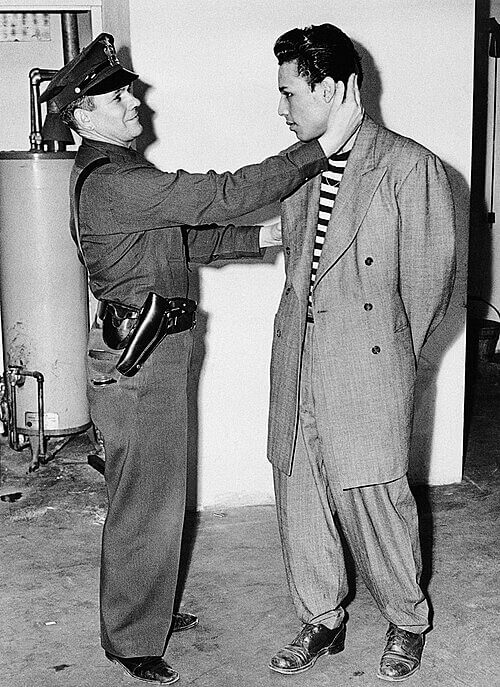
Eventually, the suit fell out of favor as fashion moved toward more streamlined, fabric-efficient designs, but its legacy as a symbol of bold, defiant style remains firmly etched in our sartorial history.
The 1970s “Platform Shoes”: Learning to Walk on Six-Inch Bricks
The seventies literally lifted us up, but at a great cost to our ankles. Men and women alike donned shoes with soles so thick they looked like bricks. While they gave us extra height for the dance floor, they were notoriously difficult to balance in. We allegedly spent half our time trying to look cool and the other half trying not to tumble over. Once the disco era faded, the orthopedic nightmare of walking on stilts lost its appeal.
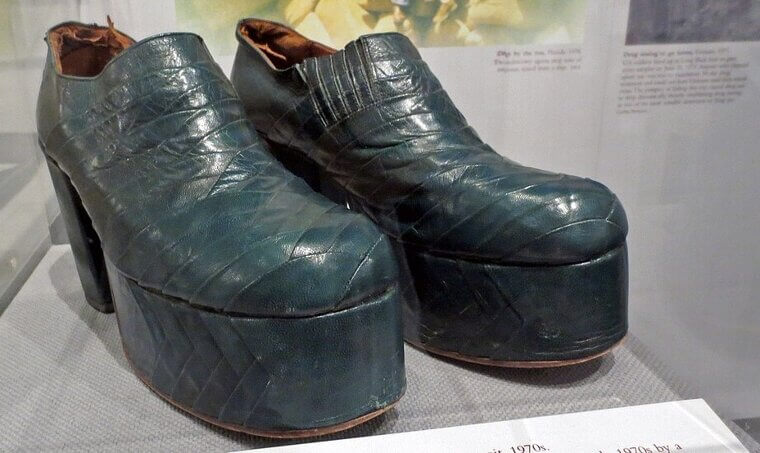
And we gladly returned to footwear that actually allowed our feet to touch the ground.
The 1950s “Cone Bra”: The Pointy Silhouette That Could Poke an Eye Out
The mid-century “bullet” or “cone” bra was designed to create a very specific, sharp silhouette that was popular among Hollywood starlets. It used concentric stitching to push the bust into a literal point. While it looked striking under a tight sweater, it wasn’t exactly a natural shape. Many women reportedly used “padding” to ensure the points didn’t collapse or look lopsided. And then a new decade ushered in and things shifted.
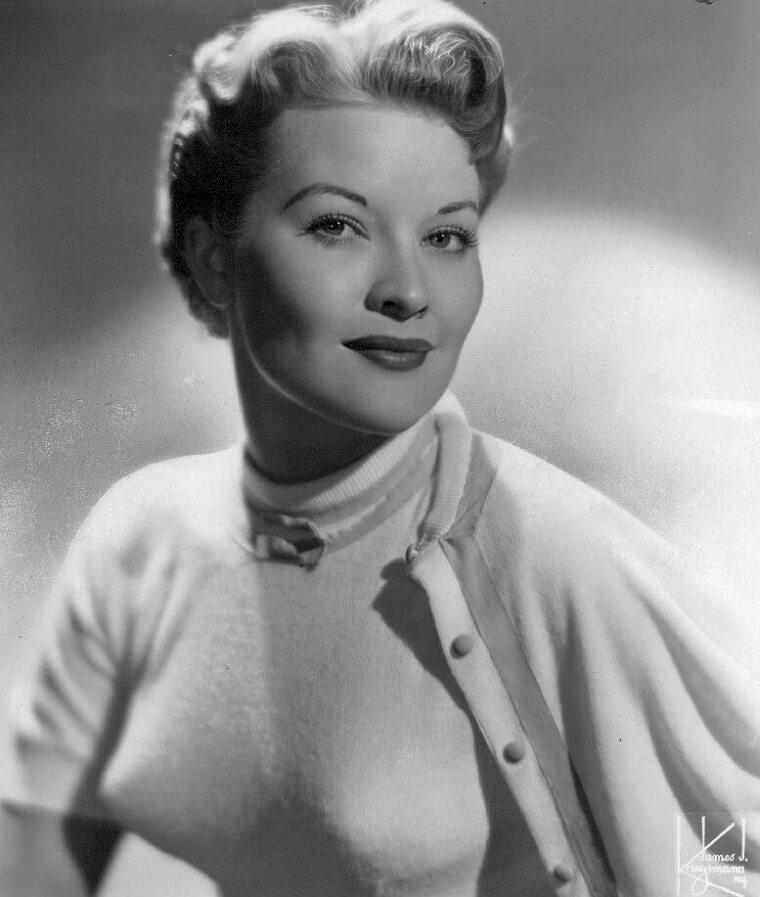
As the sixties arrived and the “natural look” became the new standard, these structural marvels were tucked away in drawers, much to the relief of anyone who had ever been accidentally poked by one.
The 1980s “Parachute Pants”: The Swishing Sound of Synthetic Freedom
Breakdancing culture brought us the glory of parachute pants. Made of thin, synthetic nylon, these pants were baggy and featured more zippers than any human could ever realistically need. The best part? The “swish-swish” sound you made while walking down the street. They were reportedly great for spinning on your back, but they were also incredibly noisy and had a tendency to trap heat.
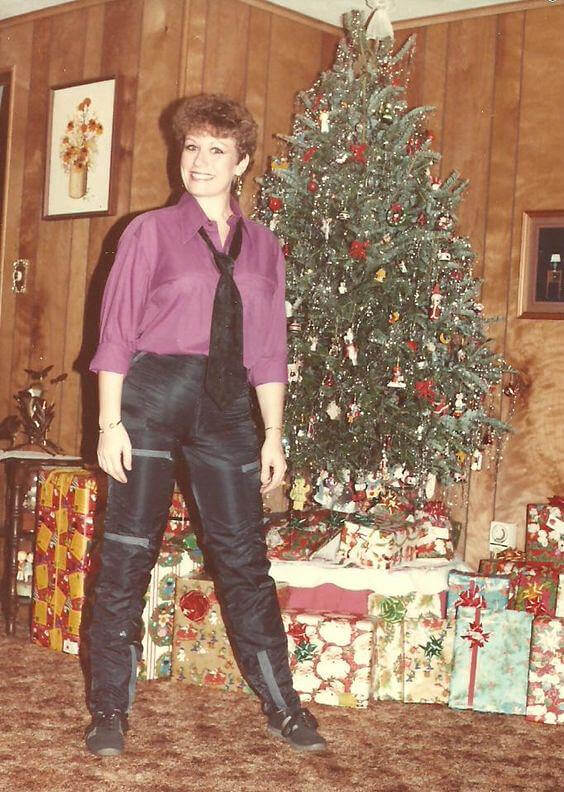
Once the fad passed, we realized that looking like we were ready to jump out of a plane wasn’t the best look for a trip to the grocery store.
The 1920s “Cloche Hat”: The Helmet That Made Peripheral Vision a Luxury
The cloche hat was the ultimate accessory for the flapper, hugging the head so tightly it resembled a bell. While it looked chic and sophisticated, it was pulled down so low over the forehead that it reportedly obscured the wearer’s vision. Women had to tilt their heads back just to see where they were walking! This led to a very specific, snooty-looking posture that wasn’t about attitude, but sheer survival.
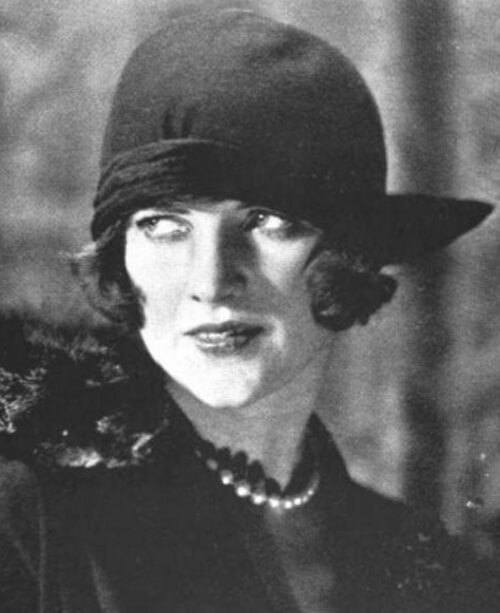
As hairstyles became fuller in the thirties, these restrictive “head-buckets” were finally tossed aside for styles that let us see the world again.
The 1960s “Go-Go Boots”: The White Vinyl Wonders for Shaking It
Nothing says the “Swinging Sixties” like a pair of knee-high, white vinyl Go-Go boots. Originally designed with a low heel for dancing, they became a symbol of female empowerment and the space-age aesthetic. However, wearing non-breathable vinyl meant your legs were essentially trapped in portable saunas. Reportedly, peeling these off after a night of dancing was a two-person job involving a lot of suction and some very sweaty calves.
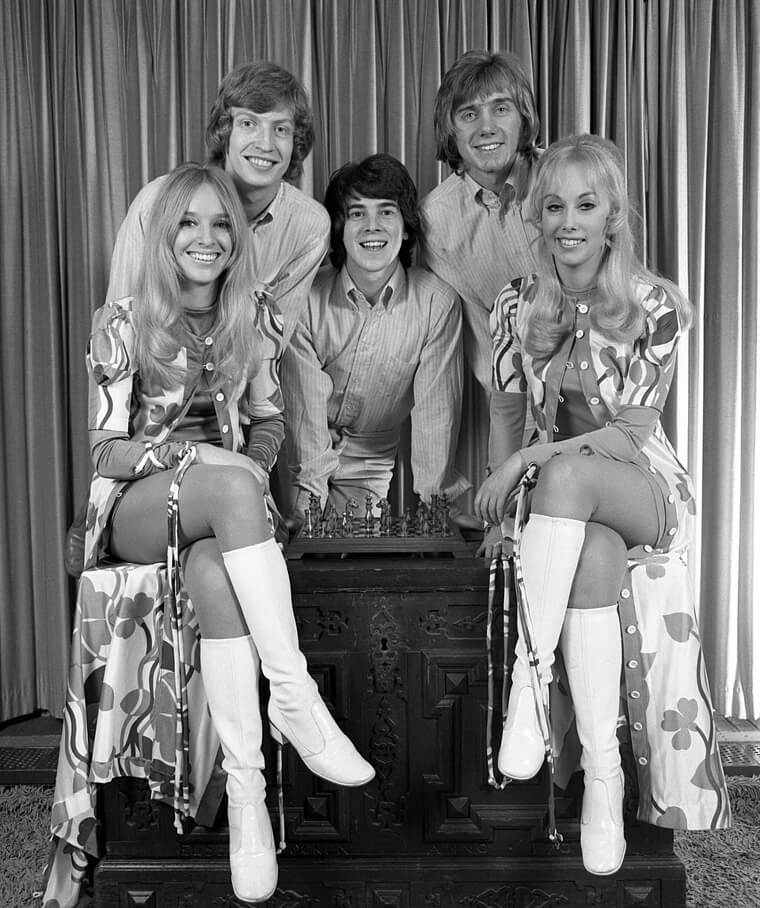
They eventually fell out of style as the earthy, bohemian “hippie” look of the late sixties favored suede and bare feet instead.
The 1940s “Seamed Stockings”: The Daily Struggle of the Perfect Straight Line on the Back of the Leg
During the war, nylon was scarce, but the look of stockings was still a must. Women would wear silk or rayon stockings that featured a prominent seam running down the back of the leg. The ultimate challenge was keeping that seam perfectly straight; a crooked line was considered a major fashion faux pas. Many women reportedly resorted to “liquid stockings”—painting their legs with tan makeup.
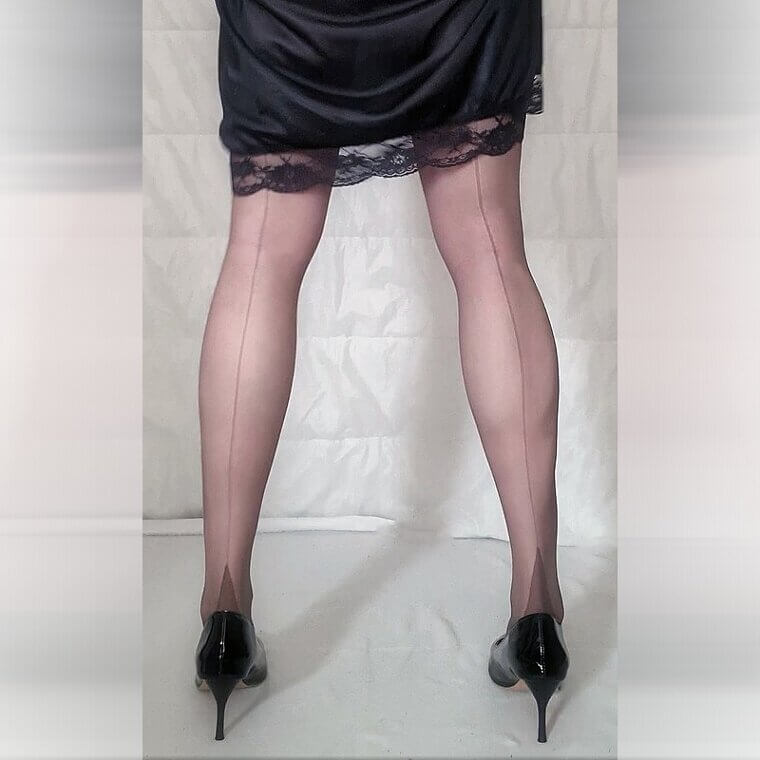
They used an eyebrow pencil to draw the seam directly onto their skin! It was a lot of effort for a look that disappeared the moment you got caught in the rain.
The 1990s “JNCO Jeans”: When Your Pant Legs Could House a Family of Four
The nineties took the “baggy” trend to an absolute extreme with JNCO jeans. These trousers featured leg openings that could be up to 50 inches wide! You didn’t walk in these jeans; you floated in a sea of denim. They were popular with the skater and raver crowds, but they had a major flaw: the bottoms would get soaked in puddles, turning the hems into heavy, frayed weights. Reportedly, kids were tripping over their own pants daily.
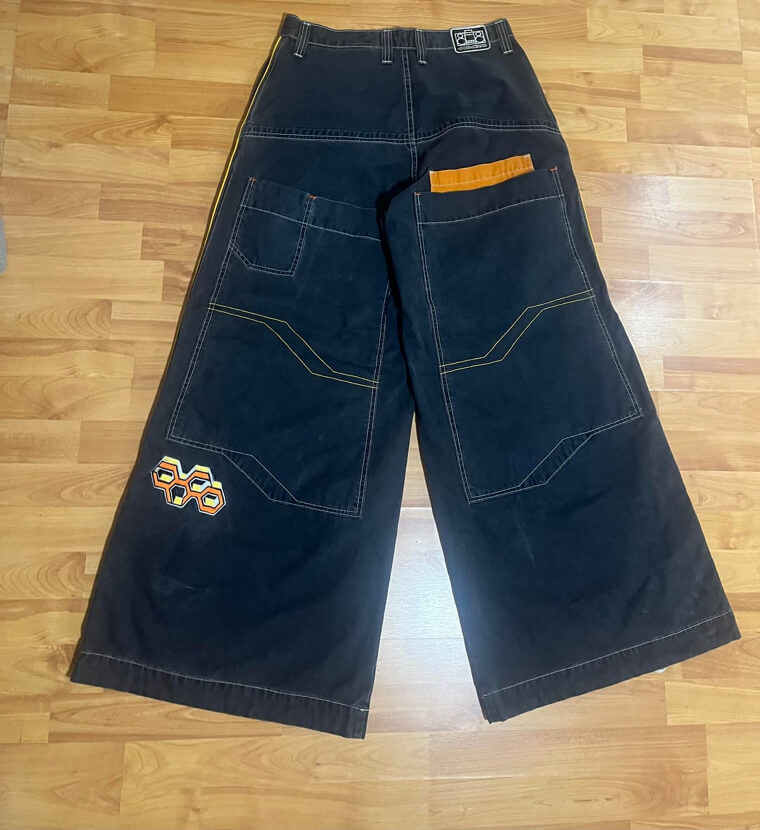
Eventually, the fashion world pivoted back to “skinny” jeans, and we all stopped dragging five pounds of wet denim behind us.
The 1970s “Mood Rings”: Wearing Your Secrets on Your Finger
In the mid-seventies, we all became obsessed with a piece of jewelry that claimed to read our emotions. These rings contained liquid crystals that changed color based on body temperature. If the ring turned blue, you were “relaxed”; if it turned black, you were “stressed.” Of course, it mostly just reflected how cold the room was! People reportedly spent hours staring at their knuckles to see if their mood had shifted.
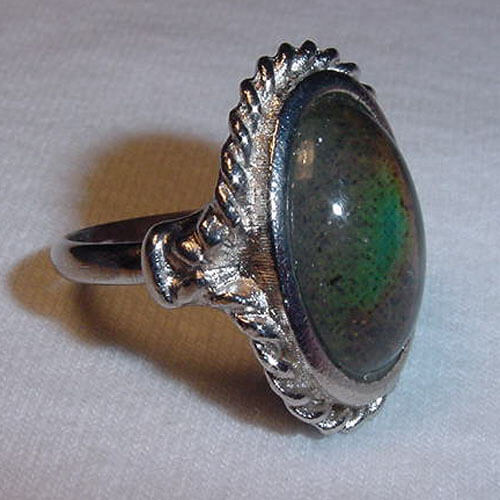
The fad eventually faded when we realized that a piece of cheap metal wasn’t a reliable substitute for actual self-awareness or a good conversation.
The 1950s “Saddle Shoes”: The School Uniform That Followed Us Everywhere
Saddle shoes were the quintessential footwear for the “Bobby Soxer” generation. These white oxfords with a black or navy “saddle” across the middle were worn by everyone from cheerleaders to teenagers at the malt shop. The biggest problem? Keeping the white part white and the black part black. We reportedly spent hours with white shoe polish and old rags, trying to maintain that crisp contrast.
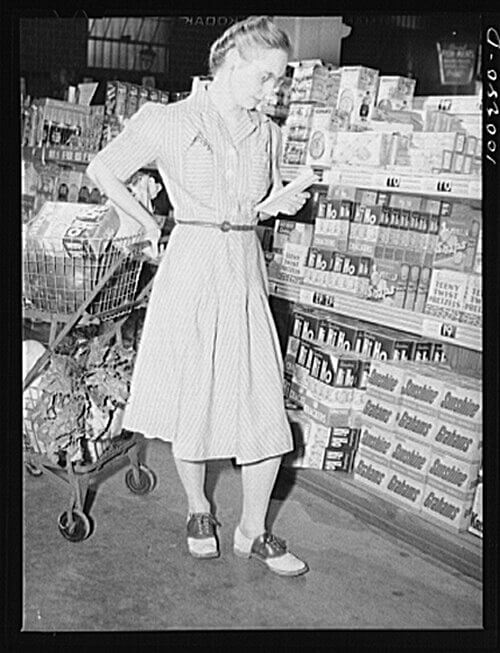
They eventually became synonymous with a very specific, squeaky-clean era, and as the rebellious sixties took over, these “good girl” shoes were traded for boots and sandals.
The 1980s “Neon Leg Warmers”: Keeping Our Ankles Toasty While We Sweated
Inspired by the movie Flashdance, leg warmers became a mandatory accessory, even if you weren’t a ballerina. We wore them over leggings, jeans, or even with skirts, usually in blinding neon colors like hot pink or electric lime. They were allegedly for keeping muscles warm during aerobics, but most of us just wore them to the mall. They had a tendency to slouch down into a bunched-up mess around our ankles, making our legs look remarkably short.
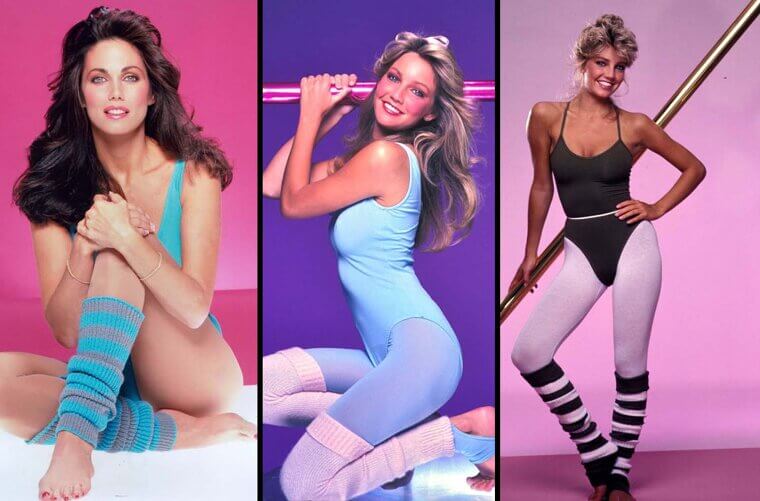
Eventually, the neon craze burned out, and we decided our ankles didn’t need their own individual sweaters anymore.
The 1920s “Plus Fours”: The Baggy Golf Knickers That Went Too Far
Men in the twenties took to “Plus Fours,” which were trousers that extended four inches below the knee and were buckled at the shin. They were designed to give golfers more freedom of movement, but they often looked like a ballooning mess of tweed. When paired with argyle socks, the look was… vibrant, to say the least. They were reportedly so baggy that they caught the wind like sails.
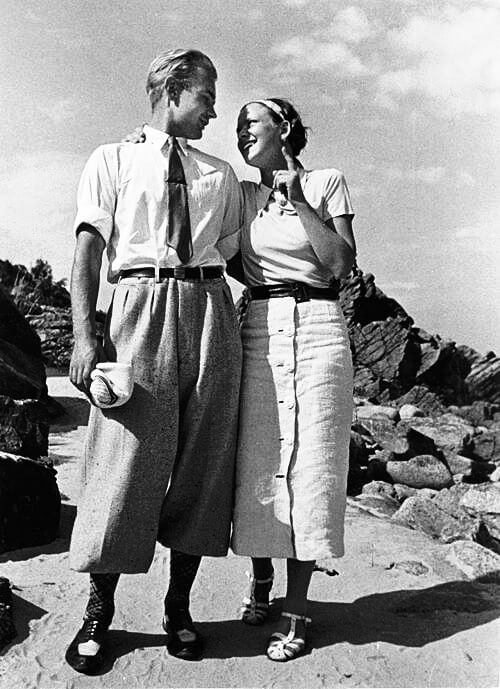
They remained a staple for the sporting set for a while, the general public eventually moved toward trousers that didn’t make them look like they were hiding hams in their pant legs.
The 1960s “Beehive Hairdo”: The Architectural Marvel of Hairspray
To achieve the perfect beehive, women in the sixties would tease, backcomb, and spray their hair until it reached incredible heights. It was a structural masterpiece that reportedly could last for an entire week if you slept very carefully on a silk pillowcase. However, rumors circulated that the internal “nest” of hair was a magnet for spiders or insects—though these were mostly urban legends! The sheer amount of sticky hairspray required made the hair feel like a helmet.

Eventually, the “long and straight” hippie look took over, and we finally let our scalps breathe again.